

 プレビュー
プレビュー
 シェアする
シェアする シェアする
シェアする
 詳細を見る
詳細を見る

 ダウンロード
 似ている作品
 X線調査
X線調査 スライドショー
 統計情報
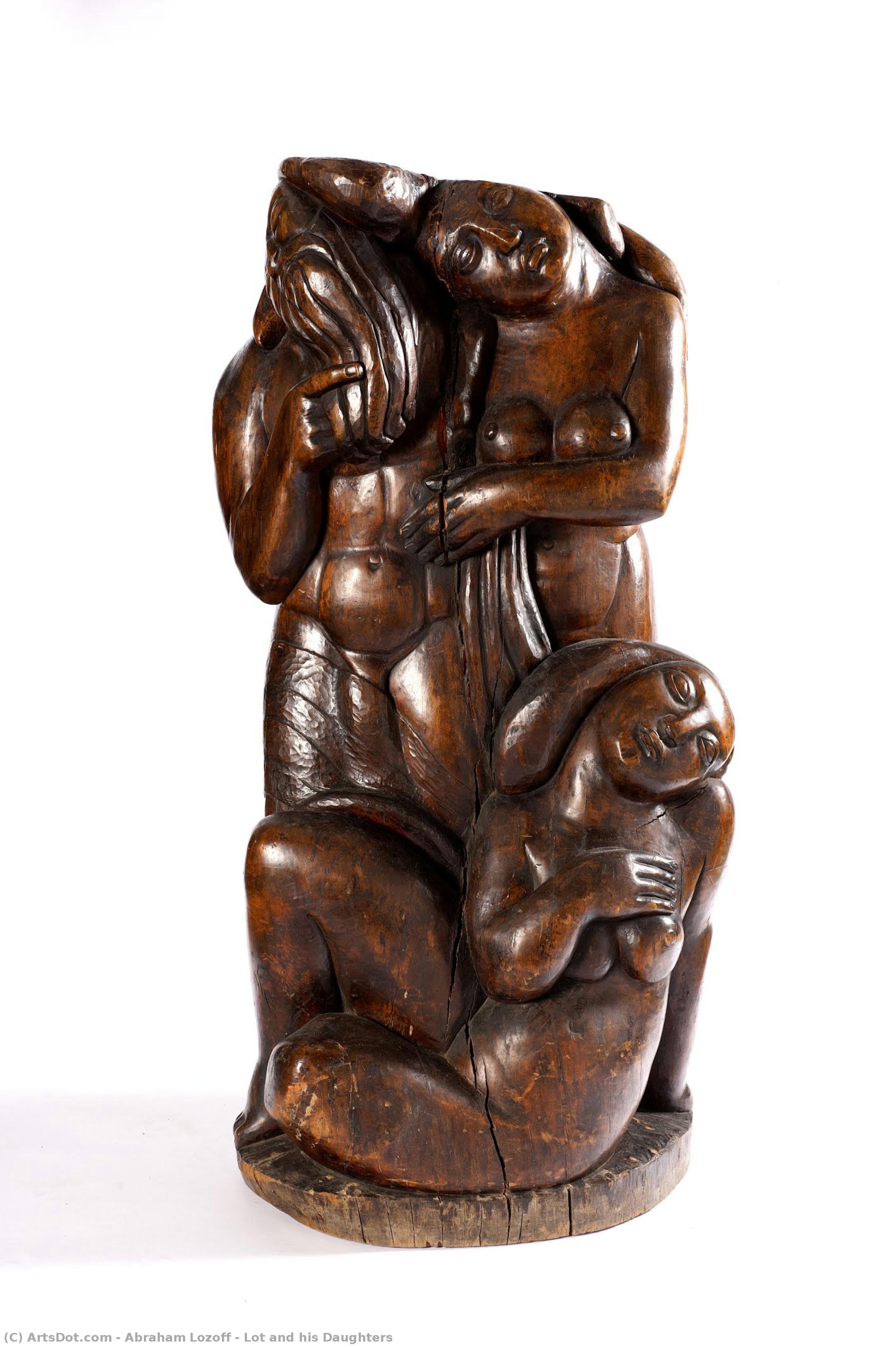
統計情報Lot and his Daughters

 詳細を見る
詳細を見る
手描き油彩複製画
当社のアーティストが、お客様のご希望のサイズと額縁に合わせて、キャンバスに手描きで制作する油彩画です。 ( プリント版に切り替え デジタル画像販売へ切り替え)




































作品のオリジナル比率に合わせた、当店の規定サイズからお選びください。

特定のフレームやスペースに合わせて、ご希望のサイズをご入力いただけます。選択されたサイズが元の画像の比率と異なる場合、アートワークをトリミングするか、手描きで要素を追加して絵画を拡張いたします。デジタルモックアップ を制作し、制作開始前にご確認(承認)をいただきます。
画面上のプレビューは、実際のトリミングや拡張を正確に反映しているものではありません。最終的な構図は、モックアップによってのみ正確にご確認いただけます。
カスタムサイズもご利用いただけますが、元の比率を維持するためには、あらかじめ用意されたリストからサイズを選択することをお勧めいたします。
ご注文後、ArtsDot.com チームより詳細な指示をお送りするとともに、仕上がりイメージ(モックアップ)をご提供いたします。


 ガラスオプションは、110cm未満のサイズでのみご利用いただけます。

Lot and his Daughters
複製技法
複製画のサイズ
-


合計金額
$ 263
関連作品





アーティストの略歴
A Life Carved in Wood: The Journey of Abraham Lozoff
The name Abraham Lozoff, often remembered as Abrasha Lozoff, resonates with a unique blend of cultural heritage and artistic innovation. Born in the harsh landscapes of Siberia, Russia, in 1887, his life was one of constant movement and adaptation, experiences that profoundly shaped his distinctive sculptural voice. His early years were steeped in the traditions of a remote region, though details remain fragmented—a common fate for artists who emerged from less-documented corners of the world. The family’s relocation to Riga, Latvia, during Lozoff's childhood marked the beginning of his formal artistic training and exposure to European aesthetics. He spent over a decade honing his skills in this Baltic hub before the tumultuous events of 1914 propelled him westward, first to the United States and then to Canada. This journey wasn’t merely geographical; it was a passage through shifting cultural landscapes that would ultimately coalesce into Lozoff's singular style. He eventually became a proud Canadian citizen, yet his art always carried echoes of his Russian origins and the influences absorbed along the way.The Fusion of Styles: Gibbons, Gauguin, and Beyond
Lozoff’s artistic legacy rests primarily on his breathtaking woodcarvings. These are not simply representations of form; they are imbued with a remarkable depth of emotion and narrative complexity. What sets Lozoff apart is the seemingly paradoxical fusion of disparate influences within his work. He deeply admired the intricate, baroque flourishes of Grinling Gibbons, the 17th-century English woodcarver renowned for his lavish ornamentation and naturalistic detail. The influence of Gibbons can be seen in Lozoff’s masterful handling of texture and his ability to create a sense of dynamic movement within the wood itself. However, Lozoff didn't simply replicate Gibbons’ style; he tempered it with the bold simplicity and symbolic power of Paul Gauguin. The flattened planes, vibrant colors (often achieved through subtle staining and polishing), and evocative subject matter characteristic of Gauguin’s work found a compelling resonance in Lozoff’s carvings. He wasn’t merely imitating these masters but synthesizing their approaches into something entirely new—a style that was both ornate and deeply personal. His carvings often depict scenes from folklore, religious narratives, and everyday life, rendered with a raw emotional intensity.Themes of Displacement and Spiritual Seeking
A closer examination of Lozoff’s oeuvre reveals recurring themes that likely stemmed from his own experiences as an immigrant and a man navigating multiple cultural identities. Displacement is palpable in many of his works, often manifested through depictions of wandering figures or scenes of transition. There's a sense of longing for a lost homeland, coupled with a cautious embrace of new surroundings. Beyond the personal narrative, Lozoff’s carvings frequently explore spiritual themes—a fascination with religious iconography and mythic storytelling. He wasn’t bound by any single dogma; rather, he seemed to draw inspiration from a wide range of traditions, creating a unique visual language that transcended specific cultural boundaries. The human figure, often contorted in expressions of anguish or ecstasy, is central to his work. These figures aren't idealized representations but rather embodiments of the complexities and contradictions inherent in the human condition.A Lasting Legacy: Lozoff’s Place in Art History
Abraham Lozoff died prematurely in London, England, in 1936, leaving behind a relatively small but profoundly impactful body of work. For many years, his art remained largely unknown outside of Canada and select private collections. However, recent scholarship has begun to recognize the significance of his contribution to 20th-century sculpture. His ability to seamlessly blend seemingly incompatible styles—the baroque exuberance of Gibbons with the primitive power of Gauguin—was truly exceptional.- His carvings offer a unique perspective on the immigrant experience.
- They demonstrate a remarkable technical mastery of woodcarving techniques.
- Lozoff’s work challenges conventional categorizations of artistic style and influence.
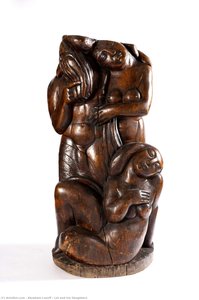
abraham lozoff
1887 - 1936 , Russia
基本情報
- Artistic Movement Or Style: Woodcarving
- Artists Who Influenced This Artist:
- Grinling Gibbons
- Gauguin
- Date Of Birth: 1887
- Date Of Death: 1936
- Full Name: Abraham Lozoff
- Nationality: Russian-Canadian
- Place Of Birth: Siberia, Russia