

 プレビュー
プレビュー
 プリントを購入
 シェアする
シェアする シェアする
シェアする
 詳細を見る
詳細を見る

 ダウンロード
 似ている作品
 X線調査
X線調査 スライドショー
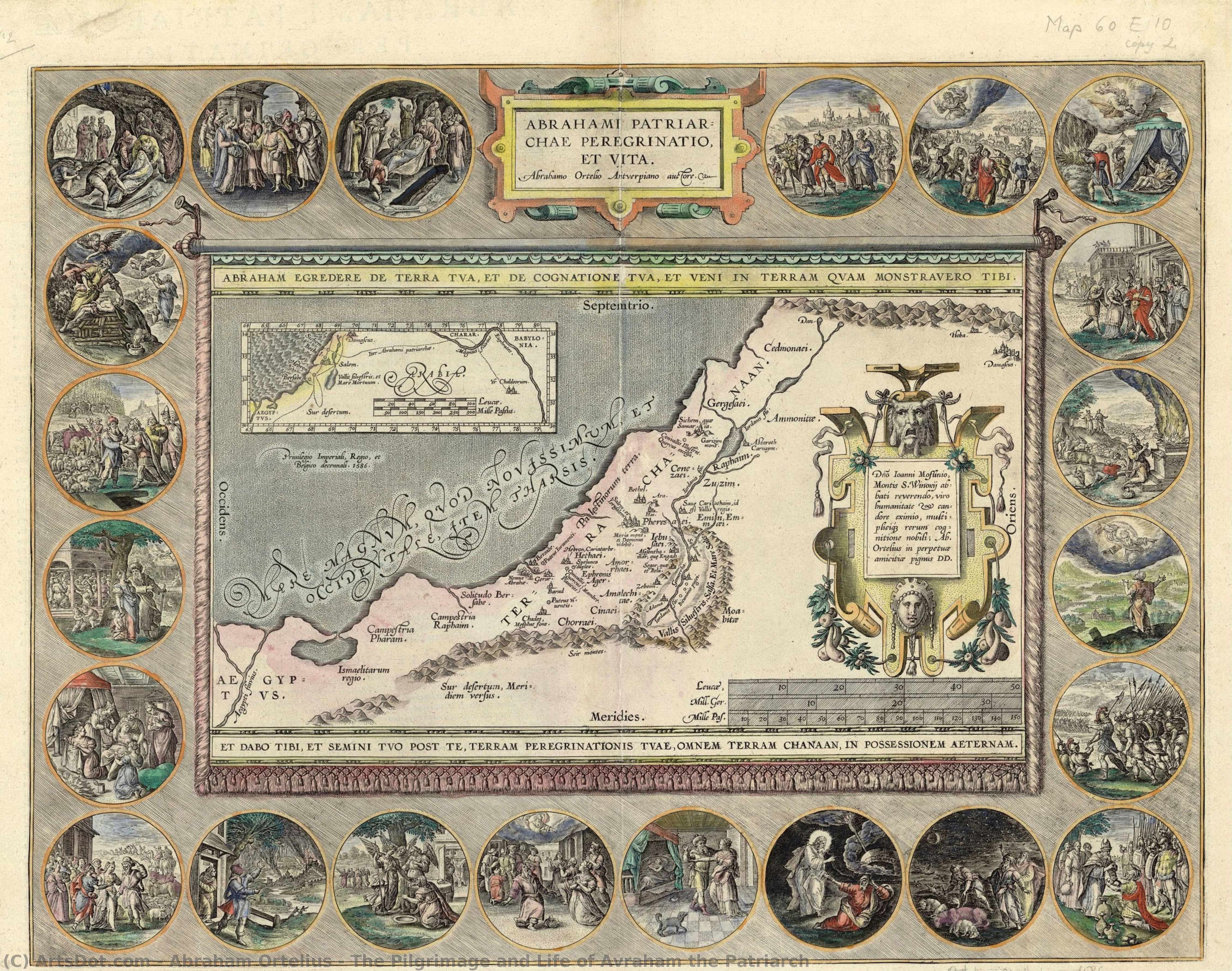
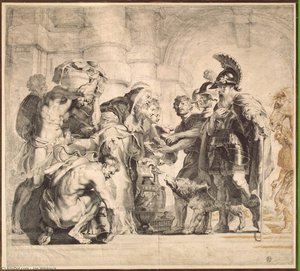
The Pilgrimage and Life of Avraham the Patriarch
 Engraving
- Renaissance
 1590
1590- Early Modern
 35.0 x 45.0 cm
 イスラエル国立図書館
 詳細を見る
詳細を見る
オンラインプレビューをはるかに凌ぐ、高解像度で鮮明なデジタル画像をご購入いただけます。
各ファイルは、社内の専門家が高度なツールと熟練した手作業によるレタッチを用いて、細心の注意を払って準備されています。すべての画像において、卓越した鮮明度、正確な色彩再現性、そして繊細なディテールを保証いたします。
最終ファイルは、プロフェッショナルな編集・印刷環境ですぐにご利用いただけるよう最適化された状態で、72時間以内にメールにてお届けいたします。これは、一流のデザインスタジオ、出版社、ギャラリーから信頼されているものと同等の品質です。
デジタル画像のご注文に付随する特典
高品質なデジタル画像配信を、確かな品質で。
ArtsDot.com を選ぶことは、単に画像を手に入れることではありません。それは、プロの手によって精密に仕上げられ、満足保証が付いた高品質なデジタルアートワークを受け取ることを意味します。ご注文いただいた際に自動的に付随する内容は、以下の通りです:

メールですぐにお届け
ご注文から72時間以内に、高解像度のデジタル画像ファイルがメールでお手元に届きます。すぐにそのままご利用いただけます。

AI技術で最適化されたデジタルファイル
お客様の作品は、高度なAIツールと専門家による手作業の編集を組み合わせてプロフェッショナルに最適化されており、細部のディテール、鮮明さ、そして正確な色再現性を最大限に引き出しています。

一生涯無料の再送サービス
ファイルを誤って削除したり、紛失してしまったりしましたか?ご安心ください。いつでも無料で再送いたします。

輸入手数料は一切かかりません
関税や手数料、配送料を気にすることなく、お気に入りのアートワークをすぐにお楽しみいただけます。デジタルダウンロードは常に免税です。

色彩再現の保証
プロ仕様のツールとカラーマネジメント技術を用いることで、デジタル画像が元の色を最大限に忠実に再現することを保証いたします。

60日間満足保証
ご購入いただいたデジタル画像にご満足いただけない場合は、60日以内であれば、修正または100%の返金(理由を問う必要はありません)をさせていただきます。

100% 返金保証
ご満足いただけない場合は、デジタルファイルを受け取ってから60日以内であれば、理由を問わず全額返金いたします。

まとめ買い割引
3枚購入で10%OFF - 5枚購入で15%OFF - 10枚以上購入で20%OFF。クリエイティブなプロジェクト、ギャラリー、エージェンシーに最適です。
作品の詳細
A Journey Through Sacred Cartography
In the delicate interplay of ink and imagination, Abraham Ortelius’s "The Pilgrimage and Life of Avraham the Patriarch" serves as more than a mere depiction of biblical narrative; it is a profound visual odyssey. Created around 1590, this intricate masterpiece functions as a spiritual map, guiding the viewer through the pivotal moments of Abraham's existence. As one gazes upon the composition, the eye is immediately drawn into a tapestry of movement and divine encounter. From the arduous trek toward Egypt to the quiet, hallowed stillness of the oak grove at Mamre, every brushstroke and etched line breathes life into the ancient chronicles of faith. The work transcends simple illustration, acting as a window into a time when geography and theology were inextricably linked, woven together by the hand of a master who understood that to map the world was also to map the soul.
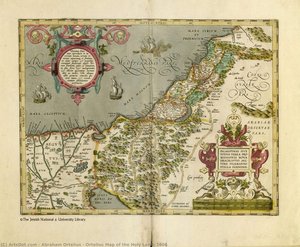
The technical brilliance of this piece lies in its remarkable density of detail and its ability to balance multiple temporalities within a single frame. Ortelius, a pioneer of modern cartography, utilizes his engraver’s precision to create a sense of immense scale and historical depth. The inclusion of a meticulously rendered map of the Holy Land provides a grounding, physical reality to the ethereal scenes of pilgrimage. This juxtaposition of scientific accuracy with religious storytelling creates a unique tension—a marriage of the observable earth and the unseen divine. For the discerning collector or interior designer, this piece offers a sophisticated layer of intellectual texture, inviting long periods of contemplation as one discovers new figures, landscapes, and symbolic gestures hidden within its complex layers.
Beyond its historical significance, the emotional resonance of the artwork is found in its portrayal of human perseverance and divine providence. There is a palpable sense of motion—the weary stride of travelers, the expectant gaze of those awaiting a sign, and the vast, sweeping vistas that suggest both the loneliness of the desert and the abundance of God's promise. The palette, though rooted in the earthy tones of the late Renaissance, possesses a luminous quality that highlights the sanctity of the events depicted. To display a high-quality reproduction of this work is to bring a sense of timelessness and narrative grandeur into a space. It serves as an anchor for any room, offering a sophisticated dialogue between the classical past and the modern aesthetic, making it an incomparable choice for those who seek art that speaks of legacy, exploration, and the enduring human spirit.
関連作品
作家の略歴
Abraham Ortelius: Pioneer of Modern Cartography
Abraham Ortelius (1527-1598) stands as a monumental figure in the history of mapmaking and scientific exploration, largely unrecognized until recent decades. Born in Antwerp, Belgium—a vibrant hub of Renaissance scholarship and artistic innovation—Ortelius’s life was marked by intellectual curiosity and unwavering dedication to advancing geographical knowledge. Trained initially as an engraver, he swiftly transitioned into publishing, establishing a workshop that would become synonymous with the production of groundbreaking atlases and meticulously crafted maps. His ambition wasn't merely decorative; it was driven by a profound belief in the power of accurate representation to illuminate understanding of the world.- Early Life & Training: Ortelius’s formative years were steeped in humanist ideals, fostering an appreciation for classical learning and observation. He honed his engraving skills under Rubens, absorbing techniques that would prove invaluable in reproducing his maps with exceptional detail.
- Theatrum Orbis Terrarum (1570): Ortelius's magnum opus, *Theatrum Orbis Terrarum*, represents a pivotal moment in cartographic history. Published during the tumultuous Reformation era, it was the first atlas to employ copperplate engraving on a grand scale—a revolutionary method that allowed for unprecedented precision and artistic beauty. It meticulously charted Europe, Asia, Africa, and the Americas, incorporating Ptolemy’s geocentric model alongside observations from explorers like Magellan and Drake.
- Influence & Collaborations: Ortelius didn't operate in isolation; he actively engaged with fellow scholars and artists. Notably, his collaboration with Ludovico Teixeira—a Portuguese cartographer—resulted in the creation of a comprehensive atlas of Brazil, significantly bolstering Portugal’s maritime empire and establishing a benchmark for future Brazilian mapping endeavors.
- Legacy & Significance: Ortelius's impact extends far beyond the production of atlases. His meticulous research into ancient texts and his insistence on incorporating new scientific data fundamentally reshaped how Europeans perceived their surroundings. *Theatrum Orbis Terrarum* served as a cornerstone for subsequent generations of cartographers, influencing exploration, navigation, and ultimately contributing to the dissemination of knowledge about the globe.
A Detailed Examination of Ortelius’s Cartographic Technique
Ortelius's maps weren’t simply copied from existing sources; they were painstakingly reconstructed using a combination of Ptolemaic calculations, astronomical observations, and firsthand accounts from explorers. The engravers employed by Ortelius utilized techniques perfected during the Renaissance—particularly hatching and cross-hatching—to convey tonal variations in terrain elevation with remarkable accuracy. Color printing was also experimented with, albeit sparingly, adding visual richness to certain sections of the atlas. These innovations underscored Ortelius’s commitment to presenting a scientifically informed depiction of the Earth.Notable Works Beyond Theatrum Orbis Terrarum
While *Theatrum Orbis Terrarum* cemented Ortelius's reputation as a visionary, he produced numerous other maps and atlases that showcased his exceptional skill and dedication to geographical accuracy. These included detailed charts of the Mediterranean Sea, explorations of Scandinavia, and depictions of Persia—reflecting Ortelius’s broad interests in maritime navigation and scholarly pursuits. His meticulous attention to detail ensured that these works remained invaluable resources for navigators and scholars alike.Ortelius's Portrait by Rubens: A Reflection of Renaissance Idealism
Sir Peter Paul Rubens commissioned a portrait of Abraham Ortelius, capturing him amidst his workshop—a scene replete with maps, instruments, and scholarly texts. The painting exemplifies the humanist ideals prevalent during the Renaissance, portraying Ortelius as an intellectual figure engaged in serious contemplation. Rubens skillfully rendered Ortelius’s face with subtle shading and anatomical precision, reflecting the artistic standards of the era and solidifying Ortelius's place within the cultural landscape of Antwerp.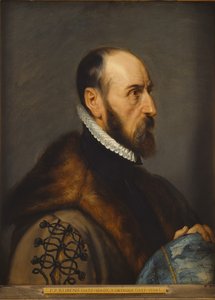
Abraham Ortelius
1527 - 1598 , Belgium
プロフィール概要
- Artistic Movement Or Style: Renaissance cartography
- Artists Or Movements Influenced By This Artist: ['Cartography']
- Artists Who Influenced This Artist: ['Johannes Mercator']
- Date Of Birth: 1527 Antwerp, Belgium
- Date Of Death: 1598
- Full Name: Abraham Ortelius
- Nationality: Flemish
- Notable Artworks: ['Theatrum Orbis Terrarum']
- Place Of Birth: Antwerp

