

 プレビュー
プレビュー
 プリントを購入
 シェアする
シェアする シェアする
シェアする
 詳細を見る
詳細を見る

 ダウンロード
 似ている作品
 X線調査
X線調査 スライドショー
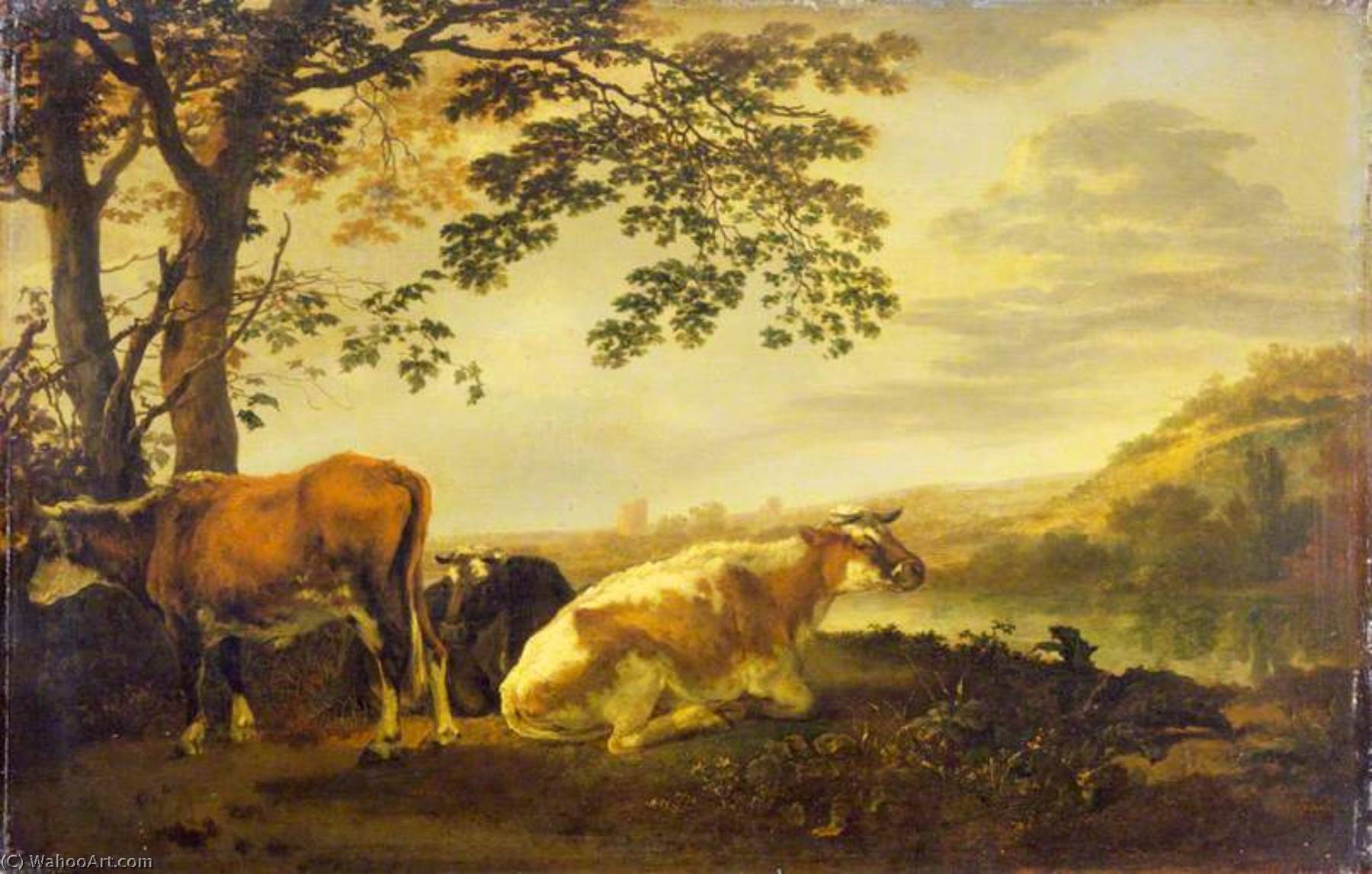
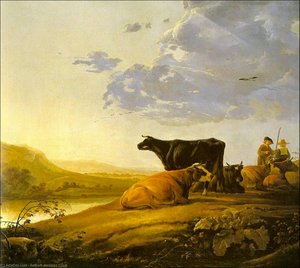
Cattle on a River Bank
 Dutch Golden Age
 1722
1722 34.0 x 54.0 cm
 ロンドンタワー
 詳細を見る
詳細を見る




































作品のオリジナル比率に合わせた、当店の規定サイズからお選びください。

特定のフレームやスペースに合わせて、ご希望のサイズをご入力いただけます。選択されたサイズが元の画像の比率と異なる場合、アートワークをトリミングするか、手描きで要素を追加して絵画を拡張いたします。デジタルモックアップ を制作し、制作開始前にご確認(承認)をいただきます。
画面上のプレビューは、実際のトリミングや拡張を正確に反映しているものではありません。最終的な構図は、モックアップによってのみ正確にご確認いただけます。
カスタムサイズもご利用いただけますが、元の比率を維持するためには、あらかじめ用意されたリストからサイズを選択することをお勧めいたします。
ご注文後、ArtsDot.com チームより詳細な指示をお送りするとともに、仕上がりイメージ(モックアップ)をご提供いたします。


 ガラスオプションは、110cm未満のサイズでのみご利用いただけます。

Cattle on a River Bank
複製技法
複製画のサイズ
-


合計金額
$ 263
関連作品

アーティストの略歴
A Life Immersed in Dutch Light: Abraham Pietersz van Calraet
Abraham Pietersz van Calraet, a name resonating softly through the annals of the Dutch Golden Age, embodies the quiet mastery and evolving artistic sensibilities of 17th-century Holland. Born in Dordrecht in 1642 and passing away there in 1722, his life was deeply interwoven with the fabric of this thriving mercantile city—a center for both commerce and burgeoning artistic expression. Calraet’s journey began not with a brush, but with the sculptor's chisel. He initially apprenticed under Aemilius and Samuel Hup, respected sculptors in Dordrecht, absorbing their technical precision and understanding of form. However, it was a shift towards painting that would ultimately define his legacy, spurred by assisting his father, a wood sculptor, and an early fascination with capturing the delicate beauty of fruit. This foundational training in three-dimensional art undoubtedly informed the remarkable realism and tactile quality present in his still lifes.From Still Life to Landscape: A Developing Style
Calraet’s artistic development was not linear but rather a fascinating exploration of genre and technique. He initially gained recognition for his exquisitely rendered still life paintings, particularly those depicting luscious arrangements of fruit. These works weren't merely depictions; they were celebrations of abundance, often imbued with subtle symbolism reflecting the transience of earthly pleasures. The surfaces gleam with an almost photographic realism, a testament to his meticulous observation and skillful handling of oil paint. However, Calraet’s ambition extended beyond the confines of the still life. He resided in Dordrecht throughout his life, and it is believed he may have been influenced by Aelbert Cuyp, a generation older master known for his idyllic landscapes. This connection proved pivotal, though complicated. Cuyp's signature was frequently—and often fraudulently—added to Calraet’s paintings, highlighting the esteem with which Cuyp was held and perhaps suggesting an attempt to capitalize on his established reputation.The Cuyp Controversy and Rediscovery
The attribution of works became a source of considerable debate in the early 20th century. For years, many of Calraet's still lifes were mistakenly attributed to Cuyp himself. It was Abraham Bredius, a renowned art historian, who spearheaded the “rediscovery” of Calraet, meticulously re-attributing two paintings previously considered Cuyp’s work. This sparked intense discussion, with Cornelis Hofstede de Groot vehemently disagreeing with Bredius' findings. The debate even escalated into public discourse when Frits Lugt announced a new Calraet painting at the Frans Hals Museum in 1915. Ultimately, Bredius prevailed, and his attributions largely stand today, solidifying Calraet’s position as an independent artist of significant merit. This episode underscores the challenges inherent in art historical research and the importance of careful analysis and scholarly debate.Themes and Techniques: A Master of Observation
Calraet's oeuvre encompasses both still life compositions and landscapes featuring horses—a subject he embraced with increasing enthusiasm later in his career. His still lifes are characterized by a warm, intimate atmosphere, often employing rich, earthy tones and dramatic chiaroscuro to accentuate the textures and forms of the fruit. He possessed an exceptional ability to capture the play of light on surfaces, creating a sense of depth and realism that draws the viewer into the scene. In his landscapes, Calraet demonstrates a keen eye for atmospheric effects and a talent for depicting horses in dynamic poses. These works often feature riders traversing rural scenes, evoking a sense of movement and vitality. He was known to be a teacher as well, passing on his knowledge and skills to his younger brother, Barent van Kalraet, who also became a landscape painter.Legacy and Historical Significance
Abraham Pietersz van Calraet’s contribution to the Dutch Golden Age lies in his ability to seamlessly blend meticulous realism with subtle artistic expression. While perhaps not as widely celebrated as some of his contemporaries, his works offer a compelling glimpse into the everyday life and aesthetic sensibilities of 17th-century Holland. His still lifes are testaments to the beauty of nature and the transience of earthly pleasures, while his landscapes capture the dynamism and vitality of rural life. Today, Calraet is recognized as a skilled painter who successfully navigated evolving artistic trends, leaving behind a body of work that continues to captivate and inspire. His story serves as a reminder that even within a period renowned for its iconic masters, there existed a wealth of talented artists whose contributions deserve recognition and appreciation. His paintings offer a window into the Dutch Golden Age, revealing not only artistic skill but also a profound connection to the natural world.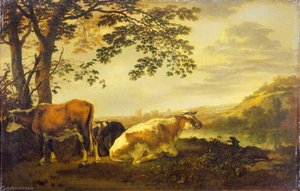
abraham pietersz van calraet
1642 - 1722
基本情報
- Artistic Movement Or Style: Golden Age
- Artists Or Movements Influenced By This Artist: ['Cornelis Hofstede de Groot']
- Artists Who Influenced This Artist:
- Aemilius Hup
- Samuel Hup
- Date Of Birth: 1642
- Date Of Death: 1722
- Full Name: Abraham Pietersz van Calraet
- Nationality: Dutch
- Notable Artworks:
- A Glass Vase of Flowers
- Still-life with Peaches and Grapes
- Two Horsemen at a Tavern
- Place Of Birth: Dordrecht, Netherlands
関連記事
Golden Light & Dutch Skies: Bringing the Magic of Dutch Golden Age Landscapes into Your Home
Transform your home with the breathtaking light of Dutch Golden Age landscapes. Discover how hand-painted oil reproductions of masterworks like Ruisdael and Vermeer bring timeless elegance, atmosphere, and soulful texture to modern interiors. Elevate your space with museum-quality art.

黄金世紀の巨匠たち:バロック絵画が彩る10選|ArtsDot
オランダ黄金時代の10大傑作を紐解く!レンブラント、フェルメール…バロック絵画の魅力と時代背景を深く探求。ArtsDotで、至高のアートコレクションと空間演出のヒントを見つけよう。高品質なアートプリントで、お部屋を華やかに。
Nicolaes Berchem: Dutch Golden Age Pastoralism & the Evolution of Landscape Painting
Explore the captivating world of Nicolaes Berchem, a leading Dutch Golden Age painter. Discover his idyllic landscapes, masterful technique & lasting influence on art history. Learn more at ArtsDot.
Charles Leickert: Capturing the Dutch Golden Age Light – A Comprehensive Study of Technique, Context, and Legacy
Explore the captivating winter landscapes of Charles Leickert, a master of Dutch Golden Age light & atmosphere. Discover his techniques, symbolism, and lasting legacy – a comprehensive study for art enthusiasts and collectors.

Golden Age Reflections: Dutch Baroque Painting & Cultural Innovation
Explore the Dutch Golden Age of painting! Discover key artists like Vermeer & ter Borch, their innovative techniques, and the rich cultural context behind these Baroque masterpieces. Learn about collecting & appreciating this iconic art period.

