

 プレビュー
プレビュー
 プリントを購入
 シェアする
シェアする シェアする
シェアする
 詳細を見る
詳細を見る

 ダウンロード
 似ている作品
 X線調査
X線調査 スライドショー
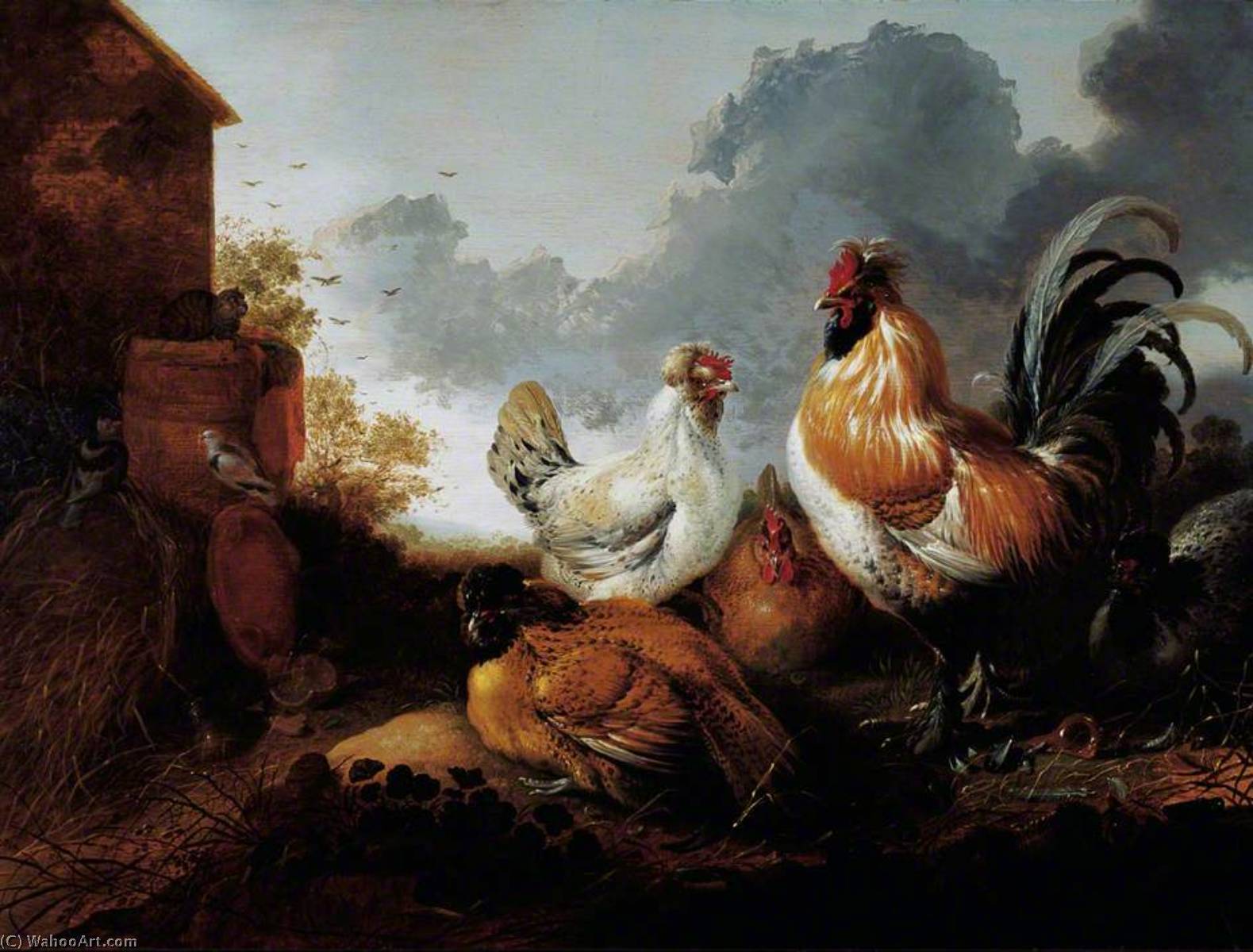
Poultry in a Farmyard
 Dutch Golden Age
 74.0 x 99.0 cm
 ザ・ヘップワース・ウェイクフィールド
 詳細を見る
詳細を見る
オンラインプレビューをはるかに凌ぐ、高解像度で鮮明なデジタル画像をご購入いただけます。
各ファイルは、社内の専門家が高度なツールと熟練した手作業によるレタッチを用いて、細心の注意を払って準備されています。すべての画像において、卓越した鮮明度、正確な色彩再現性、そして繊細なディテールを保証いたします。
最終ファイルは、プロフェッショナルな編集・印刷環境ですぐにご利用いただけるよう最適化された状態で、72時間以内にメールにてお届けいたします。これは、一流のデザインスタジオ、出版社、ギャラリーから信頼されているものと同等の品質です。
デジタル画像のご注文に付随する特典
高品質なデジタル画像配信を、確かな品質で。
ArtsDot.com を選ぶことは、単に画像を手に入れることではありません。それは、プロの手によって精密に仕上げられ、満足保証が付いた高品質なデジタルアートワークを受け取ることを意味します。ご注文いただいた際に自動的に付随する内容は、以下の通りです:

メールですぐにお届け
ご注文から72時間以内に、高解像度のデジタル画像ファイルがメールでお手元に届きます。すぐにそのままご利用いただけます。

AI技術で最適化されたデジタルファイル
お客様の作品は、高度なAIツールと専門家による手作業の編集を組み合わせてプロフェッショナルに最適化されており、細部のディテール、鮮明さ、そして正確な色再現性を最大限に引き出しています。

一生涯無料の再送サービス
ファイルを誤って削除したり、紛失してしまったりしましたか?ご安心ください。いつでも無料で再送いたします。

輸入手数料は一切かかりません
関税や手数料、配送料を気にすることなく、お気に入りのアートワークをすぐにお楽しみいただけます。デジタルダウンロードは常に免税です。

色彩再現の保証
プロ仕様のツールとカラーマネジメント技術を用いることで、デジタル画像が元の色を最大限に忠実に再現することを保証いたします。

60日間満足保証
ご購入いただいたデジタル画像にご満足いただけない場合は、60日以内であれば、修正または100%の返金(理由を問う必要はありません)をさせていただきます。

100% 返金保証
ご満足いただけない場合は、デジタルファイルを受け取ってから60日以内であれば、理由を問わず全額返金いたします。

まとめ買い割引
3枚購入で10%OFF - 5枚購入で15%OFF - 10枚以上購入で20%OFF。クリエイティブなプロジェクト、ギャラリー、エージェンシーに最適です。
関連作品


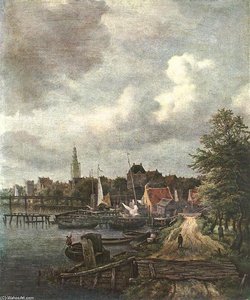
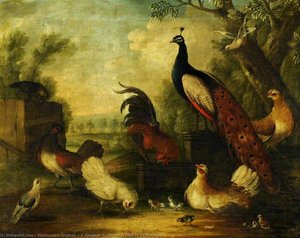
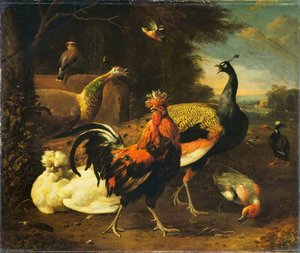
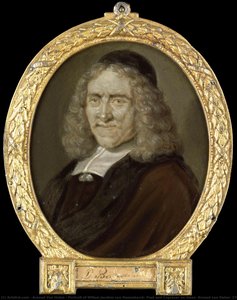
作家の略歴
A Life Immersed in Dutch Light: Abraham Pietersz van Calraet
Abraham Pietersz van Calraet, a name resonating softly through the annals of the Dutch Golden Age, embodies the quiet mastery and evolving artistic sensibilities of 17th-century Holland. Born in Dordrecht in 1642 and passing away there in 1722, his life was deeply interwoven with the fabric of this thriving mercantile city—a center for both commerce and burgeoning artistic expression. Calraet’s journey began not with a brush, but with the sculptor's chisel. He initially apprenticed under Aemilius and Samuel Hup, respected sculptors in Dordrecht, absorbing their technical precision and understanding of form. However, it was a shift towards painting that would ultimately define his legacy, spurred by assisting his father, a wood sculptor, and an early fascination with capturing the delicate beauty of fruit. This foundational training in three-dimensional art undoubtedly informed the remarkable realism and tactile quality present in his still lifes.From Still Life to Landscape: A Developing Style
Calraet’s artistic development was not linear but rather a fascinating exploration of genre and technique. He initially gained recognition for his exquisitely rendered still life paintings, particularly those depicting luscious arrangements of fruit. These works weren't merely depictions; they were celebrations of abundance, often imbued with subtle symbolism reflecting the transience of earthly pleasures. The surfaces gleam with an almost photographic realism, a testament to his meticulous observation and skillful handling of oil paint. However, Calraet’s ambition extended beyond the confines of the still life. He resided in Dordrecht throughout his life, and it is believed he may have been influenced by Aelbert Cuyp, a generation older master known for his idyllic landscapes. This connection proved pivotal, though complicated. Cuyp's signature was frequently—and often fraudulently—added to Calraet’s paintings, highlighting the esteem with which Cuyp was held and perhaps suggesting an attempt to capitalize on his established reputation.The Cuyp Controversy and Rediscovery
The attribution of works became a source of considerable debate in the early 20th century. For years, many of Calraet's still lifes were mistakenly attributed to Cuyp himself. It was Abraham Bredius, a renowned art historian, who spearheaded the “rediscovery” of Calraet, meticulously re-attributing two paintings previously considered Cuyp’s work. This sparked intense discussion, with Cornelis Hofstede de Groot vehemently disagreeing with Bredius' findings. The debate even escalated into public discourse when Frits Lugt announced a new Calraet painting at the Frans Hals Museum in 1915. Ultimately, Bredius prevailed, and his attributions largely stand today, solidifying Calraet’s position as an independent artist of significant merit. This episode underscores the challenges inherent in art historical research and the importance of careful analysis and scholarly debate.Themes and Techniques: A Master of Observation
Calraet's oeuvre encompasses both still life compositions and landscapes featuring horses—a subject he embraced with increasing enthusiasm later in his career. His still lifes are characterized by a warm, intimate atmosphere, often employing rich, earthy tones and dramatic chiaroscuro to accentuate the textures and forms of the fruit. He possessed an exceptional ability to capture the play of light on surfaces, creating a sense of depth and realism that draws the viewer into the scene. In his landscapes, Calraet demonstrates a keen eye for atmospheric effects and a talent for depicting horses in dynamic poses. These works often feature riders traversing rural scenes, evoking a sense of movement and vitality. He was known to be a teacher as well, passing on his knowledge and skills to his younger brother, Barent van Kalraet, who also became a landscape painter.Legacy and Historical Significance
Abraham Pietersz van Calraet’s contribution to the Dutch Golden Age lies in his ability to seamlessly blend meticulous realism with subtle artistic expression. While perhaps not as widely celebrated as some of his contemporaries, his works offer a compelling glimpse into the everyday life and aesthetic sensibilities of 17th-century Holland. His still lifes are testaments to the beauty of nature and the transience of earthly pleasures, while his landscapes capture the dynamism and vitality of rural life. Today, Calraet is recognized as a skilled painter who successfully navigated evolving artistic trends, leaving behind a body of work that continues to captivate and inspire. His story serves as a reminder that even within a period renowned for its iconic masters, there existed a wealth of talented artists whose contributions deserve recognition and appreciation. His paintings offer a window into the Dutch Golden Age, revealing not only artistic skill but also a profound connection to the natural world.
abraham pietersz van calraet
1642 - 1722
プロフィール概要
- Artistic Movement Or Style: Golden Age
- Artists Or Movements Influenced By This Artist: ['Cornelis Hofstede de Groot']
- Artists Who Influenced This Artist:
- Aemilius Hup
- Samuel Hup
- Date Of Birth: 1642
- Date Of Death: 1722
- Full Name: Abraham Pietersz van Calraet
- Nationality: Dutch
- Notable Artworks:
- A Glass Vase of Flowers
- Still-life with Peaches and Grapes
- Two Horsemen at a Tavern
- Place Of Birth: Dordrecht, Netherlands

