

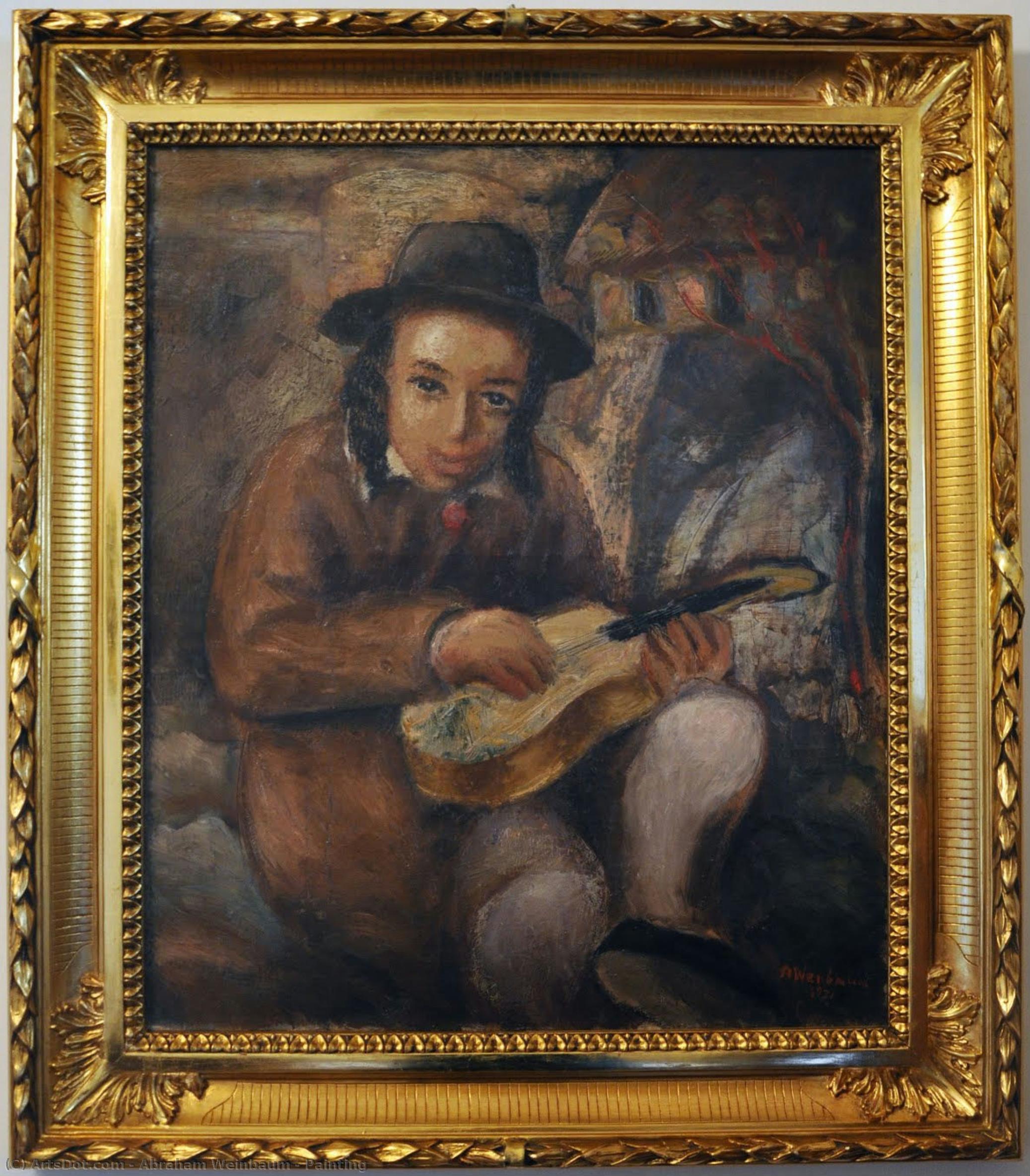
 プレビュー
プレビュー
 シェアする
シェアする シェアする
シェアする
 詳細を見る
詳細を見る

 ダウンロード
 似ている作品
 X線調査
X線調査 スライドショー
 統計情報
統計情報Painting


 詳細を見る
詳細を見る
オンラインプレビューをはるかに凌ぐ、高解像度で鮮明なデジタル画像をご購入いただけます。
各ファイルは、社内の専門家が高度なツールと熟練した手作業によるレタッチを用いて、細心の注意を払って準備されています。すべての画像において、卓越した鮮明度、正確な色彩再現性、そして繊細なディテールを保証いたします。
最終ファイルは、プロフェッショナルな編集・印刷環境ですぐにご利用いただけるよう最適化された状態で、72時間以内にメールにてお届けいたします。これは、一流のデザインスタジオ、出版社、ギャラリーから信頼されているものと同等の品質です。
デジタルアート
個人での鑑賞、印刷、クリエイティブなプロジェクト用に、高解像度ファイルをダウンロードできます。 ( プリント版に切り替え 手描きの絵画を購入)
デジタル画像のご注文に付随する特典
高品質なデジタル画像配信を、確かな品質で。
ArtsDot.com を選ぶことは、単に画像を手に入れることではありません。それは、プロの手によって精密に仕上げられ、満足保証が付いた高品質なデジタルアートワークを受け取ることを意味します。ご注文いただいた際に自動的に付随する内容は、以下の通りです:

メールですぐにお届け
ご注文から72時間以内に、高解像度のデジタル画像ファイルがメールでお手元に届きます。すぐにそのままご利用いただけます。

AI技術で最適化されたデジタルファイル
お客様の作品は、高度なAIツールと専門家による手作業の編集を組み合わせてプロフェッショナルに最適化されており、細部のディテール、鮮明さ、そして正確な色再現性を最大限に引き出しています。

一生涯無料の再送サービス
ファイルを誤って削除したり、紛失してしまったりしましたか?ご安心ください。いつでも無料で再送いたします。

輸入手数料は一切かかりません
関税や手数料、配送料を気にすることなく、お気に入りのアートワークをすぐにお楽しみいただけます。デジタルダウンロードは常に免税です。

色彩再現の保証
プロ仕様のツールとカラーマネジメント技術を用いることで、デジタル画像が元の色を最大限に忠実に再現することを保証いたします。

100日間満足保証
ご購入いただいたデジタル画像にご満足いただけない場合は、100日以内であれば、理由を問わず修正または100%の返金対応をさせていただきます。

100% 返金保証
ご満足いただけない場合は、デジタルファイルを受け取ってから100日以内であれば、理由を問わず全額返金いたします。

まとめ買い割引
3枚購入で10%OFF - 5枚購入で15%OFF - 10枚以上購入で20%OFF。クリエイティブなプロジェクト、ギャラリー、エージェンシーに最適です。
関連作品

作家の略歴
A Life Interrupted: The Poignant Art of Abraham Weinbaum
Abraham (also known as Albert) Weinbaum’s story is one etched in both artistic promise and profound tragedy, a testament to the vibrant cultural life tragically extinguished by the horrors of World War II. Born in 1890 in Kamianets-Podilskyi, Ukraine, his early life hinted at a sensitivity that would blossom into a compelling artistic voice. Though born into a family with roots in the textile industry, Weinbaum felt drawn to a more expressive path, beginning his formal training in Odessa before relocating to Kraków. It was in Kraków that he forged friendships with fellow artists like Joseph Leski, and began to absorb influences that would shape his early style. He then moved to Paris in 1910, seeking the heart of the modern art world and a deeper connection with artistic innovation.Parisian Flourishing and Artistic Development
The École de Paris welcomed Weinbaum with open arms, becoming a crucial period in his development. He quickly integrated into the Parisian Salon system, exhibiting regularly alongside other emerging talents. His work during this time reflects a blend of realism and burgeoning modernism, often depicting intimate portraits, evocative cityscapes, and tender still lifes. However, it was his exploration of Jewish life – scenes from everyday existence, biblical narratives rendered with emotional depth – that began to define his unique artistic signature. Weinbaum wasn’t merely *representing* his heritage; he was imbuing it with a personal sensibility, capturing the spirit and struggles of a community on the cusp of immense change. His participation in exhibitions like the 1922 International Exhibition in Düsseldorf further solidified his reputation, and his paintings found favor with collectors, including acquisitions by the Belgian State. This period represents not just artistic growth but also a growing recognition of Weinbaum’s ability to connect with audiences through emotionally resonant imagery.Themes of Identity and a Looming Shadow
Weinbaum's art consistently returned to themes of Jewish identity, reflecting both pride in his cultural roots and an awareness of the rising antisemitism that permeated Europe. His paintings weren’t grand historical statements but rather intimate glimpses into daily life – families gathered around tables, figures engaged in quiet contemplation, scenes from religious traditions. These works possess a poignant quality, imbued with a sense of warmth and humanity that makes them particularly affecting today. As the political climate darkened in the late 1930s and early 1940s, this focus on Jewish life took on an increasingly urgent tone. In 1940, Weinbaum fled Paris with his wife and daughter, seeking refuge in Marseille, hoping to escape the Nazi occupation. This move, however, proved tragically insufficient.Deportation and Loss: A Legacy Silenced
The arrest of Abraham Weinbaum and his family on January 22, 1943, marked a devastating turning point. Interned at Compiègne before being transferred to Drancy, they were ultimately deported on convoy number 52 on March 23, 1943, destined for the Sobibor extermination camp. There, their lives – and Weinbaum’s artistic journey – were brutally cut short. The loss of such a promising talent represents an immeasurable tragedy for the art world. While his body of work isn't extensive, it stands as a powerful testament to the vibrant Jewish culture that was so violently suppressed during the Holocaust.Historical Significance and Enduring Impact
Abraham Weinbaum’s artwork is significant not only for its artistic merit but also for what it represents: a poignant record of a life and community tragically lost. His paintings offer a glimpse into the everyday lives of European Jews on the eve of unimaginable horror, imbued with a sense of warmth, humanity, and cultural pride. Today, his work serves as a powerful reminder of the importance of remembering the victims of the Holocaust and preserving their stories for future generations. He is remembered among the artists of Montparnasse, a testament to the enduring power of art to bear witness and offer solace in the face of unspeakable tragedy. His legacy continues to inspire reflection on themes of identity, loss, and the importance of artistic expression as a form of resistance and remembrance.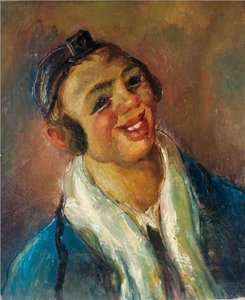
abraham weinbaum
1890 - 1943 , Ukraine
プロフィール概要
- Artistic Movement Or Style: École de Paris
- Artists Who Influenced This Artist: ['Joseph Pankiewicz']
- Date Of Birth: 1890
- Date Of Death: 1943
- Full Name: Abraham Weinbaum
- Nationality: Polish
- Notable Artworks: ['Jewish Painter life']
- Place Of Birth: Kamianets-Podilskyi, Ukraine