

 プレビュー
プレビュー
 プリントを購入
 シェアする
シェアする シェアする
シェアする
 詳細を見る
詳細を見る

 ダウンロード
 似ている作品
 X線調査
X線調査 スライドショー
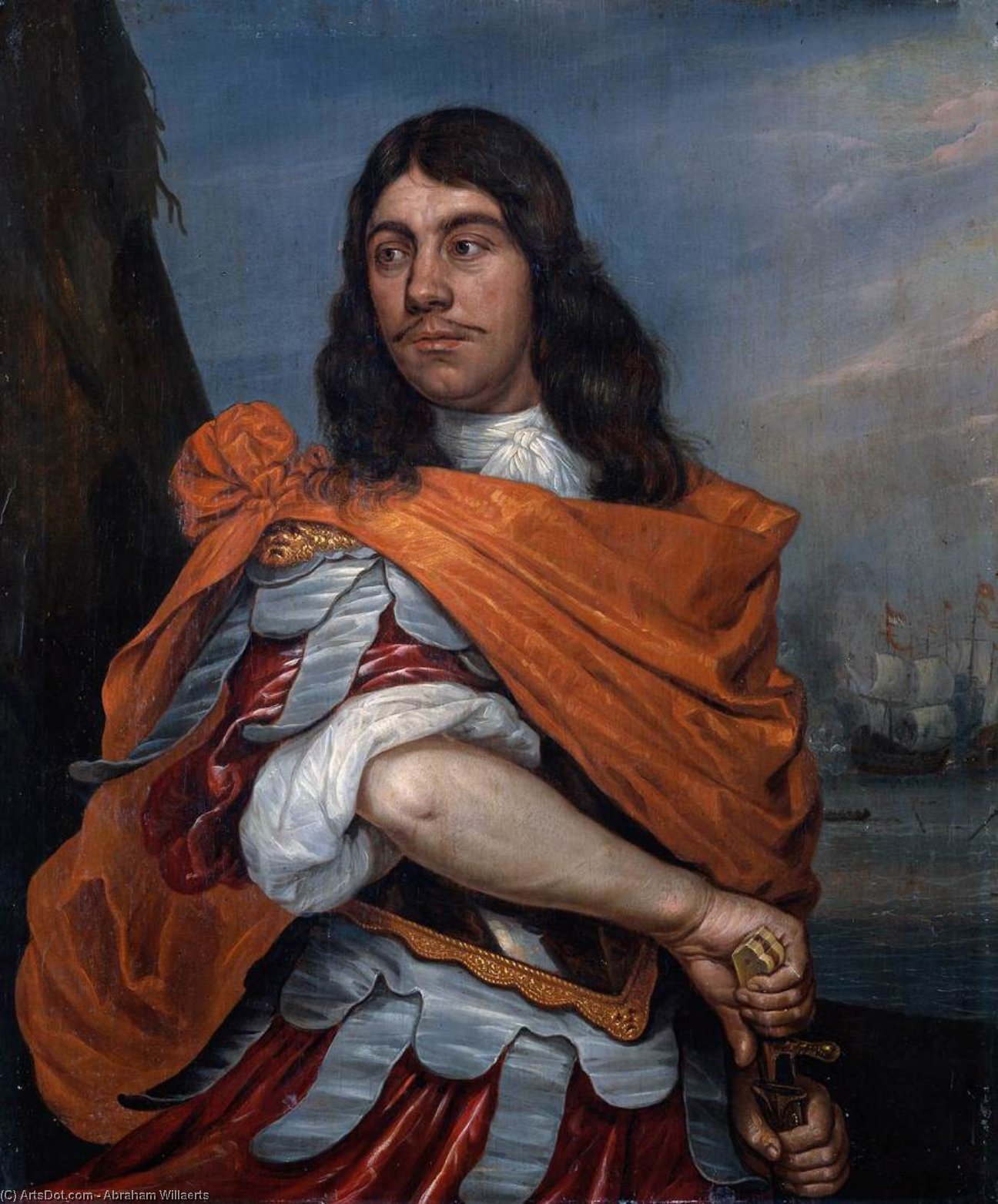
Cornelis Tromp in Roman Costume
 Oil On Canvas
- WallArt
- Baroque
 1673
1673 40.0 x 33.0 cm
 国立美術館 (Rijksmuseum)
 詳細を見る
詳細を見る
オンラインプレビューをはるかに凌ぐ、高解像度で鮮明なデジタル画像をご購入いただけます。
各ファイルは、社内の専門家が高度なツールと熟練した手作業によるレタッチを用いて、細心の注意を払って準備されています。すべての画像において、卓越した鮮明度、正確な色彩再現性、そして繊細なディテールを保証いたします。
最終ファイルは、プロフェッショナルな編集・印刷環境ですぐにご利用いただけるよう最適化された状態で、72時間以内にメールにてお届けいたします。これは、一流のデザインスタジオ、出版社、ギャラリーから信頼されているものと同等の品質です。
デジタル画像のご注文に付随する特典
高品質なデジタル画像配信を、確かな品質で。
ArtsDot.com を選ぶことは、単に画像を手に入れることではありません。それは、プロの手によって精密に仕上げられ、満足保証が付いた高品質なデジタルアートワークを受け取ることを意味します。ご注文いただいた際に自動的に付随する内容は、以下の通りです:

メールですぐにお届け
ご注文から72時間以内に、高解像度のデジタル画像ファイルがメールでお手元に届きます。すぐにそのままご利用いただけます。

AI技術で最適化されたデジタルファイル
お客様の作品は、高度なAIツールと専門家による手作業の編集を組み合わせてプロフェッショナルに最適化されており、細部のディテール、鮮明さ、そして正確な色再現性を最大限に引き出しています。

一生涯無料の再送サービス
ファイルを誤って削除したり、紛失してしまったりしましたか?ご安心ください。いつでも無料で再送いたします。

輸入手数料は一切かかりません
関税や手数料、配送料を気にすることなく、お気に入りのアートワークをすぐにお楽しみいただけます。デジタルダウンロードは常に免税です。

色彩再現の保証
プロ仕様のツールとカラーマネジメント技術を用いることで、デジタル画像が元の色を最大限に忠実に再現することを保証いたします。

60日間満足保証
ご購入いただいたデジタル画像にご満足いただけない場合は、60日以内であれば、修正または100%の返金(理由を問う必要はありません)をさせていただきます。

100% 返金保証
ご満足いただけない場合は、デジタルファイルを受け取ってから60日以内であれば、理由を問わず全額返金いたします。

まとめ買い割引
3枚購入で10%OFF - 5枚購入で15%OFF - 10枚以上購入で20%OFF。クリエイティブなプロジェクト、ギャラリー、エージェンシーに最適です。
関連作品

作家の略歴
Santi di Tito: A Counterpoint to Mannerism
Santi di Tito (1536-1603) emerges from the vibrant, often turbulent, artistic landscape of 16th-century Italy as a pivotal figure bridging the late Mannerist period and the nascent Baroque. Born in Sansepolcro, a small town in Umbria, Santi’s career unfolded primarily in Rome and Florence, where he developed a distinctive style that challenged prevailing trends while simultaneously absorbing their influence. Unlike many of his contemporaries who embraced the elaborate, often theatrical, excesses of Mannerism – exemplified by artists like Bronzino – Santi sought a more restrained, classical approach, earning him the moniker “Counter-Maniera.” His work represents a crucial transitional phase, demonstrating a desire for clarity, naturalism, and a renewed engagement with ancient ideals.Early Influences and Roman Apprenticeship
The precise details of Santi’s early artistic training remain somewhat elusive, shrouded in the gaps of historical documentation. While speculation persists regarding possible mentorships under Bronzino or Baccio Bandinelli, concrete evidence is scarce. What *is* known is that he spent a significant period working in Rome between 1558 and 1564, contributing to monumental frescoes within Palazzo Salviati and the Sala Grande of the Belvedere at the Vatican – a space already graced by the masterful works of Giovanni de’ Vecchi and Niccolò Circignani. These collaborations exposed Santi to the complex interplay of styles prevalent in Rome at the time, including the highly polished Mannerism championed by Federico Zuccari and Taddeo Zuccari. However, it was within this environment that Santi began to forge his own path, demonstrating a keen eye for classical form and composition, qualities he would later emphasize. The *Homage of the People* fresco, alongside de’ Vecchi and Circignani, showcases this early development – a complex scene rendered with a remarkable degree of clarity and spatial organization, hinting at Santi's future ambitions.The Studiolo of Francesco I: A Defining Period
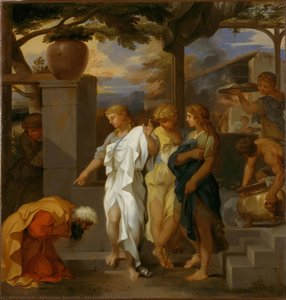
Santi’s most celebrated works—the *Sisters of Fetonte* and *Hercules and Iole*, housed within the *Studiolo* (a private study) of Francesco I, Duke of Florence – represent a watershed moment in his career. Commissioned between 1564 and 1568, these paintings exemplify his “Counter-Maniera” style. Departing dramatically from the dense, crowded compositions favored by his Mannerist predecessors, Santi created scenes characterized by spaciousness, balanced arrangements, and a subtle use of color. The figures are rendered with an almost sculptural quality, their forms defined by clear outlines and a sense of independent movement. The influence of Raphael is undeniable, yet Santi tempered this inspiration with a greater emphasis on naturalism and a rejection of the overly decorative elements that characterized much Mannerist art. Giorgio Vasari, the renowned art historian, recognized Santi’s innovative approach, noting his deliberate departure from the prevailing *maniera* of Bronzino and his embrace of a “reformist” style rooted in classical ideals.Florence and the Counter-Reformation
Following his return to Florence, Santi continued to refine his artistic vision, producing altarpieces for Santa Croce and contributing significantly to the decoration of Palazzo Vecchio. His *Resurrection of Lazarus* and *Supper at Emmaus*, both commissioned for the church of Santa Croce, demonstrate a shift towards greater emotional intensity and dramatic narrative. These works reflect the broader cultural context of Florence during the Counter-Reformation – a period marked by religious fervor and a renewed interest in classical art as a means of conveying moral and spiritual truths. Santi’s paintings are not overtly propagandistic, but they possess a solemnity and dignity that align with the Church's desire to restore its authority and influence.Legacy and Significance
Santi di Tito’s legacy lies in his pivotal role as a bridge between Mannerism and the Baroque. He demonstrated that it was possible to retain classical principles of composition and form while simultaneously embracing greater naturalism and emotional depth. His “Counter-Maniera” style, characterized by its clarity, spaciousness, and balanced arrangements, exerted a profound influence on subsequent generations of Italian painters. While his career was marked by financial struggles and relative obscurity during his lifetime, Santi’s work has since been recognized as a masterpiece of the late 16th century – a testament to his artistic vision and enduring contribution to the development of Western art. His paintings offer a compelling glimpse into a period of profound transformation, reflecting both the anxieties and aspirations of a society grappling with religious change and the rediscovery of classical antiquity.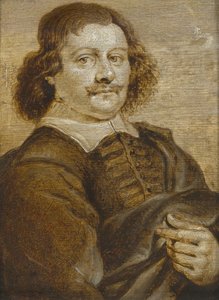
abraham willaerts
1603 - 1669 , Netherlands
プロフィール概要
- Artistic Movement Or Style: Dutch Landscape Painting
- Artists Or Movements Influenced By This Artist:
- Terborch
- Metsu
- Artists Who Influenced This Artist: ['Rafel and Jochem Camphuysen']
- Date Of Birth: 1603/1604
- Date Of Death: 1677
- Full Name: Aert van der Neer
- Nationality: Dutch
- Notable Artworks:
- Moonlit Landscape
- Winter in Holland
- Place Of Birth: Amsterdam, Netherlands

