

 プレビュー
プレビュー
 シェアする
シェアする シェアする
シェアする
 詳細を見る
詳細を見る

 ダウンロード
 似ている作品
 X線調査
X線調査 スライドショー
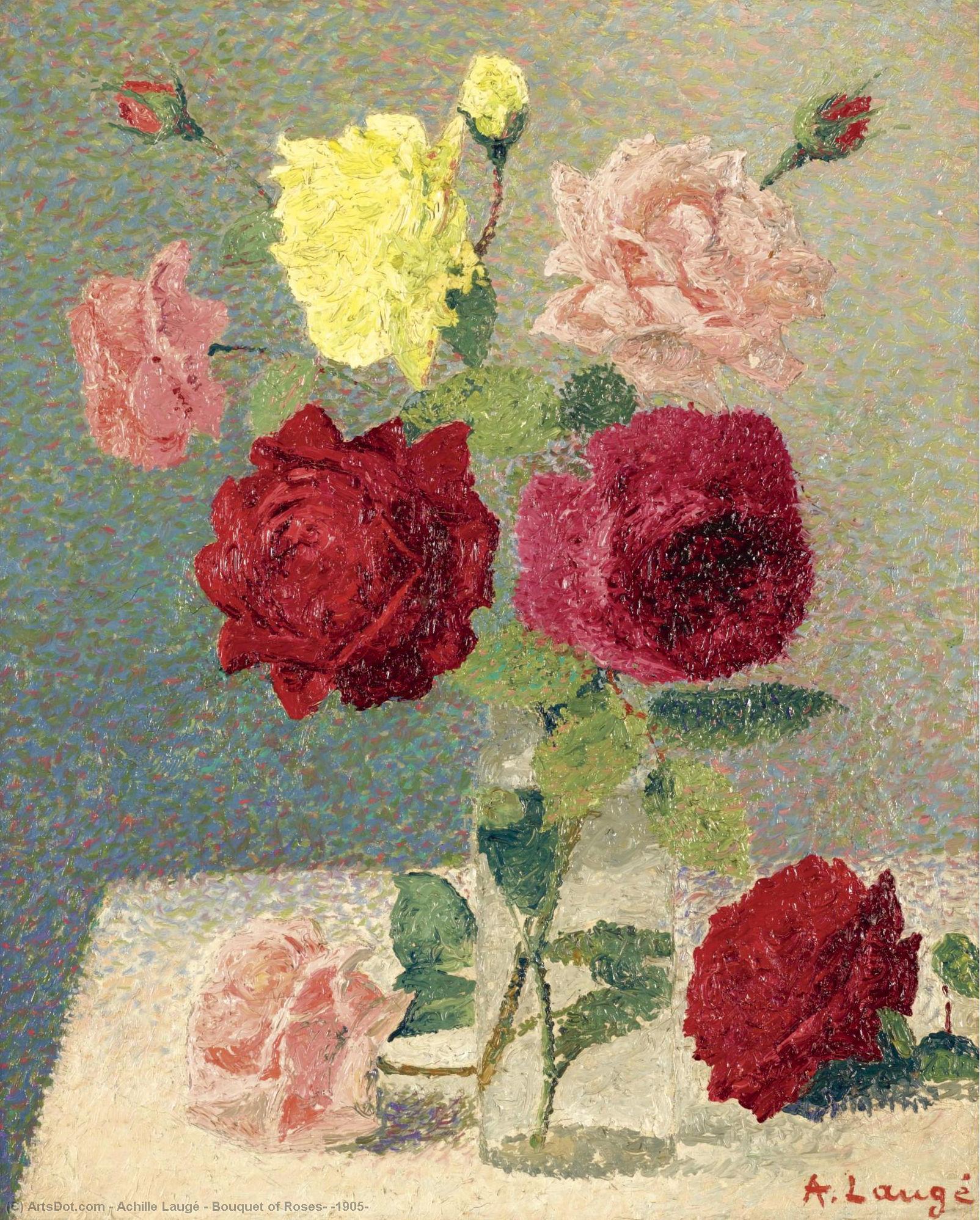
Bouquet of Roses, (1905)
 詳細を見る
詳細を見る
ジークレー/アートプリント
迅速な制作と多彩な仕上げオプションを備えた、ミュージアムクオリティのジークレーまたはキャンバスプリント。 ( 手描きの絵画を購入 画像を購入)




































作品のオリジナル比率に合わせた、当店の規定サイズからお選びください。

特定のフレームやスペースに合わせて、ご自身でサイズを指定することも可能です。選択されたサイズが元の画像の比率と一致しない場合、作品をトリミングするか、鏡面反射または単色での塗りつぶしによって画像を拡張いたします。制作を開始する前に、ご確認用のデジタルモックアップをお送りいたします。
画面上のプレビューには、実際のトリミングや拡張は反映されませんのでご注意ください。最終的な構図を正確に確認できるのは、モックアップのみとなります。
カスタムサイズも承っておりますが、元の比率を維持するためには、あらかじめ用意されたリストからサイズを選択することをお勧めいたします。


 ガラスオプションは、110cm未満のサイズでのみご利用いただけます。

Bouquet of Roses, (1905)
ジークレー/アートプリント
複製画のサイズ
-


合計金額
$ 62
関連作品
アーティストの略歴
A Painter of Provençal Light: The Life and Art of Achille Lauge
Achille Lauge, born in 1861, was a French artist deeply connected to the landscapes of Provence. While not as widely celebrated as some of his Impressionist contemporaries, Lauge carved out a distinctive niche for himself with his sensitive depictions of the southern French countryside, particularly renowned for his almond blossom scenes and evocative rural vistas. His life, though relatively undocumented in grand biographical detail, was one dedicated to capturing the fleeting beauty of nature and the quiet rhythms of provincial life. He spent much of his career painting *en plein air*, immersing himself in the very environments he sought to portray on canvas. This dedication resulted in a body of work that offers a poignant glimpse into a specific time and place – a Provence largely untouched by the rapid industrialization sweeping across Europe during his lifetime. Lauge’s paintings are not merely representations of scenery; they are imbued with an emotional resonance, a sense of peace and tranquility that speaks to a deep appreciation for the natural world. He passed away in 1944, leaving behind a legacy of works that continue to charm and inspire those who seek solace in the beauty of the French landscape.Early Influences and Artistic Development
The artistic influences on Achille Lauge are somewhat difficult to pinpoint with absolute certainty, as detailed records from his formative years remain scarce. However, it’s clear that he was deeply affected by the prevailing artistic currents of late 19th-century France. The Barbizon school, with its emphasis on direct observation and realistic depictions of nature, undoubtedly played a role in shaping his early style. Artists like Camille Corot and Jean-François Millet, who focused on rural life and landscapes, likely served as inspiration for Lauge’s subject matter and approach to painting. The burgeoning Impressionist movement also left its mark, though Lauge never fully embraced the radical techniques of Monet or Renoir. Instead, he developed a more restrained and lyrical style, characterized by soft brushwork, subtle color palettes, and a focus on atmospheric effects. His early works often feature darker tones and a greater emphasis on detail, gradually evolving towards the brighter, more luminous paintings that would become his signature style. He wasn’t interested in capturing the *moment* as much as he was in conveying the *feeling* of a place – the warmth of the sun, the scent of blossoms, the stillness of the countryside.Themes and Motifs: Provence as Muse
Provence became not just Lauge’s home but his enduring muse. His paintings are overwhelmingly focused on the landscapes, villages, and rural scenes of this region in southern France. He was particularly drawn to the almond blossoms that blanketed the countryside each spring, transforming orchards into seas of white and pink. These blossoms appear repeatedly throughout his oeuvre, becoming a symbol of renewal, hope, and the ephemeral beauty of nature. Beyond the almond blossoms, Lauge frequently depicted winding roads leading through sun-drenched fields, rustic farmhouses nestled amongst rolling hills, and picturesque villages bathed in golden light. These are not grand, dramatic landscapes, but rather intimate glimpses into everyday life – a farmer tending his fields, children playing by the roadside, a cart laden with produce making its way to market. He also painted scenes of coastal Provence, capturing the rugged beauty of the Mediterranean coastline and the vibrant colors of the sea. His work offers a valuable record of rural life in Provence during a period of significant change, preserving a sense of authenticity and tranquility that is often missing from more ambitious or overtly stylized depictions of the region.Technique and Style: A Lyrical Approach to Landscape
Achille Lauge’s technique was characterized by a delicate touch and a subtle use of color. He typically worked in oil on canvas, employing soft brushwork to create a sense of atmosphere and luminosity. Unlike the broken brushstrokes favored by many Impressionists, Lauge preferred to blend his colors more smoothly, creating a softer, more diffused effect. His palette was generally restrained, dominated by warm earth tones, muted greens, and delicate shades of pink and blue. He masterfully captured the quality of light in Provence, conveying the warmth of the sun and the subtle variations in color throughout the day. He wasn’t interested in precise detail or photographic realism; instead, he sought to capture the *essence* of a scene – its mood, its atmosphere, its emotional resonance. His paintings often have a slightly hazy quality, as if viewed through a dreamlike filter. This lyrical approach to landscape sets him apart from his contemporaries and contributes to the unique charm and appeal of his work.- Emphasis on *plein air* painting.
- Soft brushwork and blended colors.
- Restrained palette with warm earth tones.
- Focus on atmospheric effects and light.
Historical Significance and Legacy
While Achille Lauge may not be a household name, his work holds significant historical value as a document of rural life in Provence during the late 19th and early 20th centuries. His paintings offer a glimpse into a way of life that was rapidly disappearing – a world of small farms, traditional villages, and close-knit communities. He provides an important counterpoint to more industrialized or urbanized depictions of France during this period. Today, his work is appreciated for its quiet beauty, its emotional resonance, and its sensitive portrayal of the natural world. His paintings are held in private collections around the world and continue to be exhibited in galleries and museums. Although he didn’t actively seek fame or recognition, Achille Lauge left behind a lasting legacy as a painter who captured the soul of Provence with grace, skill, and unwavering dedication. His art serves as a reminder of the enduring power of nature and the importance of preserving the beauty of our surroundings for future generations.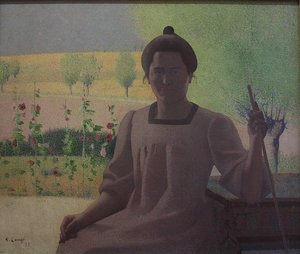
achille laugé
1861 - 1944
基本情報
- Artistic Movement Or Style: Neo-Impressionism
- Artists Or Movements Influenced By This Artist: ['Pointillism']
- Artists Who Influenced This Artist:
- Seurat
- Maillol
- Date Of Birth: April 29, 1861
- Date Of Death: June 2, 1944
- Full Name: Achille Laugé
- Nationality: French
- Notable Artworks:
- The Road near Genets
- The Road of Cailhau
- Almond Trees Blooming
- Place Of Birth: Arzens, France

