

 プレビュー
プレビュー
 シェアする
シェアする シェアする
シェアする
 詳細を見る
詳細を見る

 ダウンロード
 似ている作品
 X線調査
X線調査 スライドショー
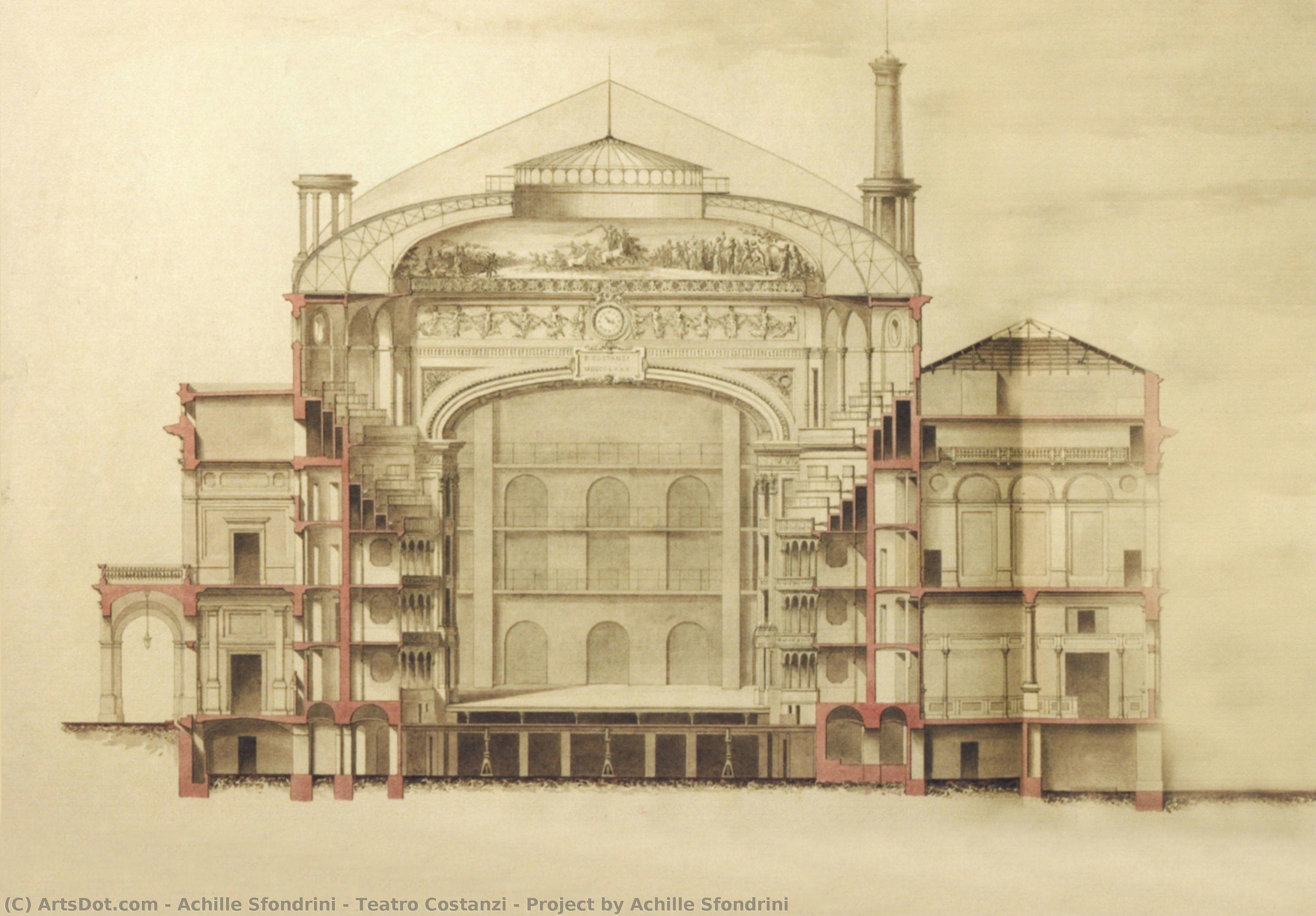
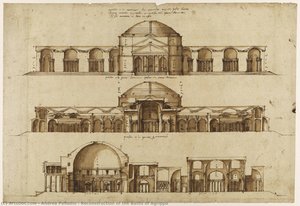
Teatro Costanzi - Project by Achille Sfondrini


 詳細を見る
詳細を見る
ジークレー/アートプリント
迅速な制作と多彩な仕上げオプションを備えた、ミュージアムクオリティのジークレーまたはキャンバスプリント。 ( 手描きの絵画を購入 画像を購入)




































作品のオリジナル比率に合わせた、当店の規定サイズからお選びください。

特定のフレームやスペースに合わせて、ご自身でサイズを指定することも可能です。選択されたサイズが元の画像の比率と一致しない場合、作品をトリミングするか、鏡面反射または単色での塗りつぶしによって画像を拡張いたします。制作を開始する前に、ご確認用のデジタルモックアップをお送りいたします。
画面上のプレビューには、実際のトリミングや拡張は反映されませんのでご注意ください。最終的な構図を正確に確認できるのは、モックアップのみとなります。
カスタムサイズも承っておりますが、元の比率を維持するためには、あらかじめ用意されたリストからサイズを選択することをお勧めいたします。


 ガラスオプションは、110cm未満のサイズでのみご利用いただけます。

Teatro Costanzi - Project by Achille Sfondrini
ジークレー/アートプリント
複製画のサイズ
-


合計金額
$ 62
関連作品






アーティストの略歴
A Life Dedicated to the Stage: The Architectural Vision of Achille Sfondrini
Achille Sfondrini, born in Milan in 1836 and passing away in 1900, was more than simply an architect; he was a sculptor of spaces dedicated to performance, a master builder who breathed new life into the Italian theater landscape. His story is one woven with ambition, meticulous planning, and a deep understanding of how architecture could enhance—and even define—the dramatic experience. Sfondrini’s early life in Milan, a city pulsing with both Austrian governance and the burgeoning spirit of the Risorgimento, undoubtedly shaped his sensibilities. He wasn't born into privilege; his father was a grocer, grounding him in the practical realities of urban life while simultaneously exposing him to the vibrant cultural currents flowing through the Lombard capital. This blend of pragmatism and artistic awareness would become a hallmark of his career. After completing his studies as an architectural engineer at a Milanese university, Sfondrini quickly distinguished himself with projects demonstrating both ingenuity and a keen eye for economic viability—a gold medal in 1862 for a development plan for the Tiri a Segno being an early testament to his talent.Early Projects and Rising Recognition
The initial years of Sfondrini’s career were marked by a series of competitions and awards that steadily built his reputation. He wasn't content with merely constructing buildings; he sought to improve existing spaces, modernize them for evolving audiences and theatrical demands. In 1863, he participated in an Italian deputation to the Gran Tiro Federale della Chaux de Fonds, broadening his professional network and exposure to different architectural approaches. The award of the Cross of the Order of Saints Maurice and Lazarus from King Vittorio Emanuele II in 1864 for the Gran Tiro Nazionale project signaled royal recognition—a significant boost for a young architect striving to establish himself. These early successes weren’t isolated incidents; they were stepping stones leading him towards larger, more ambitious endeavors. He began taking on projects that showcased his versatility, designing and building structures like the National Baths in Milan (1869) and the Teatro Sociale in Salò (1873). Crucially, he also demonstrated a talent for restoration, rebuilding the Teatro Carcano in Milan in 1872—a project that would prove pivotal in solidifying his expertise in theatrical architecture.The Masterwork: Reconstructing the Teatro Costanzi
While Sfondrini’s portfolio was already impressive by the late 1870s, it was the commission to reconstruct the Teatro Costanzi in Rome that truly cemented his legacy. Domenico Costanzi envisioned a grand opera house worthy of the Italian capital, and he entrusted Sfondrini with bringing that vision to life. The project, initiated in 1879, was an immense undertaking—a complete overhaul of an existing structure demanding not only architectural skill but also logistical prowess. Completed in just eighteen months and inaugurated on November 27, 1880, with a performance of Rossini’s *Semiramide*, the rebuilt Teatro Costanzi was immediately lauded for its neoclassical design and, most importantly, its exceptional acoustics. Sfondrini didn't simply rebuild; he reimagined the space, creating three rows of box seats that maximized sightlines and intimacy while ensuring every member of the audience enjoyed a superior auditory experience. The theater quickly became a cultural hub, hosting premieres of iconic operas like Puccini’s *Tosca* and Mascagni’s *Cavalleria rusticana*, becoming what is now known as Teatro dell'Opera di Roma. However, the project wasn’t without its challenges; Sfondrini faced financial overruns, a testament to his commitment to quality and detail even in the face of budgetary constraints.A Legacy Forged in Stone and Sound
Achille Sfondrini’s influence extends far beyond the Teatro Costanzi, though that remains his most celebrated achievement. He wasn't merely an architect who followed trends; he was a pioneer who understood the symbiotic relationship between architecture and performance. His work modernized Italian theaters, transforming them into spaces that were both aesthetically pleasing and functionally superior.- Teatro Carcano (Milan, 1872): A crucial early restoration project demonstrating his expertise in theatrical design.
- Teatro Sociale (Salò, 1873): Showcased his ability to create elegant and functional performance spaces.
- Teatro Costanzi/Teatro dell'Opera di Roma (Rome, 1880): His masterpiece, renowned for its acoustics and neoclassical design.
- Other Notable Works: Teatro Fraschini in Pavia (rebuilt 1878), Teatro Lirico in Milan, and Teatro Verdi in Padova all bear his distinctive touch.
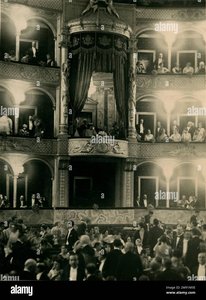
achille sfondrini
1836 - 1900 , Italy
基本情報
- Artistic Movement Or Style: Neoclassical architecture
- Date Of Birth: 1836
- Date Of Death: 1900
- Full Name: Achille Sfondrini
- Nationality: Italian
- Notable Artworks:
- Teatro Costanzi
- Teatro Carcano
- Teatro Sociale
- Place Of Birth: Milan, Italy

