

 プレビュー
プレビュー
 プリントを購入
 シェアする
シェアする シェアする
シェアする
 詳細を見る
詳細を見る

 ダウンロード
 似ている作品
 X線調査
X線調査 スライドショー
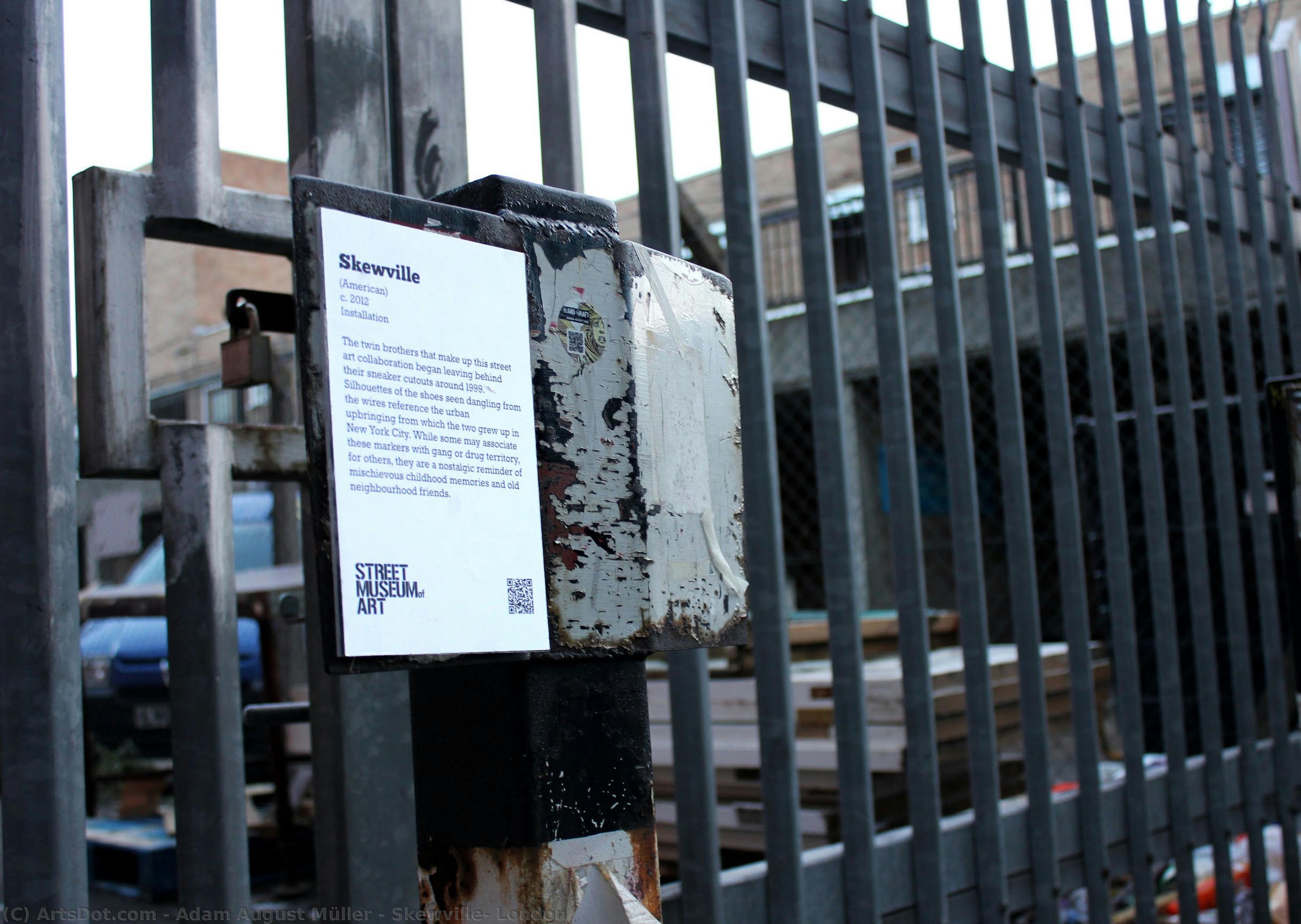
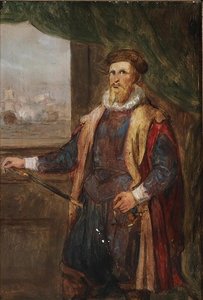
Skewville, London

 詳細を見る
詳細を見る




































作品のオリジナル比率に合わせた、当店の規定サイズからお選びください。

特定のフレームやスペースに合わせて、ご希望のサイズをご入力いただけます。選択されたサイズが元の画像の比率と異なる場合、アートワークをトリミングするか、手描きで要素を追加して絵画を拡張いたします。デジタルモックアップ を制作し、制作開始前にご確認(承認)をいただきます。
画面上のプレビューは、実際のトリミングや拡張を正確に反映しているものではありません。最終的な構図は、モックアップによってのみ正確にご確認いただけます。
カスタムサイズもご利用いただけますが、元の比率を維持するためには、あらかじめ用意されたリストからサイズを選択することをお勧めいたします。
ご注文後、ArtsDot.com チームより詳細な指示をお送りするとともに、仕上がりイメージ(モックアップ)をご提供いたします。


 ガラスオプションは、110cm未満のサイズでのみご利用いただけます。

Skewville, London
複製技法
複製画のサイズ
-


合計金額
$ 263







アーティストの略歴
A Visionary of the Danish Golden Age
The history of the Danish Golden Age is often told through the lens of serene landscapes and intimate genre scenes, yet within this era lived a spirit far more dramatic and profound. Adam August Müller (1811–1844) was an artist whose brief, thirty-two-year life burned with the intensity of a short-lived flame. Born in Copenhagen into a family of intellectual and ecclesiastical distinction—the son of the prominent Bishop Peter Erasmus Müller—Müller was destined for a life of deep contemplation. While his contemporaries often sought the quiet charm of the Danish countryside, Müller turned his gaze toward the monumental, aspiring to the lofty heights of history painting. His career, though tragically truncated by illness, remains a vital chapter in Scandinavian art, representing a bridge between Northern precision and the emotive grandeur of the Southern Renaissance.
Müller’s artistic journey began under the watchful eye of Christoffer Wilhelm Eckersberg, the "Father of Danish Painting." Entering the Royal Danish Academy of Fine Arts in 1825, Müller became one of Eckersberg’s most cherished pupils. From his mentor, he inherited a rigorous commitment to meticulous observation and a belief that art should serve as a vessel for moral truth. However, where Eckersberg often found beauty in the clarity of light and the simplicity of form, Müller sought to infuse his work with a more turbulent, Romantic energy. He joined the Model School in 1828, refining a technique that balanced the disciplined anatomical accuracy taught at the Academy with an emerging desire to capture the raw essence of human emotion and spiritual narrative.
The Italian Influence and the Pursuit of Grandeur
The trajectory of Müller’s development was irrevocly altered by his encounter with the traditions of the South. Though his path to Italy was fraught with the physical frailty that would eventually claim his life, his travels through Munich and eventually into the heart of Italy provided him with a new visual vocabulary. It was here that he moved away from the restrained aesthetics of the North and began to embrace the dramatic chiaroscuro reminiscent of Caravaggio. His studies of Florentine painting encouraged a profound shift in his approach to religious subjects, leading him to adopt an older, more classical Italian style characterized by weight, shadow, and theatricality.
This period of exploration culminated in some of his most significant achievements, marking him as a rising star of the Danish art scene. His talent was formally recognized through prestigious accolades, including:
- The Silver Medal (1833): Awarded by the Royal Danish Academy, signaling his mastery of form and composition.
- The Gold Medal (1836): A testament to his growing reputation as one of Denmark's most promising historical painters.
- The Thorvaldsen Medal: Earned for his masterpiece "Christ Blesses the Four Evangelists" (1843), a work that synthesized his academic training with his newfound passion for Italianate drama.
A Legacy Interrupted
Despite the brilliance of his ascent, Müller’s life was defined by a persistent struggle with ill health. His journey to Italy was marked by bouts of sickness, and upon his return to Copenhagen, his physical decline became irreversible. He died in 1844, leaving behind a collection of works that feel like fragments of a much larger, unfinished epic. Because he focused on history and religious themes—genres that were notoriously difficult to sustain within the smaller Danish market—much of his potential remained locked within unfinished commissions.
Yet, the historical significance of Adam August Müller transcends the tragedy of his early death. He challenged the boundaries of the Danish Golden Age, proving that the movement could encompass not just the observation of the everyday, but the exploration of the eternal. Through his use of light and shadow, and his dedication to the monumental, he brought a sense of cosmic scale to Danish painting. Today, his work stands as a poignant reminder of a visionary who sought to elevate the human spirit through the grandest possible canvas, leaving an indelible mark on the soul of Scandinavian art history.
adam august müller
1811 - 1844 , Denmark
基本情報
- Artistic Movement Or Style: Historical Painting
- Artists Or Movements Influenced By This Artist: August Bournonville
- Artists Who Influenced This Artist: Christoffer Wilhelm Eckersberg
- Date Of Birth: August 16, 1811
- Date Of Death: March 15, 1844
- Full Name: Adam August Müller
- Nationality: Danish
- Notable Artworks:
- The Hall of Antiquities at Charlottenborg Palace
- Skewville
- Place Of Birth: Copenhagen, Denmark