

 プレビュー
プレビュー
 シェアする
シェアする シェアする
シェアする
 詳細を見る
詳細を見る

 ダウンロード
 似ている作品
 X線調査
X線調査 スライドショー
 統計情報
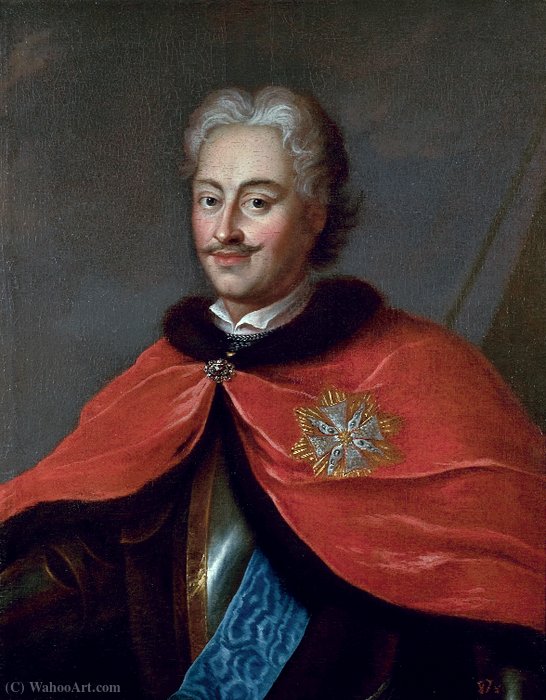
統計情報Portrait of Stanisław Ernest Denhoff

 詳細を見る
詳細を見る
手描き油彩複製画
当社のアーティストが、お客様のご希望のサイズと額縁に合わせて、キャンバスに手描きで制作する油彩画です。 ( プリント版に切り替え デジタル画像販売へ切り替え)




P118B $10

P118H $10

P118W $10

P438Z $10

P508JH $12

P508YH $12

P805H $10

P805Z $10

P919BZ $10

P919G $10

P919XJ $10

P959ZH $10

P968JZ $12

W106C $8

W218G $10

W218JH $8

W218Y $10

W307PJ $10

W316G $10

W316PJ $8

W316Y $10

W398PJ $8

W4111J $10

W500HY $15

W500JH $15

W692G $12

W849H $8

W940BG $15

W953PJ $8




作品のオリジナル比率に合わせた、当店の規定サイズからお選びください。

特定のフレームやスペースに合わせて、ご希望のサイズをご入力いただけます。選択されたサイズが元の画像の比率と異なる場合、アートワークをトリミングするか、手描きで要素を追加して絵画を拡張いたします。デジタルモックアップ を制作し、制作開始前にご確認(承認)をいただきます。
画面上のプレビューは、実際のトリミングや拡張を正確に反映しているものではありません。最終的な構図は、モックアップによってのみ正確にご確認いただけます。
カスタムサイズもご利用いただけますが、元の比率を維持するためには、あらかじめ用意されたリストからサイズを選択することをお勧めいたします。
ご注文後、ArtsDot.com チームより詳細な指示をお送りするとともに、仕上がりイメージ(モックアップ)をご提供いたします。


 ガラスオプションは、110cm未満のサイズでのみご利用いただけます。

Portrait of Stanisław Ernest Denhoff
複製技法
複製画のサイズ
-


合計金額
$ 263
関連作品
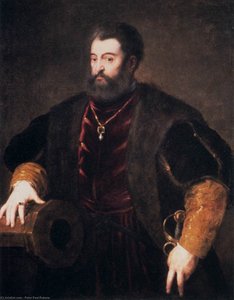
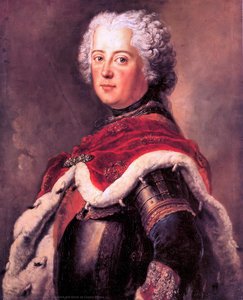
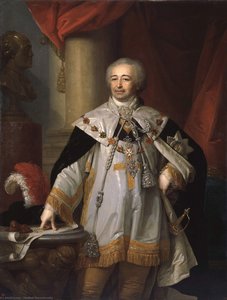
アーティストの略歴
The Luminous Legacy of Ádám Mányoki
In the grand tapestry of the European Baroque, few threads are as intricately woven or as emotionally resonant as those spun by Ádám Mányoki. Born in 1673 in the modest village of Szokolya, Hungary, Mányoki’s journey from the son of a struggling Protestant pastor to a celebrated court painter is a testament to the transformative power of raw talent. His early years were defined by the quiet hardships of a rural parish, yet his destiny was redirected by the intervention of Dölfer, a German officer who recognized the boy's burgeoning genius. This pivotal mentorship provided Mányoki with an education that would eventually carry him across the most vibrant artistic hubs of Europe, from the scholarly halls of Lüneburg and Hamburg to the sophisticated ateliers of Hanover and Paris.
The evolution of Mányoki’s style was a continuous dialogue with the masters of his era. In Paris, under the guidance of Nicolas de Largillière, he absorbed the elegance and fluid grace characteristic of the French Baroque, learning to infuse his subjects with a sense of aristocratic poise. This was further enriched by his immersion in the Dutch Republic, where the mastery of light and shadow—the very essence of the Dutch tradition—deepened his ability to capture the psychological nuances of the human face. His work became a sophisticated synthesis of these diverse influences: the structural grandeur of German training, the refined elegance of French portraiture, and the atmospheric depth of the Netherlands.
A Wanderer Through Royal Courts
Mányoki’s career was as much a geographical odyssey as an artistic one, marked by his service to some of the most powerful figures in 18th-century Europe. His arrival in Berlin in 1703 secured him a prestigious position as a court painter for King Frederick William I of Prussia, a role that demanded both technical precision and the ability to convey royal dignity. However, his spirit remained restless and nomadic. In 1707, he entered the service of Francis II Rákóczi, following the Prince into Poland. This period of wandering brought him into contact with the Polish elite, leading to significant commissions, including a notable portrait of King Augustus II.
As his reputation grew, so did the breadth of his patronage. His travels took him through Prague and Vienna, where he captured the likenesses of Emperor Charles VI and the young archduchesses Maria Theresa and Maria Anna. Each new court offered a fresh canvas for his developing mastery of the portrait genre. Whether painting the high nobility of Hungary or the monarchs of Poland and Prussia, Mányoki possessed a singular ability to render not just the physical likeness, but the very gravitas and inner character of his sitters. His later years in Dresden and Leipzig saw him serving Augustus III of Poland, further cementing his status as one of the most significant portraitists of his age.
The Twilight of a Master
Despite the heights of his professional success, the final chapters of Mányoki’s life were marked by a poignant irony. The man who had captured the splendor of kings ended his days in the shadows of poverty and personal struggle. After resigning from his court position in 1753 due to unpaid salaries—a common grievance among artists of the era—he succumbed to the distractions of alchemy, a pursuit that famously drained his remaining wealth. He passed away in Dresden in 1757, an impoverished figure whose death required the charity of friends.
Yet, the historical significance of Ádám Mányoki remains undiminished by his personal decline. His contribution to the Baroque tradition lies in his ability to bridge regional styles into a cohesive, international language of portraiture. He remains a vital figure in Hungarian art history, representing a period when Central European artists moved seamlessly between the cultural epicenters of Europe. Today, his works serve as windows into the 18th century, offering us more than mere likenesses; they offer an enduring glimpse into the light, shadow, and soul of a bygone era.
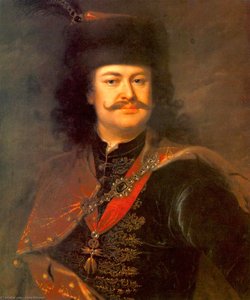
ádám mányoki
1673 - 1757
基本情報
- Artistic Movement Or Style: Baroque Painting
- Artists Or Movements Influenced By This Artist: ['Nicolas de Largillière']
- Artists Who Influenced This Artist: ['Andreas Scheits']
- Date Of Death: 1757
- Full Name: Ádám Mányoki
- Nationality: Hungarian
- Notable Artworks:
- Portrait of Jan Szembek.
- Portrait of Adam Mányoki
- Place Of Birth: Szokolya, Hungary
関連記事

Crimson Threads of Narrative: Exploring Symbolism & Representation in Artworks Featuring the Red Dress
Explore the rich symbolism of the red dress in art history! From ancient power displays to iconic portraits like Cézanne’s 'Madame Cezanne', discover the cultural and artistic significance behind this captivating color. Expert analysis & insights.

The Dramatic Flourish: Exploring the Baroque Movement's Enduring Legacy in Art History
Explore the dramatic world of Baroque art! Discover iconic artists like Caravaggio & Rubens, defining techniques, and its lasting impact on art history. Expert insights for collectors & enthusiasts at ArtsDot.

バロックのドラマ:現代のインテリアに壮麗さと情感を取り込む
バロック様式の歴史、絵画、家具の魅力をご紹介。ArtsDotでは、高品質な油絵複製やカスタムポートレートをご提供し、現代のインテリアに壮麗さと情感を取り入れます。アートコンサルテーションも承ります。

バロック美術を極めた至宝:時代を彩る10大名作の世界
バロック美術の華!カラヴァッジョ、ベルニーニら巨匠が創り上げた10大名作を徹底解剖。ドラマチックな色彩と豪華絢爛の世界観に触れ、至宝のアートプリントで空間を彩ろう。ArtsDot.comで美術館品質の複製と洗練されたインテリアを見つけましょう!
Decoding Baroque Grandeur: A Guide to the Drama and Emotion of 17th-Century Art
Explore the breathtaking drama of 17th-century Baroque art. Our expert guide decodes the use of chiaroscuro, emotional intensity, and historical grandeur to help you appreciate and curate timeless masterpieces for your collection.