

 プレビュー
プレビュー
 シェアする
シェアする シェアする
シェアする
 詳細を見る
詳細を見る

 ダウンロード
 似ている作品
 X線調査
X線調査 スライドショー
 統計情報
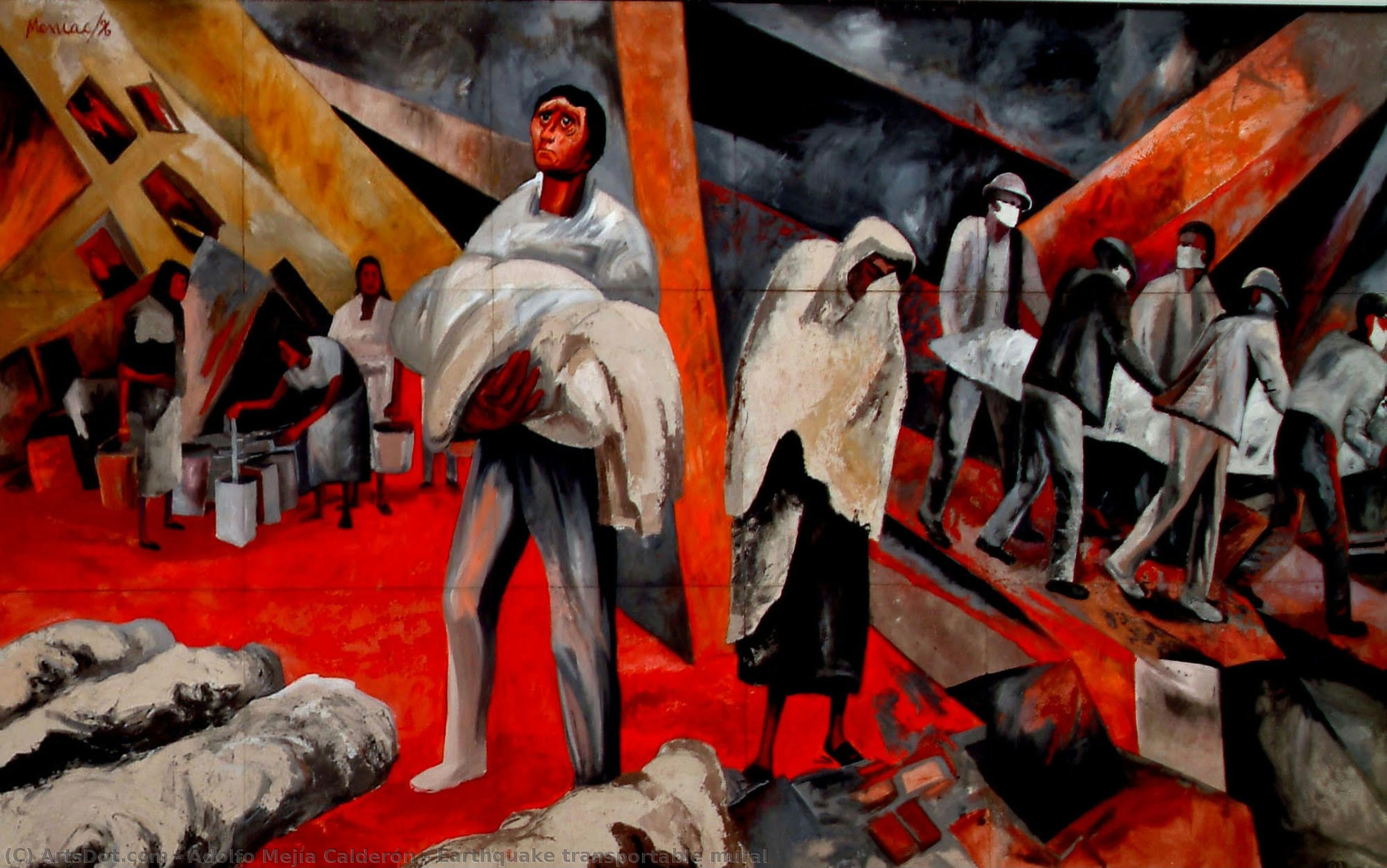
統計情報Earthquake transportable mural


 詳細を見る
詳細を見る
手描き油彩複製画
当社のアーティストが、お客様のご希望のサイズと額縁に合わせて、キャンバスに手描きで制作する油彩画です。 ( プリント版に切り替え デジタル画像販売へ切り替え)




































作品のオリジナル比率に合わせた、当店の規定サイズからお選びください。

特定のフレームやスペースに合わせて、ご希望のサイズをご入力いただけます。選択されたサイズが元の画像の比率と異なる場合、アートワークをトリミングするか、手描きで要素を追加して絵画を拡張いたします。デジタルモックアップ を制作し、制作開始前にご確認(承認)をいただきます。
画面上のプレビューは、実際のトリミングや拡張を正確に反映しているものではありません。最終的な構図は、モックアップによってのみ正確にご確認いただけます。
カスタムサイズもご利用いただけますが、元の比率を維持するためには、あらかじめ用意されたリストからサイズを選択することをお勧めいたします。
ご注文後、ArtsDot.com チームより詳細な指示をお送りするとともに、仕上がりイメージ(モックアップ)をご提供いたします。


 ガラスオプションは、110cm未満のサイズでのみご利用いただけます。

Earthquake transportable mural
複製技法
複製画のサイズ
-


合計金額
$ 263
関連作品
![夜(プレート7)[die Nacht (blatt 7)] - 地獄(die Hölle)より — マックス・ベックマン, Cubist Expressionism](/media/artworks/images-thumb/00/ef/00eff412211ea97065a3447811e4a94b.jpg)








アーティストの略歴
Adolfo Mejía Calderón: A Voice of the People Through Graphic Art
Born in Cutervo, Mexico, in 1927, Adolfo Mejía Calderón’s life and artistic journey were inextricably linked to the social and political currents shaping post-revolutionary Mexico. His early years in this remote mountain region instilled a deep connection to indigenous traditions and a keen awareness of the struggles faced by rural communities – themes that would become central to his powerful graphic art. Calderón's work isn’t simply visual; it’s a sustained, passionate engagement with Mexican history, identity, and the ongoing fight for social justice. He emerged as a significant figure during a period of intense artistic experimentation and political upheaval, finding his voice primarily through collaboration with influential groups like the *Taller de Gráfica Popular* (Popular Graphic Workshop) and alongside fellow artist Leopoldo Méndez.The Influence of TGP and Social Activism
Joining the *Taller de Gráfica Popular* in the 1950s proved to be a pivotal moment in Calderón’s career. This collective, founded by Atelier Pop-Up, was dedicated to producing affordable prints that addressed social and political issues, often challenging the established order. The TGP provided Calderón with a platform to develop his distinctive style – characterized by bold lines, simplified forms, and a deliberate use of color to convey powerful messages. His work became deeply intertwined with the leftist ideals championed by the group, reflecting a commitment to anti-colonialism, indigenous rights, and the plight of the working class. Unlike many artists who sought to depict idealized versions of Mexican history, Calderón unflinchingly confronted uncomfortable truths about exploitation, oppression, and inequality. This willingness to engage in critical commentary often led to controversy, but it also solidified his reputation as a courageous voice for the marginalized.Themes and Techniques: A Visual Language of Resistance
Calderón’s artistic language is immediately recognizable. He frequently employed stark black-and-white compositions, utilizing strong graphic elements – particularly lines – to create dynamic and emotionally resonant images. His subjects ranged from portraits of indigenous peoples and laborers to scenes depicting the struggles against foreign intervention and the exploitation of natural resources. Recurring motifs include representations of the earth, water, and the sun—symbols that resonated with his commitment to environmental justice and the preservation of traditional ways of life. Calderón’s prints weren't merely illustrations; they were carefully constructed visual arguments, designed to provoke thought and inspire action. He skillfully combined elements of Mexican folk art with modernist techniques, creating a unique style that was both accessible and profoundly impactful. The influence of Méndez is particularly evident in his use of line and the often-melancholic tone of his work, though Calderón developed a more overtly political and assertive approach.Major Works and Historical Significance
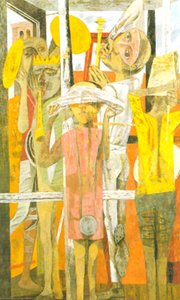
Perhaps most notably, Calderón contributed significantly to murals, including the monumental “History of Human Law” at the University of Colima. This ambitious project explored the complex evolution of legal systems, offering a critical perspective on colonial legacies and indigenous legal traditions. Beyond murals, his individual prints—such as "Earthquake Transportable Mural," "Man and Woman in Harmony with the Universe," and "The Man Inventor of Himself"—are considered cornerstones of Mexican modern art. These works demonstrate his ability to distill complex ideas into powerful visual statements, capturing both the beauty and the brutality of the human experience. His work continues to resonate today, serving as a reminder of Mexico’s rich cultural heritage and its ongoing struggle for social justice.A Legacy of Protest and Artistic Integrity
Adolfo Mejía Calderón passed away in 2019, leaving behind a substantial body of work that stands as a testament to his artistic integrity and unwavering commitment to social change. His art is not simply admired; it’s studied, debated, and continues to inspire artists and activists alike. The Museo de la Estampa in Mexico City held a “National Homage” in 2011, recognizing the profound impact of his work on Mexican art and culture. Calderón's legacy lies not only in the individual prints he created but also in his role as a catalyst for dialogue and a champion of those whose voices are often unheard. His art remains a vital contribution to the global conversation about social justice, indigenous rights, and the power of visual communication.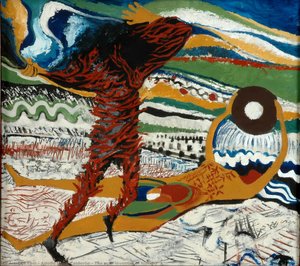
adolfo mejía calderón
1927 - 2019 , Mexico
基本情報
- Artistic Movement Or Style: Graphic art, leftist themes
- Artists Who Influenced This Artist: ['Leopoldo Méndez']
- Date Of Birth: 1927
- Full Name: Adolfo Mejía Calderón
- Nationality: Mexican
- Notable Artworks:
- Earthquake transportable mural
- Man and woman in harmony
- The man inventor of himself
- Place Of Birth: Cutervo, Mexico