

 プレビュー
プレビュー
 シェアする
シェアする シェアする
シェアする
 詳細を見る
詳細を見る

 ダウンロード
 似ている作品
 X線調査
X線調査 スライドショー
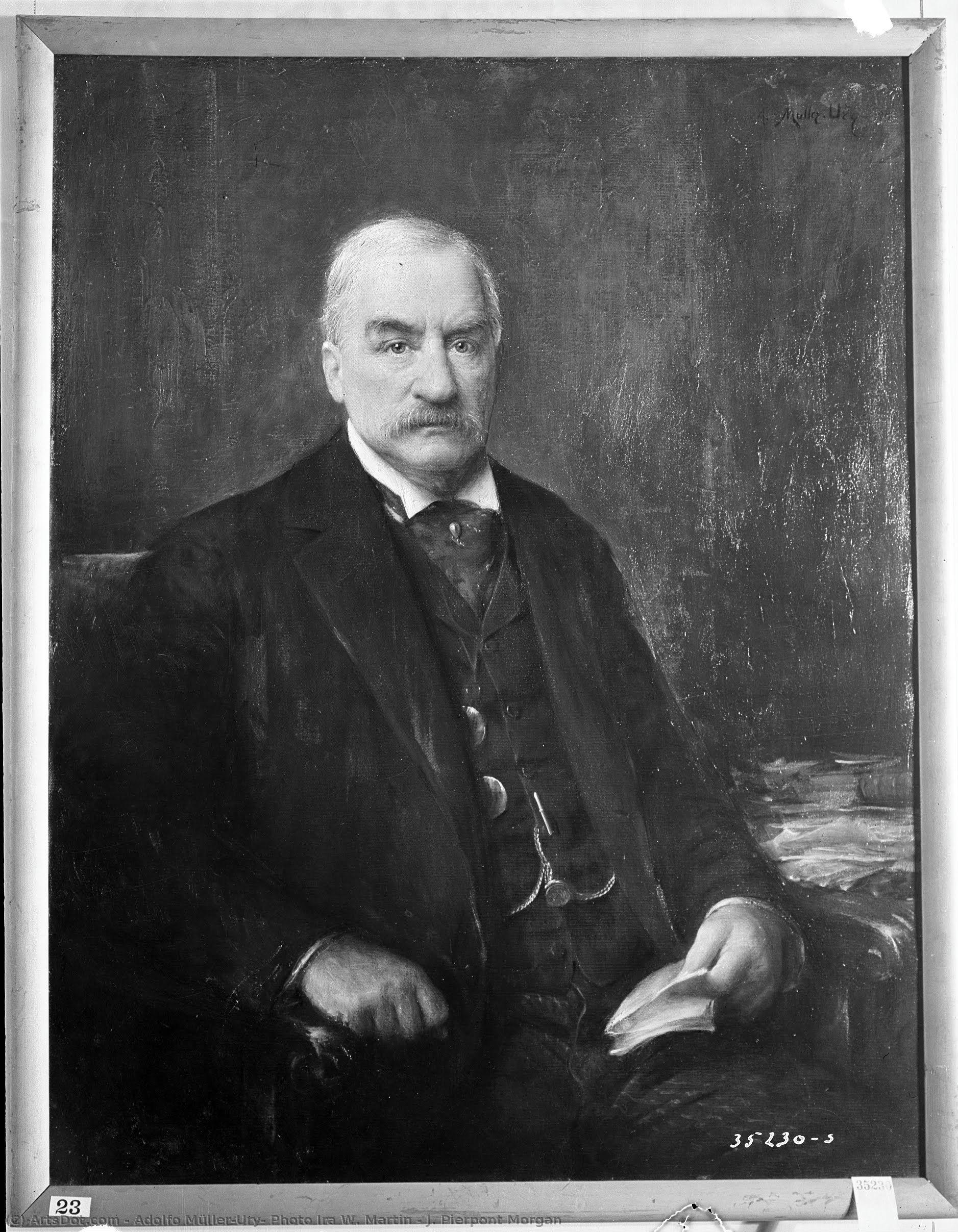
J. Pierpont Morgan


 詳細を見る
詳細を見る
ジークレー/アートプリント
迅速な制作と多彩な仕上げオプションを備えた、ミュージアムクオリティのジークレーまたはキャンバスプリント。 ( 手描きの絵画を購入 画像を購入)




































作品のオリジナル比率に合わせた、当店の規定サイズからお選びください。

特定のフレームやスペースに合わせて、ご自身でサイズを指定することも可能です。選択されたサイズが元の画像の比率と一致しない場合、作品をトリミングするか、鏡面反射または単色での塗りつぶしによって画像を拡張いたします。制作を開始する前に、ご確認用のデジタルモックアップをお送りいたします。
画面上のプレビューには、実際のトリミングや拡張は反映されませんのでご注意ください。最終的な構図を正確に確認できるのは、モックアップのみとなります。
カスタムサイズも承っておりますが、元の比率を維持するためには、あらかじめ用意されたリストからサイズを選択することをお勧めいたします。


 ガラスオプションは、110cm未満のサイズでのみご利用いただけます。

J. Pierpont Morgan
ジークレー/アートプリント
複製画のサイズ
-


合計金額
$ 62
関連作品








アーティストの略歴
A Life Painted in Portraits: The World of Adolfo Müller-Ury
Adolfo Müller-Ury, a name perhaps less instantly recognizable than some of his contemporaries, nevertheless occupies a fascinating and significant niche in the history of portraiture. Born on March 29, 1862, in Airolo, Switzerland, into a family steeped in tradition – lawyers, hoteliers, even mercenaries populated his lineage – Müller-Ury’s path wasn't predetermined, yet it was one that would lead him to the heart of American and European high society. His early life, spent amidst the stunning landscapes of Ticino, instilled within him an appreciation for beauty that would later permeate his canvases. The family spoke Airolese, a local dialect, alongside Swiss-German, grounding him in a rich cultural heritage before he embarked on formal artistic training. Encouraged by sculptor Vincenzo Vela and Commendatore Metalli-Stresa, Müller-Ury initially studied drawing locally before venturing to Munich Academy in 1881, where he honed his skills under masters like Alexander Strähuber and Gyula Benczur. A brief period in Rome followed, dedicated to studying the Old Masters – a crucial step in developing his own distinctive style.From Europe to America: Establishing a Reputation
The decision to cross the Atlantic in 1884 proved pivotal. Müller-Ury initially traveled through Milwaukee, Chicago, and St. Paul, Minnesota, connecting with relatives before settling into a life dedicated to portraiture. His breakthrough came with a commission to paint James Cardinal Gibbons in Baltimore around 1885. This wasn’t merely a painting; it was an entry point into the elite circles of American society. He quickly established himself as a sought-after artist, traveling extensively throughout the eastern United States and capturing the likenesses of prominent figures. His ability to convey not just physical resemblance but also personality and status set him apart. The late 19th century saw Müller-Ury becoming increasingly prolific, exhibiting his work at Schaus’s Gallery in New York and building a clientele that included some of the most influential individuals of the era.The Art of Likeness: Style and Technique
Müller-Ury's portraits are characterized by their remarkable realism combined with an underlying sense of elegance and refinement. He wasn’t interested in radical experimentation; rather, he perfected a traditional approach to portraiture, emphasizing meticulous detail, skillful use of light and shadow, and a rich, warm palette. His technique involved careful observation and layering of paint to create depth and texture. While influenced by the Old Masters he studied in Rome, his style evolved into something uniquely his own – a blend of academic precision and impressionistic sensibilities. He possessed an uncanny ability to capture the essence of his sitters, conveying their character through subtle nuances of expression and posture. Beyond portraits, Müller-Ury also explored still life and landscapes, demonstrating versatility but always returning to the human form as his primary subject.A Portrait of J.P. Morgan: A Defining Moment
Perhaps his most iconic work is the portrait of J. Pierpont Morgan, the powerful financier who dominated American industry at the turn of the 20th century. This painting, commissioned in 1905, is more than just a likeness; it’s a statement about power, wealth, and influence. The imposing figure of Morgan, rendered with meticulous detail and a commanding presence, reflects his status as one of the most important figures of his time. It's a masterful example of Müller-Ury’s ability to capture not only physical appearance but also the psychological complexity of his sitters. This portrait solidified his reputation as a leading portraitist and cemented his place in American art history. The work is often cited for its unflinching portrayal of Morgan, revealing both his strength and a certain degree of vulnerability.Legacy and Historical Significance
Adolfo Müller-Ury continued to paint portraits until his death in New York City on July 6, 1947. While he never achieved the widespread fame of some of his contemporaries, his work remains highly regarded for its technical skill, elegance, and insightful portrayals of prominent figures. He represents a fascinating transition between academic tradition and impressionistic modernity. His portraits offer a unique glimpse into the lives of the elite during a period of rapid social and economic change. He was known as a painter of Impressionist still lifes and landscapes, but it was his ability to capture the human spirit that truly defined his artistic legacy, leaving behind a collection of works that continue to captivate and inspire today. His dedication to portraiture, combined with his exceptional talent, ensures his enduring place in the annals of art history.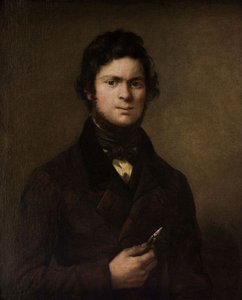
adolfo müller-ury, photo ira w. martin
1862 - 1947 , Switzerland
基本情報
- Artistic Movement Or Style: Portraiture, Impressionism
- Artists Who Influenced This Artist:
- Vincenzo Vela
- Antonio Ciseri
- Date Of Birth: March 29, 1862
- Date Of Death: July 6, 1947
- Full Name: Adolfo Müller-Ury
- Nationality: Swiss-American
- Notable Artworks: ['J. Pierpont Morgan']
- Place Of Birth: Airolo, Switzerland

