


 プレビュー
プレビュー
 シェアする
シェアする シェアする
シェアする
 詳細を見る
詳細を見る

 ダウンロード
 似ている作品
 X線調査
X線調査 スライドショー
 統計情報
統計情報Farmers Discussing Politics


 詳細を見る
詳細を見る
手描き油彩複製画
当社のアーティストが、お客様のご希望のサイズと額縁に合わせて、キャンバスに手描きで制作する油彩画です。 ( プリント版に切り替え デジタル画像販売へ切り替え)
































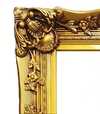
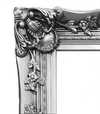
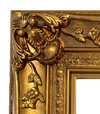
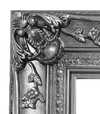
作品のオリジナル比率に合わせた、当店の規定サイズからお選びください。

特定のフレームやスペースに合わせて、ご希望のサイズをご入力いただけます。選択されたサイズが元の画像の比率と異なる場合、アートワークをトリミングするか、手描きで要素を追加して絵画を拡張いたします。デジタルモックアップ を制作し、制作開始前にご確認(承認)をいただきます。
画面上のプレビューは、実際のトリミングや拡張を正確に反映しているものではありません。最終的な構図は、モックアップによってのみ正確にご確認いただけます。
カスタムサイズもご利用いただけますが、元の比率を維持するためには、あらかじめ用意されたリストからサイズを選択することをお勧めいたします。
ご注文後、ArtsDot.com チームより詳細な指示をお送りするとともに、仕上がりイメージ(モックアップ)をご提供いたします。


 ガラスオプションは、110cm未満のサイズでのみご利用いただけます。

Farmers Discussing Politics
複製技法
複製画のサイズ
-


合計金額
$ 263
関連作品
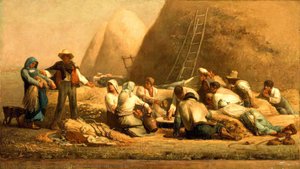
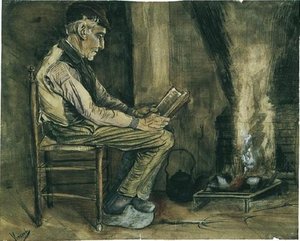
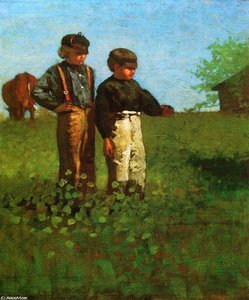
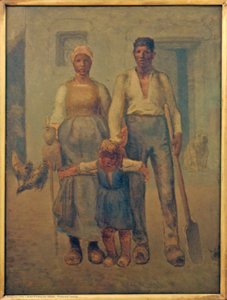
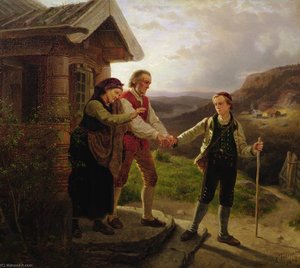
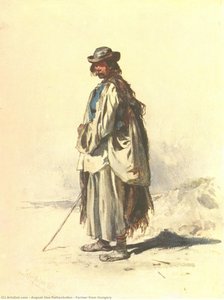
アーティストの略歴
Adolph Tidemand: A Romantic Vision of Norway
Adolph Tidemand (14 August 1814 – 8 August 1876) stands as a pivotal figure in Norwegian art, largely recognized for his evocative depictions of rural life, historical scenes, and the rich tapestry of Norwegian culture during the mid-19th century. More than simply a painter, Tidemand was a chronicler of his nation’s identity, capturing both its beauty and its enduring traditions with a keen eye and a deeply romantic sensibility. His work reflects a significant shift in artistic focus – moving away from purely academic styles towards a more emotionally resonant and historically informed approach to landscape and portraiture. Born in Mandal, a coastal town in southern Norway, Tidemand’s early life was steeped in the maritime culture of his region, an influence that would profoundly shape his artistic vision.Early Life and Artistic Training
Tidemand's upbringing within a prominent family – his father was a customs inspector and Storting representative – provided him with both privilege and exposure to intellectual circles. Despite the absence of formal art schools in Norway at the time, he received private instruction from local artists, quickly demonstrating a remarkable talent. Recognizing this potential, he embarked on a journey to Copenhagen in 1832, enrolling in the Royal Danish Academy of Fine Arts. However, his ambition and artistic sensibilities proved too unconventional for the academy’s rigid standards; he was ultimately rejected. Undeterred, Tidemand continued his studies at a private art school in Copenhagen, honing his skills before venturing further afield. A pivotal moment in his artistic development occurred when he moved to Düsseldorf, Germany, in 1837. This city, renowned for its thriving art scene and the influence of the Düsseldorf School of Painting – characterized by its emphasis on realism, dramatic lighting, and historical subjects – proved to be an ideal environment for Tidemand’s growth. He studied under Theodor Hildebrandt, a master painter known for his landscapes and portraits, absorbing the techniques and philosophies that would define his own style. It was in Düsseldorf that he began to develop his signature approach: a blend of Romanticism with a meticulous attention to detail and a deep understanding of Norwegian history and folklore.Collaborations and Key Works
Tidemand’s artistic career is particularly notable for his collaborative projects, most notably his partnership with Hans Gude. Their collaboration on paintings like “The Haugeans” (1852) – a dramatic depiction of a religious gathering – and numerous landscape scenes in Hardanger showcased Tidemand's ability to capture the essence of Norwegian life through the interplay of figures and setting. These works are not merely scenic representations; they are imbued with a sense of social commentary, reflecting the values and beliefs of the rural communities he depicted. Among his most celebrated paintings is “The Bridal Procession in Hardanger” (1848), a masterpiece that exemplifies Tidemand’s artistic prowess. The painting captures a traditional wedding procession amidst the stunning landscapes of Hardanger, Norway, with remarkable detail and emotional depth. It's a testament to his ability to blend historical accuracy with Romantic idealism, creating an image that is both visually arresting and deeply evocative. Other significant works include “Hjemvendte fiskere ved den sjællandske kyst” (1838), depicting returning fishermen, and "Gustav Vasa taler til dalkarlene i Mora kirke" (1841), a historical scene illustrating a pivotal moment in Swedish history.Style and Influences
Tidemand’s artistic style is characterized by its Romanticism, realism, and meticulous attention to detail. He was deeply influenced by the Düsseldorf School of Painting, particularly its emphasis on dramatic lighting, atmospheric perspective, and the portrayal of historical events. However, he infused these influences with his own unique vision, creating a distinctly Norwegian aesthetic that celebrated the beauty of his homeland and the dignity of its people. His use of color is often rich and vibrant, capturing the nuances of light and shadow in the landscapes he depicted. He was also fascinated by folk culture and traditions, incorporating elements of Norwegian costume, architecture, and folklore into his paintings.Legacy and Historical Significance
Adolph Tidemand’s work holds a significant place in the history of Norwegian art. He played a crucial role in establishing a distinctly Norwegian artistic identity, moving beyond purely academic styles to embrace a more emotionally resonant and historically informed approach. His depictions of rural life, historical scenes, and folk culture provided valuable insights into the traditions and values of Norway during a period of rapid social and political change. Today, his paintings are exhibited at the National Museum of Art, Architecture and Design in Oslo, ensuring that his artistic legacy continues to inspire and captivate audiences. He is remembered as a key figure in bridging the gap between Romanticism and realism, shaping the course of Norwegian art for generations to come.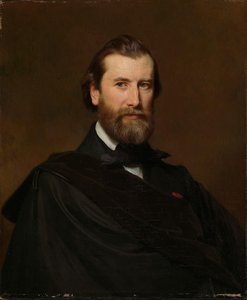
Adolph Tidemand
1814 - 1876 , Norway
基本情報
- Artistic Movement Or Style: Romantic Nationalism
- Artists Or Movements Influenced By This Artist: ['Düsseldorf School of Painting']
- Artists Who Influenced This Artist: ['Theodor Hildebrandt']
- Date Of Birth: 1814-08-14
- Date Of Death: 1876-08-08
- Full Name: Adolph Tidemand
- Nationality: Norwegian
- Notable Artworks:
- Haugianerne
- Brudeferd i Hardanger
- Hjemvendte fiskere
- Place Of Birth: Mandal, Norway
関連記事
The Poetic Truth of Observation: Exploring 19th-Century Realism in Painting
Explore the captivating world of 19th-century Realism! Discover key artists like Courbet & Millet, masterpieces, and the powerful social commentary behind this influential art movement. Expert insights at ArtsDot.
The Evocative Embrace of Reality: Exploring Romantic Realism in 19th-Century Painting
Explore the captivating world of Romantic Realism! Discover key artists like Courbet & Millet, masterpieces, and the social context behind this influential art movement. Expert insights for collectors at ArtsDot.

19th Century Masterpieces: 10 Paintings That Defined an Era | ArtsDot
Journey through 19th century art with ArtsDot! Explore 10 iconic paintings – from Monet & Renoir to Courbet – and discover the stories behind Romanticism, Realism & Impressionism. Find museum-quality reproductions for your home decor. Explore the full collection online!
19世紀リアリズム:社会と芸術革新の永続的な遺産
19世紀リアリズムの歴史的背景、クールベやマネに代表される画家たち、社会への影響を深く解説。ArtsDotで高品質な名画の再現をお楽しみください。美術史愛好家へ贈る専門的な情報。

Romantic Realism's Finest: 10 Masterpieces for Your Home | ArtsDot
Explore 10 defining masterpieces of Romantic Realism! Discover Courbet, Millet & Daumier's powerful paintings—capturing emotion and social realities. Find museum-quality reproductions for your home at ArtsDot.com.