

 プレビュー
プレビュー
 シェアする
シェアする シェアする
シェアする
 詳細を見る
詳細を見る

 ダウンロード
 似ている作品
 X線調査
X線調査 スライドショー
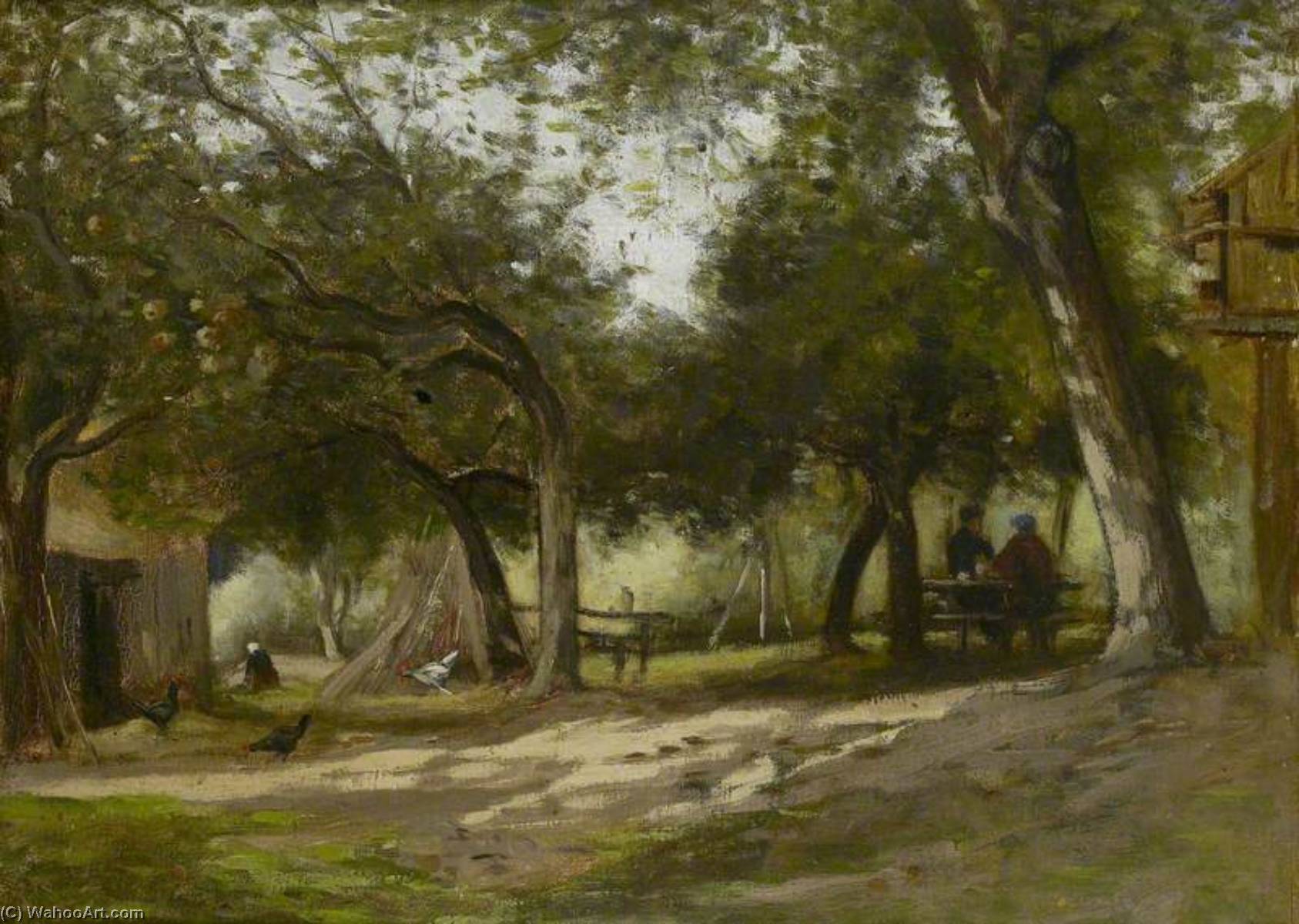
Landscape with a Farmyard
 25.0 x 33.0 cm
 アシュモリアン美術館
 詳細を見る
詳細を見る
ジークレー/アートプリント
迅速な制作と多彩な仕上げオプションを備えた、ミュージアムクオリティのジークレーまたはキャンバスプリント。 ( 手描きの絵画を購入 画像を購入)




































作品のオリジナル比率に合わせた、当店の規定サイズからお選びください。

特定のフレームやスペースに合わせて、ご自身でサイズを指定することも可能です。選択されたサイズが元の画像の比率と一致しない場合、作品をトリミングするか、鏡面反射または単色での塗りつぶしによって画像を拡張いたします。制作を開始する前に、ご確認用のデジタルモックアップをお送りいたします。
画面上のプレビューには、実際のトリミングや拡張は反映されませんのでご注意ください。最終的な構図を正確に確認できるのは、モックアップのみとなります。
カスタムサイズも承っておりますが、元の比率を維持するためには、あらかじめ用意されたリストからサイズを選択することをお勧めいたします。


 ガラスオプションは、110cm未満のサイズでのみご利用いただけます。

Landscape with a Farmyard
ジークレー/アートプリント
複製画のサイズ
-


合計金額
$ 62
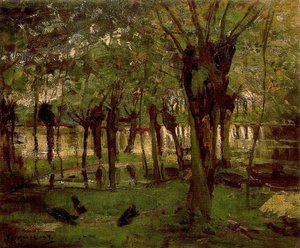
関連作品









アーティストの略歴
Constant Troyon: Bridging Porcelain and Pastoral
August 28, 1810, in Sèvres, France, marked the birth of Constant Troyon – a painter whose journey began far from the grand salons of Paris, amidst the meticulous world of porcelain decoration. His early life was steeped in the traditions of his father’s workshop, a seemingly restrictive environment that nonetheless honed his eye for detail and precision. Yet, beneath this veneer of craftsmanship lay a restless spirit, a yearning to capture the fleeting beauty of the natural world. It wasn't until he reached twenty-one that Troyon truly embraced his artistic destiny, embarking on a nomadic existence as a landscape painter, fueled by wanderlust and the necessity of earning a living. This early period, characterized by sketches and watercolors, laid the groundwork for his later mastery – a synthesis of technical skill with an increasingly profound understanding of light, color, and atmosphere. His initial travels exposed him to diverse artistic influences, but it was the Barbizon school, centered around Paris, that would fundamentally shape his approach to painting.The Barbizon Influence and Early Landscapes
The Barbizon school represented a deliberate rejection of the academic traditions dominating the Parisian art world. Artists like Rousseau, Dupré, and Troyon sought inspiration directly from nature, eschewing studio work in favor of *en plein air* painting – working outdoors to capture the immediacy of the landscape. Troyon’s early landscapes, produced between 1840 and 1847, reflect this influence, displaying a sincerity and freshness that resonated with contemporary audiences. While technically proficient, these works often lacked the distinctive character that would later define his oeuvre. However, a pivotal encounter in 1846 – a visit to the Hague and a profound study of Paulus Potter’s “Young Bull” – proved transformative. Potter's masterful depiction of animal anatomy and behavior ignited within Troyon a new passion: painting animals with an unprecedented level of realism and emotional depth. This experience, coupled with his admiration for the works of Cuyp and Rembrandt, spurred him to develop a unique style characterized by dramatic lighting, rich textures, and a palpable sense of movement.Mastering Animal Painting and International Recognition
Following Potter’s influence, Troyon rapidly evolved as an animal painter, achieving remarkable success in both Britain and America. His paintings weren't merely representations of animals; they conveyed their personalities, instincts, and the subtle nuances of their interactions with the environment. He meticulously observed his subjects – cattle, horses, sheep – capturing not just their physical appearance but also their moods and behaviors. This dedication to realism was further enhanced by his ability to render textures with astonishing accuracy, from the rough hide of a bull to the soft wool of a lamb. His work gained international acclaim, finding favor in prestigious collections across Europe and the United States. Critics lauded his technical skill, emotional sensitivity, and his ability to evoke a sense of connection between the viewer and the animal subjects. The art critic Albert Wolff famously described Troyon’s later works as “masterpieces,” recognizing their profound artistic merit and enduring appeal.A Shift Towards Pastoral Scenes and Later Works
As Troyon matured, his subject matter broadened beyond purely animalistic scenes. He increasingly explored pastoral landscapes – depictions of rural life, featuring shepherds, farm animals, and the serene beauty of the countryside. These later works demonstrate a shift in focus from the dynamic energy of animal painting to a more contemplative and evocative approach to landscape. While some critics initially dismissed these paintings as less ambitious than his earlier work, they reveal a deepening of Troyon’s artistic vision – a subtle understanding of light, color, and composition that elevates them to a level of quiet beauty. His final works, produced in the years leading up to his death in 1865, are characterized by a remarkable serenity and a profound appreciation for the simple pleasures of rural life. They represent a culmination of his artistic journey – a testament to a lifetime dedicated to capturing the essence of nature on canvas.Legacy and Historical Significance
Constant Troyon’s legacy extends beyond his individual paintings. He played a crucial role in the development of the Barbizon school, demonstrating the value of *en plein air* painting and inspiring subsequent generations of artists. His meticulous observation of nature, combined with his technical skill and emotional sensitivity, established him as one of the most important animal painters of his era. Troyon’s work continues to be admired for its realism, beauty, and profound connection to the natural world. He stands as a bridge between the rigid traditions of academic art and the more expressive approach of the Barbizon school, embodying a spirit of artistic exploration and a deep appreciation for the enduring power of nature. His paintings offer a valuable glimpse into 19th-century rural life and provide a lasting testament to the artist’s remarkable talent and dedication.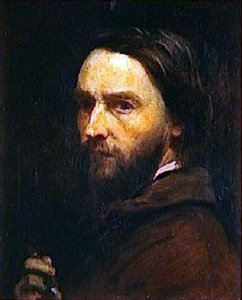
adolphe félix cals
1810 - 1880
基本情報
- Artistic Movement Or Style: Barbizon School
- Artists Or Movements Influenced By This Artist:
- Camille Roqueplan
- Jules Dupré
- Artists Who Influenced This Artist:
- Paulus Potter
- Aelbert Cuyp
- Rembrandt
- Date Of Birth: August 28, 1810
- Date Of Death: February 21, 1865
- Full Name: Constant Troyon
- Nationality: French
- Notable Artworks:
- Young Bull
- The Raft of the Medusa
- Place Of Birth: Sèvres, France