

 プレビュー
プレビュー
 プリントを購入
 シェアする
シェアする シェアする
シェアする
 詳細を見る
詳細を見る

 ダウンロード
 似ている作品
 X線調査
X線調査 スライドショー
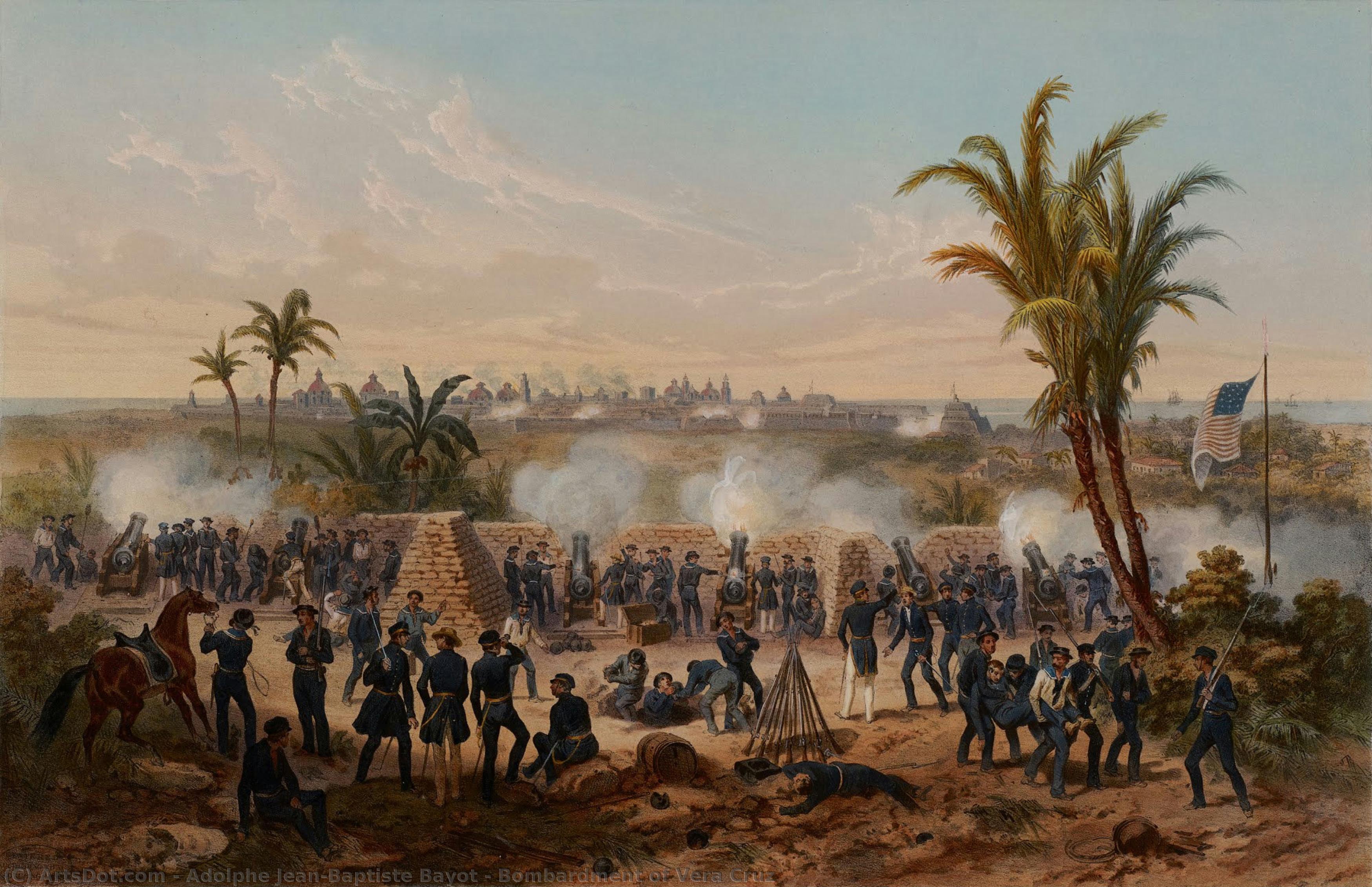
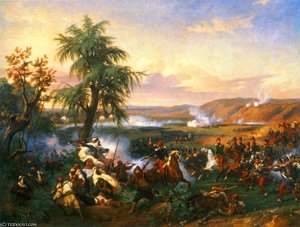
Bombardment of Vera Cruz
 Historical Illustration
 57.0 x 41.0 cm
 詳細を見る
詳細を見る
オンラインプレビューをはるかに凌ぐ、高解像度で鮮明なデジタル画像をご購入いただけます。
各ファイルは、社内の専門家が高度なツールと熟練した手作業によるレタッチを用いて、細心の注意を払って準備されています。すべての画像において、卓越した鮮明度、正確な色彩再現性、そして繊細なディテールを保証いたします。
最終ファイルは、プロフェッショナルな編集・印刷環境ですぐにご利用いただけるよう最適化された状態で、72時間以内にメールにてお届けいたします。これは、一流のデザインスタジオ、出版社、ギャラリーから信頼されているものと同等の品質です。
デジタル画像のご注文に付随する特典
高品質なデジタル画像配信を、確かな品質で。
ArtsDot.com を選ぶことは、単に画像を手に入れることではありません。それは、プロの手によって精密に仕上げられ、満足保証が付いた高品質なデジタルアートワークを受け取ることを意味します。ご注文いただいた際に自動的に付随する内容は、以下の通りです:

メールですぐにお届け
ご注文から72時間以内に、高解像度のデジタル画像ファイルがメールでお手元に届きます。すぐにそのままご利用いただけます。

AI技術で最適化されたデジタルファイル
お客様の作品は、高度なAIツールと専門家による手作業の編集を組み合わせてプロフェッショナルに最適化されており、細部のディテール、鮮明さ、そして正確な色再現性を最大限に引き出しています。

一生涯無料の再送サービス
ファイルを誤って削除したり、紛失してしまったりしましたか?ご安心ください。いつでも無料で再送いたします。

輸入手数料は一切かかりません
関税や手数料、配送料を気にすることなく、お気に入りのアートワークをすぐにお楽しみいただけます。デジタルダウンロードは常に免税です。

色彩再現の保証
プロ仕様のツールとカラーマネジメント技術を用いることで、デジタル画像が元の色を最大限に忠実に再現することを保証いたします。

60日間満足保証
ご購入いただいたデジタル画像にご満足いただけない場合は、60日以内であれば、修正または100%の返金(理由を問う必要はありません)をさせていただきます。

100% 返金保証
ご満足いただけない場合は、デジタルファイルを受け取ってから60日以内であれば、理由を問わず全額返金いたします。

まとめ買い割引
3枚購入で10%OFF - 5枚購入で15%OFF - 10枚以上購入で20%OFF。クリエイティブなプロジェクト、ギャラリー、エージェンシーに最適です。
関連作品
作家の略歴
Adolphe Jean-Baptiste Bayot: A Pioneer of Historical Lithography
Born in France in 1810, Adolphe Jean-Baptiste Bayot’s life and career unfolded during a period of immense social and political change. His artistic journey is inextricably linked to the rise of lithography – a relatively new medium offering unprecedented opportunities for detailed reproduction and dissemination of images. Bayot wasn't merely a lithographer; he was a keen observer, a meticulous recorder of history, and an early adopter of techniques that would profoundly influence subsequent generations of artists.
Bayot’s early training remains somewhat shrouded in the mists of time, though it is believed he initially apprenticed under Jean-Baptiste Debret, a prominent painter and lithographer known for his depictions of the Napoleonic era. This formative period undoubtedly instilled in Bayot a deep appreciation for historical accuracy and a refined understanding of composition and perspective. However, Bayot quickly distinguished himself through his mastery of the lithographic process, particularly his ability to capture intricate detail and nuanced tonal variations – qualities that set him apart from many of his contemporaries.
A World on Paper: Themes and Subjects
Bayot’s artistic output spanned a remarkably diverse range of subjects. He possessed a genuine curiosity about the world around him, evident in his depictions of various cultures and historical events. From the bustling marketplaces of Algiers to the solemn ceremonies of Sami life in Finnmark, Bayot sought to document and interpret the experiences of people from different backgrounds. His lithographs are not simply illustrations; they’re windows into distant lands and bygone eras.
Several recurring themes dominate his oeuvre. Military campaigns – such as the Bombardment of Vera Cruz, a dramatic portrayal of Mexican forces engaging in battle – showcase Bayot's skill in rendering dynamic action and conveying the chaos of war. Scenes from historical events, like the Siege of Granada, demonstrate his commitment to faithfully recreating past moments. But perhaps most compelling are his ethnographic studies, particularly those focusing on indigenous populations. His lithographs of Sami life, for instance, offer a rare glimpse into their traditions, rituals, and daily routines – a testament to Bayot’s respect for cultural diversity.
Notably, Bayot's work frequently involved extensive research and travel. He meticulously studied historical accounts, consulted with experts, and even undertook journeys to the locations he depicted, ensuring an unparalleled level of authenticity in his representations. This dedication to accuracy is evident in the painstaking detail of his compositions and the subtle nuances of color and shading.
Technique and Innovation
Bayot’s technical prowess lay primarily in his mastery of the lithographic process. He skillfully employed a variety of techniques, including drypoint etching for creating tonal effects and mezzotint to achieve rich, velvety blacks. His use of multiple plates – often combining different techniques on separate stones – allowed him to build up complex compositions with remarkable detail and depth.
Bayot was also an early adopter of innovative printing methods. He experimented with various paper types and ink formulations, striving to achieve the most accurate and vibrant reproductions possible. His work demonstrates a keen awareness of the limitations and possibilities of lithography – a medium that he consistently pushed to its creative limits.
Legacy and Influence
Adolphe Jean-Baptiste Bayot’s contribution to the history of art is significant, though often understated. He was a pioneer in the field of historical lithography, establishing new standards for accuracy, detail, and artistic expression. His meticulous depictions of diverse cultures helped to broaden European understanding of the world beyond its borders.
While Bayot’s fame may not rival that of some of his contemporaries, his work continues to be admired for its technical brilliance and its evocative portrayal of history and culture. His lithographs offer a valuable window into the 19th century – a time of exploration, conflict, and profound social change. The enduring appeal of Bayot’s art lies in its ability to transport viewers to distant lands and bygone eras, reminding us of the richness and diversity of human experience.
Notable Works
- Bombardment of Vera Cruz (1866): A dramatic depiction of a Civil War battle scene, showcasing Bayot’s ability to capture dynamic action and convey chaos.
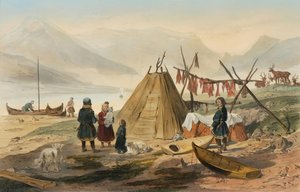
- Sami Tent by Ovnene, Magerøya Island in Finnmark (1857): An intimate portrayal of Sami life, demonstrating Bayot's respect for cultural diversity and his meticulous attention to detail.
- Granada taken from the Albaycín. Paris (1862): A meticulously rendered historical scene, reflecting Bayot’s commitment to accuracy and artistic skill.
adolphe jean-baptiste bayot
1810 - 1866 , France
プロフィール概要
- Artistic Movement Or Style: Lithography
- Date Of Birth: 1810
- Date Of Death: 1871
- Full Name: Adolphe Jean-Baptiste Bayot
- Nationality: French
- Notable Artworks:
- Bombardment of Vera Cruz
- Sami Tent by Ovnene
- Place Of Birth: France (city and country)

