

 プレビュー
プレビュー
 シェアする
シェアする シェアする
シェアする
 詳細を見る
詳細を見る

 ダウンロード
 似ている作品
 X線調査
X線調査 スライドショー
 統計情報
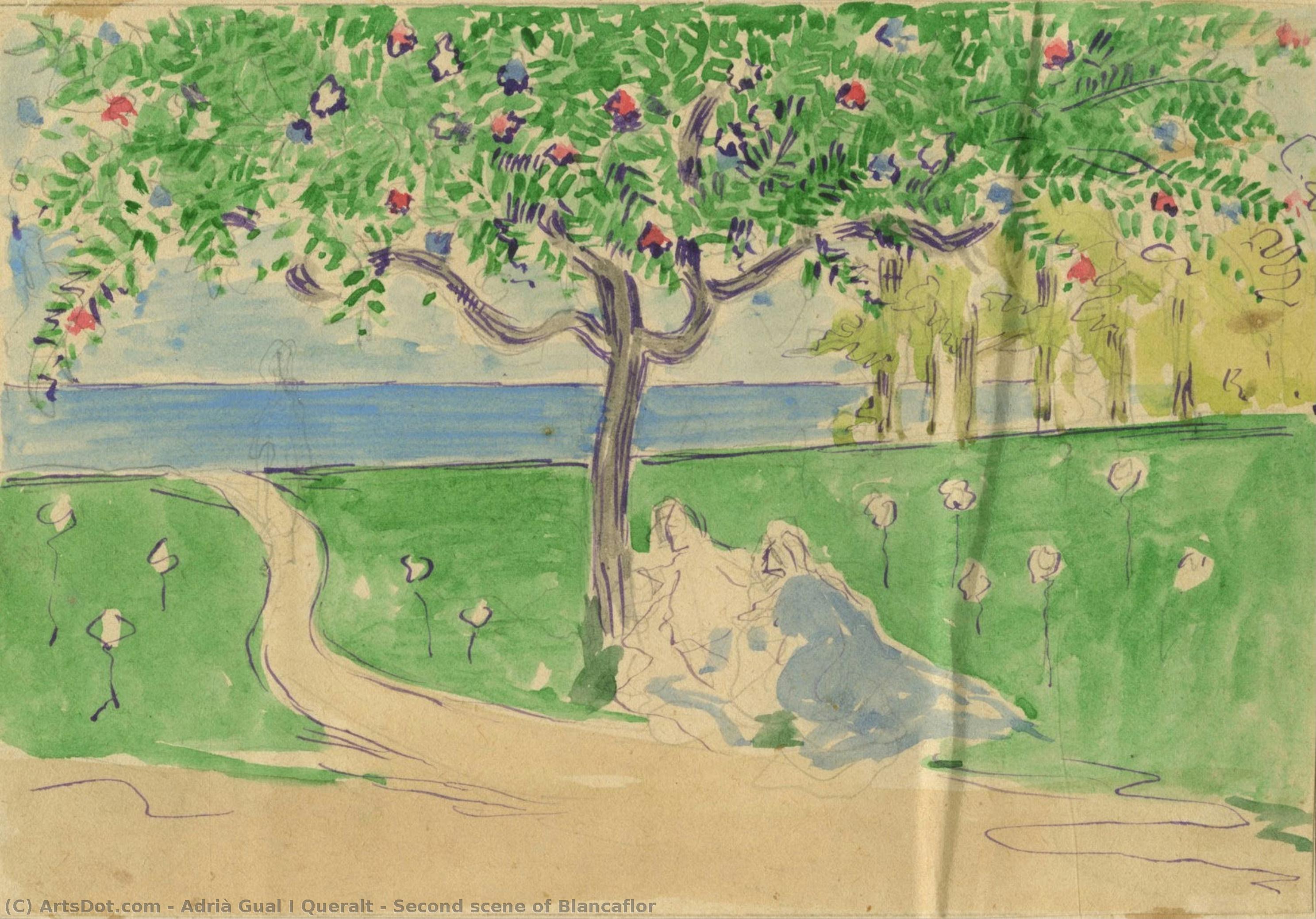
統計情報Second scene of Blancaflor
 12.0 x 15.0 cm
 バルセロナ音楽博物館
 詳細を見る
詳細を見る
手描き油彩複製画
当社のアーティストが、お客様のご希望のサイズと額縁に合わせて、キャンバスに手描きで制作する油彩画です。 ( プリント版に切り替え デジタル画像販売へ切り替え)




































作品のオリジナル比率に合わせた、当店の規定サイズからお選びください。

特定のフレームやスペースに合わせて、ご希望のサイズをご入力いただけます。選択されたサイズが元の画像の比率と異なる場合、アートワークをトリミングするか、手描きで要素を追加して絵画を拡張いたします。デジタルモックアップ を制作し、制作開始前にご確認(承認)をいただきます。
画面上のプレビューは、実際のトリミングや拡張を正確に反映しているものではありません。最終的な構図は、モックアップによってのみ正確にご確認いただけます。
カスタムサイズもご利用いただけますが、元の比率を維持するためには、あらかじめ用意されたリストからサイズを選択することをお勧めいたします。
ご注文後、ArtsDot.com チームより詳細な指示をお送りするとともに、仕上がりイメージ(モックアップ)をご提供いたします。


 ガラスオプションは、110cm未満のサイズでのみご利用いただけます。

Second scene of Blancaflor
複製技法
複製画のサイズ
-


合計金額
$ 263
関連作品
アーティストの略歴
The Visionary of Catalan Modernism
Born in the vibrant cultural landscape of Barcelona in 1872, Adrià Gual i Queralt emerged as a polymath whose influence rippled through the very fabric of Catalan identity. While history often remembers him as a titan of the stage, his soul was deeply rooted in the visual arts, where he navigated the delicate boundaries between reality and the ethereal. As a pioneer of the Modernisme movement, Gual i Queralty did not merely observe the changing tides of the early 20th century; he actively shaped them through a multidisciplinary approach that fused graphic design, theatricality, and symbolist painting.
His early life in Barcelona placed him at the epicenter of a cultural renaissance. Gual i Queralt possessed a rare ability to translate the atmospheric tension of Symbolism into tangible forms. His work as a graphic artist was particularly transformative, as he utilized the medium of the poster to bring high art into the streets. These posters, characterized by their flowing lines and evocative imagery, became iconic markers of the era, capturing the essence of Art Nouveau and establishing him as one of the leading graphic designers of his generation. His visual language was never static; it sought to evoke emotion and mystery, much like the very plays he would later direct.
A Synthesis of Stage and Canvas
The brilliance of Gual i Queralt lay in his refusal to separate the visual from the performative. To him, a painting and a theatrical set were part of the same continuous dreamscape. This synthesis is perhaps most beautifully realized in his connection to the Wagnerian Association around 1902, where his oil panels remain preserved in the Library of Catalonia as a testament to his ability to marry grand narrative with intimate detail. His artistic style was deeply steeped in Symbolist elements, often focusing on the delicate interplay of light, shadow, and mythic themes.
One of his most captivating contributions to the visual record can be found in his works related to Blancaflor. In pieces such as the Fashion Plate of Two Maidens for Blancaflor, held at the Museum of Music of Barcelona, we see a master at work with paper and pigment. These small-scale works, measuring roughly 18 x 18 cm, demonstrate an incredible ability to capture the grace and fashion of the early 20th century while imbuing the subjects with a sense of otherworldly beauty. Through his depictions of everyday life infused with poetic longing, he bridged the gap between the mundane and the sublime.
Legacy of the Escola Catalana d'Art Dramàtic
Beyond the canvas and the poster, Gual i Queralt’s most enduring legacy is found in the institutional foundations of Catalan culture. As a businessman and playwright, he recognized that for art to flourish, it required structure and education. He founded the Escola Catalana d'Art Dramàtic, an institution that served as a vital seed for what would eventually become the prestigious Institut del Teatre. This endeavor ensured that the avant-garde spirit of his era would be passed down to future generations of performers and designers.
His impact can be summarized through several key pillars of his career:
- Pioneering Cinema: He was an early adopter and promoter of cinema in Barcelona, recognizing the power of moving images as a new frontier for storytelling.
- Graphic Innovation: His mastery of poster art helped define the visual identity of Catalan Modernism.
- Theatrical Reform: Through his school, he revolutionized dramatic training and stagecraft in Catalonia.
- Symbolist Mastery: He successfully integrated the psychological depth of Symbolism into both fine art and graphic design.
Today, the name Adrià Gual i Queralt evokes a period of intense creativity and cultural rebirth. Whether through the sweeping gestures of his theatrical designs or the delicate precision of his paintings, he remains a central figure in the story of Barcelona—a man who saw the world not just as it was, but as it could be imagined through the lens of art.
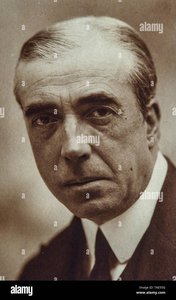
adrià gual i queralt
1872 - 1943 , Spain
基本情報
- Artistic Movement Or Style: Modernism
- Artists Or Movements Influenced By This Artist: ['Symbolist Painting']
- Artists Who Influenced This Artist:
- Richard Wagner
- Henrik Ibsen
- Maurice Maeterlinck
- Date Of Birth: Barcelona, Spain (1872)
- Date Of Death: 1943
- Full Name: Adrià Gual i Queralt
- Nationality: Catalan
- Notable Artworks:
- La rosada
- Fashion plate of two maiden for Blancaflor
- Second scene of Blancaflor
- Place Of Birth: Barcelona