

 プレビュー
プレビュー
 プリントを購入
 シェアする
シェアする シェアする
シェアする
 詳細を見る
詳細を見る

 ダウンロード
 似ている作品
 X線調査
X線調査 スライドショー
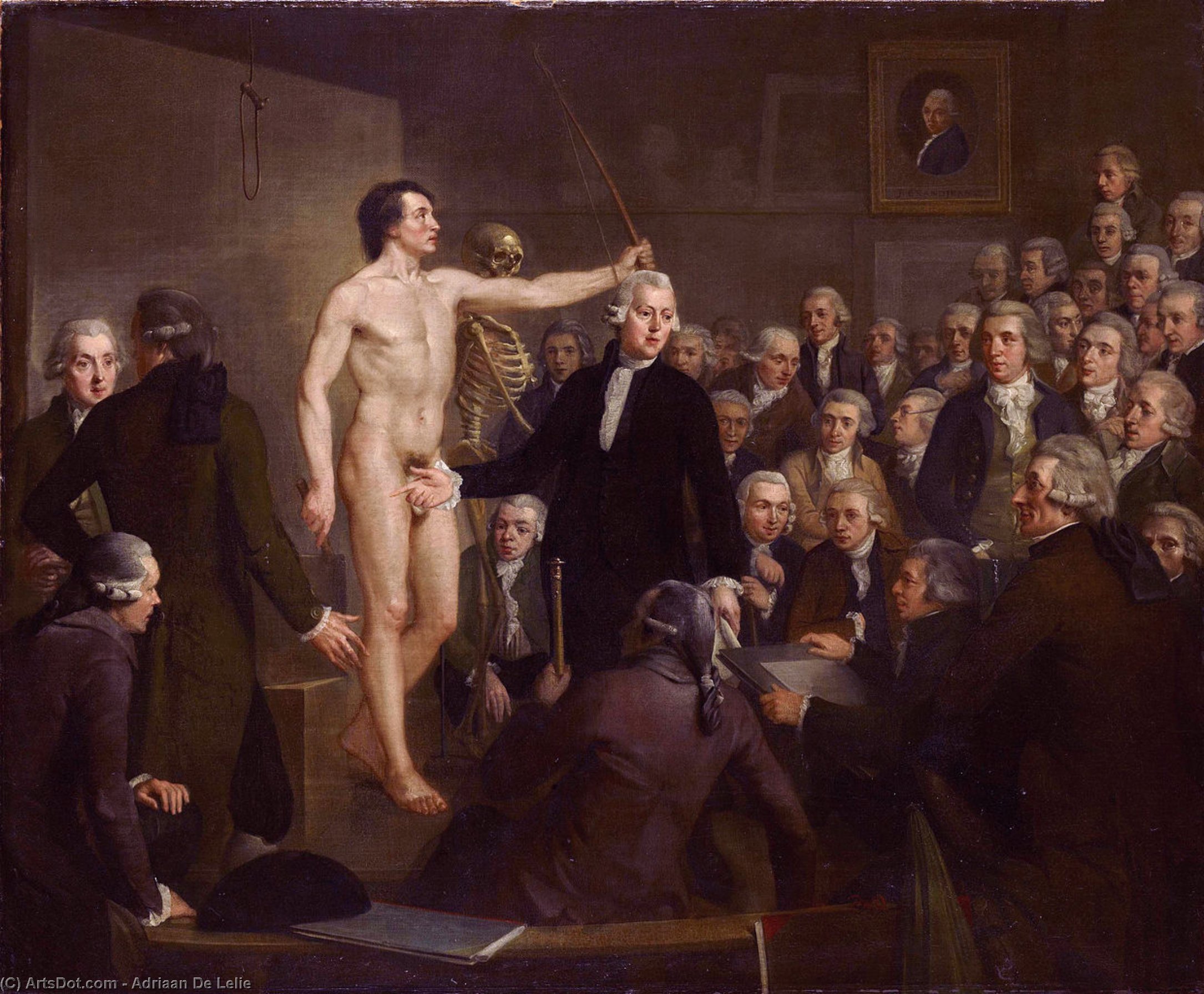
Voordracht Over De Anatomie Door Andreas Bonn Voor Het Departement Der Tekenkunde Van Felix Meritis
 詳細を見る
詳細を見る




































作品のオリジナル比率に合わせた、当店の規定サイズからお選びください。

特定のフレームやスペースに合わせて、ご希望のサイズをご入力いただけます。選択されたサイズが元の画像の比率と異なる場合、アートワークをトリミングするか、手描きで要素を追加して絵画を拡張いたします。デジタルモックアップ を制作し、制作開始前にご確認(承認)をいただきます。
画面上のプレビューは、実際のトリミングや拡張を正確に反映しているものではありません。最終的な構図は、モックアップによってのみ正確にご確認いただけます。
カスタムサイズもご利用いただけますが、元の比率を維持するためには、あらかじめ用意されたリストからサイズを選択することをお勧めいたします。
ご注文後、ArtsDot.com チームより詳細な指示をお送りするとともに、仕上がりイメージ(モックアップ)をご提供いたします。


 ガラスオプションは、110cm未満のサイズでのみご利用いただけます。

Voordracht Over De Anatomie Door Andreas Bonn Voor Het Departement Der Tekenkunde Van Felix Meritis
複製技法
複製画のサイズ
-


合計金額
$ 263
関連作品








アーティストの略歴
The Formative Shadows of Mastery
Adriaan de Lelie’s artistic odyssey began in the modest surroundings of Tilburg, where a deep-seated reverence for classical technique was first ignited. His journey toward becoming a premier portraitist of the Dutch Golden Age was not a solitary one, but rather a carefully woven tapestry of mentorship and rigorous study. Under the guidance of A. Peeters, a master of tapestries and ornaments, de Lelie learned the importance of intricate detail and decorative elegance. This foundation was further strengthened in Antwerp, where he honed his skills under the watchful eye of Andreas Bernardus de Quertenmont. These early years were characterized by a profound immersion in the classical traditions that would later define his aesthetic.
Before establishing himself as a titan of Amsterdam society, de Lelie sought inspiration in Düsseldorf, a period of intense academic devotion. Here, he dedicated himself to the meticulous reproduction of masterpieces by Rubens and Van Dyck. This was not merely an exercise in imitation, but a deep psychological engagement with the grandeur of biblical narratives and the aristocratic poise of Flemish portraiture. By recreating the sweeping compositions and dramatic lighting of these masters, de Lelie internalized the very essence of chiaroscuro, preparing himself to capture the light and shadow of his own era with unparalleled precision.
A Chronicler of Amsterdam’s Social Fabric
As his career migrated toward the bustling, intellectual heart of Amsterdam, de Lelie transformed from a student of masters into a master of his contemporary surroundings. He emerged as a preferred portraitist for the enlightened bourgeoisie, a class of people defined by their progressive ideals and growing cultural influence. His work during this period transcended simple likeness; he possessed a rare ability to capture the spirit of an age caught between tradition and the dawn of modernity. While his roots lay in the heavy, classical styles of the past, his depictions of everyday life introduced a contemporary twist that resonated with the discerning collectors of his time.
De Lelie’s talent for genre painting allowed him to document the nuances of social interaction and domestic elegance. He did not merely paint faces; he painted atmospheres. Whether capturing the quiet dignity of a private study or the vibrant energy of a public gathering, his brushwork conveyed a sense of psychological depth. His ability to blend the formal requirements of portraiture with the narrative intimacy of cabinet pictures made him a central figure in the artistic landscape of late 18th-century Holland.
The Grandeur of the Collector's Eye
Perhaps de Lelie’s most enduring legacy lies in his ability to freeze time within the walls of the great Dutch galleries. He had a singular fascination with the act of collecting, viewing the art gallery not just as a room, but as a theater of intellectual achievement. His monumental works, such as “The Sculpture Gallery of the Felix Meritis Society” and “The Art Gallery of Jan Gildemeester Jansz,” serve as profound historical documents. In these paintings, he meticulously rendered the presence of distinguished figures amidst their treasures, celebrating the intersection of art, commerce, and science.
In these large-scale compositions, de Lelie’s mastery of compositional elegance is on full display. He navigated complex groups of people—scientists, artists, and connoisseurs—with a grace that prevented the scenes from feeling cluttered. Through his use of light, he directed the viewer's eye through the labyrinth of plaster models, antique busts, and oil paintings, creating a sense of awe and discovery. Through these works, Adriaan de Lelie ensured that the cultural zenith of Amsterdam would be remembered not just as a period of history, but as a vivid, breathing reality preserved in paint.
Adriaan de Lelie
1755 - 1820 , Netherlands
基本情報
- Artistic Movement Or Style: Dutch Golden Age
- Artists Or Movements Influenced By This Artist:
- Rubens
- Van Dyck
- Artists Who Influenced This Artist:
- A. Peeters
- Andreas Bernardus de Quertenmont
- Date Of Birth: May 19, 1755
- Date Of Death: November 30, 1820
- Full Name: Adriaan de Lelie
- Nationality: Dutch
- Notable Artworks:
- The Sculpture Gallery of the Felix Meritis Society
- The Drawing Gallery of the Felix Meritis Society
- Portrait of the Family of Adrianus Bonebakker
- Place Of Birth: Tilburg, Netherlands

