

 プレビュー
プレビュー
 プリントを購入
 シェアする
シェアする シェアする
シェアする
 詳細を見る
詳細を見る

 ダウンロード
 似ている作品
 X線調査
X線調査 スライドショー
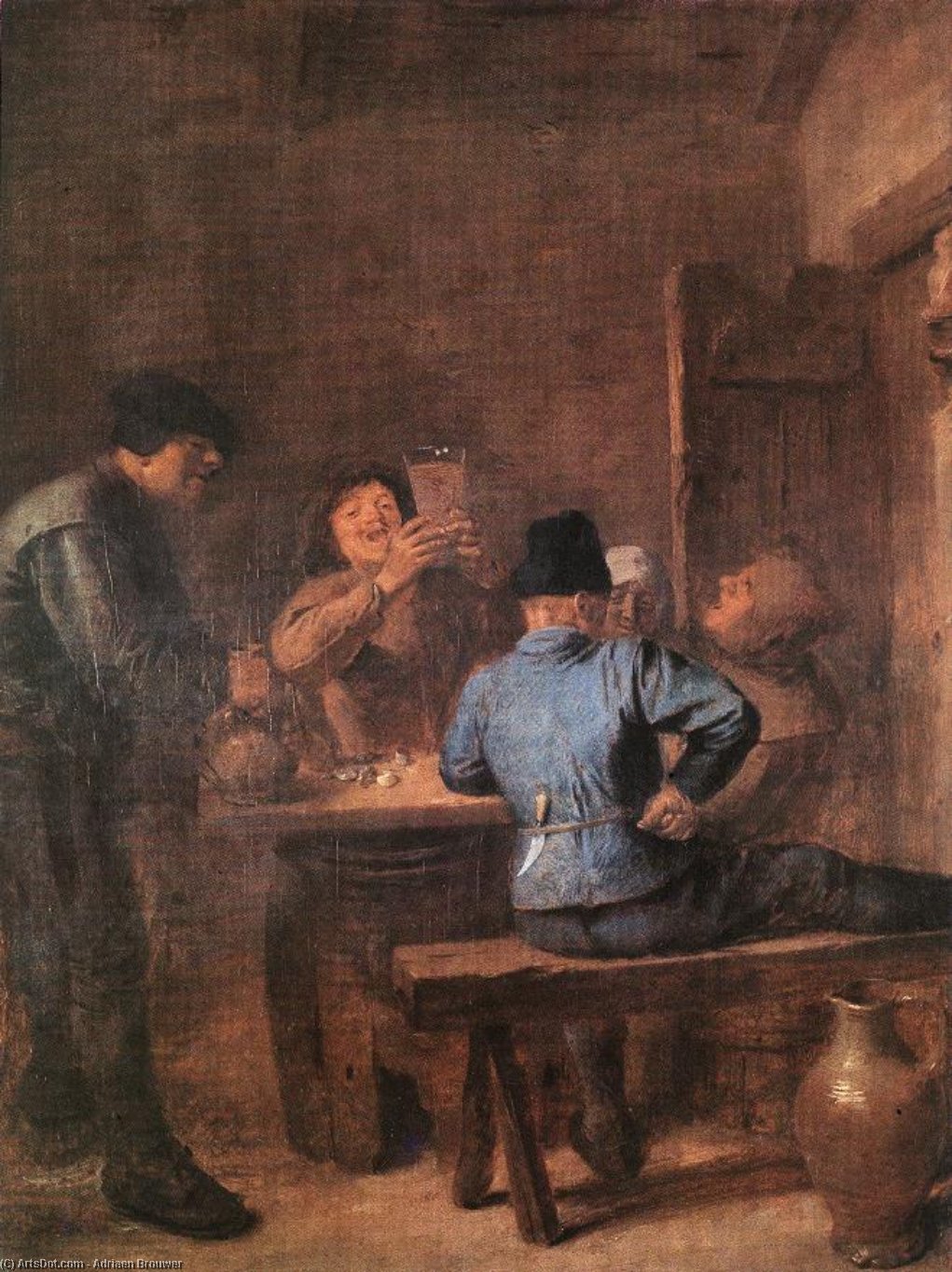
In the Tavern
 Acrylic On Canvas
- WallArt
- Baroque Genre Painting
 36.0 x 27.0 cm
 アルテ・ピナコテーク
 詳細を見る
詳細を見る




P118B $10

P118H $10

P118W $10

P438Z $10

P508JH $12

P508YH $12

P805H $10

P805Z $10

P919BZ $10

P919G $10

P919XJ $10

P959ZH $10

P968JZ $12

W106C $8

W218G $10

W218JH $8

W218Y $10

W307PJ $10

W316G $10

W316PJ $8

W316Y $10

W398PJ $8

W4111J $10

W500HY $15

W500JH $15

W692G $12

W849H $8

W940BG $15

W953PJ $8




作品のオリジナル比率に合わせた、当店の規定サイズからお選びください。

特定のフレームやスペースに合わせて、ご希望のサイズをご入力いただけます。選択されたサイズが元の画像の比率と異なる場合、アートワークをトリミングするか、手描きで要素を追加して絵画を拡張いたします。デジタルモックアップ を制作し、制作開始前にご確認(承認)をいただきます。
画面上のプレビューは、実際のトリミングや拡張を正確に反映しているものではありません。最終的な構図は、モックアップによってのみ正確にご確認いただけます。
カスタムサイズもご利用いただけますが、元の比率を維持するためには、あらかじめ用意されたリストからサイズを選択することをお勧めいたします。
ご注文後、ArtsDot.com チームより詳細な指示をお送りするとともに、仕上がりイメージ(モックアップ)をご提供いたします。


 ガラスオプションは、110cm未満のサイズでのみご利用いただけます。

In the Tavern
複製技法
複製画のサイズ
-


合計金額
$ 263
作品解説
A Snapshot of Rustic Revelry: Adriaen Brouwer’s ‘Tavern Scene’
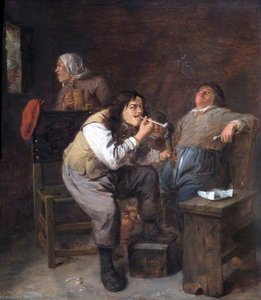
Adriaen Brouwer's “Tavern Scene,” painted in 1635, stands as a cornerstone of Baroque genre art—a vibrant testament to the everyday realities of Dutch society during its Golden Age. More than just a depiction of a tavern interior, it’s a masterful exploration of human behavior and social dynamics captured with breathtaking immediacy. Brouwer's genius lies not merely in his technical skill but in his ability to distill complex emotions into a single frame, inviting viewers to contemplate the nuances of human interaction.The Baroque Vision: Light, Shadow, and Dramatic Composition
The painting embodies the tenets of Baroque aesthetics—a stylistic movement characterized by grandeur, dynamism, and theatricality. Brouwer skillfully employs chiaroscuro, manipulating light and shadow to create a palpable sense of depth and atmosphere. The central figure, bathed in warm illumination emanating from an unseen window, contrasts sharply with the darker recesses of the tavern, drawing attention to his posture and gaze—a gesture of quiet contemplation amidst the boisterous activity surrounding him. This deliberate use of lighting isn’t simply decorative; it serves as a crucial element in conveying emotion and highlighting textural details within the scene.A Window into Dutch Life: Observation and Social Commentary
“Tavern Scene” offers an unparalleled glimpse into the lives of ordinary Dutch citizens—peasants, laborers, and merchants alike—who frequented taverns for sustenance, socializing, and entertainment. Brouwer’s meticulous observation is evident in every aspect of the composition, from the worn wooden bench to the earthenware jugs on the table. However, the painting transcends mere documentation; it subtly critiques societal norms through its portrayal of drunken revelry and coarse behavior. Brouwer doesn't shy away from depicting uncomfortable truths about human nature—a characteristic boldness that aligns perfectly with the Baroque tradition’s penchant for confronting moral dilemmas.Technique and Artistic Impression
Brouwer’s technique is marked by loose brushstrokes and a palpable sense of spontaneity, reflecting the Baroque emphasis on capturing fleeting moments of experience. The artist's hand dances across the canvas, creating textured surfaces that convey the warmth of candlelight and the roughness of tavern furnishings. Color palettes are muted yet rich, dominated by earthy tones—browns, ochres, and reds—that contribute to the painting’s overall mood of rustic charm and understated drama. These stylistic choices underscore Brouwer's commitment to portraying reality with unflinching honesty while simultaneously elevating it into a work of art.Legacy and Enduring Appeal
“Tavern Scene” continues to resonate with audiences today, serving as an enduring symbol of the Baroque period’s fascination with human psychology and its ability to capture the spirit of its time. Its influence can be seen in subsequent genre paintings—particularly those produced by Josse van Craesbeeck and Peter Fendi—who adopted Brouwer's innovative approach to depicting everyday life. More than just a beautiful image, it remains a profound meditation on human behavior and social observation—a timeless masterpiece that invites contemplation and inspires admiration for the artistry of Adriaen Brouwer.関連作品
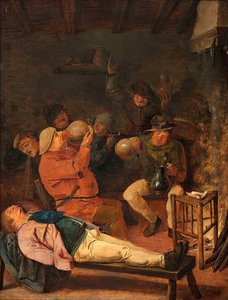
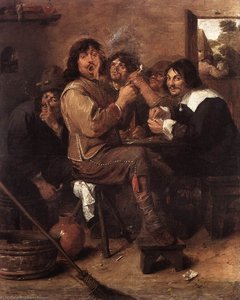
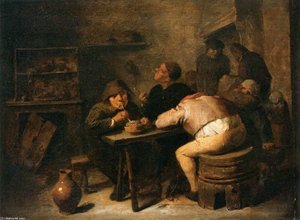
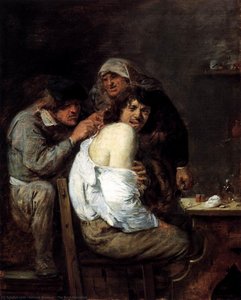
アーティストの略歴
早すぎる終焉:アドリアーン・ブラウウェールの激動の生涯
17世紀のフランドルおよびオランダ絵画の鮮烈なエネルギーを象徴する名、アドリアーン・ブラウウェール。風俗画の世界に多大な影響を与えた彼ですが、その足跡は謎に包まれたままの人物でもあります。ベルギーのオーデナールデに1605年または1606年頃(正確な年は諸説あります)に生まれたブラウウェールの生涯はあまりにも短く、1638年1月、40歳を迎える前に悲劇的な最期を遂げました。父アドリアーンもまたタペストリーのデザイナーであり、幼いブラウウェールは早い時期から視覚的な構図やデザインに触れて育ちました。しかし、彼がわずか15歳の時に過酷な運命が訪れます。父の死により、彼は家を離れざるを得なくなり、芸術的な輝きと個人的な苦悩が入り混じる道へと踏み出したのです。この若き日の自立は、彼の反骨精神を形作り、人生の底流にある機微を見つめる鋭い観察眼を養うこととなりました。そしてそのテーマこそが、後に彼の作品の中核を成していくことになります。風俗画の先駆者:日常の真髄を捉える
ブラウウェールは、人々の日常生活を描き出す芸術運動である「風俗画」において、瞬く間に重要な革新者としての地位を確立しました。彼は決して日常を理想化したり、ロマンチックに美化したりはしませんでした。むしろ、農民や兵士、そして市井の人々の世界を、ありのままの、飾らない姿で提示したのです。彼にとって酒場は好んで描かれる舞台であり、そこには飲酒や喫煙、トランプ、喧嘩に興じる人々、あるいはただ日々のルーチンの中に存在する人々の活気が溢れていました。酒場の飲んだくれたち、小作農のトランプ遊び、喧嘩といった作品は、単なる活動の記録ではありません。それらは身振りや表情、そして光と影の繊細な相互作用を通じて人物の性格を浮き彫りにする、心理的な研究とも言えるものです。彼は人間同士の交流における一瞬の機微を捉える類まれな才能を持っており、その場面に宿る即時性と真実味は、当時の観衆の心を深く揺さぶりました。例えば喫煙者たちには、賑やかなグループの中に彼自身の自画像が含まれていると信じられており、彼が描いた喧騒に満ちた社交生活に、彼自身も身を投じていたことを物語っています。彼の絵画の本質は、人々が「何をしたか」だけでなく、その瞬間に「どのように感じていたか」を描き出すことにあったのです。影響と芸術様式:伝統と革新の融合
ブラウウェールの芸術的発展は、魅力的な影響の交錯によって形作られました。彼はヤン・ファン・エイクやロバート・カンピンといったフランドル派の先駆者たちが持つ緻密なリアリズムを深く敬愛しており、それは細部へのこだわりや質感の正確な描写に顕著に表れています。しかし、彼は単なる模倣に甘んじることはありませんでした。ブラウウェールはバロック美術の特徴である劇的な照明と感情的な強烈さを取り入れ、自身の構図にダイナミックなエネルギーを注入しました。彼の様式は、リアリズムとユーモアの見事な融合、そして人間行動に対する驚くほど生き生きとした観察眼によって特徴づけられます。人生のあまり美しくない側面を描くことを避けることなく、それでいて道徳的な判断を下すこともなく、共感と理解を持って描き切りました。この独自の追求は、同時代の多くの画家たちとは一線を画し、後の世代の風俗画家たちの道を切り拓くこととなったのです。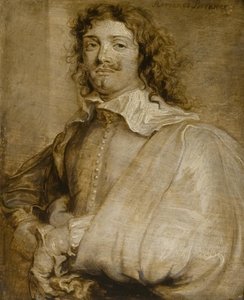
アドリアーン・ブラウェール
1635 - 1638 , ベルギー
基本情報
- Artistic Movement Or Style: バロック、風俗画
- Artists Or Movements Influenced By This Artist: ['デイヴィッド・テナリエルス(子)']
- Artists Who Influenced This Artist: ['フランドル派(初期フランドル派)']
- Date Of Birth: 1605/1606年
- Date Of Death: 1638年
- Full Name: アドリアーン・ブラウアー
- Nationality: フランドル
- Notable Artworks:
- 酒場での貧しい人々の飲酒
- トランプに興じる小作農
- 喫煙者
- 喧嘩
- 月明かりの風景
- Place Of Birth: ベルギー、オーデナールデ
関連記事
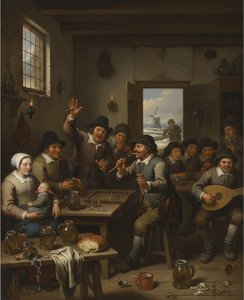
Adriaen Brouwer: Capturing Dutch Life & Social Commentary Through Genre Painting
Explore the captivating world of Adriaen Brouwer, a master of Dutch Golden Age genre painting. Discover his vivid depictions of peasant life, social commentary, and lasting influence on art history. Learn more at ArtsDot.
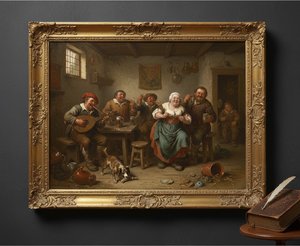
Adriaen van Ostade: A Master of Dutch Genre Painting & Social Commentary
Explore the life & work of Adriaen van Ostade, a leading Dutch Golden Age painter. Discover his realistic genre scenes, social commentary, and lasting influence on art history. Learn more at ArtsDot.

Golden Age Reflections: Dutch Baroque Painting & Cultural Innovation
Explore the Dutch Golden Age of painting! Discover key artists like Vermeer & ter Borch, their innovative techniques, and the rich cultural context behind these Baroque masterpieces. Learn about collecting & appreciating this iconic art period.

Dutch Baroque Masters: 10 Paintings That Shaped an Era | ArtsDot
Journey through the Golden Age with our guide to the Top 10 Dutch Baroque masterpieces! Explore iconic paintings by Rembrandt, Vermeer & Frans Hals. Find museum-quality art reproductions and elevate your home decor at ArtsDot.com.
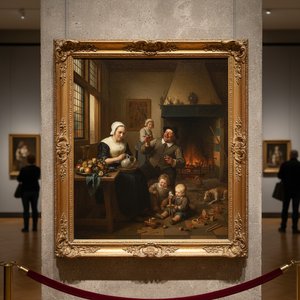
Genre Painting: A Window into Daily Life & Societal Values of the Dutch Golden Age
Explore the captivating world of Dutch Golden Age genre painting! Discover realistic depictions of daily life, masterful artists like Ostade & Metsu, and hidden symbolism. Learn about this influential art movement with ArtsDot.

