

 プレビュー
プレビュー
 シェアする
シェアする シェアする
シェアする
 詳細を見る
詳細を見る

 ダウンロード
 似ている作品
 X線調査
X線調査 スライドショー
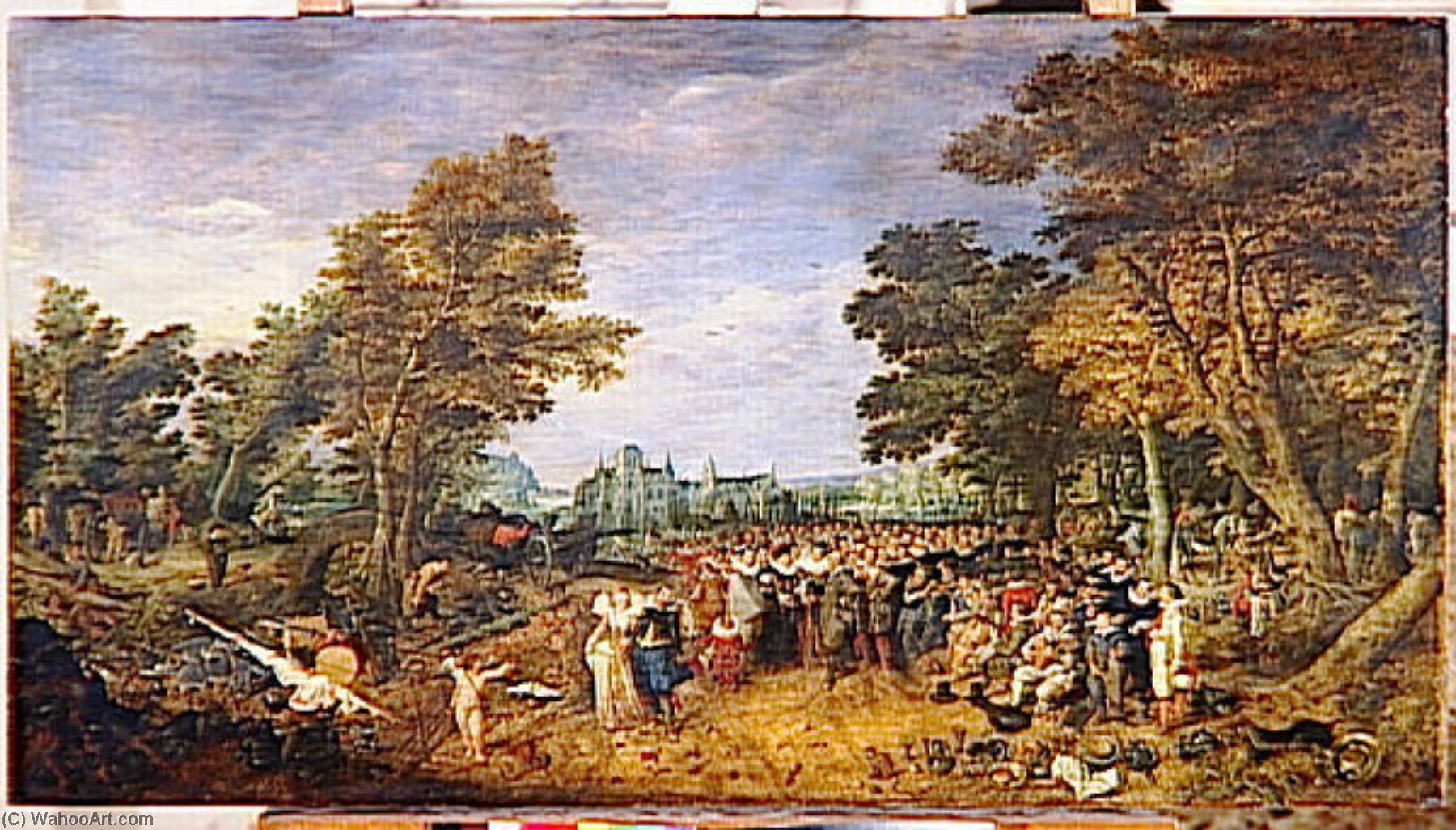
ALLEGORIE DE LA TREVE DE 1609 ENTRE L'ARCHIDUC D'AUTRICHE, GOUVERNEUR DES PAYS BAS DU SUD, ET LES ETATS DES PAYS BAS DU NORD


 詳細を見る
詳細を見る
ジークレー/アートプリント
迅速な制作と多彩な仕上げオプションを備えた、ミュージアムクオリティのジークレーまたはキャンバスプリント。 ( 手描きの絵画を購入 画像を購入)




P118B $10

P118H $10

P118W $10

P438Z $10

P508JH $12

P508YH $12

P805H $10

P805Z $10

P919BZ $10

P919G $10

P919XJ $10

P959ZH $10

P968JZ $12

W106C $8

W218G $10

W218JH $8

W218Y $10

W307PJ $10

W316G $10

W316PJ $8

W316Y $10

W398PJ $8

W4111J $10

W500HY $15

W500JH $15

W692G $12

W849H $8

W940BG $15

W953PJ $8




作品のオリジナル比率に合わせた、当店の規定サイズからお選びください。

特定のフレームやスペースに合わせて、ご自身でサイズを指定することも可能です。選択されたサイズが元の画像の比率と一致しない場合、作品をトリミングするか、鏡面反射または単色での塗りつぶしによって画像を拡張いたします。制作を開始する前に、ご確認用のデジタルモックアップをお送りいたします。
画面上のプレビューには、実際のトリミングや拡張は反映されませんのでご注意ください。最終的な構図を正確に確認できるのは、モックアップのみとなります。
カスタムサイズも承っておりますが、元の比率を維持するためには、あらかじめ用意されたリストからサイズを選択することをお勧めいたします。


 ガラスオプションは、110cm未満のサイズでのみご利用いただけます。

ALLEGORIE DE LA TREVE DE 1609 ENTRE L'ARCHIDUC D'AUTRICHE, GOUVERNEUR DES PAYS BAS DU SUD, ET LES ETATS DES PAYS BAS DU NORD
ジークレー/アートプリント
複製画のサイズ
-


合計金額
$ 62
A Frozen Moment of Negotiation: Adriaen van de Venne’s Allegory of the Twelve-Year Truce
Adriaen Pietersz van de Venne's “Allegorie de la Trêve de 1609 entre l’Archiduc d’Autriche, gouverneur des Pays-Bas du Sud, et les États des Pays-Bas du Nord” is more than just a painting; it’s a meticulously crafted tableau of political maneuvering and symbolic reconciliation. Completed in Delft around 1616, this monumental oil on canvas transports the viewer to a pivotal moment in Dutch history – the cessation of hostilities between the Spanish Netherlands and the fledgling Dutch Republic after twelve years of brutal warfare. Van de Venne, a master of allegorical representation, doesn’t simply depict an event; he constructs a complex narrative brimming with layered meaning, inviting contemplation on themes of peace, power, and the precarious balance of European politics.
The scene unfolds within a vast, meticulously rendered landscape – a field dotted with trees, suggesting both the natural world and the fertile ground for negotiation. Dominating the foreground is an imposing stone bridge, acting as a symbolic threshold between opposing forces. On one side stands the Archduke Albert of Austria, representing the Spanish Netherlands, flanked by his wife, Isabelle, radiating an aura of regal authority. Opposite him are representatives from the Dutch Republic, including Maurice and Frederick of Orange, their posture conveying cautious optimism. The sheer scale of the figures underscores the gravity of the situation – a truce that held the entire region in suspense for years.
A Symphony of Symbolism
Van de Venne’s genius lies not just in his technical skill but also in his masterful deployment of symbolism. Scattered throughout the composition are potent visual cues designed to communicate complex ideas. A scattering of weapons and armor, rendered with a touch of melancholic humor, represents the devastation of war – a deliberate reminder of the cost of conflict. A pair of doves, emblems of peace, flutter gracefully above the scene, while an amorous Cupid shoots arrows towards a blossoming rose, symbolizing the hope for reconciliation and future prosperity. The inclusion of animals—a lion representing Spain and a horse signifying the Netherlands—adds another layer of symbolic depth, grounding the allegorical elements in tangible representations of power.
Notably, the painting incorporates elements of vanitas – still-life objects that traditionally served as reminders of mortality and the transience of earthly pleasures. A discarded goblet, a broken lute, and scattered coins hint at the fleeting nature of worldly possessions and the futility of material pursuits in the face of conflict. These subtle details elevate the work beyond a simple historical record, transforming it into a meditation on human folly and the enduring pursuit of peace.
The Artist’s Hand: Technique and Style
Van de Venne's style is firmly rooted in the Dutch Golden Age, characterized by its dramatic lighting, rich colors, and meticulous attention to detail. He employs a technique known as “chiaroscuro,” skillfully manipulating light and shadow to create a sense of depth and volume within the composition. The figures are rendered with remarkable realism, their expressions conveying a range of emotions – from cautious anticipation to weary resignation. The landscape is painted with atmospheric perspective, creating a believable sense of distance and contributing to the overall feeling of grandeur.
Interestingly, Van de Venne’s work shares stylistic affinities with the Flemish painter Peter Paul Rubens, particularly in his use of vibrant colors and dynamic compositions. However, Van de Venne possesses a distinct sensibility, evident in his ability to infuse allegorical scenes with a subtle sense of irony and moral judgment. His paintings are not merely decorative; they offer insightful commentary on the social and political realities of his time.
A Legacy of Peace – And a Reproduction for Today
“Allegorie de la Trêve de 1609” remains a powerful testament to the enduring human desire for peace. It’s a painting that speaks volumes about the complexities of diplomacy, the cost of war, and the importance of reconciliation. Today, high-quality reproductions offer an accessible way to experience the beauty and intellectual depth of this remarkable work. Whether displayed in a grand hall or a cozy living room, a faithful reproduction allows us to contemplate Van de Venne’s masterful depiction of a pivotal moment in European history – a frozen tableau of negotiation that continues to resonate with contemporary audiences.
関連作品


アーティストの略歴
流転の果てに築かれた生涯:アドリアーン・ピエテルス・ファン・デ・ヴェネの世界
オランダ黄金時代の躍動するエネルギーをその名に宿すアドリアーン・ピエテルス・ファン・デ・ヴェネは、単なる画家という枠には収まりきらない存在でした。彼は視覚的な物語の語り手であり、社会の批評家であり、そして17世紀という複雑な時代の潮流を巧みに泳ぎ切った多才な芸術家でもありました。1589年にデルフトで生まれた彼の出自は、まさに激動の中にありました。南ネーデルラントでの宗教的迫害から逃れてきた両親の影響により、幼少期に抱いた「居場所のなさ」という感覚が、社会の亀裂や人間の愚かさに対する鋭い観察眼を養う糧となったのかもしれません。この初期の経験は、彼の芸術的ビジョンのみならず、世界を映し出す鏡として、喜びや悲しみ、そして時に痛烈な皮肉までも描き出そうとする芸術への献身的な姿勢を形作りました。ファン・デ・エネの学びはライデンから始まり、大学街の知的な熱気に身を投じる中でラテン語の基礎を習得しました。この知識は後に、古典的な寓意やヒューマニズム思想を理解する上で大きな力となります。その後、金細工師であり画家でもあったシモン・デ・ヴァルクのもとで正式な修行を開始し、さらにイェロニムス・ファン・ディエストに師事することで、グレーの濃淡のみで描く繊細な技法「グリザイユ」の技術を磨き上げました。このモノクロームの技法は、後に彼の作風を象徴する代名詞となるのです。寓意から日常へ:進化し続ける芸術的声
ファン・デ・ヴェネの芸術的な旅路が真に開花したのは、1614年のミデルブルフへの移住でした。この地で彼は、農民の生活や寓意的な場面を描いたヤン・ブーヘルの父と息子の作品から、強烈な影響を受けます。彼らの描く世界は、当時芽生えつつあった自身の感性と深く共鳴したのです。この時期に制作された多彩な才能:キャンバスを超えて
ファン・デ・ヴェネの才能は、絵画の領域を遥かに超えて広がっていました。彼はキャリアを通じて、本の挿絵画家や版画のデザインを手がけ、オランダ黄金時代の隆盛を極めた文学界にも大きく貢献しました。当時の芸術家にとって多才であることは珍しいことではありませんでしたが、ファン・デ・エネは複数の媒体における作品の質と独創性において、際立った存在感を示しました。1625年にハーグへ移住すると、彼は街の芸術コミュニティに欠かせない存在となりました。聖ルカ組合において急速に地位を築き、1637年にはその責任者であるデーン(長)を務めるまでになります。この地位は、彼が芸術界における確固たる地位を確立していたことを裏付けるとともに、仲間の芸術家たちの利益を守るための先駆的な役割を果たすことにも繋がりました。また、彼は芸術家の社会的地位向上と、より学術的な教育体制の推進を目指す組織「コンフレリー・ピクトゥラ」の創設メンバーの一人でもありました。その才能は高貴な人々からも認められ、オランダ総督フリードリヒ・ヘンデルのために肖像画や歴史画を描くといった重要な依頼も受けており、格調高い肖像画から壮大な物語画に至るまで、その卓越した技術を証明しました。遺産と永続する影響力
アドリアーン・ピエテルス・ファン・デ・ヴェネが遺した芸術的遺産は、多面的な輝きを放っています。寓意、風俗画、肖像画、グリザイユ、そして風刺画の達人として、彼はまさにオランダ黄金時代の真のポリマス(博識家)でした。彼の作品は、当時の社会、宗教、政治の情勢に対する貴重な洞察を与えてくれ、17世紀という複雑な時代を多角的な視点から見つめることを可能にしてくれます。今日では、レンブラントやフェルメールといった同時代の巨匠たちほど広く知られているわけではないかもしれませんが、ファン・デ・ヴェネの影響は、1662年にハーグで彼が世を去った後も長く続きました。グリザイユや風俗画を用いた彼の技法は、後の世代の芸術家たちにインスピレーションを与え続け、人間性に対する彼の風刺的な眼差しは、現代においてもなお色褪せることがありません。彼の作品は、芸術とは美しく、かつ思考を促すものであり、人を楽しませ、教育し、そして私たちの世界観に挑戦し得るものであることを思い出させてくれます。 彼は、単に審美的に美しいだけでなく、歴史的にも極めて重要な、自身の技術と知性、そして時代精神を捉えようとした揺るぎない情熱の証としての作品群を、私たちに残してくれたのです。作品の主な特徴
寓意的な深み: ファン・デ・ヴェネは、複雑な道徳的あるいは政治的なメッセージを伝えるために、しばしば寓意を用いました。 風俗画の写実性: 日常生活の描写は驚くほど細部まで描き込まれており、オランダ社会の本質を見事に捉えています。 グリザイユの極致: モノクロームのパレットを駆使して、印象的で情緒豊かなイメージを生み出すグリザイユの著名な達人でした。 風刺的な批評: 彼の作品には、しばしば繊細あるいは露骨な風刺が含まれており、人間の行動や社会規範に対する鋭い批判を提示しています。 諺の図解: 多くの絵画が、当時の普及していた諺や言い回しを題材としており、作品に深い意味と文化的文脈を添えています。
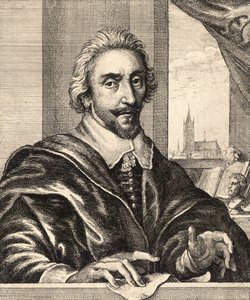
アドリアーン・ピータースス・ファン・デ・ヴェンネ
1589 - 1662
基本情報
- Artistic Movement Or Style: オランダ黄金時代絵画
- Artists Who Influenced This Artist:
- ヤン・ブリューゲル(父)
- ピーテル・ブリューゲル(父)
- Date Of Birth: 1589年
- Date Of Death: 1662年
- Full Name: アドリアーン・ピータースス・ファン・デ・ヴェネ
- Nationality: オランダ
- Notable Artworks:
- 魂の釣り
- 愚か者こそが最も楽しむ
- Place Of Birth: オランダ、デルフト
関連記事
Willem van de Velde the Elder: Master of Maritime Painting & Chronicler of the Dutch Golden Age
Discover the captivating maritime paintings of Willem van de Velde the Elder, a master chronicler of the Dutch Golden Age. Explore his unparalleled realism and lasting influence on naval art history.
Adriaen van Ostade: A Master of Dutch Genre Painting & Social Commentary
Explore the life & work of Adriaen van Ostade, a leading Dutch Golden Age painter. Discover his realistic genre scenes, social commentary, and lasting influence on art history. Learn more at ArtsDot.

黄金世紀の巨匠たち:バロック絵画が彩る10選|ArtsDot
オランダ黄金時代の10大傑作を紐解く!レンブラント、フェルメール…バロック絵画の魅力と時代背景を深く探求。ArtsDotで、至高のアートコレクションと空間演出のヒントを見つけよう。高品質なアートプリントで、お部屋を華やかに。

レンブラント傑作25選:光と影の巨匠、魂を揺さぶる名画の世界 | ArtsDot
レンブラントの傑作25選。光と影の魔術師が描いた魂を揺さぶる名画の世界へ。美術史に残る自画像、夜警、宗教画…ArtsDotで高品質なアートプリントやインテリアアートをお楽しみください。コレクションはこちら→
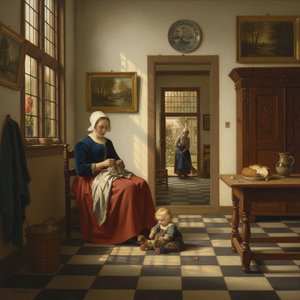
Pieter de Hooch: Illuminating Dutch Domestic Life & Golden Age Charm
Explore the captivating world of Pieter de Hooch, a master of Dutch Golden Age painting. Discover his innovative use of light, intimate domestic scenes, and lasting influence on art history. Learn more at ArtsDot.

