メニュー
無料アート相談
プレビュープレビュー ARで試着ARで試着 プリントを購入 プリントを購入画像を購入 画像を購入 シェアするシェアする
詳細を見る詳細を見る お気に入りに追加 お気に入りに追加 ダウンロードダウンロード 似ている作品似ている作品 X線調査X線調査 スライドショースライドショー

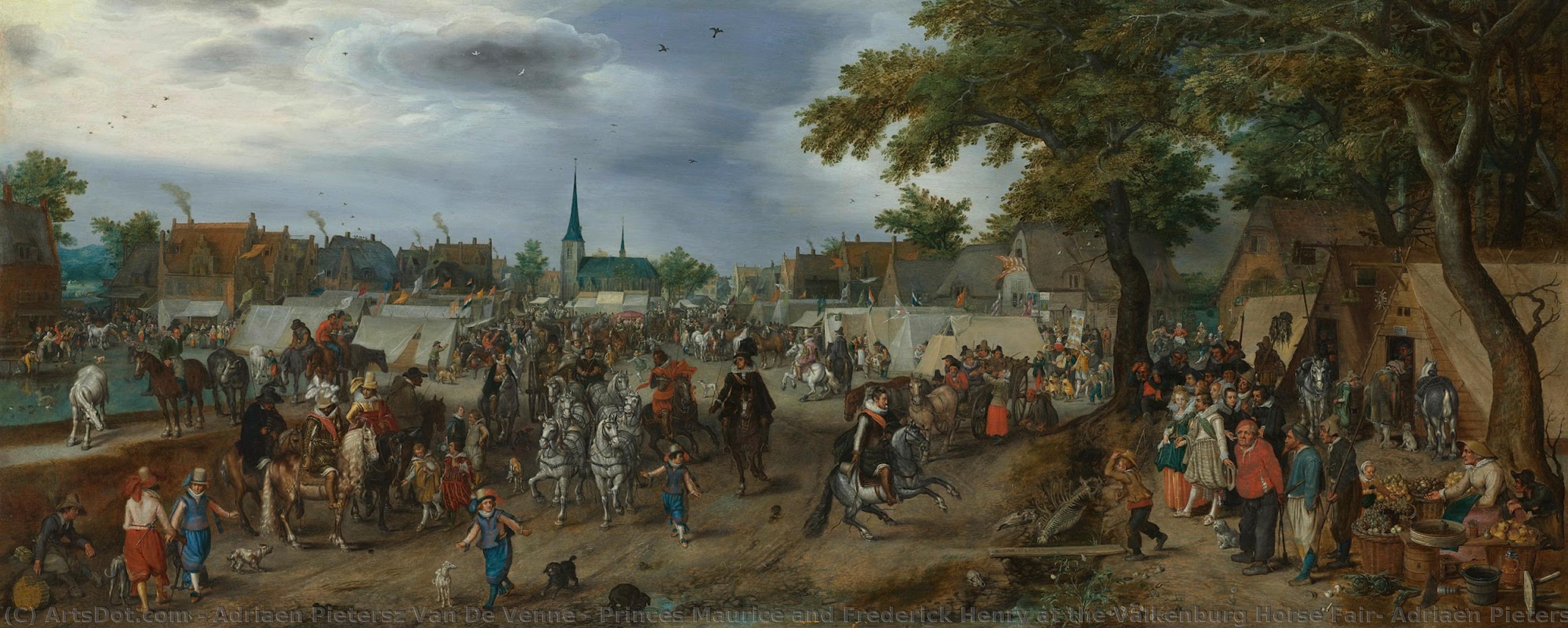
Princes Maurice and Frederick Henry at the Valkenburg Horse Fair, Adriaen Pietersz van de Venne, 1618

  • 制作日1618
  • 寸法54.0 x 134.0 cm

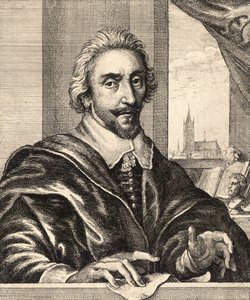
アドリアーン・ファン・デ・ヴェン(1589-1662)をご紹介。寓意画、風俗画、肖像画、そして社会風刺や道徳的教訓を反映した風刺画で知られる、オランダ黄金時代の画家です。

手描き油彩複製画

当社のアーティストが、お客様のご希望のサイズと額縁に合わせて、キャンバスに手描きで制作する油彩画です。 (プリントを購入 プリントを購入画像を購入 画像を購入)

標準サイズ
オーダーメイド
CM
INCH

作品のオリジナル比率に合わせた、当店の規定サイズからお選びください。

高さ

特定のフレームやスペースに合わせて、ご希望のサイズをご入力いただけます。選択されたサイズが元の画像の比率と異なる場合、アートワークをトリミングするか、手描きで要素を追加して絵画を拡張いたします。デジタルモックアップ を制作し、制作開始前にご確認(承認)をいただきます。
画面上のプレビューは、実際のトリミングや拡張を正確に反映しているものではありません。最終的な構図は、モックアップによってのみ正確にご確認いただけます。
カスタムサイズもご利用いただけますが、元の比率を維持するためには、あらかじめ用意されたリストからサイズを選択することをお勧めいたします。

カスタマイズの例:顔をお客様の写真に置き換える、ペットを追加する(例:猫を犬に変更)、背景に隠れたメッセージを入れる、背景の風景や要素を変更するなど。
ご注文後、ArtsDot.com チームより詳細な指示をお送りするとともに、仕上がりイメージ(モックアップ)をご提供いたします。

世界中への配送()は、通常の5週間ではなく、3〜4週間でお届けいたします。(2 9月)。品質には一切妥協いたしません。

why_choose_icon
世界中へ無料エクスプレス配送
why_choose_icon
高品質なリネンキャンバス
why_choose_icon
配送時完全保険付
why_choose_icon
関税・輸入税の払い戻し保証
why_choose_icon
忠実な色彩再現保証
why_choose_icon
60日間返品保証(製造上の欠陥のみ)
why_choose_icon
100% 全額返金保証
why_choose_icon
まとめ買い割引のご案内

合計金額

$ 263

reproduction

Princes Maurice and Frederick Henry at the Valkenburg Horse Fair, Adriaen Pietersz van de Venne, 1618

複製技法

複製画のサイズ

-

合計金額

$ 263

The setting of this painting was long thought to be a kermis in Rijswijk, and was only later recognized as being the horse fair at Valkenburg, a small village north of The Hague.10 The subject is the visit to the fair of Maurits and Frederik Hendrik, who are clearly recognizable in the open carriage drawn by six greys. Their retinue consists of two closed carriages, each drawn by four brown horses, accompanied by horsemen and several pages on foot. One of the riders is making a levade towards a distinguished looking couple in the right foreground, whom Pelinck persuasively identified as Johan de Hertoghe van Orsmael and his wife Josyna de Beye.11 In 1615, De Hertoghe van Orsmael had bought the manor of Valkenburg and had forged a strong bond with the village, and even accepted payment so that the horse fair could continue to be held there.12 In addition, he was in Maurits’s service. In 1618, when he had himself portrayed in this painting, he was Quartermaster-General of the States army.13 Given this background, it is only natural that De Hertoghe van Orsmael should allow Van de Venne to portray him as a sort of host of Maurits and Frederik Hendrik. The faithful depiction of the Valkenburg horse fair combined with portraits of the couple indicate that Van de Venne travelled to Valkenburg for the commission. His reputation as a painter had evidently spread beyond Middelburg by 1618, and this is confirmed by the state portraits of Maurits and Frederik Hendrik that were published as prints that same year. In 1619, the States-General ordered 25 impressions of them on satin.14 The frieze-like format, meticulous execution and ambitious design with numerous figures and a wealth of secondary details are in the same mould as Van de Venne’s Fishing for Souls (SK-A-447) of 1614 and, above all, The Departure of a Dignitary from Middelburg of 1615 (SK-A-1775). As in the latter work, the wealthy burghers and dignitaries are shown cheek by jowl with the simple villagers, who have even been brought to the foreground and thus play a more prominent role in the composition. The style is a little looser than in the two earlier works, and the relationships between the groups of figures are more successful. There are more anecdotal details, such as the peasants brawling in the left background and the woman running a stall in the right foreground, who is being robbed by a boy. This is an example of the comical and moralistic tone that is such a feature of Van de Venne’s later works. Westermann has put forward an unconvincing argument that these motifs appear to justify the imposition of centralized order by the Republic’s leaders, making The Valkenburg Horse Fair patriotic in nature.15 The still life of shells in the right foreground is an unrealistic element in an otherwise naturalistic scene. Variants of this shell still life are found in Fishing for Souls and The Departure of a Dignitary from Middelburg, and can be regarded as the artist’s personal mark. In his later paintings these carefully elaborated still lifes were replaced by the motif of three mussels.16 In Braunschweig there is a drawing which is generally regarded as a preliminary study for the small group of horsemen in the left foreground (fig. a).17 However, there are arguments for the drawing being made after the painting, and not the other way round. In the painting there is a pentimento by the forelegs of the foremost horse of which there is no trace in the drawing, which follows the painted surface precisely.18 Also missing in the drawing is the little dog that the leading rider is looking at in the painting, with the result that his downward gaze in the drawing loses its point. Finally, the fall of light in the painting is followed precisely in the drawing. The purpose of the drawing appears to have been more to reuse the motif of the mounted group in other works, as in the case of the horseman in the album ’tLants Sterckte (The land’s fortress and strength) of 1626.19 Although not followed literally, the portrait studies of Maurits and Frederik Hendrik painted on paper (SK-A-1776) could have served as models for their portraits in The Valkenburg Horse Fair. Keyes rightly observed that Van de Venne’s Horse Fair was a model for Prince Maurits and Frederik Hendrik at the Rijswijk Horse Fair by Esaias van de Velde, who probably saw it in De Hertoghe van Orsmael’s collection.20 Yvette Bruijnen, 2007 See Bibliography and Rijksmuseum painting catalogues See Key to abbreviations and Acknowledgements This entry was published in J. Bikker (ed.), Dutch Paintings of the Seventeenth Century in the Rijksmuseum Amsterdam, I: Artists Born between 1570 and 1600, coll. cat. Amsterdam 2007, no. 294.

アーティストの略歴

流転の果てに築かれた生涯:アドリアーン・ピエテルス・ファン・デ・ヴェネの世界

オランダ黄金時代の躍動するエネルギーをその名に宿すアドリアーン・ピエテルス・ファン・デ・ヴェネは、単なる画家という枠には収まりきらない存在でした。彼は視覚的な物語の語り手であり、社会の批評家であり、そして17世紀という複雑な時代の潮流を巧みに泳ぎ切った多才な芸術家でもありました。1589年にデルフトで生まれた彼の出自は、まさに激動の中にありました。南ネーデルラントでの宗教的迫害から逃れてきた両親の影響により、幼少期に抱いた「居場所のなさ」という感覚が、社会の亀裂や人間の愚かさに対する鋭い観察眼を養う糧となったのかもしれません。この初期の経験は、彼の芸術的ビジョンのみならず、世界を映し出す鏡として、喜びや悲しみ、そして時に痛烈な皮肉までも描き出そうとする芸術への献身的な姿勢を形作りました。ファン・デ・エネの学びはライデンから始まり、大学街の知的な熱気に身を投じる中でラテン語の基礎を習得しました。この知識は後に、古典的な寓意やヒューマニズム思想を理解する上で大きな力となります。その後、金細工師であり画家でもあったシモン・デ・ヴァルクのもとで正式な修行を開始し、さらにイェロニムス・ファン・ディエストに師事することで、グレーの濃淡のみで描く繊細な技法「グリザイユ」の技術を磨き上げました。このモノクロームの技法は、後に彼の作風を象徴する代名詞となるのです。

寓意から日常へ:進化し続ける芸術的声

ファン・デ・ヴェネの芸術的な旅路が真に開花したのは、1614年のミデルブルフへの移住でした。この地で彼は、農民の生活や寓意的な場面を描いたヤン・ブーヘルの父と息子の作品から、強烈な影響を受けます。彼らの描く世界は、当時芽生えつつあった自身の感性と深く共鳴したのです。この時期に制作された「魂の釣り」は、八十年戦争によって引き裂かれていたヨーロッパの宗教紛争を象徴的に表現した、極めて示唆に富む傑作です。この初期の作品において、彼は複雑な政治的・神学的な概念を説得力のある視覚的物語へと翻訳する能力を示し、自らが「語るべき重要なメッセージを持つ画家」であることを世に知らしめました。キャリアが進むにつれ、ファン・デ・ヴェネは次第に風俗画へと関心を移していきます。そこには農民、物乞い、泥棒、そして愚者たちが描かれた日常の光景が広がっていました。しかし、それらは単なる観察記録ではありませんでした。そこには、著名な詩人であり劇作家でもあったヤコブ・カッツの著作に強く影響を受けた道徳的な教訓や諺(ことわざ)が吹き込まれていたのです。画家と作家のこの共鳴は実り豊かなものとなり、活気あふれる市場、騒がしい酒場、そして社会の底流にある不安を捉えた数多くの版画やグリザイユを生み出しました。彼は単に生活を記録していたのではなく、風刺と社会批判というレンズを通して、人生を解釈していたのです。

多彩な才能:キャンバスを超えて

ファン・デ・ヴェネの才能は、絵画の領域を遥かに超えて広がっていました。彼はキャリアを通じて、本の挿絵画家や版画のデザインを手がけ、オランダ黄金時代の隆盛を極めた文学界にも大きく貢献しました。当時の芸術家にとって多才であることは珍しいことではありませんでしたが、ファン・デ・エネは複数の媒体における作品の質と独創性において、際立った存在感を示しました。1625年にハーグへ移住すると、彼は街の芸術コミュニティに欠かせない存在となりました。聖ルカ組合において急速に地位を築き、1637年にはその責任者であるデーン(長)を務めるまでになります。この地位は、彼が芸術界における確固たる地位を確立していたことを裏付けるとともに、仲間の芸術家たちの利益を守るための先駆的な役割を果たすことにも繋がりました。また、彼は芸術家の社会的地位向上と、より学術的な教育体制の推進を目指す組織「コンフレリー・ピクトゥラ」の創設メンバーの一人でもありました。その才能は高貴な人々からも認められ、オランダ総督フリードリヒ・ヘンデルのために肖像画や歴史画を描くといった重要な依頼も受けており、格調高い肖像画から壮大な物語画に至るまで、その卓越した技術を証明しました。

遺産と永続する影響力

アドリアーン・ピエテルス・ファン・デ・ヴェネが遺した芸術的遺産は、多面的な輝きを放っています。寓意、風俗画、肖像画、グリザイユ、そして風刺画の達人として、彼はまさにオランダ黄金時代の真のポリマス(博識家)でした。彼の作品は、当時の社会、宗教、政治の情勢に対する貴重な洞察を与えてくれ、17世紀という複雑な時代を多角的な視点から見つめることを可能にしてくれます。今日では、レンブラントやフェルメールといった同時代の巨匠たちほど広く知られているわけではないかもしれませんが、ファン・デ・ヴェネの影響は、1662年にハーグで彼が世を去った後も長く続きました。グリザイユや風俗画を用いた彼の技法は、後の世代の芸術家たちにインスピレーションを与え続け、人間性に対する彼の風刺的な眼差しは、現代においてもなお色褪せることがありません。彼の作品は、芸術とは美しく、かつ思考を促すものであり、人を楽しませ、教育し、そして私たちの世界観に挑戦し得るものであることを思い出させてくれます。 彼は、単に審美的に美しいだけでなく、歴史的にも極めて重要な、自身の技術と知性、そして時代精神を捉えようとした揺るぎない情熱の証としての作品群を、私たちに残してくれたのです。

作品の主な特徴

  • 寓意的な深み: ファン・デ・ヴェネは、複雑な道徳的あるいは政治的なメッセージを伝えるために、しばしば寓意を用いました。
  • 風俗画の写実性: 日常生活の描写は驚くほど細部まで描き込まれており、オランダ社会の本質を見事に捉えています。
  • グリザイユの極致: モノクロームのパレットを駆使して、印象的で情緒豊かなイメージを生み出すグリザイユの著名な達人でした。
  • 風刺的な批評: 彼の作品には、しばしば繊細あるいは露骨な風刺が含まれており、人間の行動や社会規範に対する鋭い批判を提示しています。
  • 諺の図解: 多くの絵画が、当時の普及していた諺や言い回しを題材としており、作品に深い意味と文化的文脈を添えています。
基本情報

  • Artistic Movement Or Style: オランダ黄金時代絵画
  • Artists Who Influenced This Artist:
    • ヤン・ブリューゲル(父)
    • ピーテル・ブリューゲル(父)
  • Date Of Birth: 1589年
  • Date Of Death: 1662年
  • Full Name: アドリアーン・ピータースス・ファン・デ・ヴェネ
  • Nationality: オランダ
  • Notable Artworks:
    • 魂の釣り
    • 愚か者こそが最も楽しむ
  • Place Of Birth: オランダ、デルフト