

 プレビュー
プレビュー
 プリントを購入
 シェアする
シェアする シェアする
シェアする
 詳細を見る
詳細を見る

 ダウンロード
 似ている作品
 X線調査
X線調査 スライドショー
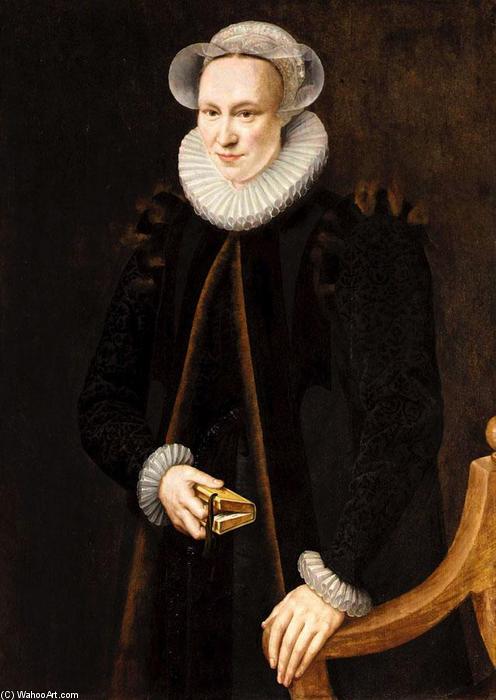
Portrait of a Lady
 103.0 x 74.0 cm
 詳細を見る
詳細を見る




































作品のオリジナル比率に合わせた、当店の規定サイズからお選びください。

特定のフレームやスペースに合わせて、ご希望のサイズをご入力いただけます。選択されたサイズが元の画像の比率と異なる場合、アートワークをトリミングするか、手描きで要素を追加して絵画を拡張いたします。デジタルモックアップ を制作し、制作開始前にご確認(承認)をいただきます。
画面上のプレビューは、実際のトリミングや拡張を正確に反映しているものではありません。最終的な構図は、モックアップによってのみ正確にご確認いただけます。
カスタムサイズもご利用いただけますが、元の比率を維持するためには、あらかじめ用意されたリストからサイズを選択することをお勧めいたします。
ご注文後、ArtsDot.com チームより詳細な指示をお送りするとともに、仕上がりイメージ(モックアップ)をご提供いたします。


 ガラスオプションは、110cm未満のサイズでのみご利用いただけます。

Portrait of a Lady
複製技法
複製画のサイズ
-


合計金額
$ 263
関連作品
アーティストの略歴
The Master of the Antwerp Workshop: The Life and Legacy of Adriaen Thomasz. Key
In the vibrant, bustling heart of sixteenth-century Antwerp, a period defined by both immense artistic flourishing and profound religious upheaval, the name Adriaen Thomasz. Key emerged as a symbol of technical brilliance and professional cunning. Born around 1544, this Flemish master did not begin his journey with the prestigious surname that would later define his brand. Originally known simply as Adriaen Thomasz—a patronymic indicating he was the son of Thomas—his early identity was marked by a quiet ascent through the ranks of the Antwerp Guild of Saint Luke. While much of his early life remains shrouded in the mists of history, his artistic trajectory reveals a man deeply embedded in the stylistic currents of the Flemish Renaissance, absorbing the sophisticated aesthetics of masters like Pieter Coecke van Aelst and Frans Floris.
The true turning point in Key’s professional identity arrived through a strategic and masterful association with the renowned painter Willem Key. Though modern scholarship has debunked the long-held myth that they were kin, their professional bond was undeniably profound. Adriaen served as an apprentice within Willem Key's esteemed workshop, a crucible of innovation where he honed his ability to capture the human spirit through meticulous portraiture and dramatic religious compositions. Upon the death of Willem Key in 1568, Adriaen did more than just inherit a studio; he adopted the "Key" name, a brilliant branding maneuver that allowed him to claim the prestige and established reputation of his predecessor. This transition from a mere draughtsman to the proprietor of one of Antwerp's most significant workshops solidified his position as a leading figure in the local art scene.
A Tapestry of Realism and Devotion
Key’s oeuvre is a captivating study in the duality of the sixteenth-century Flemish soul, oscillating between the intimate psychological depth of portraiture and the grand, often turbulent narratives of religious painting. As a painter, draughtsman, and printmaker, he possessed a versatile toolkit that allowed him to navigate the shifting cultural tides of the Habsburg Netherlands. His portraits are celebrated for their striking realism; he had an uncanny ability to render the textures of fine fabrics, the subtle sheen of skin, and the dignified gravity of his subjects. Whether depicting a high-ranking official like Louis, Count of Nassau or a more somber, anonymous gentleman, Key’s work breathes with a lifelike presence that transcends the mere recording of features.
Beyond the individual portrait, Key’s contributions to religious art provided a window into the spiritual anxieties of his era. His career unfolded during the Beeldenstorm, or the Iconoclastic Fury, a period of intense Protestant Reformation fervor that saw much Catholic iconography destroyed across Antwerp. Emerging from the shadow of this destruction, Key helped rebuild the visual language of devotion. His technical mastery and innovative approach to composition were not merely aesthetic choices but were essential in creating works that could command attention and inspire awe in an era of profound religious transition. This ability to blend classical Flemish influences with a burgeoning sense of dramatic realism ensured his work remained relevant even as the artistic landscape shifted toward the Baroque.
Historical Significance and Lasting Influence
The historical weight of Adriaen Thomasz. Key lies not only in the canvases he left behind but in the lineage of greatness he helped foster. His workshop served as a vital link in the chain of Flemish art, bridging the gap between the late Renaissance masters and the monumental era of Peter Paul Rubens. By refining the techniques of portraiture and maintaining a standard of excellence in printmaking, Key provided a foundation upon which the next generation of painters could build. His work is characterized by several enduring hallmarks:
- Technical Precision: An extraordinary command over light, shadow, and the intricate textures of 16th-century attire.
- Psychological Depth: A move toward a more profound realism in portraiture that captured the character and status of his sitters.
- Professional Ingenuity: The strategic use of branding and workshop management to maintain artistic influence during periods of political instability.
- Stylistic Synthesis: The seamless integration of the influences of Lombardus, Floris, and Coecke van Aelst into a cohesive, personal style.
Though his life ended after 1589, leaving behind a legacy that continues to resonate in the halls of museums like the Groeningemuseum, Adriaen Thomasz. Key remains a pivotal figure of the Dutch Golden Age's precursors. He was an artist who understood both the brush and the world around him—a man who could navigate the complexities of guild politics, religious upheaval, and the delicate nuances of human expression with equal mastery.
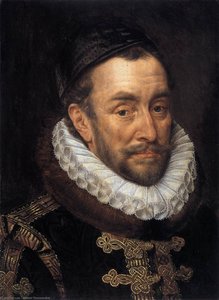
adriaen thomasz. key
Belgium
基本情報
- Artistic Movement Or Style: Dutch Golden Age
- Artists Or Movements Influenced By This Artist: ['Rubens']
- Artists Who Influenced This Artist: ['Willem Key']
- Date Of Birth: c. 1544 Antwerp
- Date Of Death: after 1589 Antwerp
- Full Name: Adriaen Thomasz Key
- Nationality: Flemish
- Notable Artworks:
- Portrait of a Man
- Portrait of Jacob Claesz Basgen
- Place Of Birth: Antwerp Belgium

