

 プレビュー
プレビュー
 プリントを購入
 シェアする
シェアする シェアする
シェアする
 詳細を見る
詳細を見る

 ダウンロード
 似ている作品
 X線調査
X線調査 スライドショー
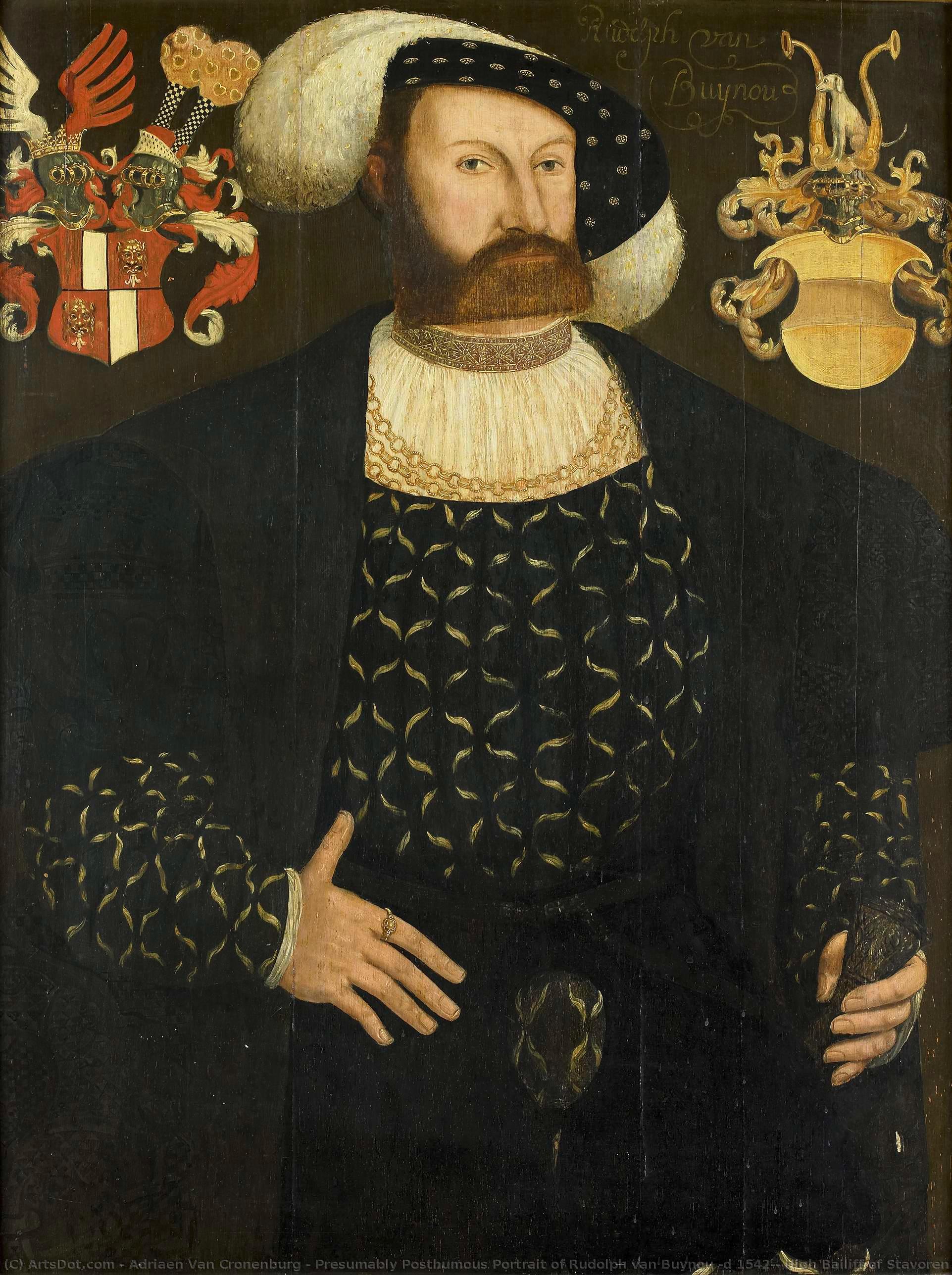
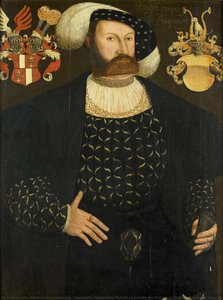
Presumably Posthumous Portrait of Rudolph van Buynou (d 1542), High Bailiff of Stavoren and "Grietman"of Gaasterland, Adriaen van Cronenburg (attributed to), 1553
 Northern Renaissance
 1553
1553 90.0 x 69.0 cm
 詳細を見る
詳細を見る
オンラインプレビューをはるかに凌ぐ、高解像度で鮮明なデジタル画像をご購入いただけます。
各ファイルは、社内の専門家が高度なツールと熟練した手作業によるレタッチを用いて、細心の注意を払って準備されています。すべての画像において、卓越した鮮明度、正確な色彩再現性、そして繊細なディテールを保証いたします。
最終ファイルは、プロフェッショナルな編集・印刷環境ですぐにご利用いただけるよう最適化された状態で、72時間以内にメールにてお届けいたします。これは、一流のデザインスタジオ、出版社、ギャラリーから信頼されているものと同等の品質です。
デジタル画像のご注文に付随する特典
高品質なデジタル画像配信を、確かな品質で。
ArtsDot.com を選ぶことは、単に画像を手に入れることではありません。それは、プロの手によって精密に仕上げられ、満足保証が付いた高品質なデジタルアートワークを受け取ることを意味します。ご注文いただいた際に自動的に付随する内容は、以下の通りです:

メールですぐにお届け
ご注文から72時間以内に、高解像度のデジタル画像ファイルがメールでお手元に届きます。すぐにそのままご利用いただけます。

AI技術で最適化されたデジタルファイル
お客様の作品は、高度なAIツールと専門家による手作業の編集を組み合わせてプロフェッショナルに最適化されており、細部のディテール、鮮明さ、そして正確な色再現性を最大限に引き出しています。

一生涯無料の再送サービス
ファイルを誤って削除したり、紛失してしまったりしましたか?ご安心ください。いつでも無料で再送いたします。

輸入手数料は一切かかりません
関税や手数料、配送料を気にすることなく、お気に入りのアートワークをすぐにお楽しみいただけます。デジタルダウンロードは常に免税です。

色彩再現の保証
プロ仕様のツールとカラーマネジメント技術を用いることで、デジタル画像が元の色を最大限に忠実に再現することを保証いたします。

100日間満足保証
ご購入いただいたデジタル画像にご満足いただけない場合は、100日以内であれば、修正または100%の返金(理由を問う必要はありません)をさせていただきます。

100% 返金保証
ご満足いただけない場合は、デジタルファイルを受け取ってから100日以内であれば、理由を問わず全額返金いたします。

まとめ買い割引
3枚購入で10%OFF - 5枚購入で15%OFF - 10枚以上購入で20%OFF。クリエイティブなプロジェクト、ギャラリー、エージェンシーに最適です。
関連作品

作家の略歴
Early Life and Artistic Beginnings
Adriaen van Cronenburg, born around 1525 in the modest town of Schagen in North Holland, emerged from a Northern Netherlandish artistic landscape steeped in tradition yet poised for innovation. While details surrounding his formative years remain somewhat elusive, it is understood that he embarked on his painting journey during a period of significant societal and religious upheaval. The Dutch Revolt was brewing, and the art world was beginning to reflect a shift away from purely devotional themes towards more secular subjects—a trend van Cronenburg would embrace with notable skill.
His early training likely occurred within a local workshop, absorbing the techniques and stylistic conventions prevalent in the region. This foundation proved crucial as he established himself primarily as a portraitist, catering to the burgeoning merchant class and nobility of Friesland and Groningen. Unlike many artists who gravitated towards bustling urban centers like Amsterdam or Antwerp, van Cronenburg chose to work within these provinces, becoming an integral part of their local artistic communities.
A Master of Portraiture in Friesland and Beyond
Van Cronenburg’s career flourished between approximately 1547 and 1590. He wasn't a painter who sought grand commissions from royalty or the Church; instead, his focus lay on capturing the likenesses—and often, the status—of those around him. His portraits are characterized by a remarkable realism, an acute attention to detail in rendering fabrics, jewelry, and facial features. This meticulous approach speaks to both his technical prowess and a desire to present his sitters with dignity and accuracy.
He moved between Friesland, Groningen, and periods spent in Amsterdam, adapting his style to the preferences of each locale. While rooted in Northern Netherlandish traditions, van Cronenburg’s work reveals subtle influences from Flemish masters like Jan van Eyck and Rogier van der Weyden—artists renowned for their oil painting techniques and psychological depth. Hints of Italian Renaissance aesthetics, particularly those associated with Leonardo da Vinci and Michelangelo, also appear in his compositions, suggesting a broader awareness of artistic developments across Europe.
Style and Technique: Realism and Psychological Insight
The hallmark of van Cronenburg’s style is undoubtedly its realism. He possessed an exceptional ability to convey texture and form through the skillful manipulation of oil paint. His portraits aren't merely representations of physical appearance; they offer glimpses into the personalities of his sitters. The careful rendering of clothing, often richly adorned, served not only as a display of wealth but also as a means of communicating social standing.
His technique involved building up layers of paint to create depth and luminosity. He paid particular attention to the play of light and shadow, enhancing the three-dimensionality of his figures. Beyond technical skill, van Cronenburg demonstrated an understanding of human psychology, capturing subtle expressions and nuances that bring his subjects to life. This ability to imbue his portraits with a sense of individuality sets him apart from many of his contemporaries.
Legacy and Historical Significance
Adriaen van Cronenburg continued painting after 1604, though the details of his later life remain scarce. His significance lies not in revolutionary stylistic departures but rather in his consistent production of high-quality portraits that reflect the social and cultural values of the Dutch Golden Age. He documented a specific segment of society—the rising merchant class and regional nobility—providing valuable insights into their lives, tastes, and aspirations.
His works, now found in prominent museum collections such as the Rijksmuseum in Amsterdam and the Louvre in Paris, serve as enduring testaments to his skill and artistry. While perhaps not a household name like Rembrandt or Vermeer, van Cronenburg occupies an important place in the history of Northern Netherlandish painting—a master portraitist who captured the spirit of his time with remarkable realism and psychological insight.
Selected Works
- Presumably Posthumous Portrait of Rudolph van Buynou (1553)
プロフィール概要
- Artistic Movement Or Style: Portraiture
- Artists Who Influenced This Artist:
- Jan van Eyck
- Rogier van der Weyden
- Leonardo da Vinci
- Michelangelo
- Date Of Birth: c. 1525
- Date Of Death: after 1604
- Full Name: Adriaen van Cronenburg
- Nationality: Northern Netherlandish
- Notable Artworks:
- Presumably Posthumous Portrait...
- Portraits of nobility/bourgeoisie
- Place Of Birth: Schagen, Netherlands