

 プレビュー
プレビュー
 プリントを購入
 シェアする
シェアする シェアする
シェアする
 詳細を見る
詳細を見る

 ダウンロード
 似ている作品
 X線調査
X線調査 スライドショー
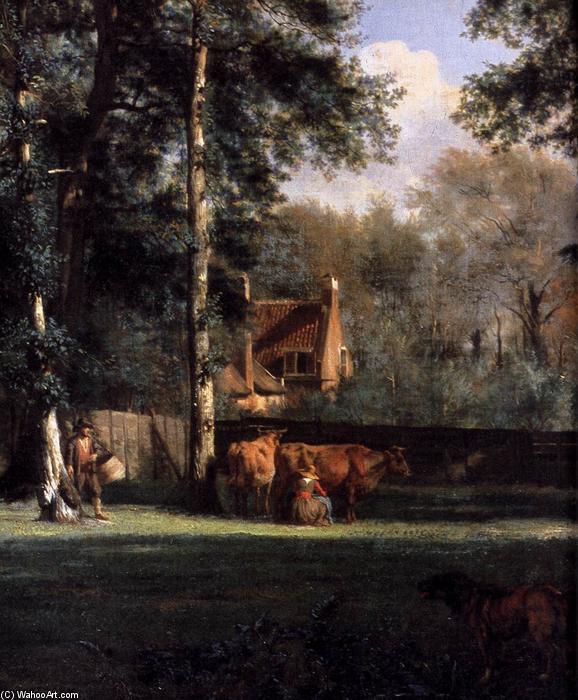
The Farm (detail)


 詳細を見る
詳細を見る




P118B $10

P118H $10

P118W $10

P438Z $10

P508JH $12

P508YH $12

P805H $10

P805Z $10

P919BZ $10

P919G $10

P919XJ $10

P959ZH $10

P968JZ $12

W106C $8

W218G $10

W218JH $8

W218Y $10

W307PJ $10

W316G $10

W316PJ $8

W316Y $10

W398PJ $8

W4111J $10

W500HY $15

W500JH $15

W692G $12

W849H $8

W940BG $15

W953PJ $8




作品のオリジナル比率に合わせた、当店の規定サイズからお選びください。

特定のフレームやスペースに合わせて、ご希望のサイズをご入力いただけます。選択されたサイズが元の画像の比率と異なる場合、アートワークをトリミングするか、手描きで要素を追加して絵画を拡張いたします。デジタルモックアップ を制作し、制作開始前にご確認(承認)をいただきます。
画面上のプレビューは、実際のトリミングや拡張を正確に反映しているものではありません。最終的な構図は、モックアップによってのみ正確にご確認いただけます。
カスタムサイズもご利用いただけますが、元の比率を維持するためには、あらかじめ用意されたリストからサイズを選択することをお勧めいたします。
ご注文後、ArtsDot.com チームより詳細な指示をお送りするとともに、仕上がりイメージ(モックアップ)をご提供いたします。


 ガラスオプションは、110cm未満のサイズでのみご利用いただけます。

The Farm (detail)
複製技法
複製画のサイズ
-


合計金額
$ 263
作品解説
Adriaen van de Velde’s “The Farm” (1666): A Pastoral Vision of Dutch Life
Adriaen van de Velde's "The Farm," painted in 1666, is more than just a depiction of a rural scene; it’s a carefully constructed tableau brimming with symbolic resonance and reflecting the burgeoning artistic trends of the Dutch Golden Age. This oil-on-canvas masterpiece offers a serene glimpse into the daily rhythms of a prosperous Dutch farmstead, skillfully blending meticulous realism with an idealized vision of pastoral harmony. The painting immediately draws the eye to its central figures: a man standing beneath a venerable oak tree, his back turned towards the viewer, and a woman seated on the ground, engaged in an activity that invites speculation – perhaps tending to livestock or simply enjoying the tranquility of the landscape.
Van de Velde’s mastery lies not merely in his technical skill but in his ability to evoke atmosphere. The muted palette—dominated by earthy browns, greens, and ochres—creates a sense of quietude and timelessness. Light plays a crucial role, bathing the scene in a soft, diffused glow that suggests an early morning or late afternoon. Notice how he employs subtle gradations of color to model the forms of the figures, animals, and trees, lending them a remarkable three-dimensionality. The artist’s attention to detail is evident in every element – from the texture of the man's clothing to the individual markings on the cows, each rendered with painstaking accuracy.
The Italianate Influence and Symbolism
“The Farm” firmly places Van de Velde within the tradition of Dutch “Italianate” landscape painting. This style, popular in the mid-17th century, drew inspiration from the idealized landscapes of Renaissance Italy – particularly those by artists like Leonardo da Vinci and Raphael. However, rather than simply copying Italian scenes, Dutch painters adapted these influences to depict familiar Dutch subjects, often incorporating classical motifs such as shepherds, nymphs, and mythological figures into their compositions. In “The Farm,” this influence is subtly present in the arrangement of elements—the composition echoes the balanced arrangements found in many Italianate landscapes, and the overall mood evokes a sense of Arcadia, the idyllic realm of ancient Greece.
Beyond its formal influences, the painting is rich with symbolic meaning. The farm itself represents prosperity and stability – hallmarks of the Dutch Republic during this period of remarkable economic growth. The presence of livestock symbolizes wealth and abundance, while the figures themselves embody traditional roles within rural society. The man’s posture suggests a quiet dignity and connection to the land, while the woman's seated position conveys a sense of domesticity and contentment. Even the cows, rendered with such care, are not merely animals but symbols of fertility and nourishment.
A Window into 17th-Century Dutch Life
“The Farm” offers a valuable glimpse into the daily lives of ordinary people in 17th-century Holland. The clothing worn by the figures—simple yet well-made—reflects the modest prosperity enjoyed by many farmers during this era. The farmhouse, with its thatched roof and rustic design, is typical of rural architecture from the period. The inclusion of a small stream or brook adds to the sense of tranquility and reinforces the painting’s connection to nature.
Furthermore, the painting can be viewed as a commentary on the relationship between humanity and nature. Van de Velde presents a harmonious vision of man and landscape—a world where human activity is integrated seamlessly into the natural environment. This reflects the broader humanist values that were prevalent in Dutch society during the Golden Age, which emphasized reason, observation, and appreciation for beauty.
Collecting and Appreciating “The Farm”
“The Farm” by Adriaen van de Velde is a captivating work of art that continues to resonate with viewers today. Its serene atmosphere, meticulous detail, and subtle symbolism make it a truly remarkable achievement. Reproductions offer an accessible way to experience the beauty and artistry of this painting, bringing its tranquil vision into any home or office space. When selecting a reproduction, consider factors such as print quality, color accuracy, and framing options to ensure that you capture the essence of Van de Velde’s masterpiece.
For those seeking a deeper understanding of this work, resources like the WGA (Wikiart) page (https://www.wga.hu/html_m/v/velde/adriaen/the_farm.jpg) and the Rijksmuseum’s online collection (https://www.rijksmuseum.nl/en/collection/AR00057381) provide valuable insights into the painting's history, context, and artistic significance.
関連作品
アーティストの略歴
牧歌的な静謐の巨匠
アドリアーン・ファン・デ・フェルデは、芸術的革新と鋭い観察眼が類まれな輝きを放ったオランダ黄金時代において、極めて重要な役割を果たした画家です。1636年にアムステルダムで生まれた彼は、生誕の瞬間から深い芸術的才能を受け継ぐ家系に身を置いていました。高名な海景画家ウィレム・ファン・デ・フェルデ(父)の息子であり、伝説的な海洋画の巨匠ウィレム・ファン・デ・フェルデ(子)の弟として、彼は17世紀オランダ芸術の活気あふれる潮流の中で、偉業を成し遂げる運命にありました。しかし、荒れ狂う海や壮大な海景へと向かった兄の道とは対照的に、アドリアーンはまた別の「静謐」を追い求めました。彼はその視線を大地へと向け、ヤン・ウィナツの工房で研鑽を積むことで、風景画の構図における繊細なニュアンスを習得し、キャンバスに生命を吹き込む大気の揺らぎや光の効果を見事に捉える術を身につけたのです。
彼の芸術的な進化は、フィリップ・ワウウェルマンの作品との深い結びつきによって、さらに豊かなものとなりました。この師弟関係を通じて、彼は自身の代名術となる動物画への深い審美眼を養いました。ファン・デ・フェルデには、緻密な観察眼と詩的な芸術的想像力を融合させる類まれな才能がありました。彼はイタリア風風景画というジャンルを前進させる上で決定的な役割を果たし、風景の中に人物を描き込む際、極めて優雅で自然な手法を用いました。その技法は、後にホッベマやリュイスダールといった巨匠たちにも受け継がれていくことになります。彼の作品には、羊、牛、山羊たちが息づく、生命力に満ちたなだらかな草原がしばしば描かれています。銀色を帯びた色彩と揺るぎない写実主義によって表現されたそれらの情景は、観る者を時代を超えた牧歌的な世界へと誘います。
技法と芸術的ビジョン
ファン・デ・フェルデの作品の素晴らしさは、光と質感を通じて感情を呼び起こす力にあります。彼の風景画は単なる景色の描写にとどまらず、一つの「大気の体験」なのです。牛のいる山岳風景であれ、山羊と子山羊の親密な細部であれ、その筆致は平和と永遠性を伝えてきました。彼は、陽光に照らされた温かな色調から、オランダ特有の冷ややかで銀色を帯びた光へと変化するパレットを自在に操り、構図の中に奥行きと、肌で感じられるような空気感を生み出しました。
称賛される牧歌的な情景にとどまらず、ファン・デ・フェルデは異なる物語的表現をも自在に操る、驚くべき多才さを見せました。彼の才能は自然界のみに留まりませんでした。彼は宗教的な図像学の世界にも足を踏み入れ、アムステルダムの隠れカトリック教会のために制作された十字架降架などは、その顕著な例です。石造りの橋や田園風景といった世俗的な美から、聖なる主題が持つ深遠な重みへと転換できるこの能力は、彼が極めて広範な技術的レンジと知的な深みを備えた芸術家であったことを物語っています。
遺産と歴史的意義
キャリアを通じて、ファン・デ・フェルデはヤン・ファン・デル・ハイデンやフレデリック・ド・ムシュロンといった同時代の巨匠たちと共に歩む、協調的な精神の持ち主でした。動物描写の洗練に対する彼の献身は、オランダの画題の階層において風俗画の地位を高める一助となりました。彼の影響は風景画の伝統の発展の中に脈々と受け継がれています。初期のオランダ巨匠たちの力強い写実主義と、その後に続くより理想化された古典的なイタリア風様式との架け橋となったのです。
1672年にその生涯はあまりにも短く閉じられましたが、現存する約200点の作品が与える影響は今なお深遠です。彼が遺したレガシーには、以下のようなものがあります:
- 光の習熟: オランダの空や風景が持つ、一瞬の移ろいゆく大気の質を捉える比類なき能力。
- 動物の肖像画: 家畜や牧歌的な動物たちを、単なる背景要素から、芸術の中心的かつ魂のこもった主題へと昇華させたこと。
- ジャンルの革新: 人物を風景の中に、有機的で物語性に富み、環境と深く一体化した形で描き出したこと。
今日、アドリアーン・ファン・デ・フェルデは、単なる情景の画家としてではなく、「風景の詩人」として記憶されています。彼の作品は今もなお、オランダ黄金時代の穏やかで陽光あふれる核心へと続く窓であり続けているのです。
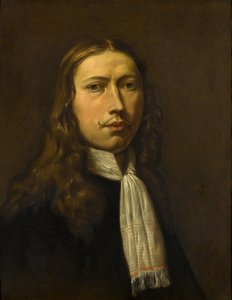
アドリアーン・ファン・デ・フェルデ
1636 - 1672 , オランダ
基本情報
- Artistic Movement Or Style: イタリア風風景画
- Artists Or Movements Influenced By This Artist: ['ハドソン・リバー派']
- Artists Who Influenced This Artist:
- ヤン・ウィナーツ
- フィリップ・ワウウェルマン
- Date Of Birth: オランダ、アムステルダム (1636年)
- Date Of Death: オランダ、アムステルダム (1672年)
- Full Name: アドリアーン・ファン・デ・フェルデ
- Nationality: オランダ
- Notable Artworks:
- 牧草地の牛と山羊
- スヘーフェニンゲンの海岸
- Place Of Birth: アムステルダム
関連記事
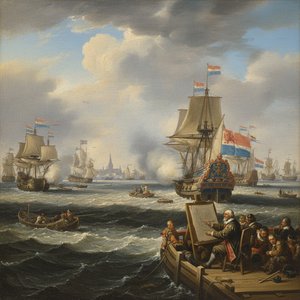
Willem van de Velde the Elder: Master of Maritime Painting & Chronicler of the Dutch Golden Age
Discover the captivating maritime paintings of Willem van de Velde the Elder, a master chronicler of the Dutch Golden Age. Explore his unparalleled realism and lasting influence on naval art history.
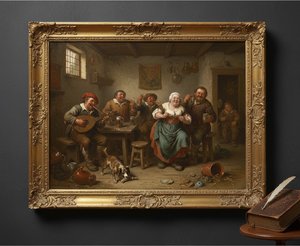
Adriaen van Ostade: A Master of Dutch Genre Painting & Social Commentary
Explore the life & work of Adriaen van Ostade, a leading Dutch Golden Age painter. Discover his realistic genre scenes, social commentary, and lasting influence on art history. Learn more at ArtsDot.
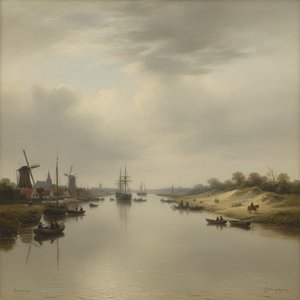
Jan van Goyen: Master of Dutch Landscape & Atmospheric Perspective
Discover Jan van Goyen, the master of Dutch landscape painting. Explore his subtle technique, atmospheric realism & lasting influence on art history. Learn about this 17th-century pioneer at ArtsDot.

レンブラント傑作25選:光と影の巨匠、魂を揺さぶる名画の世界 | ArtsDot
レンブラントの傑作25選。光と影の魔術師が描いた魂を揺さぶる名画の世界へ。美術史に残る自画像、夜警、宗教画…ArtsDotで高品質なアートプリントやインテリアアートをお楽しみください。コレクションはこちら→
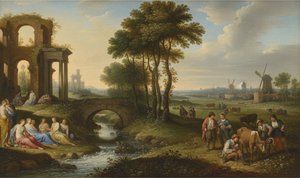
Cornelis van Poelenburch: Bridging Mannerism & the Dutch Baroque Landscape
Discover Cornelis van Poelenburch, a pivotal Dutch Baroque landscape painter bridging Mannerism & Italianate styles. Explore his life, key works, and lasting influence on 17th-century art with ArtsDot.

