

 プレビュー
プレビュー
 プリントを購入
 シェアする
シェアする シェアする
シェアする
 詳細を見る
詳細を見る

 ダウンロード
 似ている作品
 X線調査
X線調査 スライドショー
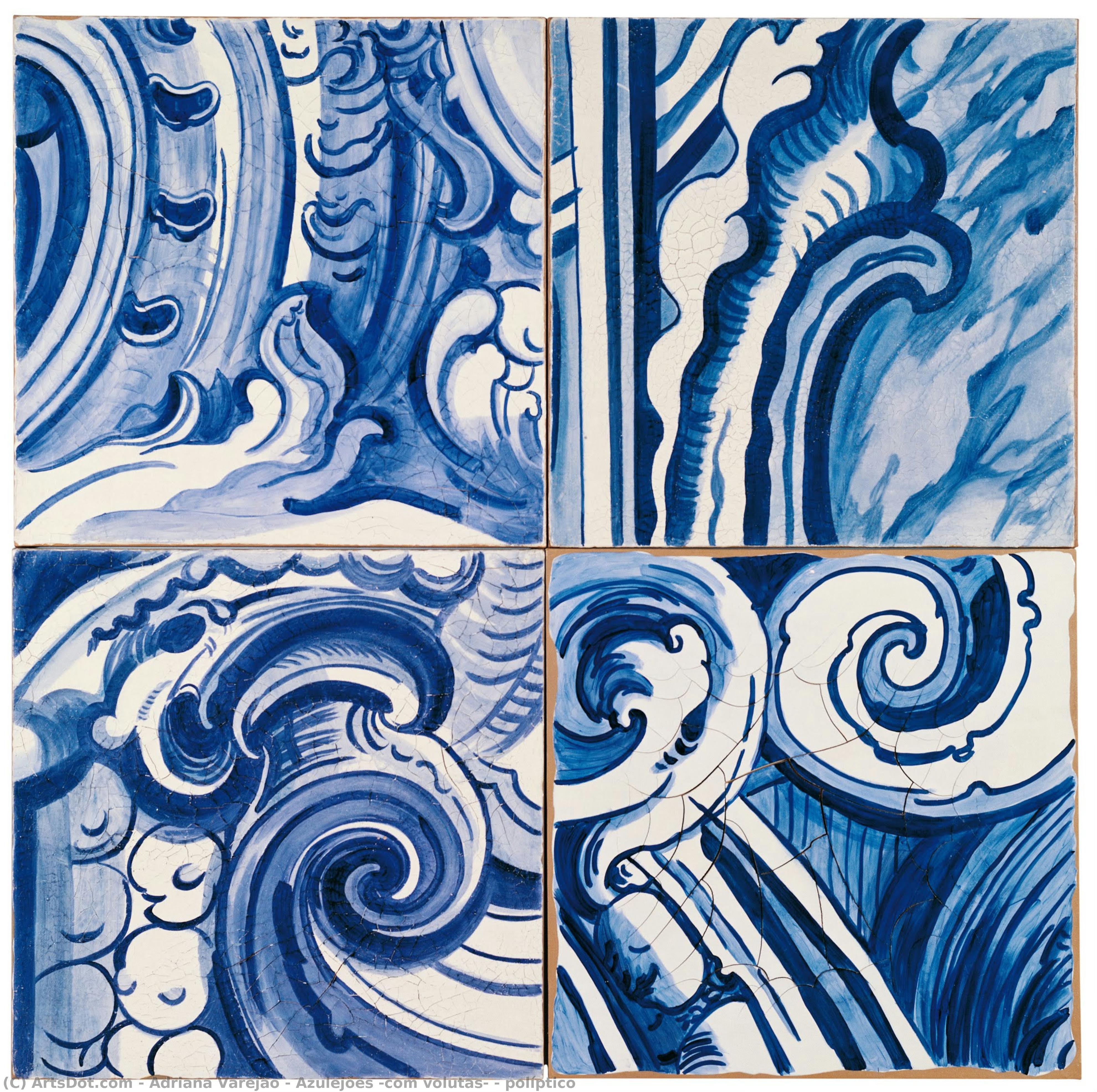
Azulejões (com volutas) – políptico
 Acrylic On Canvas
- WallArt
- Baroque Samba
 2000
2000- Contemporary
 100.0 x 100.0 cm
 Culturgest - Fundação Caixa Geral de Depósitos
 詳細を見る
詳細を見る




P118B $10

P118H $10

P118W $10

P438Z $10

P508JH $12

P508YH $12

P805H $10

P805Z $10

P919BZ $10

P919G $10

P919XJ $10

P959ZH $10

P968JZ $12

W106C $8

W218G $10

W218JH $8

W218Y $10

W307PJ $10

W316G $10

W316PJ $8

W316Y $10

W398PJ $8

W4111J $10

W500HY $15

W500JH $15

W692G $12

W849H $8

W940BG $15

W953PJ $8




作品のオリジナル比率に合わせた、当店の規定サイズからお選びください。

特定のフレームやスペースに合わせて、ご希望のサイズをご入力いただけます。選択されたサイズが元の画像の比率と異なる場合、アートワークをトリミングするか、手描きで要素を追加して絵画を拡張いたします。デジタルモックアップ を制作し、制作開始前にご確認(承認)をいただきます。
画面上のプレビューは、実際のトリミングや拡張を正確に反映しているものではありません。最終的な構図は、モックアップによってのみ正確にご確認いただけます。
カスタムサイズもご利用いただけますが、元の比率を維持するためには、あらかじめ用意されたリストからサイズを選択することをお勧めいたします。
ご注文後、ArtsDot.com チームより詳細な指示をお送りするとともに、仕上がりイメージ(モックアップ)をご提供いたします。


 ガラスオプションは、110cm未満のサイズでのみご利用いただけます。

Azulejões (com volutas) – políptico
複製技法
複製画のサイズ
-


合計金額
$ 263
Azulejões (com volutas) – A Baroque Samba
Adriana Varejão’s “Azulejões (com volutas)” presents a captivating collision of historical epochs and artistic sensibilities, transforming the familiar motifs of Portuguese Baroque into an overwhelming, almost hallucinatory spectacle. This poliptico, meticulously crafted in blue and white, isn't merely a reproduction; it’s a profound interrogation of colonial legacies, a visceral exploration of power dynamics, and a testament to the enduring influence of decorative patterns on human experience. The sheer scale – 100 x 100 cm – immediately commands attention, forcing a confrontation with the artwork’s inherent strangeness. The artist's deliberate choice to amplify traditional Portuguese azulejos, originally designed as ceramic tiles for domestic walls, elevates them into monumental forms, blurring the lines between decorative art and historical narrative.
- Subject Matter: The central theme revolves around the appropriation of Baroque imagery within a Brazilian context. Varejão utilizes the iconic patterns – swirling volutes, stylized waves, and depictions of opulent fabrics – to represent the excesses and contradictions inherent in colonial plantations.
- Technique: The artwork’s execution is remarkably detailed, mirroring the meticulous craftsmanship of traditional azulejo production. The artist's skillful manipulation of color and texture creates a shimmering surface that seems to pulse with an almost unsettling energy.
Decoding the Crack – Fontana’s Legacy
Varejão’s approach extends far beyond a simple stylistic homage. Drawing heavily from the work of Italian artist Lucio Fontana, who pioneered the concept of “spatial poetry” through his cut-out monochrome paintings in the 1940s, she embraces the fissures and imperfections within the tiles as points of entry – both literal and metaphorical. These deliberate cracks, initially appearing as flaws, become a crucial element of the artwork’s meaning, echoing Fontana's exploration of the boundaries between two-dimensional and three-dimensional space. The “Azulejões” thus function as a visual manifestation of rupture and transformation, suggesting that even within seemingly fixed systems – like colonial power structures or decorative traditions – there is always potential for disruption and change.
Symbolism & Narrative
The imagery itself is laden with symbolic weight. The oversized waves evoke the vastness of the Atlantic Ocean, a constant presence in Brazilian history and a potent symbol of both opportunity and danger. The stylized flesh tones – rendered with unsettling realism – represent the human cost of colonial exploitation, hinting at the sensual and often brutal realities beneath the veneer of Baroque grandeur. The recurring motif of pleated cloth, transformed into undulating forms, speaks to the complex relationship between representation and reality, mirroring the ways in which cultural narratives are constructed and consumed. The work subtly references the history of slavery and forced labor within Brazil, adding a layer of critical commentary to its aesthetic exploration.
A Dialogue Across Time
"Azulejões (com volutas)" is more than just a beautiful artwork; it’s an intellectual provocation. Created in 2000, this piece continues to resonate with contemporary concerns about globalization, cultural appropriation, and the enduring impact of historical injustices. Its scale, technique, and symbolic depth invite viewers to engage in a profound dialogue across time – a conversation between Portugal and Brazil, between Baroque and Samba, and ultimately, between memory and representation. This reproduction offers a unique opportunity to experience this powerful artwork firsthand.
関連作品


アーティストの略歴
delving into the life and artistry of a brazilian visionary
adriana varejão, born in 1964, rio de janeiro, is a multifaceted brazilian artist renowned for her diverse artistic expressions, including painting, drawing, sculpture, installation, and photography. her residency at the isabella stewart gardner museum in 2004 marked a pivotal moment in her career.early influences and artistic evolution
varejão's initial foray into art was influenced by elizabeth taylor's performance in the sandpiper (1965), which inspired her to pursue a career in the arts. she began appropriating stylistic traditions introduced to brazil during colonial encounters, reflecting the country's ethnic diversity and informing her unique style.notable works and series
* carpet-style tilework in live flesh, part of the faculty of arts and humanities of university of porto (porto, portugal), showcases varejão's mastery of oil on canvas. * her series representing identity, culture, and race have been included in numerous global collections, including the solomon r. guggenheim museum in new york, the tate modern in london, and the museum of contemporary art san diego.artistic themes and influences
* the saunas and baths series, with its intricate monochromatic gradations, explores hidden mysteries and spatial drama. * varejão's recent interest in pre-hispanic, colonial, and modern mexico has led to the development of new directions in her paintings, intersecting time, culture, and place.controversy and recognition
* the queermuseu exhibition in porto alegre, brazil, featuring varejão's "cena de interior ii," was shut down due to conservative backlash, highlighting the power of her work. * her visit to the museo amparo in puebla to study local talavera and cholula polychrome pottery has catalyzed a new direction in her paintings.- explore varejão's works on ArtsDot
- learn more about adriana varejão on wikipedia
- discover the hastings museum and art gallery, a treasure trove of cultural and historical significance, on ArtsDot
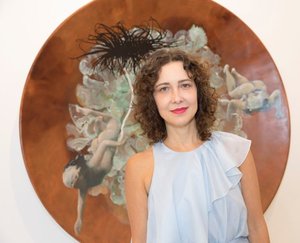
adriana varejão
1964 - , Brazil
基本情報
- Artistic Movement Or Style: Still life, landscapes
- Artists Or Movements Influenced By This Artist:
- Ashcan School
- Taos Society
- Artists Who Influenced This Artist:
- Robert Henri
- Charles W. Hawthorne
- Date Of Birth: 1887-09-26
- Date Of Death: 1964-11-23
- Full Name: Randall Vernon Davey
- Nationality: American
- Notable Artworks:
- Horse Racing Scenes
- Polo scenes
- Nudes
- Place Of Birth: East Orange, NJ
関連記事
高級デザインにおけるフレスコ画の隆盛:壁画芸術の再興と新たな表現
ホテルデザインを格上げするフレスコ画の魅力とは?古代から現代までの歴史、技法、デザインプロセスを解説。ArtsDot.comでカスタムオーダーも可能です。空間を彩る壁画芸術の世界をご体験ください。
Transforming Spaces: A Comprehensive Exploration of Wall Decor Through Art History & Contemporary Practice
Explore the art of transforming spaces with our comprehensive guide to wall decor. From historical movements to contemporary trends, discover how to curate impactful interiors and commission bespoke artwork for a truly personalized aesthetic.

バロックのドラマ:現代のインテリアに壮麗さと情感を取り込む
バロック様式の歴史、絵画、家具の魅力をご紹介。ArtsDotでは、高品質な油絵複製やカスタムポートレートをご提供し、現代のインテリアに壮麗さと情感を取り入れます。アートコンサルテーションも承ります。

バロック美術を極めた至宝:時代を彩る10大名作の世界
バロック美術の華!カラヴァッジョ、ベルニーニら巨匠が創り上げた10大名作を徹底解剖。ドラマチックな色彩と豪華絢爛の世界観に触れ、至宝のアートプリントで空間を彩ろう。ArtsDot.comで美術館品質の複製と洗練されたインテリアを見つけましょう!

The Visceral Stage: Exploring Dramatic Narratives & Emotional Intensity in Baroque Art
Explore the dramatic world of Baroque art! Discover iconic masters like Caravaggio & Rembrandt, their techniques, and the movement's lasting impact. Expert insights for collectors & enthusiasts at ArtsDot.

