

 プレビュー
プレビュー
 プリントを購入
 シェアする
シェアする シェアする
シェアする
 詳細を見る
詳細を見る

 ダウンロード
 似ている作品
 X線調査
X線調査 スライドショー
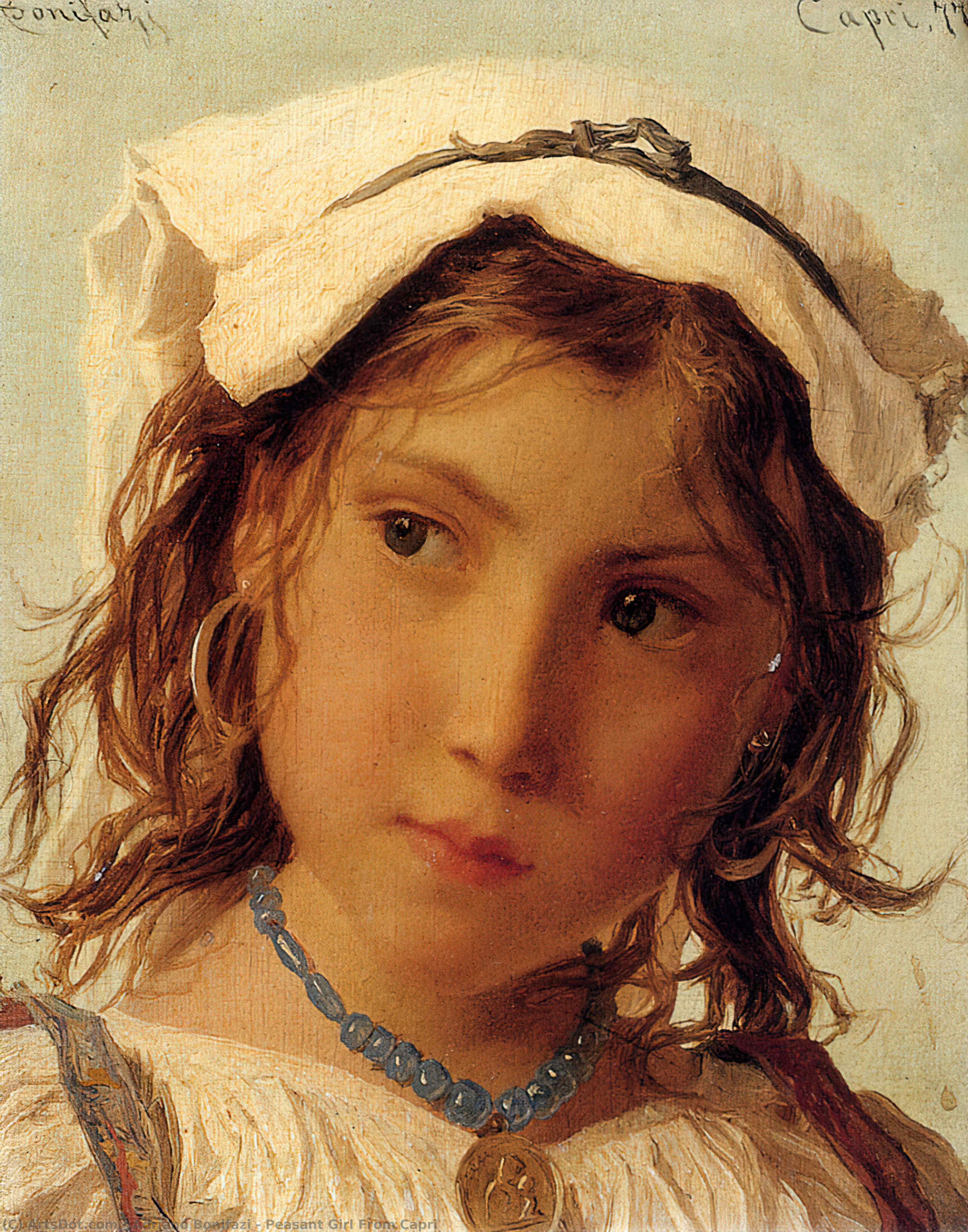
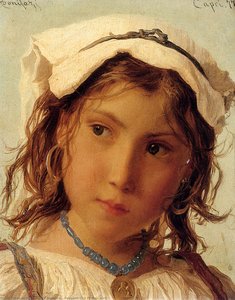
Peasant Girl From Capri
 詳細を見る
詳細を見る




































作品のオリジナル比率に合わせた、当店の規定サイズからお選びください。

特定のフレームやスペースに合わせて、ご希望のサイズをご入力いただけます。選択されたサイズが元の画像の比率と異なる場合、アートワークをトリミングするか、手描きで要素を追加して絵画を拡張いたします。デジタルモックアップ を制作し、制作開始前にご確認(承認)をいただきます。
画面上のプレビューは、実際のトリミングや拡張を正確に反映しているものではありません。最終的な構図は、モックアップによってのみ正確にご確認いただけます。
カスタムサイズもご利用いただけますが、元の比率を維持するためには、あらかじめ用意されたリストからサイズを選択することをお勧めいたします。
ご注文後、ArtsDot.com チームより詳細な指示をお送りするとともに、仕上がりイメージ(モックアップ)をご提供いたします。


 ガラスオプションは、110cm未満のサイズでのみご利用いただけます。

Peasant Girl From Capri
複製技法
複製画のサイズ
-


合計金額
$ 263
関連作品


アーティストの略歴
The Ethereal Vision of Adriano Bonifazi
In the golden light of the late nineteenth century, few artists captured the soul of the Mediterranean with as much tenderness as Adriano Bonifazi. Born in Naples in 1858, Bonifazi emerged from the shadows of academic rigor to create a body of work that serves as a window into a lost era of pastoral serenity. While the biographical records of his life remain somewhat fragmented, his canvases offer a profound narrative of Romanticism and an enduring fascination with the innocence of youth. His artistry was not merely about the depiction of scenery, but about capturing a specific emotional frequency—a sense of timelessness that transcends the boundaries of the Italian landscape.
The foundation of Bonifazi’s technique was laid in the prestigious studios of Naples, where he studied under Giuseppe Buonaccorsi. From this Neapolitan master, Bonifazi inherited a disciplined command of anatomical accuracy and classical composition. However, the rigid constraints of academic realism could not contain his burgeoning spirit. Instead of pursuing the grand, often heavy-handed historical commissions favored by his peers, Bonifazi turned his gaze toward the intimate and the idyllic. He sought to move beyond meticulous detail, choosing instead to prioritize emotional resonance, using light and color to evoke the soft, melanchative beauty of the Italian countryside.
Capri: A Muse of Light and Tradition
The true heart of Bonifazi’s oeuvre lies in his transformative years spent on the island of Capri between 1875 and 1890. During this period, the island became more than just a subject; it became his primary muse. The rolling citrus groves, the sun-drenched hills, and the deep azure of the Mediterranean sea provided a vibrant palette for his explorations in both watercolor and oil. In these works, one can sense the artist’s deep connection to the landscape, as he meticulously rendered the interplay of light and shadow that defines the coastal atmosphere.
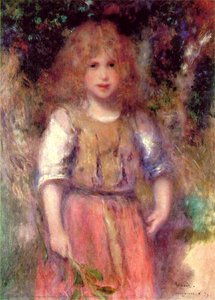
Beyond the landscapes, Bonifazi achieved his most poignant successes through his portraits of the local people. He possessed a unique ability to portray young girls and boys in traditional costumes, imbuing them with a sense of both dignity and vulnerability. These figures often appear caught in moments of quiet reflection or simple joy, embodying an idealized version of childhood that resonates with the Romantic ideals of his time. His work, such as the evocative Peasant Girl From Capri, utilizes soft lighting and delicate brushwork to create a dreamlike quality, where the subjects seem to exist in a state of perpetual grace.
Legacy and Artistic Significance
The historical significance of Adriano Bonifazi lies in his ability to bridge the gap between classical training and a more subjective, emotive style of painting. While he remained rooted in the traditions of his Neapolitan education, his preference for personal vision over commercial convention allowed him to create works that feel remarkably modern in their intimacy. His paintings do not merely document the existence of rural Italian life; they romanticize it, preserving the ephemeral beauty of a way of life that was beginning to fade under the pressures of a changing world.
Today, Bonifazi’s work continues to captivate collectors and art historians alike, serving as a poignant reminder of the power of pastoral serenity. His contributions to the depiction of Italian landscapes and portraiture remain a vital part of the nineteenth-century artistic canon, characterized by:
- Emotional Resonance: A focus on capturing the internal mood of a scene rather than just its physical attributes.
- Luminous Technique: The masterful use of light to evoke the warmth and tranquility of the Mediterranean sun.
- Cultural Preservation: The evocative documentation of traditional costumes and the simple, rustic beauty of Capri’s inhabitants.
adriano bonifazi
1858 - 1914 , Italy
基本情報
- Artistic Movement Or Style: Romanticism
- Date Of Death: 1914
- Full Name: Adriano Bonifazi
- Nationality: Italian
- Notable Artworks:
- Girl of Abruzzi
- Fisher boy of Capri
- Place Of Birth: Rome, Italy

