

 プレビュー
プレビュー
 シェアする
シェアする シェアする
シェアする
 詳細を見る
詳細を見る

 ダウンロード
 似ている作品
 X線調査
X線調査 スライドショー
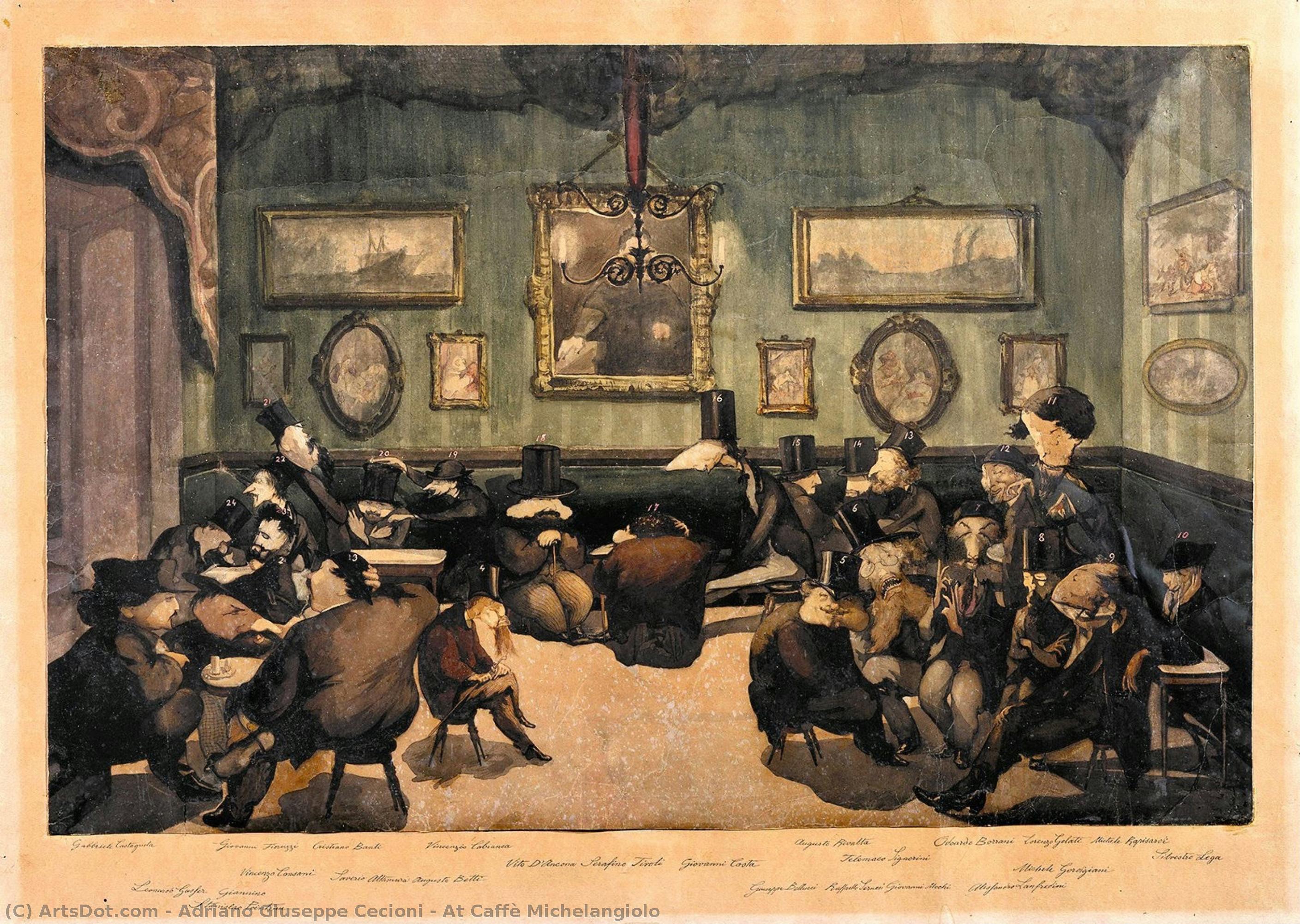
At Caffè Michelangiolo
 Acrylic On Canvas
- WallArt
- Macchiaioli Movement
 1867
1867 53.0 x 82.0 cm
 Musée des impressionnismes Giverny
 詳細を見る
詳細を見る
ジークレー/アートプリント
迅速な制作と多彩な仕上げオプションを備えた、ミュージアムクオリティのジークレーまたはキャンバスプリント。 ( 手描きの絵画を購入 画像を購入)




P118B $10

P118H $10

P118W $10

P438Z $10

P508JH $12

P508YH $12

P805H $10

P805Z $10

P919BZ $10

P919G $10

P919XJ $10

P959ZH $10

P968JZ $12

W106C $8

W218G $10

W218JH $8

W218Y $10

W307PJ $10

W316G $10

W316PJ $8

W316Y $10

W398PJ $8

W4111J $10

W500HY $15

W500JH $15

W692G $12

W849H $8

W940BG $15

W953PJ $8




作品のオリジナル比率に合わせた、当店の規定サイズからお選びください。

特定のフレームやスペースに合わせて、ご自身でサイズを指定することも可能です。選択されたサイズが元の画像の比率と一致しない場合、作品をトリミングするか、鏡面反射または単色での塗りつぶしによって画像を拡張いたします。制作を開始する前に、ご確認用のデジタルモックアップをお送りいたします。
画面上のプレビューには、実際のトリミングや拡張は反映されませんのでご注意ください。最終的な構図を正確に確認できるのは、モックアップのみとなります。
カスタムサイズも承っておりますが、元の比率を維持するためには、あらかじめ用意されたリストからサイズを選択することをお勧めいたします。


 ガラスオプションは、110cm未満のサイズでのみご利用いただけます。

At Caffè Michelangiolo
ジークレー/アートプリント
複製画のサイズ
-


合計金額
$ 62
At Caffè Michelangiolo – A Snapshot of Macchiaioli Discourse
Adriano Giuseppe Cecioni’s “At Caffè Michelangiolo,” painted in 1867, offers more than just a depiction of a convivial gathering; it's a window into the intellectual ferment of late 19th-century Florence. This intimate scene, rendered with Cecioni’s signature macchiaioli style – characterized by loose brushwork and vibrant color – captures a moment of intense discussion within the famed Caffè Michelangiolo, a haunt frequented by artists and intellectuals eager to absorb European trends.
The painting's subject matter is deceptively simple: a group of men engaged in animated conversation around a table. However, Cecioni elevates this commonplace tableau through his masterful use of light and color. The warm hues of the room – ochres, reds, and browns – are applied with rapid, expressive strokes, creating a sense of immediacy and capturing the energy of the moment. Notice how the artist doesn't meticulously detail each face; instead, he focuses on conveying emotion and atmosphere through subtle shifts in tone and brushwork. This technique was central to the macchiaioli movement’s rejection of academic realism and their embrace of subjective perception.
The Macchiaioli and the Pursuit of Modernity
Cecioni's association with the macchiaioli – “the stainists” – is crucial to understanding this work. This group, emerging in the 1860s, challenged the prevailing artistic norms of the time by prioritizing direct observation and expressive color over idealized representation. They were deeply influenced by French Impressionism but sought to develop a distinctly Italian approach, often depicting contemporary life with remarkable honesty and vitality. The Caffè Michelangiolo itself became a symbol of this movement – a place where artists debated new ideas, shared banned foreign periodicals (as documented in the Italian Arts Society’s archive), and pushed the boundaries of artistic expression.
The inclusion of details like the clock and scattered books subtly reinforces the scene's intellectual context. The clock speaks to the passage of time and the urgency of the discussion, while the books suggest a scholarly environment – a space for debate and reflection. Cecioni’s careful composition draws the viewer into this world, inviting us to imagine ourselves as silent observers of this pivotal moment in Florentine art history.
Symbolism and Emotional Resonance
Beyond its historical significance, “At Caffè Michelangiolo” possesses a powerful emotional resonance. The figures are not presented as individual portraits but rather as representatives of a collective spirit – a shared passion for art, ideas, and the pursuit of modernity. Cecioni’s loose brushwork and vibrant colors evoke a sense of warmth, intimacy, and intellectual excitement. The painting's overall effect is one of inviting engagement, suggesting that the viewer too can participate in this lively exchange.
This hand-painted reproduction offers an exceptional opportunity to bring this captivating scene into your home or office. Measuring 53 x 82 cm, it’s a perfect size for adding a touch of artistic flair to any space. Created using traditional techniques and meticulously crafted by skilled artisans, this reproduction faithfully captures the essence of Cecioni's original masterpiece – a testament to his talent and the vibrant spirit of the macchiaioli movement.
関連作品



アーティストの略歴
early life and training
adriano giuseppe cecioni, an italian artist, caricaturist, and critic, was born in 1836 in florence, italy. he belonged to a middle-class family of the local gentry. in 1859, he began his artistic training at the florentine academy under the sculptor aristodemo costoli. this marked the inception of his illustrious career in the art world.artistic contributions and associations
* cecioni was a key figure associated with the macchiaioli group, a pivotal movement in italian art. * in 1860, he participated in a competition to provide military artworks for the tuscan government, submitting a maquette for a statue of charles albert of savoy, which won a prize but was deemed unsatisfactory by academicians. * his sculpture, the suicide, exhibited at the florence academy in 1867, is a notable work from this period.international influences and later work
* in 1872, cecioni spent six months in london, contributing a series of caricatures to vanity fair magazine. * upon his return to italy, he focused on producing genre works, often with a humorous tone, and painted domestic scenes. * his later years were consumed by art criticism, which began in the 1870s.legacy and notable works
* cecioni's work is featured in several prominent collections, including galleria d'arte moderna di palazzo pitti, florence; galleria nazionale d'arte moderna, rome; museo statale d'arte medievale e moderna, arezzo; and pinacoteca di brera, milan. * his writings were anthologized in scritti e ricordi (1905).- view adriano giuseppe cecioni's artworks on ArtsDot.com
- learn more about the macchiaioli group on wikipedia
- explore la collezione bonello (malta) on ArtsDot.com
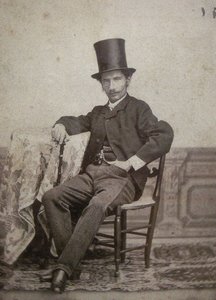
adriano giuseppe cecioni
1836 - 1886 , Italy
基本情報
- Artistic Movement Or Style: Macchiaioli
- Artists Or Movements Influenced By This Artist: ['Courbet']
- Artists Who Influenced This Artist: ['Aristodemo Costoli']
- Date Of Birth: July 26, 1836
- Date Of Death: May 23, 1886
- Full Name: Adriano Giuseppe Cecioni
- Nationality: Italian
- Notable Artworks:
- The Suicide (1867)
- Charles Albert Savoy (1860)
- Place Of Birth: Florence, Italy
関連記事
Giovanni Fattori: Realism, Identity & the Tuscan Landscape – A Macchiaioli Master
Explore the life & art of Giovanni Fattori, a leading figure of the Macchiaioli movement. Discover his revolutionary realism, captivating Tuscan landscapes, and lasting impact on Italian painting. Learn more at ArtsDot.
Mario Sironi: A Poetic of Modern Italian Identity Through Symbolism & Social Commentary
Explore the profound works of Mario Sironi, a key figure in Italian Modernism. Discover his evolution from Futurism to Metaphysical painting and his powerful social commentary. Learn about his legacy at ArtsDot.
Carlo Carrà: Futurist Visions & Metaphysical Transformations in Early 20th-Century Italian Painting
Explore the artistic journey of Carlo Carrà, a pivotal figure in Italian Futurism & Metaphysical painting. Discover his dynamic compositions, collaborations with de Chirico, and lasting influence on modern art history.
Civic Virtue and Artistic Rivalry: Patronage and Innovation in the Italian Renaissance Republics, 1400–1600
Explore the Italian Renaissance! Discover how competitive patronage & humanist ideals fueled artistic innovation in republics like Florence & Venice. Expert insights for art lovers and collectors.
Venanzo Crocetti: A Study in Italian Modernism & Spatial Abstraction
Explore the captivating world of Venanzo Crocetti, a pivotal figure in Italian Modernism. Discover his iconic sculptures, public works, and lasting legacy – a must-read for discerning art collectors.