

 プレビュー
プレビュー
 シェアする
シェアする シェアする
シェアする
 詳細を見る
詳細を見る

 ダウンロード
 似ている作品
 X線調査
X線調査 スライドショー
 統計情報
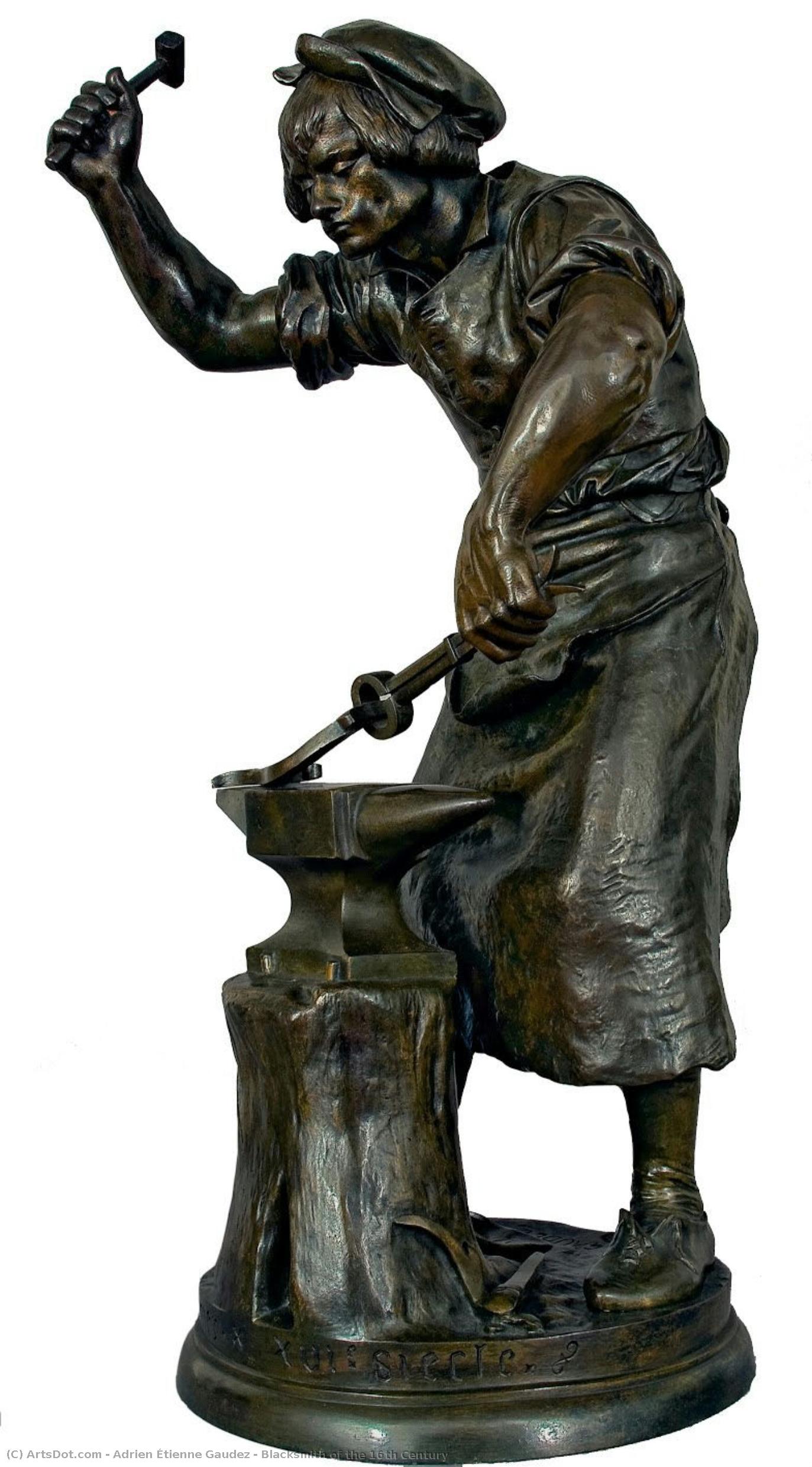
統計情報Blacksmith of the 16th Century


 詳細を見る
詳細を見る
手描き油彩複製画
当社のアーティストが、お客様のご希望のサイズと額縁に合わせて、キャンバスに手描きで制作する油彩画です。 ( プリント版に切り替え デジタル画像販売へ切り替え)




































作品のオリジナル比率に合わせた、当店の規定サイズからお選びください。

特定のフレームやスペースに合わせて、ご希望のサイズをご入力いただけます。選択されたサイズが元の画像の比率と異なる場合、アートワークをトリミングするか、手描きで要素を追加して絵画を拡張いたします。デジタルモックアップ を制作し、制作開始前にご確認(承認)をいただきます。
画面上のプレビューは、実際のトリミングや拡張を正確に反映しているものではありません。最終的な構図は、モックアップによってのみ正確にご確認いただけます。
カスタムサイズもご利用いただけますが、元の比率を維持するためには、あらかじめ用意されたリストからサイズを選択することをお勧めいたします。
ご注文後、ArtsDot.com チームより詳細な指示をお送りするとともに、仕上がりイメージ(モックアップ)をご提供いたします。


 ガラスオプションは、110cm未満のサイズでのみご利用いただけます。

Blacksmith of the 16th Century
複製技法
複製画のサイズ
-


合計金額
$ 263
関連作品




アーティストの略歴
A Legacy Forged in Bronze: The Life and Work of Adrien Étienne Gaudez
Adrien Étienne Gaudez, a name perhaps less celebrated than some of his contemporaries, nevertheless occupies a significant place within the pantheon of 19th-century French sculpture. Born in Lyon in 1845, Gaudez dedicated his life to capturing the dignity and raw power of labor, primarily through monumental bronze figures that stand as testaments to an era of industrial growth and social change. His story is one interwoven with artistic training, personal hardship, and a steadfast commitment to representing the working class – a subject often overlooked in the more idealized art of his time. Gaudez wasn’t merely replicating forms; he was imbuing them with a spirit, a narrative of human effort that resonated deeply within the context of late 19th-century France.Formative Years and Artistic Development
Gaudez received his formal artistic education at the prestigious École des Beaux-Arts in Lyon, studying under the guidance of François Jouffroy. This foundational training instilled in him a mastery of anatomical detail and classical sculpting techniques – skills that would become readily apparent in his later work. However, unlike many artists who focused on mythological or historical subjects, Gaudez’s interests lay elsewhere. He found inspiration not in the grand narratives of the past but in the everyday lives of those around him, particularly the blacksmiths and laborers whose strength and resilience captivated his imagination. This early inclination towards realism foreshadowed a career dedicated to portraying the working man with unprecedented respect and power. The influence of Jouffroy is visible in Gaudez’s initial approach to form, yet he quickly developed a distinctive style characterized by dynamic poses and an emphasis on conveying movement and energy.A War Interrupted: Resilience and Return to Art
Gaudez's artistic pursuits were abruptly interrupted by the Franco-Prussian War of 1870. Enlisted as a soldier, he endured the hardship of captivity as a prisoner of war. This experience undoubtedly left an indelible mark on his psyche, fostering a deeper empathy for those who faced adversity and further solidifying his commitment to representing the struggles and triumphs of ordinary people. Upon his return to civilian life, Gaudez resumed his artistic career with renewed vigor. The war years seem to have sharpened his focus, leading him to concentrate almost exclusively on sculptures depicting blacksmiths and laborers – figures that embodied both physical strength and a quiet dignity he likely observed in fellow soldiers and the working communities of Lyon.Monumental Works: Capturing the Essence of Labor
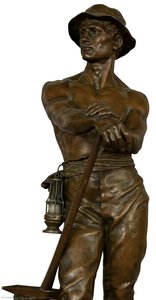
Gaudez is best known for his monumental bronze sculptures, often depicting scenes of blacksmiths at work or laborers engaged in strenuous tasks. These were not simply depictions of physical labor; they were celebrations of human skill and endurance. His figures are characterized by their powerful musculature, dynamic poses, and a remarkable attention to detail – from the texture of skin to the intricate folds of clothing. The sheer scale of these works is also significant, commanding attention and conveying a sense of awe and respect for the individuals they represent. He skillfully captured the heat, force, and precision involved in their trades. While specific commissions and the exact number of surviving pieces remain somewhat elusive, his reputation rests on the impact of these powerful representations of industrial life. His sculptures were not merely aesthetic objects; they served as symbols of progress, industry, and the vital role played by the working class in shaping modern society.Historical Significance and Enduring Legacy
Adrien Étienne Gaudez’s work stands as a compelling example of Realism within 19th-century French sculpture. While he may not have achieved the widespread fame of some of his contemporaries, his dedication to portraying the working class with dignity and power sets him apart. His sculptures offer valuable insights into the social and economic conditions of late 19th-century France, reflecting a growing awareness of the importance of labor and the lives of ordinary people.- Gaudez’s work challenged traditional artistic conventions by focusing on contemporary subjects rather than historical or mythological themes.
- His monumental scale elevated the status of the working class, presenting them as figures worthy of respect and admiration.
- The dynamic energy and anatomical detail in his sculptures demonstrate a mastery of technique and a deep understanding of human form.
adrien étienne gaudez
1845 - 1902 , France
基本情報
- Artistic Movement Or Style: Realism
- Artists Who Influenced This Artist: ['François Jouffroy']
- Date Of Birth: 1845
- Date Of Death: 1902
- Full Name: Adrien Étienne Gaudez
- Nationality: French
- Notable Artworks: ['Monumental bronze figures']
- Place Of Birth: Lyon, France