

 プレビュー
プレビュー
 プリントを購入
 シェアする
シェアする シェアする
シェアする
 詳細を見る
詳細を見る

 ダウンロード
 似ている作品
 X線調査
X線調査 スライドショー
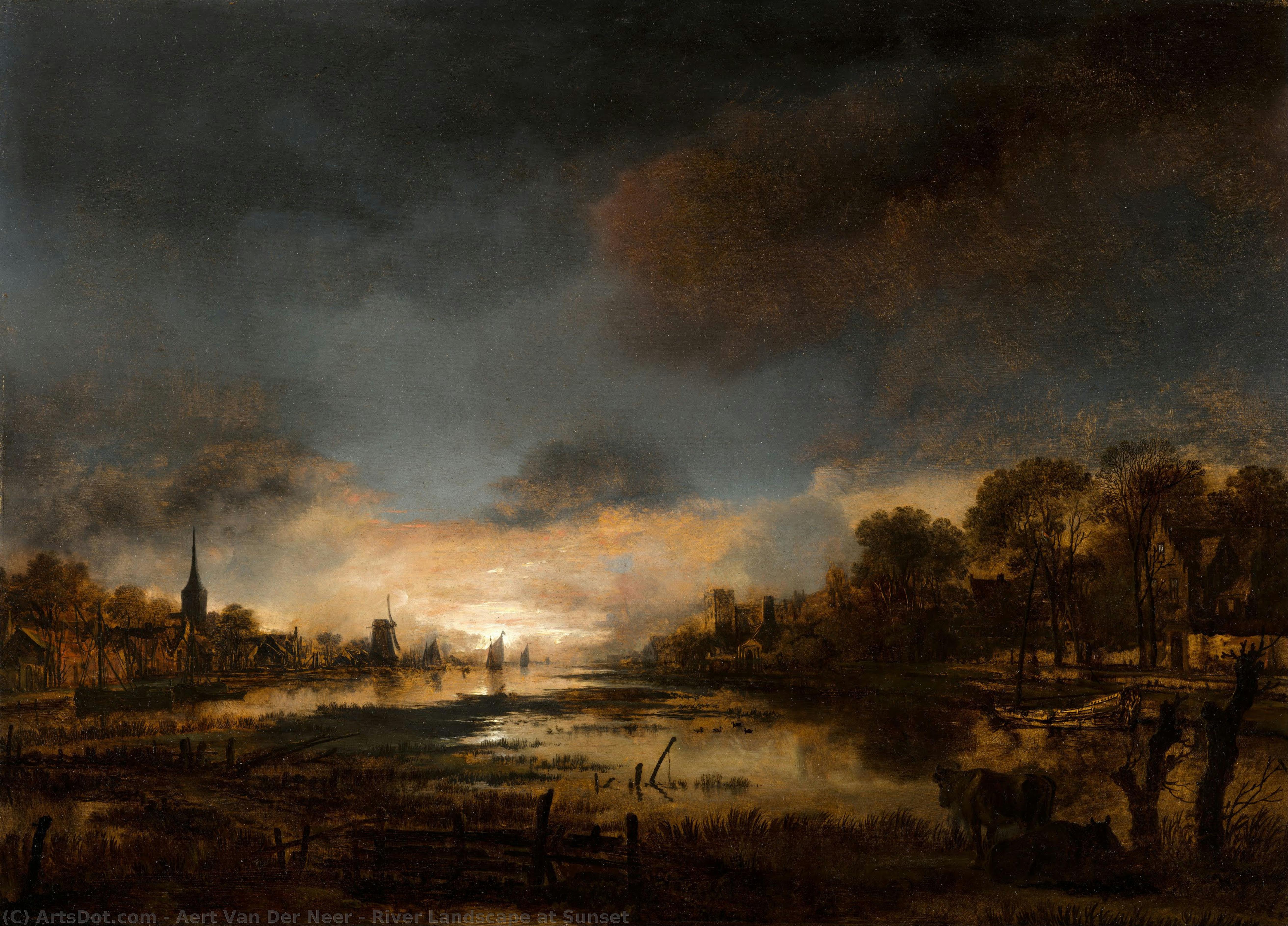
River Landscape at Sunset
 Oil On Canvas
- WallArt
- Dutch Golden Age Landscape
 1650
1650 46.0 x 63.0 cm
 モウリツハウイス
 詳細を見る
詳細を見る




P118B $10

P118H $10

P118W $10

P438Z $10

P508JH $12

P508YH $12

P805H $10

P805Z $10

P919BZ $10

P919G $10

P919XJ $10

P959ZH $10

P968JZ $12

W106C $8

W218G $10

W218JH $8

W218Y $10

W307PJ $10

W316G $10

W316PJ $8

W316Y $10

W398PJ $8

W4111J $10

W500HY $15

W500JH $15

W692G $12

W849H $8

W940BG $15

W953PJ $8




作品のオリジナル比率に合わせた、当店の規定サイズからお選びください。

特定のフレームやスペースに合わせて、ご希望のサイズをご入力いただけます。選択されたサイズが元の画像の比率と異なる場合、アートワークをトリミングするか、手描きで要素を追加して絵画を拡張いたします。デジタルモックアップ を制作し、制作開始前にご確認(承認)をいただきます。
画面上のプレビューは、実際のトリミングや拡張を正確に反映しているものではありません。最終的な構図は、モックアップによってのみ正確にご確認いただけます。
カスタムサイズもご利用いただけますが、元の比率を維持するためには、あらかじめ用意されたリストからサイズを選択することをお勧めいたします。
ご注文後、ArtsDot.com チームより詳細な指示をお送りするとともに、仕上がりイメージ(モックアップ)をご提供いたします。


 ガラスオプションは、110cm未満のサイズでのみご利用いただけます。

River Landscape at Sunset
複製技法
複製画のサイズ
-


合計金額
$ 263
作品解説
A Portrait of Tranquility: Exploring Aert van der Neer’s ‘Landscape at Sunset’
Aert van der Neer (c. 1603 – 9 November 1677) occupies a unique position within the annals of Dutch Golden Age landscape painting—a visionary who eschewed grand panoramas for intimate portrayals of nocturnal landscapes bathed in moonlight and the quiet majesty of winter’s frozen grip. Unlike many artists of his era preoccupied with idealized pastoral scenes or monumental vistas, van der Neer possessed an unwavering dedication to capturing subtle atmospheric nuances and conveying profound psychological realism within genre painting.
His artistic breakthrough arrived during a period marked by significant intellectual ferment—the burgeoning influence of Cartesian philosophy challenged traditional notions of perception and emotion. This philosophical shift profoundly impacted van der Neer’s approach to art, prompting him to delve beyond mere visual representation and strive to evoke feelings of melancholy and contemplation within the viewer.
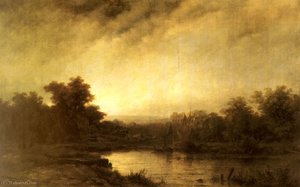
“Landscape at Sunset,” painted circa 1650, exemplifies this distinctive style. The canvas depicts a river bathed in the fiery hues of twilight—a scene rendered with meticulous detail and infused with an unmistakable sense of stillness. Scattered amongst the trees lining the waterway are several boats carrying passengers, their presence punctuating the expansive vista.
- Style: Van der Neer’s oeuvre is characterized by a profound sensitivity to light—particularly moonlight—which he skillfully employed to illuminate his nocturnal landscapes with an ethereal glow. This technique distinguishes him from contemporaries who favored brighter palettes and more assertive brushstrokes.
- Technique: Employing the oil-on-canvas medium, van der Neer achieved remarkable tonal gradation through layering thin glazes of pigment—a painstaking process that allowed him to capture the subtle textures and nuances of winter snow and frozen water surfaces.
Beyond its aesthetic merits, “Landscape at Sunset” resonates with deeper symbolic significance. The darkened sky serves as a metaphor for introspection and spiritual contemplation—inviting viewers to confront their own inner anxieties and uncertainties. Simultaneously, the river symbolizes fluidity and change—a reminder that even amidst apparent tranquility, life continues to unfold beneath the surface.
“Landscape at Sunset” transcends mere depiction; it aspires to communicate an emotional state—one of profound melancholy yet simultaneously imbued with a sense of sublime beauty. This masterful achievement solidified van der Neer’s reputation as one of the foremost practitioners of psychological realism within Dutch landscape painting, ensuring his enduring legacy as an artist who captured the essence of human experience.
Historical Context: The Dawn of Atmospheric Impressionism
Van der Neer's artistic endeavors unfolded against a backdrop of intellectual and cultural transformation—the rise of Cartesian philosophy fundamentally altered perceptions of reality. This paradigm shift encouraged artists to prioritize subjective experience over objective observation, propelling them toward innovative techniques that sought to convey emotional resonance.
Furthermore, the Dutch Republic experienced considerable political instability during van der Neer’s lifetime—characterized by recurrent conflicts with neighboring powers and internal divisions among factions vying for influence. These turbulent circumstances undoubtedly shaped his artistic sensibilities—underscoring the importance of confronting existential anxieties within his evocative landscapes.
Symbolism: Moonlight, Melancholy, and the Passage of Time
The pervasive use of moonlight in van der Neer’s paintings transcends mere illumination; it embodies profound symbolic concepts—representing introspection, spiritual contemplation, and the elusive nature of truth. Similarly, the melancholic tone that permeates his canvases reflects a broader cultural preoccupation with mortality and decay.
Moreover, the depiction of winter landscapes—particularly those overlooking canals—serves as a poignant reminder of the cyclical rhythms of existence—the inevitable decline of beauty and vitality followed by renewal and regeneration. These symbolic motifs contribute to the enduring power of van der Neer’s art to provoke contemplation and inspire emotional response.
Emotional Impact: Capturing the Sublime
Ultimately, “Landscape at Sunset” achieves its remarkable emotive impact through masterful manipulation of light and color—creating a visual experience that transcends mere representation. The artist's deliberate use of tonal gradation—achieved through painstaking layering techniques—captures the subtle textures and nuances of winter snow and frozen water surfaces.
More importantly, van der Neer’s work compels viewers to confront fundamental questions about human existence—inviting them to contemplate their own vulnerabilities and anxieties amidst the grandeur of nature. This profound engagement with psychological themes distinguishes him from contemporaries who prioritized decorative splendor over intellectual depth—ensuring his enduring place as a pioneer of sublime landscape painting.
関連作品




アーティストの略歴
アールト・ファン・デル・ネール:月光と冬の風景の巨匠
アールト・ファン・デル・ネール(1603年頃 – 1677年11月9日)は、オランダ黄金時代の風景画において、比類なき存在感を放つ画家です。彼は、幽玄な月光に照らされた夜の情景や、運河や川沿いに広がる冬の静寂を、どこか心を捉えて離さない美しさで描き出したことで知られています。壮大なパノラマや理想化された田園風景を好んだ当時の多くの同時代人とは異なり、ヴァン・デル・ネールは、自然の中に潜む繊細な大気の揺らぎや、親密な一瞬の表情を捉えることに心血を注ぎました。その姿勢は、風俗画における心理的リアリズムの先駆者としての地位を確立させたのです。凍てつく水面の冷たさや、真夜中の空が放つ銀色の輝きを呼び起こす彼の筆致は、観る者を17世紀オランダの静謐な世界へと直接誘います。幼少期と芸術的修養
ヴァン・デル・エールの形成期に関する情報は、歴史の霧の中に包まれており、極めて限られています。しかし、彼の芸術的な本質は、紛れもなくオランダの土壌に深く根ざしています。伝記的な記録によれば、彼は1604年頃にホルヘムで生まれたとされていますが、彼の真の系譜は、同時代の画家たちの筆致の中に見出すことができます。その芸術教育は、ラファエロやヨッヘム・ゴフェルツ・カンプハイゼンといった影響力のある画家たちとの接点から育まれたと考えられています。こうした著名な芸術家一家との繋がりは、技術を磨き、視覚的表現における革新的なアプローチを探求するための、理想的な環境をもたらしました。この初期の没入体験を通じて、彼は光と影の相互作用を見極める独自の眼を養い、それが生涯にわたる彼の代名詞となったのです。月光が紡ぐ言葉と技法
ヴァン・デル・ネールの独特なスタイルは、光、とりわけ「月光」の巧みな操り方と、それが焚き火の光と織りなす繊細な相互作用によって、一目でそれと分かります。彼は劇的な構図を避け、代わりに、日常の営みに身を置く人々が描かれた、控えめな風景を好みました。彼の作品の中には、次のような情景を見出すことができます。- 冬の盛り、凍てつく水面を滑らかに滑るスケーターたち。
- 柔らかな雪原の中で、ショットを追うコルフ(当時の球技)のプレーヤー。
- 昇りゆく月の見守る下、獲物をじっと待つ漁師。
- 眠りについた町の静かな氷の道を進む、馬に引かれたソリ。
遺産と歴史的意義
アールト・ファン・デル・ネールの歴史的な重要性は、「小さな」風景画を、高い感情的共鳴を伴う領域へと引き上げた点にあります。他の巨匠たちが記念碑的な壮大さを求めた一方で、ヴァン・デル・ネールは、過ぎ去りゆく一瞬や静かなものの中に偉大さを見出しました。息をのむような夕暮れの風景や、オランダの町辺を描いた活気ある冬の情景といった彼の作品は、17世紀の生活を覗き見るタイムレスな窓として機能しています。彼は単なる技術的な熟練者としてだけでなく、夜の世界の魂そのものを捉えた画家として、オランダ黄金時代の礎として記憶されています。その影響は、私たちが夜の美しさを知覚する方法の中に今も生き続けており、最も暗い時間であっても、自然界には深遠で光り輝く気品が存在することを私たちに思い出させてくれるのです。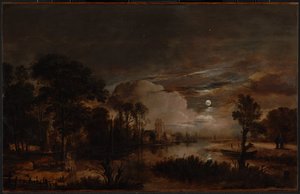
アールト・ファン・デル・ネール
1604 - 1677 , オランダ
基本情報
- Artistic Movement Or Style: オランダ黄金時代風景画
- Artists Or Movements Influenced By This Artist: ['アルベルト・カイプ']
- Artists Who Influenced This Artist:
- ラファエロ
- ヨッヘム・ホーフェルツ・カムフェイセン
- Date Of Birth: オランダ、アムステルダム (1604年)
- Date Of Death: 1677年
- Full Name: アールト・ファン・デル・ニール
- Nationality: オランダ
- Notable Artworks:
- ホランダの冬:スケートの風景
- 月光に照らされた川の風景
- 橋のある月夜の風景
- Place Of Birth: ホルヘム
関連記事

黄金世紀の巨匠たち:バロック絵画が彩る10選|ArtsDot
オランダ黄金時代の10大傑作を紐解く!レンブラント、フェルメール…バロック絵画の魅力と時代背景を深く探求。ArtsDotで、至高のアートコレクションと空間演出のヒントを見つけよう。高品質なアートプリントで、お部屋を華やかに。
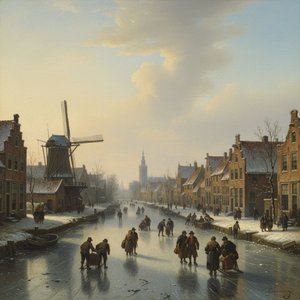
Charles Leickert: Capturing the Dutch Golden Age Light – A Comprehensive Study of Technique, Context, and Legacy
Explore the captivating winter landscapes of Charles Leickert, a master of Dutch Golden Age light & atmosphere. Discover his techniques, symbolism, and lasting legacy – a comprehensive study for art enthusiasts and collectors.

Golden Age Reflections: Dutch Baroque Painting & Cultural Innovation
Explore the Dutch Golden Age of painting! Discover key artists like Vermeer & ter Borch, their innovative techniques, and the rich cultural context behind these Baroque masterpieces. Learn about collecting & appreciating this iconic art period.

Illuminating Innovation: Exploring the Dutch Golden Age of Painting
Explore the Dutch Golden Age of painting with ArtsDot. Discover Rembrandt, Vermeer & other Masters. Learn about key characteristics, iconic artworks, and lasting influence. Expert insights for collectors & enthusiasts.

Illuminating Realism: Exploring the Dutch Golden Age of Painting (1600-1700)
Explore the Dutch Golden Age of painting (1600-1700) with ArtsDot. Discover Rembrandt, Vermeer & other masters. Learn about techniques, history & find museum-quality reproductions.

