

 プレビュー
プレビュー
 プリントを購入
 シェアする
シェアする シェアする
シェアする
 詳細を見る
詳細を見る

 ダウンロード
 似ている作品
 X線調査
X線調査 スライドショー
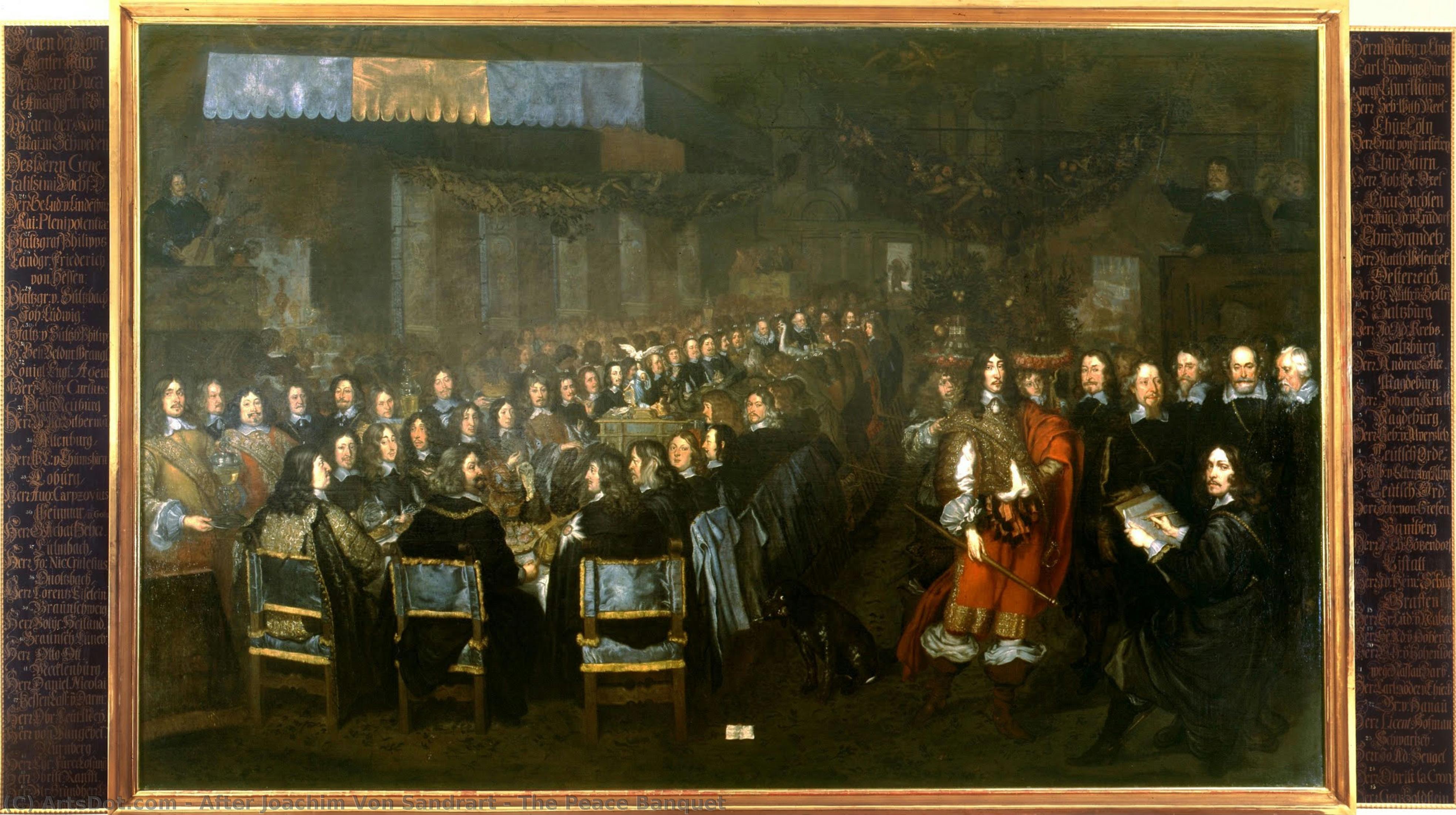
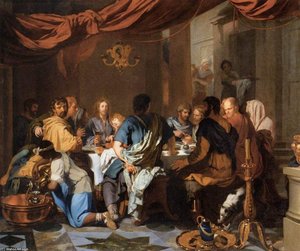
The Peace Banquet


 詳細を見る
詳細を見る
オンラインプレビューをはるかに凌ぐ、高解像度で鮮明なデジタル画像をご購入いただけます。
各ファイルは、社内の専門家が高度なツールと熟練した手作業によるレタッチを用いて、細心の注意を払って準備されています。すべての画像において、卓越した鮮明度、正確な色彩再現性、そして繊細なディテールを保証いたします。
最終ファイルは、プロフェッショナルな編集・印刷環境ですぐにご利用いただけるよう最適化された状態で、72時間以内にメールにてお届けいたします。これは、一流のデザインスタジオ、出版社、ギャラリーから信頼されているものと同等の品質です。
デジタル画像のご注文に付随する特典
高品質なデジタル画像配信を、確かな品質で。
ArtsDot.com を選ぶことは、単に画像を手に入れることではありません。それは、プロの手によって精密に仕上げられ、満足保証が付いた高品質なデジタルアートワークを受け取ることを意味します。ご注文いただいた際に自動的に付随する内容は、以下の通りです:

メールですぐにお届け
ご注文から72時間以内に、高解像度のデジタル画像ファイルがメールでお手元に届きます。すぐにそのままご利用いただけます。

AI技術で最適化されたデジタルファイル
お客様の作品は、高度なAIツールと専門家による手作業の編集を組み合わせてプロフェッショナルに最適化されており、細部のディテール、鮮明さ、そして正確な色再現性を最大限に引き出しています。

一生涯無料の再送サービス
ファイルを誤って削除したり、紛失してしまったりしましたか?ご安心ください。いつでも無料で再送いたします。

輸入手数料は一切かかりません
関税や手数料、配送料を気にすることなく、お気に入りのアートワークをすぐにお楽しみいただけます。デジタルダウンロードは常に免税です。

色彩再現の保証
プロ仕様のツールとカラーマネジメント技術を用いることで、デジタル画像が元の色を最大限に忠実に再現することを保証いたします。

60日間満足保証
ご購入いただいたデジタル画像にご満足いただけない場合は、60日以内であれば、修正または100%の返金(理由を問う必要はありません)をさせていただきます。

100% 返金保証
ご満足いただけない場合は、デジタルファイルを受け取ってから60日以内であれば、理由を問わず全額返金いたします。

まとめ買い割引
3枚購入で10%OFF - 5枚購入で15%OFF - 10枚以上購入で20%OFF。クリエイティブなプロジェクト、ギャラリー、エージェンシーに最適です。
A Grand Celebration Captured in Oil
Step into the vibrant, bustling atmosphere of the seventeenth century with The Peace Banquet, a magnificent oil on canvas that serves as both a historical document and a masterclass in Baroque storytelling. Created after the hand of the esteemed German painter and art historian Joachim von Sandrart, this piece transports the viewer to a moment of profound social and political significance. The scene unfolds around a sprawling, opulent dining table, where the air seems thick with the clinking of glassware, the murmur of diplomatic negotiations, and the warmth of shared triumph. It is not merely a painting of a meal; it is a window into an era defined by grand gestures and the delicate dance of international relations.
The composition is a marvel of organized chaos, characteristic of the Baroque period's love for movement and depth. As your eyes wander across the canvas, you encounter at least fourteen distinct figures, each contributing to the tapestry of life within the hall. Some guests are deeply immersed in scholarly debate, clutching books as if the weight of knowledge is as essential to the feast as the food itself, while others engage in the lighthearted social graces of the age. The artist’s clever inclusion of himself at the front right of the painting adds a layer of intimate meta-narrative, inviting us to feel as though we are standing just behind his shoulder, witnessing the creation of history in real-time.
Mastery of Light and Baroque Splendor
Technically, the work excels in its ability to direct the viewer's gaze through a sophisticated use of light and shadow. The illumination focuses on the central gathering, casting a glow upon the fine attire and the textures of the feast, while allowing the periphery of the grand hall to recede into a mysterious, atmospheric depth. This technique creates a sense of immense scale, making the room feel as vast as the historical events it commemorates. For the discerning collector or interior designer, this painting offers a profound sense of architectural weight and classical elegance.
The symbolic resonance of the piece is deeply tied to its historical context, specifically the commission related to the Swedish generalissimo Gustavus Adolphus. The banquet serves as a metaphor for stability and the restorative power of peace following conflict. Every element—from the dignified posture of the seated leaders to the lively interactions of the standing guests—reinforces the theme of unity and the celebration of a hard-won era of tranquility. It is a piece that commands attention, offering an emotional impact that oscillates between the solemnity of statecraft and the joyous exuberance of human connection.
An Elegant Addition to Sophisticated Interiors
For those looking to infuse their living spaces with character and historical gravity, a high-quality reproduction of The Peace Banquet provides an unparalleled focal point. Its rich palette and complex narrative make it an ideal centerpiece for a formal dining room, a stately library, or a sophisticated study. The painting does more than decorate a wall; it initiates a conversation, inviting guests to linger over its details and contemplate the enduring human desire for harmony and celebration.
Whether you are an art enthusiast drawn to the legacy of Joachim von Sandrart or a designer seeking to evoke the grandeur of the Dutch Golden Age, this artwork stands as a testament to the timeless beauty of the Baroque tradition. It brings with it a sense of prestige and a storied past, making any interior feel like a curated gallery of historical importance.
関連作品






作家の略歴
The Wanderlust of a Baroque Polymath
The life of Joachim von Sandrart was defined by an insatiable curiosity and a restless spirit that mirrored the expansive, transformative energy of the Baroque era. Born in Frankfurt am Main in 1606, Sandrart’s early years were marked by a profound thirst for knowledge that transcended the boundaries of his upbringing. While his family roots traced back to Mons and Bergen, it was his personal journey—a literal and metaphorical pilgrimage through the heart of Europe—that would shape him into one of the most significant figures of the seventeenth century. Driven by an adolescent passion for the intricacies of engraving, he famously walked from Frankfurt to Prague to study under the master Aegidius Sadeler. This early determination set the stage for a life spent traversing the great artistic hubs of Europe, from the bustling streets of Amsterdam to the sun-drenched landscapes of Italy.
His development as an artist was a tapestry woven from the influences of the greatest masters of his age. After honing his skills in Prague, Sandrart moved to Utrecht in 1625, where he entered the studio of Gerrit van Honthorst. It was through this prestigious mentorship that Sandrart’s world expanded even further; he found himself in the presence of none other than Peter Paul Rubens during the master's visit to Honthorst in 1627. This encounter, occurring while Rubens was recruiting talent for his monumental Marie de' Medici cycle, likely left an indelible mark on Sandrart’s understanding of scale, drama, and the grand narrative style of the Flemish Baroque. His subsequent travels took him to London, where he worked alongside Honthorst, meticulously copying Holbein portraits for the Earl of Arundel—a task that deepened his technical precision and fueled his burgeoning interest in the lives and legacies of the artists he encountered.
A Journey Through the Italian Renaissance and Beyond
The true metamorphosis of Sandrart’s intellect occurred during his grand tour of Italy, a period of profound discovery that would provide the raw material for his greatest literary achievement. Setting sail from London to Venice in 1627, he entered a vibrant community of expatriate artists, finding kinship with figures such as Jan Lis and Nicolao Renier. His travels were not merely academic but deeply experiential; he moved through Bologna, meeting his cousin Michael Le Blond, and ventured into the heart of Florence and Rome. In the shadow of the masters, Sandrart absorbed the classical ideals and the dramatic chiaroscuro that defined the Italian tradition. His explorations even led him to Naples, where he captured studies of Mount Vesuvius, imbuing his work with a sense of the sublime and the elemental power of nature.
As an artist, Sandrart gained renown primarily as a portrait painter, a genre that allowed him to capture the psychological depth and social prestige of his subjects. His ability to render the textures of fabric, the warmth of skin, and the character of the sitter reflected the sophisticated techniques he had gathered from the Dutch and Italian schools. However, his legacy is not confined solely to the canvas. He possessed a rare ability to look backward through history even as he lived through a period of rapid artistic evolution.
The Architect of Art History
While his paintings remain significant, Sandrart’s most enduring contribution to the world of art is his monumental work as an art historian. His magnum opus, Teutsche Academie, published between 1675 and 1680, stands as a cornerstone of European art historiography. In this ambitious collection of biographies, Sandrart meticulously documented the lives and contributions of Dutch and German artists, providing a vital record of the Golden Age. This work was more than a mere directory; it was an attempt to codify the artistic identity of Northern Europe, elevating the status of local masters to the level of the great Italian legends.
The historical significance of Sandrart cannot be overstated. He acted as a bridge between the era of the great masters like Rubens and the subsequent generations of scholars and painters. Through his writings, he preserved the oral traditions, studio practices, and personal anecdotes that might otherwise have been lost to time. His life remains a testament to the interconnectedness of the Baroque world—a period where an artist could be a student in Prague, a collaborator in London, a traveler in Naples, and ultimately, the definitive voice of his nation's artistic heritage.
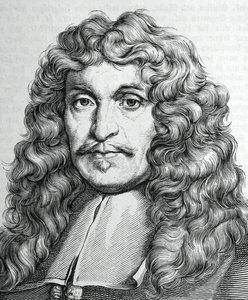
after joachim von sandrart
1606 - 1688
プロフィール概要
- Artistic Movement Or Style: Baroque
- Artists Who Influenced This Artist:
- Aegidius Sadeler
- Gerrit van Honthorst
- Peter Paul Rubens
- Date Of Birth: 1606
- Date Of Death: 1688
- Full Name: Joachim von Sandrart
- Nationality: German
- Place Of Birth: Frankfurt am Main, Germany

