

 プリントを購入
 シェアする
シェアする シェアする
シェアする
 詳細を見る
詳細を見る

 ダウンロード
 似ている作品
 スライドショー
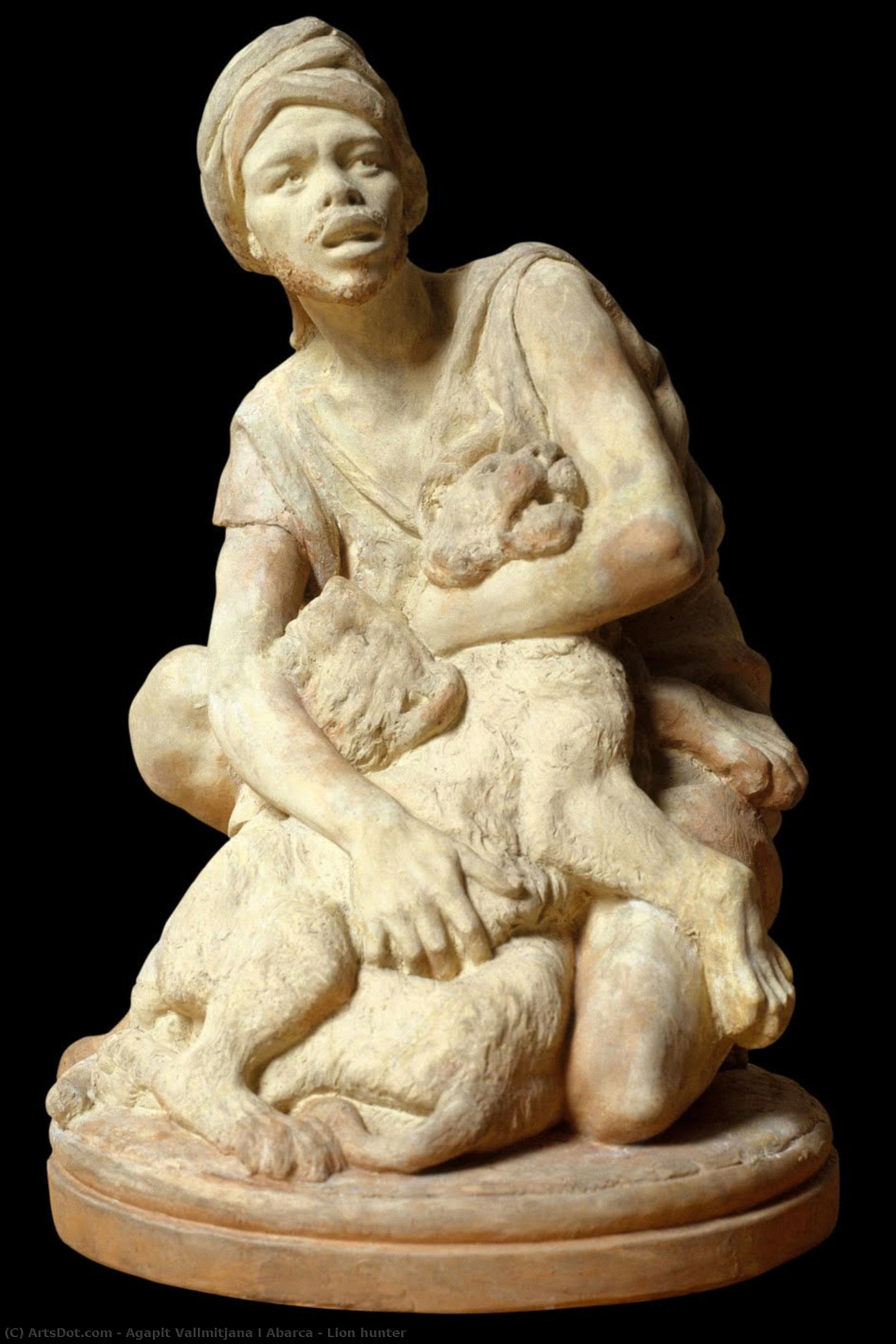
Lion hunter
 Sculpture Bronze
- Realist sculpture
 1882
1882 260.0 x 375.0 cm
 カタルーニャ国立美術館
 詳細を見る
詳細を見る
オンラインプレビューをはるかに凌ぐ、高解像度で鮮明なデジタル画像をご購入いただけます。
各ファイルは、社内の専門家が高度なツールと熟練した手作業によるレタッチを用いて、細心の注意を払って準備されています。すべての画像において、卓越した鮮明度、正確な色彩再現性、そして繊細なディテールを保証いたします。
最終ファイルは、プロフェッショナルな編集・印刷環境ですぐにご利用いただけるよう最適化された状態で、72時間以内にメールにてお届けいたします。これは、一流のデザインスタジオ、出版社、ギャラリーから信頼されているものと同等の品質です。
デジタル画像のご注文に付随する特典
高品質なデジタル画像配信を、確かな品質で。
ArtsDot.com を選ぶことは、単に画像を手に入れることではありません。それは、プロの手によって精密に仕上げられ、満足保証が付いた高品質なデジタルアートワークを受け取ることを意味します。ご注文いただいた際に自動的に付随する内容は、以下の通りです:

メールですぐにお届け
ご注文から72時間以内に、高解像度のデジタル画像ファイルがメールでお手元に届きます。すぐにそのままご利用いただけます。

AI技術で最適化されたデジタルファイル
お客様の作品は、高度なAIツールと専門家による手作業の編集を組み合わせてプロフェッショナルに最適化されており、細部のディテール、鮮明さ、そして正確な色再現性を最大限に引き出しています。

一生涯無料の再送サービス
ファイルを誤って削除したり、紛失してしまったりしましたか?ご安心ください。いつでも無料で再送いたします。

輸入手数料は一切かかりません
関税や手数料、配送料を気にすることなく、お気に入りのアートワークをすぐにお楽しみいただけます。デジタルダウンロードは常に免税です。

色彩再現の保証
プロ仕様のツールとカラーマネジメント技術を用いることで、デジタル画像が元の色を最大限に忠実に再現することを保証いたします。

100日間満足保証
ご購入いただいたデジタル画像にご満足いただけない場合は、100日以内であれば、理由を問わず修正または100%の返金対応をさせていただきます。

100% 返金保証
ご満足いただけない場合は、デジタルファイルを受け取ってから100日以内であれば、理由を問わず全額返金いたします。

まとめ買い割引
3枚購入で10%OFF - 5枚購入で15%OFF - 10枚以上購入で20%OFF。クリエイティブなプロジェクト、ギャラリー、エージェンシーに最適です。
A Legacy Sculpted in Realism: The Life and Art of Agapit Vallmitjana i Abarca
Agapit Vallmitjana i Abarca (1860-1915), a pivotal figure in Spanish sculpture during the late 19th century, stands as a testament to the burgeoning movement towards capturing life with uncompromising honesty. His artistic journey began within a familial crucible of creativity—his father, Venanci Vallmitjana Barbany, himself a respected sculptor—establishing a foundation for Agapit’s own distinctive style and fostering a collaborative spirit that would permeate his oeuvre. Formal training at the Escola de la Llotja in Barcelona provided him with technical mastery, yet it was the immersive experience alongside his father and an innate talent that truly propelled his artistic development. The period witnessed a significant shift away from idealized representations towards portraying subjects with palpable emotion and anatomical accuracy—a trend Vallmitjana wholeheartedly embraced.The Lion Hunter: A Study in Dramatic Composition
“The Lion Hunter,” completed in 1882, exemplifies Vallmitjana’s commitment to realism. This monumental sculpture depicts a woman holding her child tenderly while simultaneously cradling a lion cub – an arresting juxtaposition that speaks volumes about the artist's fascination with both human vulnerability and the untamed power of nature. The figure is adorned in a turban, subtly referencing cultural influences prevalent during Vallmitjana’s time and adding an element of exoticism to the scene. Two dogs flank the woman and child, serving as companions and reinforcing the sculpture’s harmonious portrayal of interconnectedness between humanity and animal kingdom.Technique and Material: Marble's Embrace
Vallmitjana skillfully employed white marble on limestone—a choice reflecting the prevailing sculptural traditions of Catalonia at the time. The meticulous carving process demanded considerable patience and precision, resulting in a surface texture that captures subtle nuances of light and shadow. Vallmitjana’s attention to anatomical detail is evident throughout the sculpture, demonstrating his profound understanding of human musculature and posture. Furthermore, the sculptor's masterful manipulation of marble allowed him to convey an overwhelming sense of emotion—fear, tenderness, and protective instinct—creating a visual experience that transcends mere representation.Historical Context: Catalan Realism and Artistic Influences
Vallmitjana’s artistic vision was deeply rooted in the broader context of Catalan realism—a movement championed by artists like Josep Reynés Gurguí who sought to depict everyday life with unflinching honesty. He drew inspiration from classical sculpture, particularly works emphasizing idealized beauty and heroic grandeur, adapting these principles to his own stylistic concerns. The sculpture’s commission by the City Council of Barcelona coincided with the Universal Exposition of 1888—a pivotal moment in Catalan cultural history—solidifying Vallmitjana's reputation as a leading sculptor of his era.Symbolism and Emotional Resonance
“The Lion Hunter” transcends its formal elements to convey profound symbolic meanings. The woman represents maternal care and protection, while the lion cub embodies primal instinct and vulnerability. Together, they symbolize the delicate balance between civilization and wilderness—a theme that resonates powerfully with viewers today. Vallmitjana’s ability to evoke emotion through sculpture is undeniable; the sculpture compels contemplation on themes of courage, compassion, and the enduring relationship between humans and animals. It remains a captivating masterpiece, embodying the spirit of realism and artistic innovation characteristic of its time.関連作品
作家の略歴
A Legacy Sculpted in Realism: The Life and Art of Agapit Vallmitjana i Abarca
Agapit Vallmitjana i Abarca, born in the vibrant artistic heart of Barcelona in 1860, emerged as a significant figure in Spanish sculpture during a period defined by a renewed appreciation for realism. His life was deeply intertwined with that of his father, Venanci Vallmitjana Barbany, himself a respected sculptor, and it was within this familial creative environment that Agapit first honed his skills. He wasn’t merely a son following in a father's footsteps; he became a dedicated disciple, collaborating frequently with Venanci and absorbing the artistic principles that would shape his own distinctive style. His formal training at the Escola de la Llotja in Barcelona provided him with a solid foundation in technique, but it was the practical experience alongside his father and his innate talent that truly propelled his development as an artist. The late 19th century witnessed a shift towards capturing life’s essence with meticulous detail, and Vallmitjana embraced this movement wholeheartedly, becoming known for sculptures that breathed with authenticity.The Sculptor's Hand: Style and Notable Works
Vallmitjana’s artistic signature lies in his unwavering commitment to realism. He didn’t seek to idealize or abstract; instead, he strived to represent the world as it was, imbuing his sculptures with a tangible sense of life. This dedication is particularly evident in works like The Lion Hunter (1882), a piece that showcases not only technical mastery but also a keen understanding of anatomy and movement. The sculpture isn’t simply a depiction of a man and an animal; it's a narrative frozen in time, capturing the intensity of the hunt and the raw power of nature. Beyond individual pieces, Vallmitjana’s talent extended to monumental works, most notably his contribution to the monument dedicated to Alfonso XII in Buen Retiro Park, Madrid. This large-scale project demonstrates his ability to translate artistic vision into a public statement, solidifying his reputation as a sculptor capable of both intimate detail and grand ambition. His sculptures weren't merely objects; they were reflections of Spanish society and its relationship with the natural world.Influences and Artistic Lineage
The artistic landscape surrounding Agapit Vallmitjana was rich with inspiration, and he readily absorbed influences from both his immediate surroundings and the broader European art scene. His father, Venanci Vallmitjana Barbany, served as a primary mentor, instilling in him not only technical skills but also a deep appreciation for the sculptural tradition. The Escola de la Llotja introduced him to other prominent artists of the time, including Josep Reynés Gurguí, whose work likely contributed to his developing aesthetic sensibilities. However, Vallmitjana’s influences weren't limited to individual figures; he was also shaped by the prevailing artistic currents of his era. The emphasis on realism that swept through Europe in the late 19th century provided a fertile ground for his talent to flourish, encouraging him to focus on meticulous observation and faithful representation. He wasn’t simply imitating others but synthesizing these influences into something uniquely his own.Preserving the Legacy: Museums and Collections
Today, Agapit Vallmitjana i Abarca's sculptures continue to captivate audiences in museums and collections across Spain and beyond. The Museu Frederic Marès in Barcelona stands as a particularly important repository of his work, offering visitors a chance to experience the breadth of his artistic vision within the context of Catalan art history. The museum’s diverse collection allows for a nuanced understanding of Vallmitjana's place within the broader artistic landscape of the region. Furthermore, pieces by Vallmitjana can be found in the Museo de Bellas Artes in Seville, an institution renowned for its impressive holdings of European art spanning centuries. These public displays ensure that his legacy endures, allowing future generations to appreciate the skill and artistry of this remarkable Spanish sculptor. His work serves as a tangible link to a bygone era, reminding us of the power of realism to capture the beauty and complexity of the world around us.A Lasting Impression
Agapit Vallmitjana i Abarca passed away in 1915, leaving behind a body of work that continues to resonate with its unwavering commitment to realism and meticulous detail. He wasn’t merely a sculptor; he was a chronicler of his time, capturing the essence of Spanish life and the majesty of the natural world in enduring forms. His contributions to Catalan art are undeniable, and his sculptures remain a testament to the power of observation, skill, and artistic vision. For those seeking to understand the evolution of Spanish sculpture in the late 19th century, Vallmitjana’s work offers an invaluable insight into the aesthetic values and artistic ambitions of the era. His legacy is not simply preserved in museums; it lives on in the enduring power of his art to inspire and captivate.
Agapit Vallmitjana i Abarca
1860 - 1915 , Spain
プロフィール概要
- Artistic Movement Or Style: Realist sculpture
- Artists Who Influenced This Artist:
- Venanci Vallmitjana Barbany
- Josep Reynés Gurguí
- Date Of Birth: 1860
- Date Of Death: 1915
- Full Name: Agapit Vallmitjana i Abarca
- Nationality: Spanish
- Notable Artworks:
- The Lion Hunter (1882)
- Monument to Alfonso XII
- Place Of Birth: Barcelona, Spain