

 プリントを購入
 シェアする
シェアする シェアする
シェアする
 詳細を見る
詳細を見る

 ダウンロード
 似ている作品
 スライドショー
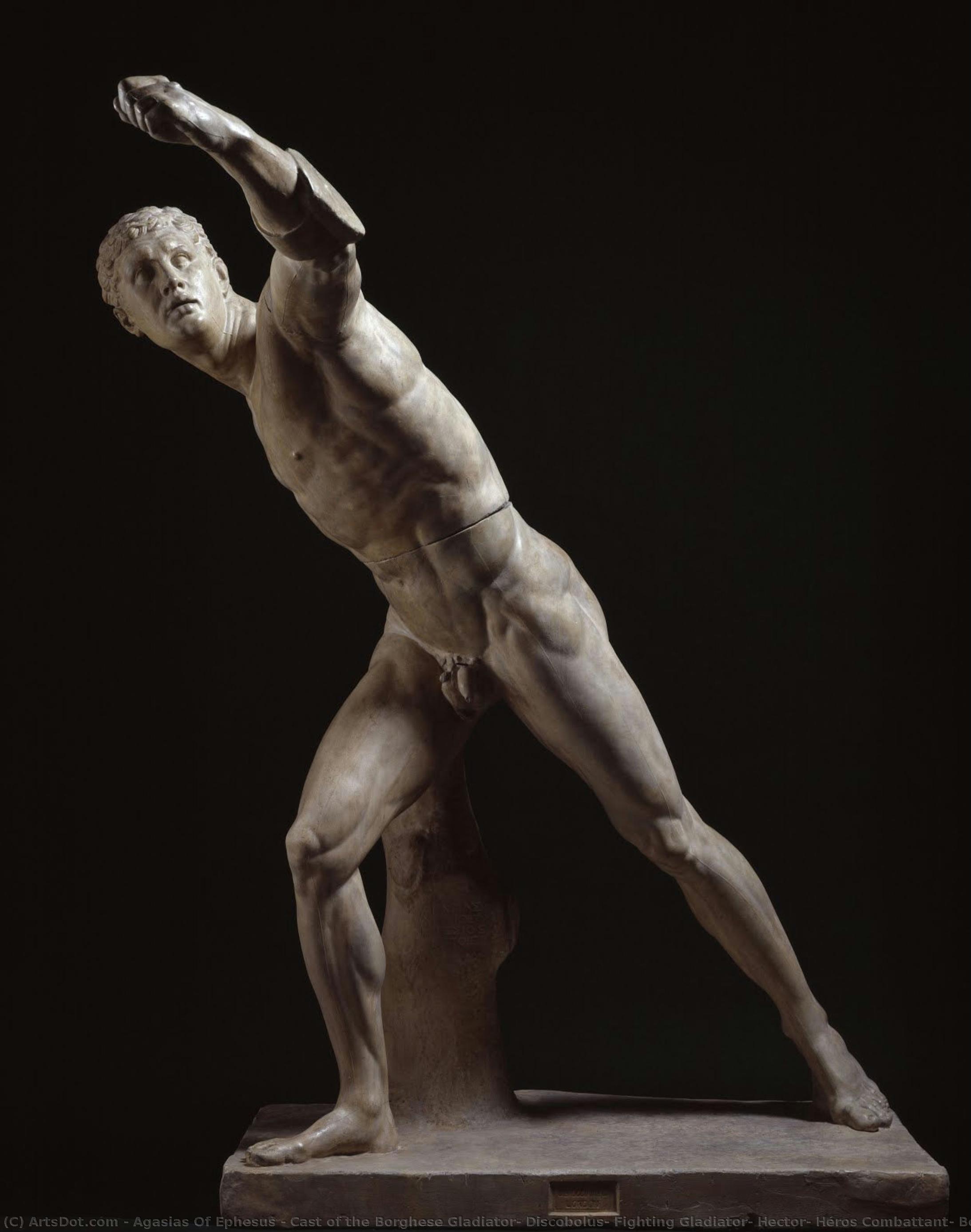
Cast of the Borghese Gladiator; Discobolus; Fighting Gladiator; Hector; Héros Combattant; Borghese Warrior; Original in Musée du Louvre, Paris; Warrior of Agasias


 詳細を見る
詳細を見る
オンラインプレビューをはるかに凌ぐ、高解像度で鮮明なデジタル画像をご購入いただけます。
各ファイルは、社内の専門家が高度なツールと熟練した手作業によるレタッチを用いて、細心の注意を払って準備されています。すべての画像において、卓越した鮮明度、正確な色彩再現性、そして繊細なディテールを保証いたします。
最終ファイルは、プロフェッショナルな編集・印刷環境ですぐにご利用いただけるよう最適化された状態で、72時間以内にメールにてお届けいたします。これは、一流のデザインスタジオ、出版社、ギャラリーから信頼されているものと同等の品質です。
デジタル画像のご注文に付随する特典
高品質なデジタル画像配信を、確かな品質で。
ArtsDot.com を選ぶことは、単に画像を手に入れることではありません。それは、プロの手によって精密に仕上げられ、満足保証が付いた高品質なデジタルアートワークを受け取ることを意味します。ご注文いただいた際に自動的に付随する内容は、以下の通りです:

メールですぐにお届け
ご注文から72時間以内に、高解像度のデジタル画像ファイルがメールでお手元に届きます。すぐにそのままご利用いただけます。

AI技術で最適化されたデジタルファイル
お客様の作品は、高度なAIツールと専門家による手作業の編集を組み合わせてプロフェッショナルに最適化されており、細部のディテール、鮮明さ、そして正確な色再現性を最大限に引き出しています。

一生涯無料の再送サービス
ファイルを誤って削除したり、紛失してしまったりしましたか?ご安心ください。いつでも無料で再送いたします。

輸入手数料は一切かかりません
関税や手数料、配送料を気にすることなく、お気に入りのアートワークをすぐにお楽しみいただけます。デジタルダウンロードは常に免税です。

色彩再現の保証
プロ仕様のツールとカラーマネジメント技術を用いることで、デジタル画像が元の色を最大限に忠実に再現することを保証いたします。

60日間満足保証
ご購入いただいたデジタル画像にご満足いただけない場合は、60日以内であれば、修正または100%の返金(理由を問う必要はありません)をさせていただきます。

100% 返金保証
ご満足いただけない場合は、デジタルファイルを受け取ってから60日以内であれば、理由を問わず全額返金いたします。

まとめ買い割引
3枚購入で10%OFF - 5枚購入で15%OFF - 10枚以上購入で20%OFF。クリエイティブなプロジェクト、ギャラリー、エージェンシーに最適です。
The Eternal Motion of the Borghese Warrior
In the quiet stillness of a museum gallery or the curated elegance of a private study, few figures command attention quite like the Borghese Gladiator. This breathtaking plaster cast captures a moment of suspended animation, frozen in the height of physical exertion. The sculpture depicts a male figure caught in a dynamic, twisting motion, his body a masterclass in Hellenistic tension and anatomical precision. As he prepares to release his projectile, every sinew and muscle is rendered with profound clarity, creating a rhythmic flow of energy that leads the eye across the diagonal axis of his torso. The play of light and shadow across the smooth, matte surface of the cast emphasizes the heroic musculature, evoking a sense of raw power and disciplined grace that has captivated observers for centuries.
The artistry of Agasias of Ephesus lies in his ability to breathe life into cold medium. While the original marble masterpiece resides in the hallowed halls of the Musée du Louvre, this reproduction allows the spirit of ancient Greece to inhabit contemporary spaces. The composition is a triumph of balance; despite the intense physical struggle depicted, there is an underlying harmony in the figure's stance. His grounded left leg provides a foundation of stability, contrasting beautifully with the reaching, preparatory movement of his right arm. For the discerning collector or interior designer, this piece serves as a profound focal point, offering a sophisticated interplay of classical grandeur and sculptural depth that complements both minimalist modernism and opulent traditional decor.
A Legacy Carved in History
To behold this work is to touch the lineage of Western civilization. The history of the Borghese Gladiator is as dramatic as the sculpture itself. Originally unearthed near Anzio, Italy, in 1611, the statue became a crown jewel of the illustrious Borghese collection. Its journey through time is marked by the hands of emperors and connoisseurs alike; notably, Napoleon Bonaparte’s acquisition of the piece in 1807 cemented its status as an icon of cultural heritage. The sculpture's influence even reached the royal courts of England, where bronze casts graced the gardens of St. James’ Palace and Wilton, inspiring generations of artists and thinkers to contemplate the ideals of heroism and human perfection.
Beyond its physical form, the piece carries a deep symbolic weight. It represents the Hellenistic pursuit of naturalism—the transition from the idealized, static figures of earlier eras to a more visceral, emotional representation of the human condition. The warrior is not merely a subject of athletic prowess but an emblem of the struggle, the focus, and the indomitable will. For those seeking to infuse their environment with inspiration, this reproduction offers more than mere decoration; it provides a window into an era where art sought to capture the very essence of life, strength, and the eternal dance between movement and stillness.
関連作品



作家の略歴
Agasias of Ephesus: The Sculptor Behind the Borghese Warrior
Agasias of Ephesus, a Greek sculptor active in the first century BC, remains an enigmatic figure despite his enduring legacy as creator of one of Hellenistic sculpture’s most iconic masterpieces – the Borghese Gladiator. Little is known about his personal life beyond fragmentary inscriptions hinting at his involvement in Delos during Roman rule, yet his artistic output speaks volumes about the intellectual and aesthetic currents shaping ancient Greece. He stands as a testament to the dynamism and naturalism that characterized the period following Alexander the Great’s death, embodying the ambition to represent human form with unprecedented realism.Early Life and Artistic Training
Information regarding Agasias' birthdate and family is scarce. Evidence suggests he hailed from Ephesus, a thriving port city at the crossroads of Greek and Roman cultures—a location that fostered artistic innovation and patronage. He was likely the son of Dositheus, another sculptor known for his work on monumental sculptures in Ephesus, establishing him within a lineage dedicated to crafting impressive representations of gods and heroes. While precise details about his formative years are elusive, it’s plausible he received training under prominent sculptors of his time, absorbing techniques honed by masters like Lysippos—a figure whose influence is palpable in Agasias' stylistic choices.The Borghese Gladiator: A Pinnacle of Hellenistic Style
The Borghese Gladiator, housed in the Louvre Museum, represents Agasias’ magnum opus and arguably embodies the very essence of Hellenistic sculpture. Completed around 100 BC, this colossal bronze statue depicts a warrior engaged in combat—a subject favored by sculptors during this era who sought to capture movement and emotion with remarkable accuracy. Unlike idealized depictions prevalent in Classical art, Agasias' Gladiator is imbued with palpable tension and physicality; muscles ripple beneath the skin, conveying the strain of exertion. The sculptor meticulously studied anatomy, utilizing techniques honed by Lysippos—a master known for his anatomical precision—to achieve a level of realism previously unattainable. The statue’s pose—the warrior leaning forward, one arm outstretched—is deliberately asymmetrical, reflecting the Hellenistic preoccupation with dynamism and conveying an impression of immediacy. Agasias skillfully employed bronze casting techniques to capture this movement, demonstrating mastery over material science alongside artistic vision. The sculpture's surface is polished to a gleaming sheen, enhancing its visual impact and highlighting the sculptor’s meticulous attention to detail—a hallmark of Hellenistic artistry.Beyond the Gladiator: Temple Sculpture and Artistic Legacy
While the Borghese Gladiator secures Agasias’ place in art history, his contribution extends beyond this single monumental work. He played a crucial role in decorating the Temple of Artemis at Ephesus—one of the Seven Wonders of the Ancient World—a project that showcased his skill in crafting large-scale sculptures for religious contexts. The temple complex was adorned with statues depicting gods and heroes, reflecting the artistic sensibilities of the time and demonstrating Agasias’ ability to execute ambitious commissions. Agasias' style—characterized by naturalism, dynamism, and anatomical precision—influenced subsequent sculptors throughout antiquity and beyond. His work served as a model for artists striving to emulate Lysippos’ achievements and solidified Ephesus’ reputation as a center of artistic excellence. Though Agasias himself remains shrouded in obscurity, his legacy persists through the enduring beauty and intellectual depth of his sculptures—particularly the Borghese Gladiator—a testament to the transformative power of Hellenistic art and its lasting impact on Western artistic tradition.
agasias of ephesus
Greece
プロフィール概要
- Artistic Movement Or Style: Hellenistic Sculpture
- Artists Or Movements Influenced By This Artist: ['Classical Sculpture']
- Artists Who Influenced This Artist: ['Lysippos']
- Full Name: agasias of ephesus
- Nationality: Greek
- Notable Artworks: ['Borghese Warrior']
- Place Of Birth: Greece

