

 プレビュー
プレビュー
 プリントを購入
 シェアする
シェアする シェアする
シェアする
 詳細を見る
詳細を見る

 ダウンロード
 似ている作品
 X線調査
X線調査 スライドショー
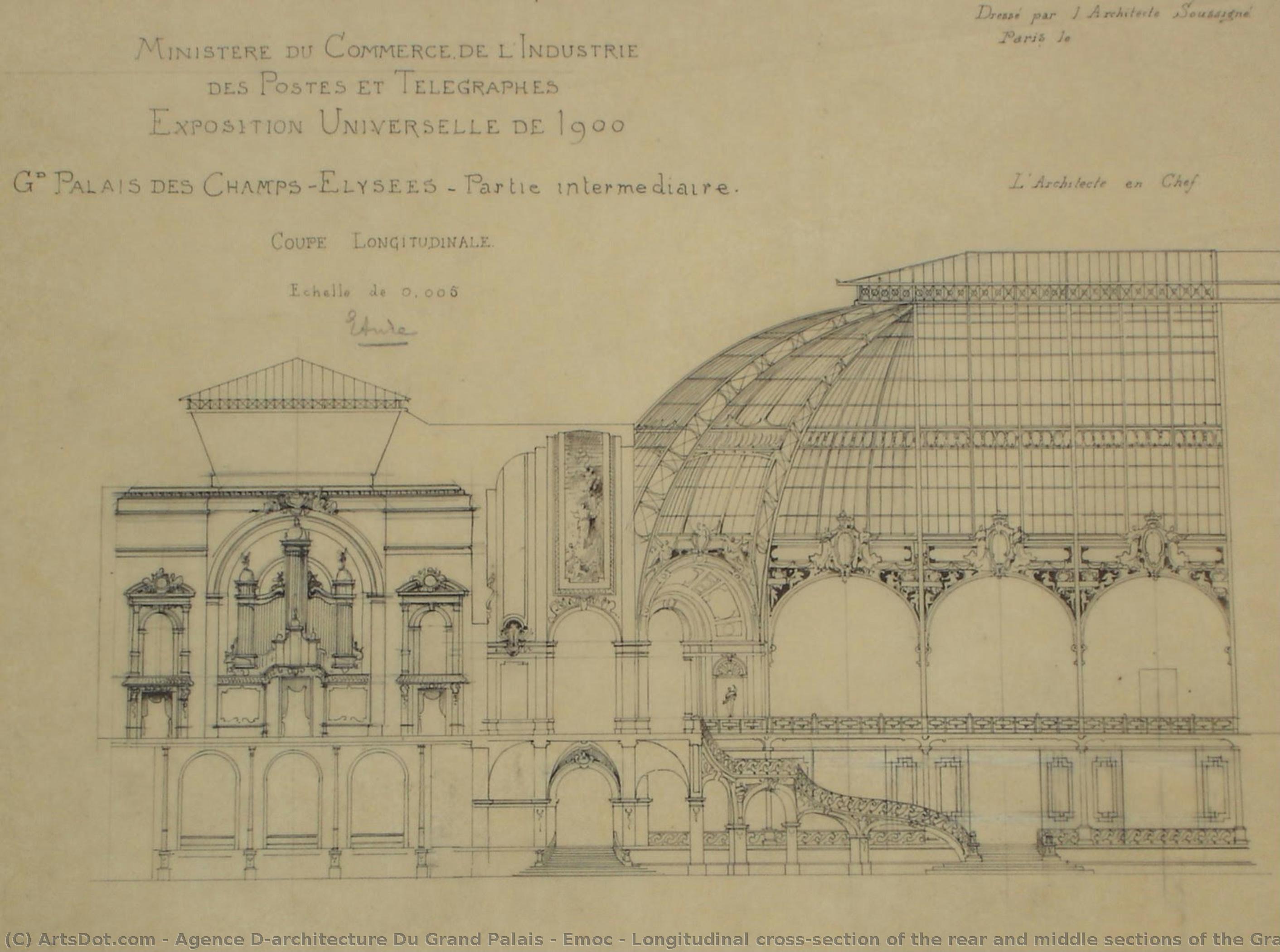
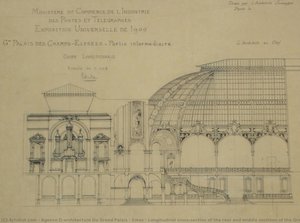
Longitudinal cross-section of the rear and middle sections of the Grand Palais, Paris.


 詳細を見る
詳細を見る
オンラインプレビューをはるかに凌ぐ、高解像度で鮮明なデジタル画像をご購入いただけます。
各ファイルは、社内の専門家が高度なツールと熟練した手作業によるレタッチを用いて、細心の注意を払って準備されています。すべての画像において、卓越した鮮明度、正確な色彩再現性、そして繊細なディテールを保証いたします。
最終ファイルは、プロフェッショナルな編集・印刷環境ですぐにご利用いただけるよう最適化された状態で、72時間以内にメールにてお届けいたします。これは、一流のデザインスタジオ、出版社、ギャラリーから信頼されているものと同等の品質です。
デジタル画像のご注文に付随する特典
高品質なデジタル画像配信を、確かな品質で。
ArtsDot.com を選ぶことは、単に画像を手に入れることではありません。それは、プロの手によって精密に仕上げられ、満足保証が付いた高品質なデジタルアートワークを受け取ることを意味します。ご注文いただいた際に自動的に付随する内容は、以下の通りです:

メールですぐにお届け
ご注文から72時間以内に、高解像度のデジタル画像ファイルがメールでお手元に届きます。すぐにそのままご利用いただけます。

AI技術で最適化されたデジタルファイル
お客様の作品は、高度なAIツールと専門家による手作業の編集を組み合わせてプロフェッショナルに最適化されており、細部のディテール、鮮明さ、そして正確な色再現性を最大限に引き出しています。

一生涯無料の再送サービス
ファイルを誤って削除したり、紛失してしまったりしましたか?ご安心ください。いつでも無料で再送いたします。

輸入手数料は一切かかりません
関税や手数料、配送料を気にすることなく、お気に入りのアートワークをすぐにお楽しみいただけます。デジタルダウンロードは常に免税です。

色彩再現の保証
プロ仕様のツールとカラーマネジメント技術を用いることで、デジタル画像が元の色を最大限に忠実に再現することを保証いたします。

60日間満足保証
ご購入いただいたデジタル画像にご満足いただけない場合は、60日以内であれば、修正または100%の返金(理由を問う必要はありません)をさせていただきます。

100% 返金保証
ご満足いただけない場合は、デジタルファイルを受け取ってから60日以内であれば、理由を問わず全額返金いたします。

まとめ買い割引
3枚購入で10%OFF - 5枚購入で15%OFF - 10枚以上購入で20%OFF。クリエイティブなプロジェクト、ギャラリー、エージェンシーに最適です。
作品の詳細
The Blueprint of an Era: A Glimpse into the Grand Palais
To gaze upon this longitudinal cross-section of the Grand Palais is to step back into the feverish, ambitious heart of 1897 Paris. This is not merely a technical drawing; it is a skeletal map of a dream being realized. At the dawn of the twentieth century, France was poised on the precipice of modernity, and this architectural rendering captures the very moment that structural engineering met high art. The drawing serves as a window into the meticulous planning required for the 1900 Exposition Universelle, revealing the intricate dance between iron, glass, and stone that would eventually define the Belle Époque skyline.
The composition is a masterclass in precision, presented as a series of vertical panels that dissect the building’s anatomy. Through the use of fine, black ink linework on paper, the artist—a collective of the Agence D'architecture Du Grand Palais—reveals the hidden majesty of the structure. One can trace the rhythmic progression of arches and the heavy, supporting ribs of the roof, each line weight carefully chosen to suggest depth and structural integrity. There is a profound sense of order here; the linear perspective guides the eye through a labyrinth of walls and supports, creating a layered effect that transforms a flat document into a three-dimensional exploration of space.
The Artistry of Engineering and Technical Mastery
While the primary purpose of this work was informational and functional, its aesthetic value is undeniable for the discerning collector. The technique relies on the subtle interplay of hatching and varying line thicknesses to simulate light and shadow, suggesting a soft illumination descending from the great glass vaults above. The presence of handwritten French annotations adds an intimate, human element to the cold precision of the engineering, reminding us that behind every calculated measurement was a hand guided by vision and necessity.
For the interior designer or art enthusiast, this piece offers a sophisticated way to introduce historical gravity into a contemporary space. The monochromatic palette makes it an incredibly versatile choice for various decor styles, from the minimalist industrial loft to the classic, ornate study. It functions as a conversation piece that celebrates the beauty of logic and the elegance of structural design. Owning a reproduction of such a significant document is akin to possessing a fragment of Paris's architectural soul, bringing a sense of timelessness and intellectual depth to any room.
A Legacy Written in Ink
Beyond its technical brilliance, this drawing carries the emotional weight of an era defined by progress. It represents the collective spirit of the Agence D'architecture Du Grand Palais, a group of minds working in unison to create a monument that would stand as a testament to French industrial prowess. There is no overt symbolism here—no hidden allegories or mythological figures—yet the sheer scale and complexity of the drawing evoke a sense of awe. It captures the tension between the heavy permanence of masonry and the light, airy potential of the new age of iron.
In an age of digital fleetingness, there is something deeply grounding about this hand-drawn architectural study. It invites the viewer to slow down, to trace the paths of weight and support, and to appreciate the monumental effort required to shape the world around us. Whether displayed as a focal point in a gallery or as a subtle accent in a curated collection, this work remains an enduring tribute to the brilliance of human ingenuity and the architectural splendor of Paris.
関連作品
作家の略歴
The Architects of a Monument: Agence D'architecture Du Grand Palais / Emoc
The story of the Grand Palais is, in many ways, the story of France at the turn of the 20th century—a nation eager to showcase its industrial prowess and artistic brilliance on the world stage. While often remembered as a stunning example of Belle Époque architecture, the building itself wasn’t born from the vision of a single architect but rather a collaborative effort embodied by Agence D'architecture Du Grand Palais / Emoc. This agency represents not just individuals, but a collective of skilled engineers and architects tasked with realizing an ambitious dream: to create a palace for the Universal Exhibition of 1900. Their work transcends mere construction; it’s a testament to innovation, precision, and a deep understanding of both aesthetic beauty and structural possibility.
A Collective Vision Takes Shape
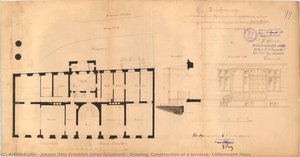
The origins of the agency lie in the need for specialized expertise to manage the complex undertaking that was the Grand Palais. The project demanded not only architectural design but also advanced engineering solutions to create a vast, light-filled space capable of hosting diverse exhibitions and events. While several figures contributed significantly—including Albert Thomas, whose studies for the rear section façade are particularly noteworthy—the agency functioned as a unified body responsible for translating the overarching vision into reality. The team skillfully blended ironwork with stone masonry, creating a structure that was both monumental in scale and remarkably elegant in its detailing.
Technical Mastery and Artistic Integration
The Grand Palais wasn’t conceived as a purely functional building; it was intended to be a celebration of art itself. The agency's drawings—such as the detailed longitudinal cross-section of the rear and middle sections—reveal a meticulous attention to detail, demonstrating a profound understanding of structural mechanics. The use of iron allowed for expansive interior spaces free from obstructive columns, creating an unprecedented sense of openness. This innovative approach was coupled with elaborate ornamentation, including sculptures, mosaics, and painted ceilings, transforming the building into a veritable art gallery. The agency successfully integrated technical mastery with artistic expression, resulting in a harmonious blend of form and function.
Legacy and Historical Significance
Since its inauguration in 1901, the Grand Palais has served as a dynamic cultural hub, hosting everything from art exhibitions and fashion shows to sporting events and political rallies. It has witnessed pivotal moments in French history and continues to be a symbol of national pride. The agency’s work laid the foundation for modern exhibition spaces, influencing architectural design worldwide. Their ability to create a building that was both structurally innovative and aesthetically captivating remains an enduring legacy. Today, the Grand Palais stands as a powerful reminder of France's artistic heritage and its commitment to pushing the boundaries of architectural possibility.
Continuing Influence
The work of Agence D’architecture Du Grand Palais / Emoc continues to inspire architects and engineers today. Their drawings, preserved in archives and collections around the world, offer valuable insights into the design process and the challenges of large-scale construction. The agency's commitment to integrating art and technology remains a relevant principle for contemporary architectural practice. By studying their achievements, we can gain a deeper appreciation for the power of collaboration, innovation, and the enduring beauty of well-crafted architecture.
プロフィール概要
- Artistic Movement Or Style: Technical illustration
- Date Of Death: Living
- Full Name: Agence D'architecture Du Grand Palais / Emoc
- Notable Artworks:
- Longitudinal cross-section...
- Study for the rear section façade...

