

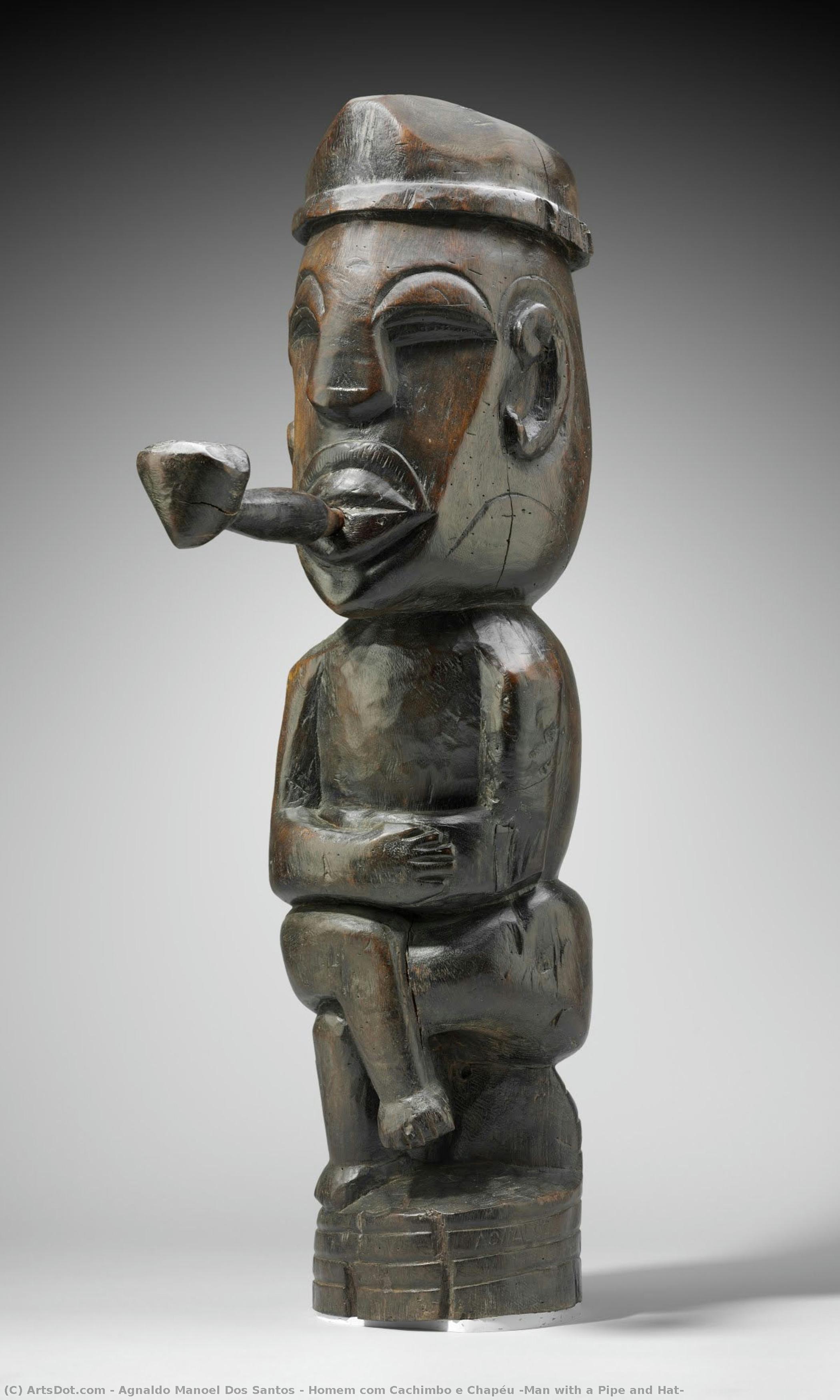
 プレビュー
プレビュー
 シェアする
シェアする シェアする
シェアする
 詳細を見る
詳細を見る

 ダウンロード
 似ている作品
 X線調査
X線調査 スライドショー
 Stats
StatsHomem com Cachimbo e Chapéu (Man with a Pipe and Hat)


 詳細を見る
詳細を見る
オンラインプレビューをはるかに凌ぐ、高解像度で鮮明なデジタル画像をご購入いただけます。
各ファイルは、社内の専門家が高度なツールと熟練した手作業によるレタッチを用いて、細心の注意を払って準備されています。すべての画像において、卓越した鮮明度、正確な色彩再現性、そして繊細なディテールを保証いたします。
最終ファイルは、プロフェッショナルな編集・印刷環境ですぐにご利用いただけるよう最適化された状態で、72時間以内にメールにてお届けいたします。これは、一流のデザインスタジオ、出版社、ギャラリーから信頼されているものと同等の品質です。
デジタルアート
個人での鑑賞、印刷、クリエイティブなプロジェクト用に、高解像度ファイルをダウンロードできます。 ( Switch to Print 手描きの絵画を購入)
デジタル画像のご注文に付随する特典
高品質なデジタル画像配信を、確かな品質で。
ArtsDot.com を選ぶことは、単に画像を手に入れることではありません。それは、プロの手によって精密に仕上げられ、満足保証が付いた高品質なデジタルアートワークを受け取ることを意味します。ご注文いただいた際に自動的に付随する内容は、以下の通りです:

メールですぐにお届け
ご注文から72時間以内に、高解像度のデジタル画像ファイルがメールでお手元に届きます。すぐにそのままご利用いただけます。

AI技術で最適化されたデジタルファイル
お客様の作品は、高度なAIツールと専門家による手作業の編集を組み合わせてプロフェッショナルに最適化されており、細部のディテール、鮮明さ、そして正確な色再現性を最大限に引き出しています。

一生涯無料の再送サービス
ファイルを誤って削除したり、紛失してしまったりしましたか?ご安心ください。いつでも無料で再送いたします。

輸入手数料は一切かかりません
関税や手数料、配送料を気にすることなく、お気に入りのアートワークをすぐにお楽しみいただけます。デジタルダウンロードは常に免税です。

色彩再現の保証
プロ仕様のツールとカラーマネジメント技術を用いることで、デジタル画像が元の色を最大限に忠実に再現することを保証いたします。

100日間満足保証
ご購入いただいたデジタル画像にご満足いただけない場合は、100日以内であれば、理由を問わず修正または100%の返金対応をさせていただきます。

100% 返金保証
ご満足いただけない場合は、デジタルファイルを受け取ってから100日以内であれば、理由を問わず全額返金いたします。

まとめ買い割引
3枚購入で10%OFF - 5枚購入で15%OFF - 10枚以上購入で20%OFF。クリエイティブなプロジェクト、ギャラリー、エージェンシーに最適です。
関連作品

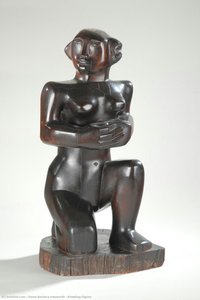
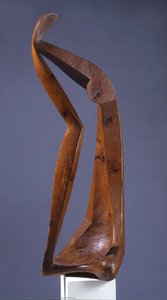
作家の略歴
A Life Carved in Wood: The Story of Agnaldo Manoel dos Santos
Agnaldo Manoel dos Santos, born on the idyllic island of Itaparica, Bahia, Brazil, in 1926, emerged as a profoundly original voice within Brazilian sculpture. His life, though tragically cut short in 1962, left an indelible mark on the nation’s artistic landscape. He wasn't formally trained in the traditional sense; his education was rooted in the rich cultural soil of Bahia – a place where African heritage intertwined with Catholicism and everyday life to create a unique aesthetic sensibility. Initially working as a studio assistant for Mário Cravo Neto, he quickly demonstrated an innate talent for woodworking, moving beyond mere assistance to forge his own distinct path. This early exposure provided a crucial foundation, but it was Santos’s deep connection to the folklore, religious beliefs, and lived experiences of his community that truly fueled his artistic vision. His biography is often described as having gaps, yet within those silences lies the power of an artist deeply embedded in a world he didn't need academic validation to understand.The Language of Form: Influences and Development
Santos’s sculptures are not easily categorized. They resist simple labels like “primitive” or “folk art,” though they certainly draw upon these traditions. His work is best understood as a synthesis – a powerful distillation of Brazilian popular culture, African iconography, and a distinctly modern sensibility. The *carrancas*, the carved boat figureheads used in the São Francisco River region to ward off evil spirits, were a significant influence, evident in their bold forms and protective symbolism. Catholic imagery, particularly ex-votos – small devotional offerings left as thanks for prayers answered – also permeated his work, though he transformed these familiar motifs into something entirely new. He wasn’t simply replicating these objects; he was reinterpreting them through a contemporary lens, stripping away extraneous detail to reveal the essential emotional and spiritual core. This process of reduction, or subtractive carving, became a hallmark of his style. He began exhibiting in the mid-1950s, quickly gaining recognition for his unique approach. His first solo show in Rio de Janeiro in 1956 brought him wider attention, attracting critics, dealers and collectors who were captivated by the raw power and originality of his work.Themes of Faith, Identity, and the Brazilian Spirit
The themes explored in Santos’s sculptures are deeply rooted in the Brazilian experience. He often depicted figures from everyday life – men with pipes, women carrying burdens, children at play – elevating these ordinary subjects to a level of dignity and significance. His work is imbued with a sense of spirituality, but it's not necessarily tied to any specific religious dogma. Rather, it reflects a broader reverence for the human spirit and the power of belief. His sculptures are often described as embodying a uniquely “Brazilian” identity, reflecting the country’s complex history and cultural diversity. Clarival do Prado Valladares, a pioneering historian of Brazilian art, emphasized this aspect of Santos's work, highlighting his ability to synthesize different racial influences into a cohesive artistic vision. Santos wasn’t interested in creating idealized representations; he sought to capture the essence of his subjects – their strength, resilience, and humanity.Major Achievements and Recognition
Despite his premature death at the age of 36, Agnaldo Manoel dos Santos achieved significant recognition during his lifetime. He participated in the 4th São Paulo Biennial in 1957, winning the sculpture prize – a testament to the growing appreciation for his work within the art world. Posthumously, his sculptures were featured in the First World Festival of Black Arts in Dakar, where he again received acclaim and represented Brazil alongside other important artists like Heitor dos Prazeres and Rubem Valentim. His retrospective exhibition at the Pinacoteca de São Paulo in 1993, curated by Emanoel Araújo, helped to solidify his place as a major figure in Brazilian art history. The exhibition showcased the breadth of his work and highlighted his enduring influence on subsequent generations of artists.A Lasting Legacy: Santos’s Place in Art History
Agnaldo Manoel dos Santos's legacy extends far beyond his sculptures themselves. He challenged conventional notions of what constituted “art” in Brazil, paving the way for a more inclusive and diverse artistic landscape. His work continues to resonate with audiences today, offering a powerful glimpse into the soul of Brazil. He demonstrated that true artistry doesn’t require formal training or academic validation; it emerges from a deep connection to one's culture, community, and lived experience.- His sculptures are celebrated for their raw power, emotional depth, and unique aesthetic sensibility.
- Santos is considered a pivotal figure in the construction of a history of art of northeastern Brazil.
- He remains an inspiration to artists seeking to explore themes of identity, spirituality, and cultural heritage.
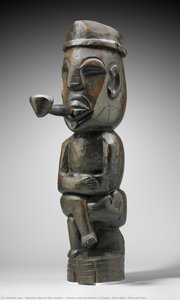
agnaldo manoel dos santos
1926 - 1962 , Brazil
プロフィール概要
- Artistic Movement Or Style: Wood sculpture, Popular art
- Artists Who Influenced This Artist: ['Mario Cravo Júnior']
- Date Of Birth: 1926
- Date Of Death: 1962
- Full Name: Agnaldo Manoel dos Santos
- Nationality: Brazilian
- Notable Artworks: ['Homem com Cachimbo e Chapéu']
- Place Of Birth: Ilha de Itaparica, Brazil