


 プレビュー
プレビュー
 プリントを購入
 シェアする
シェアする シェアする
シェアする
 詳細を見る
詳細を見る

 ダウンロード
 似ている作品
 X線調査
X線調査 スライドショー
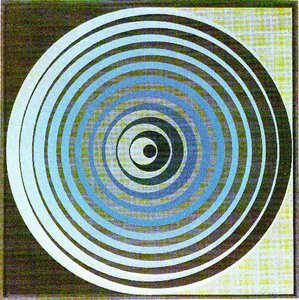
Contrarium
 2019
2019 100.0 x 100.0 cm
 Krakow Festival Office
 詳細を見る
詳細を見る
オンラインプレビューをはるかに凌ぐ、高解像度で鮮明なデジタル画像をご購入いただけます。
各ファイルは、社内の専門家が高度なツールと熟練した手作業によるレタッチを用いて、細心の注意を払って準備されています。すべての画像において、卓越した鮮明度、正確な色彩再現性、そして繊細なディテールを保証いたします。
最終ファイルは、プロフェッショナルな編集・印刷環境ですぐにご利用いただけるよう最適化された状態で、72時間以内にメールにてお届けいたします。これは、一流のデザインスタジオ、出版社、ギャラリーから信頼されているものと同等の品質です。
デジタル画像のご注文に付随する特典
高品質なデジタル画像配信を、確かな品質で。
ArtsDot.com を選ぶことは、単に画像を手に入れることではありません。それは、プロの手によって精密に仕上げられ、満足保証が付いた高品質なデジタルアートワークを受け取ることを意味します。ご注文いただいた際に自動的に付随する内容は、以下の通りです:

メールですぐにお届け
ご注文から72時間以内に、高解像度のデジタル画像ファイルがメールでお手元に届きます。すぐにそのままご利用いただけます。

AI技術で最適化されたデジタルファイル
お客様の作品は、高度なAIツールと専門家による手作業の編集を組み合わせてプロフェッショナルに最適化されており、細部のディテール、鮮明さ、そして正確な色再現性を最大限に引き出しています。

一生涯無料の再送サービス
ファイルを誤って削除したり、紛失してしまったりしましたか?ご安心ください。いつでも無料で再送いたします。

輸入手数料は一切かかりません
関税や手数料、配送料を気にすることなく、お気に入りのアートワークをすぐにお楽しみいただけます。デジタルダウンロードは常に免税です。

色彩再現の保証
プロ仕様のツールとカラーマネジメント技術を用いることで、デジタル画像が元の色を最大限に忠実に再現することを保証いたします。

100日間満足保証
ご購入いただいたデジタル画像にご満足いただけない場合は、100日以内であれば、理由を問わず修正または100%の返金対応をさせていただきます。

100% 返金保証
ご満足いただけない場合は、デジタルファイルを受け取ってから100日以内であれば、理由を問わず全額返金いたします。

まとめ買い割引
3枚購入で10%OFF - 5枚購入で15%OFF - 10枚以上購入で20%OFF。クリエイティブなプロジェクト、ギャラリー、エージェンシーに最適です。
関連作品




作家の略歴
A Life Woven in Song: The Enduring Legacy of Agnieszka Osiecka
Agnieszka Osiecka, born in Warsaw on October 9, 1936, and passing away in the same city on March 7, 1997, was more than just a poet or songwriter; she was a cultural architect who shaped the very soundscape of Poland’s latter half of the 20th century. Her prolific output – over two thousand song lyrics – isn't merely a number but a testament to an extraordinary creative force that permeated Polish life for decades. To understand Osiecka is to grasp a profound connection with the nation’s collective memory, its joys, sorrows, and subtle ironies. She was a figure who effortlessly bridged the gap between high art and popular culture, crafting verses that resonated deeply with audiences while maintaining an intellectual rigor that set her apart. Her early life, though marked by the shadow of war, fostered a sensitivity and observational skill that would become hallmarks of her work. Growing up in Zakopane, where her father played piano at the Watra Restaurant, instilled a love for melody and performance, while the post-war rebuilding of Warsaw provided a backdrop of resilience and change that subtly informed her lyrical themes.From Satire to Sentiment: The Evolution of a Lyrical Voice
Osiecka’s artistic journey began in the vibrant world of the Student Satirical Theatre (STS) in the 1950s. This formative experience proved crucial, providing a platform for her burgeoning talent and honing her ability to blend wit with social commentary. She penned over 166 pieces for STS, including their anthem *Okularnicy* (“Eggheads”), which captured the spirit of Poland’s intellectual youth. This early work was characterized by a playful irreverence, often challenging the prevailing political climate through clever wordplay and subtle satire. However, Osiecka's creative scope extended far beyond this initial foray into political theatre. In 1962, she entered the world of radio, collaborating with Kalina Jędrusik on “My First Ball,” a song that quickly gained popularity. The following year marked her breakthrough at the National Festival of Polish Song in Opole, where she received numerous awards for lyrics that showcased her growing versatility and emotional depth. This period saw the emergence of songs like "Białe małżeństwo," "Kochankowie z ulicy Kamiennej," and “Nim Wstanie Dzień,” establishing her as a leading voice in Polish songwriting. She then took on the role of leading the Radio Song Studio, becoming instrumental in introducing jazz musicians and new talents to a wider audience.The Poetess of Broken Colour: Themes and Influences
Osiecka’s lyrics were celebrated for their poetic quality, often described as “the poetess of broken colour” by critic Jan Kott – a phrase that perfectly encapsulates her ability to capture the nuances of human emotion with delicate precision. Her work wasn't defined by grand pronouncements but rather by intimate observations and subtle reflections on everyday life. She explored themes of love, loss, longing, memory, and the passage of time, often infusing them with a melancholic beauty that resonated deeply with listeners. Her songs frequently blended personal experiences with broader social commentary, offering poignant insights into the complexities of Polish identity and culture. While she drew inspiration from diverse sources – including classical literature, jazz music, and film – her unique voice remained distinctly her own. She collaborated with some of Poland’s most renowned composers, including Krzysztof Komeda, Seweryn Krajewski, Adam Sławiński, and Zygmunt Konieczny, each collaboration resulting in a distinctive sound that further enhanced the emotional impact of her lyrics.A Lasting Cultural Impact
The sheer volume of Osiecka’s work is remarkable, but it's the enduring quality of her songs that truly solidifies her legacy. Performed by iconic Polish singers like Maryla Rodowicz, Edyta Geppert, and Sława Przybylska, her lyrics became ingrained in the nation’s collective consciousness. Phrases from her songs entered everyday language, becoming part of the cultural lexicon. Her influence extends beyond music; she also wrote screenplays for popular television series such as *Czterej pancerni i pies* and *Noce i dnie*, further demonstrating her versatility as a storyteller. Osiecka’s impact is not merely historical but continues to be felt today, with new generations discovering and appreciating her work. Concert halls are dedicated to her memory, foundations support the preservation of her legacy, and biographical adaptations continue to explore her life and creative process.Beyond the Lyrics: A Life in Words
While best known for her songwriting, Agnieszka Osiecka was a multifaceted artist who also excelled as a poet, journalist, screenwriter, and director. She published numerous poetry collections, prose works, and memoirs, offering further insights into her artistic vision and personal experiences. Her writings often explored themes of identity, memory, and the search for meaning in a rapidly changing world. She received critical acclaim and several awards throughout her career, including the Golden Cross of Merit in 1979 and the Order of Polonia Restituta in 1997 – a testament to her significant contributions to Polish culture. Agnieszka Osiecka’s life was a testament to the power of words, a journey woven with song, poetry, and an unwavering commitment to capturing the essence of the human experience. Her legacy endures not just through her lyrics but also through the enduring impact she had on the cultural landscape of Poland, solidifying her place as one of the nation’s most beloved and influential artists.
agnieszka osiecka
1936 - 1997 , Poland
プロフィール概要
- Artistic Movement Or Style: Lyric Poetry
- Artists Or Movements Influenced By This Artist: ['Maryla Rodowicz']
- Artists Who Influenced This Artist:
- Wojciech Frykowski
- Agata Passent
- Date Of Birth: October 9, 1936
- Date Of Death: March 7, 1997
- Full Name: Agnieszka Osiecka
- Nationality: Polish
- Notable Artworks:
- Kontrarium
- Anna Maria
- Place Of Birth: Warsaw, Poland