 プレビュー
プレビュー
 プリントを購入
 シェアする
シェアする シェアする
シェアする
 詳細を見る
詳細を見る

 ダウンロード
 似ている作品
 X線調査
X線調査 スライドショー
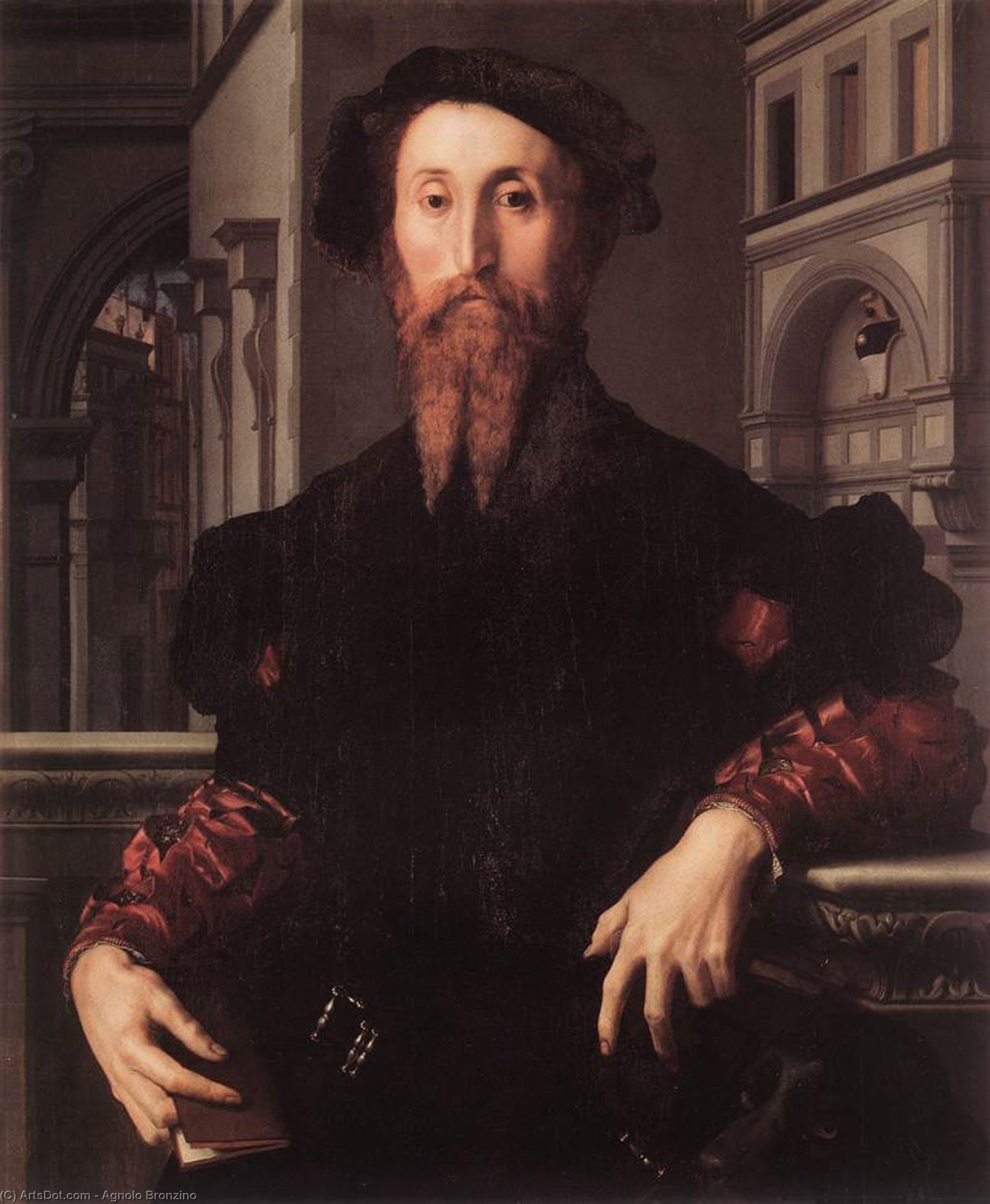
Portrait of Bartolomeo Panciatichi


 詳細を見る
詳細を見る




P118B $10

P118H $10

P118W $10

P438Z $10

P508JH $12

P508YH $12

P805H $10

P805Z $10

P919BZ $10

P919G $10

P919XJ $10

P959ZH $10

P968JZ $12

W106C $8

W218G $10

W218JH $8

W218Y $10

W307PJ $10

W316G $10

W316PJ $8

W316Y $10

W398PJ $8

W4111J $10

W500HY $15

W500JH $15

W692G $12

W849H $8

W940BG $15

W953PJ $8




作品のオリジナル比率に合わせた、当店の規定サイズからお選びください。

特定のフレームやスペースに合わせて、ご希望のサイズをご入力いただけます。選択されたサイズが元の画像の比率と異なる場合、アートワークをトリミングするか、手描きで要素を追加して絵画を拡張いたします。デジタルモックアップ を制作し、制作開始前にご確認(承認)をいただきます。
画面上のプレビューは、実際のトリミングや拡張を正確に反映しているものではありません。最終的な構図は、モックアップによってのみ正確にご確認いただけます。
カスタムサイズもご利用いただけますが、元の比率を維持するためには、あらかじめ用意されたリストからサイズを選択することをお勧めいたします。
ご注文後、ArtsDot.com チームより詳細な指示をお送りするとともに、仕上がりイメージ(モックアップ)をご提供いたします。


 ガラスオプションは、110cm未満のサイズでのみご利用いただけます。

Portrait of Bartolomeo Panciatichi
複製技法
複製画のサイズ
-


合計金額
$ 263
作品解説
Portrait of Bartolomeo Panciatichi: A Florentine Masterpiece of Reserved Elegance
Agnolo Bronzino’s “Portrait of Bartolomeo Panciatichi,” painted in 1540, is more than just a likeness; it's a meticulously crafted distillation of Renaissance ideals – a testament to the power of portraiture as both documentation and carefully constructed symbolism. This captivating work, now housed within the Uffizi Gallery in Florence, offers a rare glimpse into the refined world of Florentine nobility during the height of the Medici’s influence, revealing a masterful command of technique and an astute understanding of human psychology.
The subject himself, Bartolomeo Panciatichi, was a prominent figure – a humanist scholar, diplomat, and politician deeply embedded within Florence's intricate social fabric. Born in France to a merchant family with strong ties to the Medici court, he later became a trusted advisor to Cosimo I de’ Medici, serving as a key link between Florence and France. The portrait captures him at the peak of his influence, radiating an aura of quiet authority and understated wealth. Bronzino doesn't offer us a boisterous celebration of triumph; instead, he presents a carefully controlled image of dignified composure.
A Study in Mannerist Precision
Bronzino’s style is undeniably Mannerist – a movement that prioritized elegance, refinement, and intellectualism over the emotional fervor of the High Renaissance. This portrait exemplifies these characteristics with remarkable precision. The composition is strikingly formal, dominated by strong vertical lines that draw the eye towards Panciatichi's face and figure. Notice the meticulous rendering of textures: the velvet drape, the folds of his clothing, the subtle sheen on his skin – each element is treated with painstaking detail, creating a sense of tactile realism. The use of color is restrained yet sophisticated, relying on rich, deep tones that enhance the portrait’s overall elegance.
Technically, Bronzino employed a technique known as “stiacciato,” where he applied thin layers of paint to create subtle gradations and smooth transitions. This method contributes significantly to the portrait's polished surface and luminous quality. The artist’s brushwork is remarkably controlled, almost sculptural in its precision – a hallmark of his style. The elongated figure, characteristic of Mannerism, subtly emphasizes Panciatichi’s status and intellectual prowess, while the carefully arranged background—a cityscape receding into the distance—provides context without distracting from the central subject.
Symbolic Layers and Courtly Intrigue
Beyond its technical brilliance, “Portrait of Bartolomeo Panciatichi” is laden with symbolic meaning. The pose itself – leaning casually against a balustrade – suggests both confidence and detachment. The inclusion of the family coat of arms on his attire subtly reinforces his noble lineage. Notably, a young puppy appears at the bottom right, adding an element of playful charm to the otherwise austere scene. This small detail hints at Panciatichi’s role as a father and protector.
Furthermore, the portrait reflects the broader cultural context of Renaissance Florence – a period marked by political intrigue, artistic innovation, and a renewed interest in classical ideals. Bronzino served as the court painter to Cosimo I, and his portraits were commissioned not merely to document likenesses but also to project an image of power, sophistication, and intellectual refinement. The portrait is thus a carefully constructed statement about status, wealth, and the values prized by the Florentine elite.
A Timeless Masterpiece
“Portrait of Bartolomeo Panciatichi” remains a captivating work of art, offering a window into the world of Renaissance Florence and demonstrating Bronzino’s unparalleled skill as a portraitist. Its meticulous detail, elegant composition, and subtle symbolism continue to fascinate viewers today, solidifying its place as one of the most important works in the Uffizi Gallery's collection. Reproductions capture only a fraction of the original’s depth and nuance, but they offer an accessible way to appreciate this enduring masterpiece.
関連作品
アーティストの略歴
フィレンツェの巨匠、抑制された優雅さ
アニョーロ・ディ・コシモ、通称ブロンズィーノは、1503年にルネサンス美術の中心地であったフィレンツェに生まれました。天才が溢れる時代において、彼は肉屋の息子として生まれながらも、卓越した才能によって同時代の最も求められる肖像画家の一人となり、マニエリスムを代表する人物へと成長しました。彼の初期の修行はラファエッリーノ・デル・ガルボのもとで始まりましたが、ジャコポ・ダ・ポントルモとの出会いがブロンズィーノの芸術的感性を真に開花させました。ポントルモの革新的な様式を取り入れながらも、彼は独自の個性を確立しました。それは、教師の感情的な表現とは対照的に、抑制された落ち着きと洗練された細部を特徴とするものでした。この初期の時期には、アンドレア・デル・サルトの研究も影響を与え、ミケランジェロやレオナルド・ダ・ヴィンチの遺産に触れる機会を得ました。これらの基礎的な影響は、彼の成熟した様式に微妙に浸透していきました。若いブロンズィーノは、単なる肉体的な類似性だけでなく、初期の作品においても一定の心理的深みを捉える能力を示しました。メディチ宮廷での台頭
ブロンズィーノのキャリアは、トスカーナ公コジモ1世・デ・メディチの後援によって劇的に上昇しました。1539年にコジモとエレオノーラ・ディ・トレドの結婚を祝う壮大な装飾に貢献した後、この関係は彼の生涯の大部分において公式宮廷画家としての地位を確固たるものにしました。彼は揺るぎない献身と卓越した技術をもってその役割を果たしました。この時期に生まれた肖像画は単なる似顔絵ではありません。それらは権力、地位、そして王朝的野心の慎重に構築された声明なのです。コジモ自身やエレオノーラも頻繁な被写体となり、貴族的な aloofness(よそよそしさ)と磨き上げられた優雅さを漂わせる絵画として永遠に記録されました。これらの作品は単なる肉体的類似性を捉えるだけでなく、メディチ家の権威を永続的に象徴するものを創造することを目指していました。ブロンズィーノの才能は肖像画にとどまりませんでした。彼はエレオノーラに捧げられた礼拝堂の装飾も任され、20年以上にわたるプロジェクトを通して、フレスコ画家としての彼の多才さを示しました。これらの作品に見られる細部へのこだわりと洗練された技術は、ブロンズィーノをフィレンツェ宮廷における卓越した芸術家として確立し、世代を超えて権力の視覚的言語を形作りました。マニエリスムの優雅さ
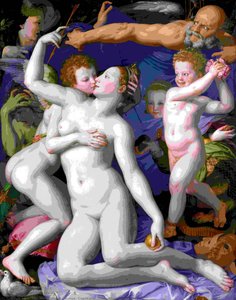
ブロンズィーノの芸術様式は、典型的なマニエリスムです。これは16世紀半ばにイタリアで隆盛した運動であり、自然主義と調和のとれたバランスを重視するルネサンス後期に対する反動として生まれました。彼は細長い形態、様式化されたポーズ、そしてしばしば冷淡な感情性を採用しました。彼の人物はめったに自発的な瞬間に捉えられません。それらは慎重に配置され、ほとんど彫刻のように静止しているように見えます。ヴィーナス、キューピッド、愚か者と時間(1544-45年頃)はおそらく彼のもっとも有名な寓意的作品であり、このアプローチを例証しています。この絵画は複雑な象徴のタペストリーであり、複数の解釈を誘いながら同時に謎めいた距離感を保っています。彼の肖像画はその細部への徹底的な注意で知られています。布地の質感、宝石の輝き、微妙な表情の変化など、すべてがエナメル質の精度をもって表現されています。この表面の洗練と知的複雑さへの献身は、ブロンズィーノの作品を同時代の作品から区別します。彼は単に現実を複製することに関心はなく、技巧と様式的なコントロールを通してそれを高めようとしました。遺産と永続的な影響
画家としての多作な活動に加え、ブロンズィーノはフィレンツェの芸術コミュニティにおいても重要な役割を果たしました。彼は1563年に芸術の研究を促進し、芸術的卓越性を育むことを目的としたアカデミア・デッレ・アルティ・デル・ディセーニョ(Accademia delle Arti del Disegno)の創設メンバーの一人でした。彼の影響はフィレンツェを超え、世代を超えてヨーロッパ全土の宮廷肖像画に影響を与えました。彼が提唱した冷たい優雅さと洗練された技術は、貴族的な表現の代名詞となりました。彼の様式は、より感情的または自然主義的なアプローチを優先する時代には一時的に人気を失いましたが、ブロンズィーノの作品は近年評価を高めています。学者は現在、彼の芸術に内在する知的深さと様式的な革新性を認識しています。彼は1572年にフィレンツェで亡くなり、最も重要なマニエリスム画家の一人としての遺産を残しました。抑制された優雅さの巨匠であり、彼の肖像画は今日でも何世紀にもわたって観客を魅了し続けています。権力と地位の本質を捉える能力は、芸術史における彼の永続的な地位を確固たるものにしています。- 生誕地: イタリア、フィレンツェ、1503年
- 没年月日: イタリア、フィレンツェ、1572年
- 主要な運動: マニエリスム
- 代表作: *ヴィーナス、キューピッド、愚か者と時間*、コジモ1世・デ・メディチとエレオノーラ・ディ・トレドの肖像画
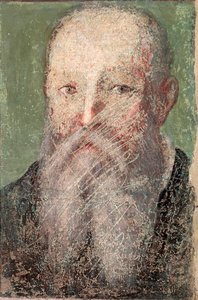
アニョーロ・ブロンズィーノ
1503 - 1572 , イタリア
基本情報
- Artistic Movement Or Style: マニエリスム様式
- Artists Or Movements Influenced By This Artist: ヨーロッパ宮廷肖像画
- Artists Who Influenced This Artist:
- ポントルモ
- ミケランジェロ
- レオナルド・ダ・ヴィンチ
- Date Of Birth: 1503年11月17日
- Date Of Death: 1572年11月23日
- Full Name: アニョーロ・ディ・コシモ
- Nationality: イタリア人
- Notable Artworks (List Of Titles):
- ウェヌスとキューピッド
- ウゴリーノ・マルテッリ
- 聖家族
- Place Of Birth (City And Country): イタリア、フィレンツェ
関連記事
Agnolo Bronzino: Mastering Courtly Portraiture & the Enigmatic Gaze of Renaissance Florence
Explore the captivating world of Agnolo Bronzino, Renaissance master portraitist. Discover his elegant style, symbolic depth & lasting influence on art history. Expert insights for collectors.
Civic Virtue and Artistic Rivalry: Patronage and Innovation in the Italian Renaissance Republics, 1400–1600
Explore the Italian Renaissance! Discover how competitive patronage & humanist ideals fueled artistic innovation in republics like Florence & Venice. Expert insights for art lovers and collectors.
Andrea del Sarto: Florentine Grace, Technical Mastery & Artistic Ambition
Explore the life & art of Andrea del Sarto, a Florentine Renaissance master renowned for harmonious compositions & technical brilliance. Discover his frescoes, portraits, and lasting influence on art history.
Mario Sironi: A Poetic of Modern Italian Identity Through Symbolism & Social Commentary
Explore the profound works of Mario Sironi, a key figure in Italian Modernism. Discover his evolution from Futurism to Metaphysical painting and his powerful social commentary. Learn about his legacy at ArtsDot.
Giovanni Fattori: Realism, Identity & the Tuscan Landscape – A Macchiaioli Master
Explore the life & art of Giovanni Fattori, a leading figure of the Macchiaioli movement. Discover his revolutionary realism, captivating Tuscan landscapes, and lasting impact on Italian painting. Learn more at ArtsDot.