

 プレビュー
プレビュー
 シェアする
シェアする シェアする
シェアする
 詳細を見る
詳細を見る

 ダウンロード
 似ている作品
 X線調査
X線調査 スライドショー
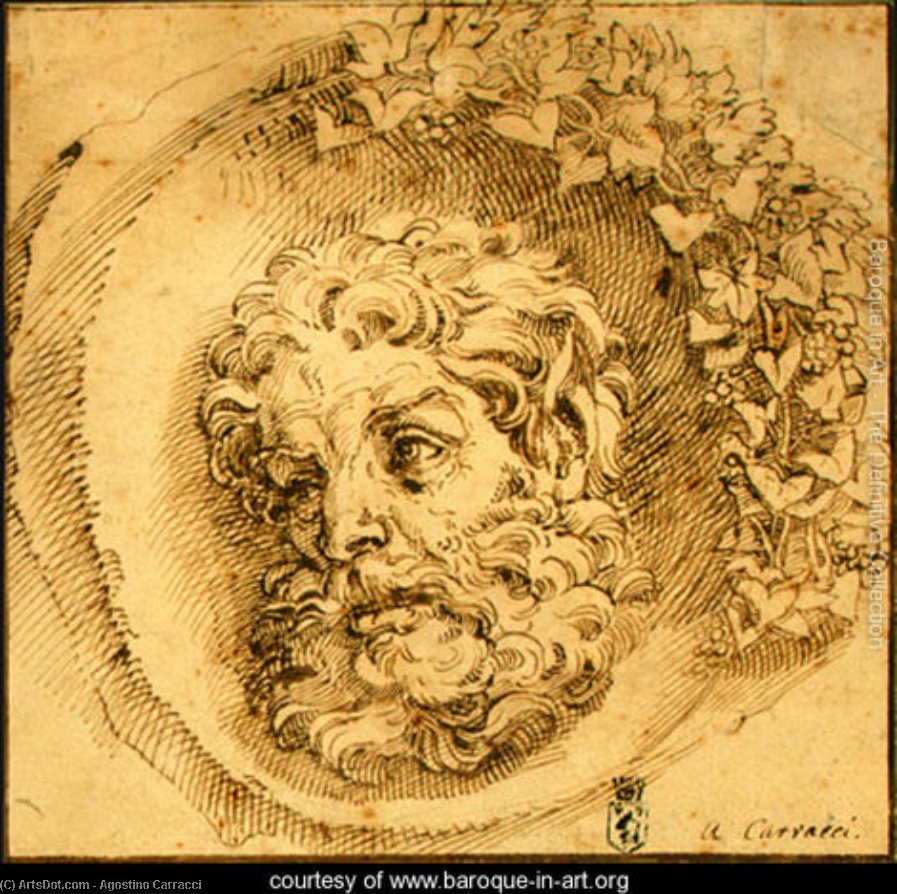
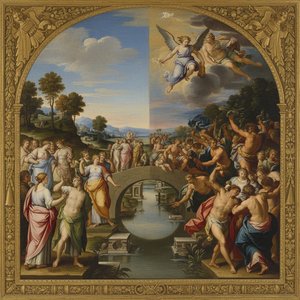
Head of a Faun in a Concave (roundel)
 Acrylic On Canvas
- WallArt
- Baroque
 1595
1595 181.0 x 187.0 cm
 ナショナル・ギャラリー・オブ・アート
 詳細を見る
詳細を見る
ジークレー/アートプリント
迅速な制作と多彩な仕上げオプションを備えた、ミュージアムクオリティのジークレーまたはキャンバスプリント。 ( 手描きの絵画を購入 画像を購入)




P118B $10

P118H $10

P118W $10

P438Z $10

P508JH $12

P508YH $12

P805H $10

P805Z $10

P919BZ $10

P919G $10

P919XJ $10

P959ZH $10

P968JZ $12

W106C $8

W218G $10

W218JH $8

W218Y $10

W307PJ $10

W316G $10

W316PJ $8

W316Y $10

W398PJ $8

W4111J $10

W500HY $15

W500JH $15

W692G $12

W849H $8

W940BG $15

W953PJ $8




作品のオリジナル比率に合わせた、当店の規定サイズからお選びください。

特定のフレームやスペースに合わせて、ご自身でサイズを指定することも可能です。選択されたサイズが元の画像の比率と一致しない場合、作品をトリミングするか、鏡面反射または単色での塗りつぶしによって画像を拡張いたします。制作を開始する前に、ご確認用のデジタルモックアップをお送りいたします。
画面上のプレビューには、実際のトリミングや拡張は反映されませんのでご注意ください。最終的な構図を正確に確認できるのは、モックアップのみとなります。
カスタムサイズも承っておりますが、元の比率を維持するためには、あらかじめ用意されたリストからサイズを選択することをお勧めいたします。


 ガラスオプションは、110cm未満のサイズでのみご利用いただけます。

Head of a Faun in a Concave (roundel)
ジークレー/アートプリント
複製画のサイズ
-


合計金額
$ 62
作品詳細説明
Agostino Carracci’s “Head of a Faun in a Concave (Roundel)” – A Glimpse into Bolognese Baroque
Agostino Carracci's "Head of a Faun in a Concave (Roundel)," painted around 1595, is more than just a portrait; it’s a meticulously crafted window into the burgeoning artistic landscape of Bologna during the late Renaissance. This intimate piece, now housed within the National Gallery of Art in Washington D.C., reveals a masterful synthesis of classical ideals and emerging Baroque sensibilities, showcasing Carracci's pivotal role in shaping the direction of Bolognese painting. The work immediately draws the eye with its serene composure – a faun, half-man, half-goat, rendered with an almost unnerving stillness that belies his mythical nature.
Carracci’s technique is characterized by a remarkable restraint and precision. Executed in pen and brown ink on laid paper, the image possesses a subtle yet powerful depth of tone achieved through careful layering and shading. The artist's hand is evident in the delicate rendering of the faun’s features – the slightly furrowed brow, the watchful eyes, and the subtly sculpted horns that hint at his wild origins. Notice how Carracci avoids overly dramatic gestures or flamboyant ornamentation, instead opting for a refined elegance that speaks to the humanist principles championed by the Academy degli Incamminati, where he served as a key instructor alongside his brothers Annibale and Ludovico.
The Mythic Figure and Symbolism
The faun itself is a figure deeply rooted in classical mythology. Originally associated with shepherds and wild landscapes, the faun represented fertility, abundance, and connection to nature. In Roman art, he was often depicted as a companion of Pan, the god of the wild, and his presence served as a reminder of humanity’s primal roots. Carracci's depiction subtly elevates this traditional image, imbuing the faun with an air of contemplative wisdom. The wreath of leaves encircling his head isn’t merely decorative; it reinforces his connection to the natural world, suggesting a harmony between the human and animal realms – a key theme in Renaissance art.
The “concave (roundel)” format itself is significant. This circular composition, reminiscent of ancient Roman medallions, lends an aura of timelessness and formality to the subject. It’s a deliberate choice that elevates the faun from a simple pastoral figure to a symbol of enduring beauty and classical ideals. The enclosed space also creates a sense of intimacy, drawing the viewer into a private moment of contemplation.
Context within Bolognese Baroque
“Head of a Faun in a Concave (Roundel)” is a crucial work in understanding the transition from Mannerism to the early Baroque style in Bologna. Carracci and his brothers were instrumental in dismantling the overly complex, artificial forms of Mannerism and advocating for a return to classical proportions, clarity, and naturalism. Their work at the Academy degli Incamminati aimed to establish a new artistic standard based on observation, anatomical accuracy, and a deep understanding of Roman art. This piece exemplifies this shift – moving away from the elongated figures and distorted perspectives of Mannerism towards a more balanced and harmonious composition.
The painting’s creation coincided with a period of intense intellectual and artistic ferment in Bologna. The city was a hub for humanist scholarship, attracting artists, architects, and intellectuals eager to revive classical traditions. Carracci's work reflects this vibrant atmosphere, embodying the spirit of innovation and experimentation that characterized Bolognese Baroque art. It stands as a testament to his skill and vision, solidifying his place as one of the most important figures in the development of Italian painting.
A Timeless Masterpiece – Reproduction Possibilities
Reproductions of “Head of a Faun in a Concave (Roundel)” offer an exceptional opportunity to bring this captivating artwork into any interior space. The rich detail and nuanced composition translate beautifully to high-quality prints, allowing viewers to appreciate the artist’s meticulous craftsmanship and profound understanding of human form and nature. Consider framing options that complement the painting's classical aesthetic – a simple wooden frame or a more ornate gilded design would both enhance its visual impact. Whether adorning a study, a gallery wall, or a private residence, this iconic image will undoubtedly serve as a source of inspiration and contemplation for years to come.
関連作品
アーティストの略歴
自然主義の設計者:アゴスティーノ・カッラッチの生涯と遺産
アゴスティーノ・カッラッチは、イタリア・ボローニャで胎動しつつあったバロック運動において、極めて重要な役割を果たした人物です。より名高い弟アンニバーレの影に隠れがちではありますが、マニエリスム特有の形式主義をあえて拒絶し、古典的な理想を抱擁するというアゴスティーノの芸術的ヴィジョンは、ボローニャ絵画の様式的軌道を決定づけた革新者としての地位を確立させました。彼は単なる職人ではありませんでした。アンニバーレやルドヴィーコと共に「アカデミア・デッリ・インカミニ」を設立し、次世代の芸術家たちを導いた先見的な教育者でもあったのです。このアカデミーは、ルネサンス後期の人工的な様式から脱却し、より深い現実との結びつきを目指す、新たな芸術時代の試練の場となりました。 1557年、ボローニャでジョヴァンニ・バッティスタ・カッラッチとルクレツィア・パンチャティキの間に生まれたアゴスティーノの芸術的旅路は、ドメニコ・ティベリアーディの指導のもとで始まりました。この初期の訓練によって、彼は「ディセーニョ(素描)」というヒューマニズムに基づいた概念の基礎を学びました。これは古典的な比率や遠近法を習得する上で欠かせない要素でした。当時の主流であったマニエリスム様式は、様式化された形態や誇張されたポースを好んでいましたが、アゴスティーノは古代の不変の強さの中にインスピレーションを求めました。彼は、真の美とは理想化された形態と自然な真実との均衡の中に宿ると信じ、芸術的卓越性に到達するための究極の規範として、古代ローマの彫刻や建築を見つめていたのです。線と光の習熟
壮大なフレスコ画や肖像画で名声を博す前、カッラッチのキャリアは版画という緻密な技法を通じてその足がかりを見出しました。この時期は彼にとって変革的なものでした。彼は版画という道具を駆使し、フェデリコ・バロッチ、ティントレット、ヴェロネーゼ、コレッジョといった巨匠たちの傑作を再現したのです。アゴスティーノにとって、版画は単なる複製手段ではありませんでした。それは芸術的知識をヨーロッパ全土に普及させるための、極めて重要な知的営みだったのです。彼の版画には、明暗の劇的な相互作用である「キアロスクーロ」や、微妙な階調の変化に対する鋭い感性が示されており、それが後にバロック様式の象徴となることになります。彼はこれらの緻密な線を通じて、絵画の流動的な質感をインクという永続的な言語へと翻訳し、ファインアートにおける版画の地位を高めました。 彼の技術的な卓越性は、習作(準備画)において最も親密に捉えられています。そこでは、研究としての素描と傑作との境界が溶け合っています。例えば、スパニエルの頭部の習作のような作品には、自然主義に対する彼の献身が見て取れます。1598年頃に制作されたこのドローイングには一切の虚飾がなく、注意深い瞳から耳の質感豊かな巻き毛に至るまで、驚くべき写実性で主題が提示されています。こうした習作は、より大規模な構図を構築するための不可欠な構成要素であり、自然界の微細な細部への情熱こそが、彼の壮大で古典的なヴィジョンを支える基盤であったことを証明しています。バロック時代に刻まれた永遠の足跡
アゴスティーノ・カッラッチの歴史的な意義は、二つの時代を繋ぐ架け橋としての役割にあります。マニエリスムの知的な複雑さに、明晰さと自然な観察という新たな視点から挑戦することで、彼はボローニャ派の誕生を導きました。ルネサンスの古典的な優雅さと、バロックの感情的な深みや劇的な光の演出を融合させる彼の能力は、後世の画家たちにとっての青写真となりました。三美神に見られる空想的な美しさであれ、自身や兄弟を描いた肖像画に宿る家族的な親密さであれ、アゴスティーノの作品は深い変革期における時代の証言として今もなお輝きを放っています。 1602年にその生涯を閉じたのはあまりにも早すぎましたが、彼の影は生前を遥かに超えて生き続けました。「アカデミア・デッリ・インカミニ」を通じて、彼は直接的な観察と古典的研究を優先する教育的伝統を確立し、自然主義の原則が西洋美術の礎となることを確かなものにしました。彼の遺産は、単なる個々のキャンバスの中にあるのではなく、私たちが光や影、そして人体をどのように知覚するかという、その眼差しそのものの中に刻まれているのです。それは、精密さと情熱、そして芸術における真実への揺るぎない追求の遺産なのです。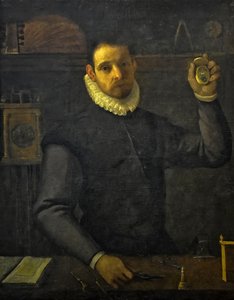
アゴスティーノ・カッラッチ
1557 - 1602 , イタリア
基本情報
- Artistic Movement Or Style: バロック
- Artists Or Movements Influenced By This Artist: ['マティス']
- Artists Who Influenced This Artist:
- フェデリコ・バロッチョ
- ティントレット
- アントニオ・カンピ
- コレッジョ
- Date Of Birth: 1557年8月
- Date Of Death: 1602年3月
- Full Name: アゴスティーノ・カッラッチ
- Nationality: イタリア
- Notable Artworks:
- ジュピター
- 聖家族、聖アンソニウス、聖カタリナ、幼い聖ヨハネ
- Place Of Birth: イタリア、ボローニャ
関連記事
Annibale Carracci: Bridging Renaissance Ideals & Baroque Innovation
Explore the life & art of Annibale Carracci, a pivotal figure bridging Renaissance ideals with Baroque innovation. Discover his masterpieces and lasting influence on Italian painting.

バロックのドラマ:現代のインテリアに壮麗さと情感を取り込む
バロック様式の歴史、絵画、家具の魅力をご紹介。ArtsDotでは、高品質な油絵複製やカスタムポートレートをご提供し、現代のインテリアに壮麗さと情感を取り入れます。アートコンサルテーションも承ります。

The Visceral Stage: Exploring Dramatic Narratives & Emotional Intensity in Baroque Art
Explore the dramatic world of Baroque art! Discover iconic masters like Caravaggio & Rembrandt, their techniques, and the movement's lasting impact. Expert insights for collectors & enthusiasts at ArtsDot.

バロック美術を極めた至宝:時代を彩る10大名作の世界
バロック美術の華!カラヴァッジョ、ベルニーニら巨匠が創り上げた10大名作を徹底解剖。ドラマチックな色彩と豪華絢爛の世界観に触れ、至宝のアートプリントで空間を彩ろう。ArtsDot.comで美術館品質の複製と洗練されたインテリアを見つけましょう!

The Dramatic Flourish: Exploring the Baroque Movement's Enduring Legacy in Art History
Explore the dramatic world of Baroque art! Discover iconic artists like Caravaggio & Rubens, defining techniques, and its lasting impact on art history. Expert insights for collectors & enthusiasts at ArtsDot.

