

 プレビュー
プレビュー
 プリントを購入
 シェアする
シェアする シェアする
シェアする
 詳細を見る
詳細を見る

 ダウンロード
 似ている作品
 X線調査
X線調査 スライドショー
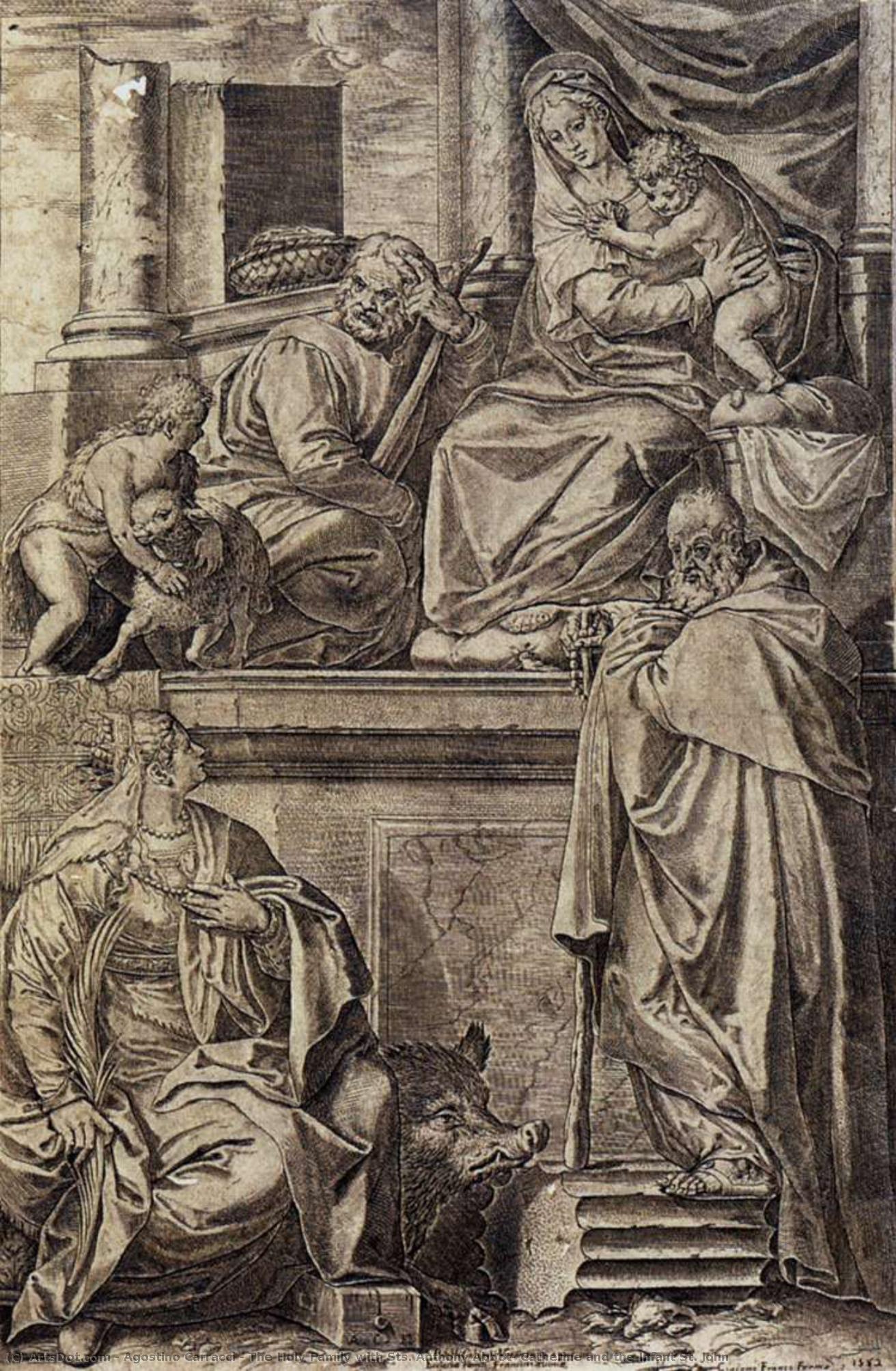
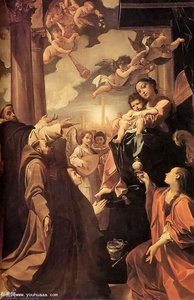
The Holy Family with Sts. Anthony Abbot, Catherine and the Infant St. John
 Acrylic On Canvas
- WallArt
- Baroque
 1582
1582 488.0 x 316.0 cm
 コレール美術館
 詳細を見る
詳細を見る
オンラインプレビューをはるかに凌ぐ、高解像度で鮮明なデジタル画像をご購入いただけます。
各ファイルは、社内の専門家が高度なツールと熟練した手作業によるレタッチを用いて、細心の注意を払って準備されています。すべての画像において、卓越した鮮明度、正確な色彩再現性、そして繊細なディテールを保証いたします。
最終ファイルは、プロフェッショナルな編集・印刷環境ですぐにご利用いただけるよう最適化された状態で、72時間以内にメールにてお届けいたします。これは、一流のデザインスタジオ、出版社、ギャラリーから信頼されているものと同等の品質です。
デジタル画像のご注文に付随する特典
高品質なデジタル画像配信を、確かな品質で。
ArtsDot.com を選ぶことは、単に画像を手に入れることではありません。それは、プロの手によって精密に仕上げられ、満足保証が付いた高品質なデジタルアートワークを受け取ることを意味します。ご注文いただいた際に自動的に付随する内容は、以下の通りです:

メールですぐにお届け
ご注文から72時間以内に、高解像度のデジタル画像ファイルがメールでお手元に届きます。すぐにそのままご利用いただけます。

AI技術で最適化されたデジタルファイル
お客様の作品は、高度なAIツールと専門家による手作業の編集を組み合わせてプロフェッショナルに最適化されており、細部のディテール、鮮明さ、そして正確な色再現性を最大限に引き出しています。

一生涯無料の再送サービス
ファイルを誤って削除したり、紛失してしまったりしましたか?ご安心ください。いつでも無料で再送いたします。

輸入手数料は一切かかりません
関税や手数料、配送料を気にすることなく、お気に入りのアートワークをすぐにお楽しみいただけます。デジタルダウンロードは常に免税です。

色彩再現の保証
プロ仕様のツールとカラーマネジメント技術を用いることで、デジタル画像が元の色を最大限に忠実に再現することを保証いたします。

60日間満足保証
ご購入いただいたデジタル画像にご満足いただけない場合は、60日以内であれば、修正または100%の返金(理由を問う必要はありません)をさせていただきます。

100% 返金保証
ご満足いただけない場合は、デジタルファイルを受け取ってから60日以内であれば、理由を問わず全額返金いたします。

まとめ買い割引
3枚購入で10%OFF - 5枚購入で15%OFF - 10枚以上購入で20%OFF。クリエイティブなプロジェクト、ギャラリー、エージェンシーに最適です。
作品の詳細
A Window into Bolognese Baroque: The Carracci’s “The Holy Family”
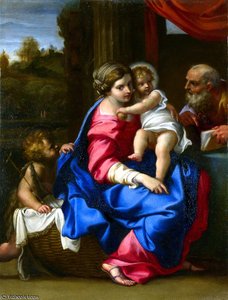
Agostino Carracci's "The Holy Family with Sts. Anthony Abbot, Catherine and the Infant St. John," painted in 1582, isn’t merely a depiction of a sacred scene; it’s a vibrant testament to the burgeoning artistic spirit of Bologna during the late Renaissance. Emerging from the heart of the Accademia degli Incamminati – an academy dedicated to reviving classical ideals while rejecting the overly ornate Mannerism that dominated the preceding era – this work embodies a crucial shift in Italian painting: a return to clarity, naturalism, and a profound engagement with human emotion. The scene unfolds within a warmly lit interior, suggesting a domestic setting imbued with reverence. The composition is carefully balanced, drawing the eye towards the central figures of Christ, Mary, and the infant John the Baptist, yet skillfully incorporating the presence of the revered saints Anthony Abbot and Catherine – both potent symbols of piety and devotion.
A Masterclass in Technique: Light, Shadow, and Composition
Carracci’s mastery is immediately evident in his handling of light and shadow. He employs a technique known as *chiaroscuro*, dramatically contrasting areas of bright illumination with deep shadows, creating a palpable sense of depth and volume. This isn't simply an aesthetic choice; it serves to elevate the figures, imbuing them with a divine presence. Notice how the light gently caresses Mary’s face, highlighting her serene expression, while simultaneously casting subtle shadows across the architectural backdrop – a deliberate move that anchors the scene within a believable space. The composition itself is meticulously planned, utilizing pyramidal structures to create stability and harmony. The figures are rendered with remarkable realism, their drapery flowing naturally, their gestures conveying genuine emotion. Carracci’s attention to detail extends to the smallest elements, from the folds of the fabric to the delicate features of the children, demonstrating a commitment to portraying human likeness with unparalleled accuracy.
Symbolism and Spiritual Resonance: Saints and Sacred Narrative
The inclusion of St. Anthony Abbot and St. Catherine is particularly significant. Anthony, a desert hermit renowned for his asceticism and devotion, represents the path of spiritual solitude and prayer. His presence underscores the importance of inner contemplation alongside outward piety. St. Catherine, martyred for her unwavering faith, embodies courage, sacrifice, and the triumph of virtue over adversity. The infant St. John the Baptist, depicted holding a lamb – a symbol of innocence and Christ’s sacrifice – further reinforces the painting's central themes of redemption and divine grace. Beyond these individual figures, the entire scene speaks to the core tenets of Christian faith: family, devotion, and the promise of salvation. The setting itself, though domestic, evokes a sense of timelessness, suggesting that this sacred narrative transcends specific historical contexts.
Historical Context and Artistic Legacy
Painted in 1582, “The Holy Family” reflects the artistic climate of Bologna during the High Renaissance. The Carracci brothers – Agostino, Annibale, and Ludovico – were instrumental in shaping a new style that blended classical ideals with contemporary sensibilities. Their work served as a crucial bridge between Mannerism and Baroque art, paving the way for future generations of Italian painters. The painting’s influence can be seen in the works of other Bolognese artists, such as Guido Reni and Domenichino. Today, “The Holy Family” stands as a powerful example of Renaissance religious art, admired for its technical brilliance, emotional depth, and enduring spiritual resonance. Reproductions offer a remarkable opportunity to experience this masterpiece firsthand, bringing its beauty and profound meaning into any space.
関連作品
作家の略歴
自然主義の設計者:アゴスティーノ・カッラッチの生涯と遺産
アゴスティーノ・カッラッチは、イタリア・ボローニャで胎動しつつあったバロック運動において、極めて重要な役割を果たした人物です。より名高い弟アンニバーレの影に隠れがちではありますが、マニエリスム特有の形式主義をあえて拒絶し、古典的な理想を抱擁するというアゴスティーノの芸術的ヴィジョンは、ボローニャ絵画の様式的軌道を決定づけた革新者としての地位を確立させました。彼は単なる職人ではありませんでした。アンニバーレやルドヴィーコと共に「アカデミア・デッリ・インカミニ」を設立し、次世代の芸術家たちを導いた先見的な教育者でもあったのです。このアカデミーは、ルネサンス後期の人工的な様式から脱却し、より深い現実との結びつきを目指す、新たな芸術時代の試練の場となりました。 1557年、ボローニャでジョヴァンニ・バッティスタ・カッラッチとルクレツィア・パンチャティキの間に生まれたアゴスティーノの芸術的旅路は、ドメニコ・ティベリアーディの指導のもとで始まりました。この初期の訓練によって、彼は「ディセーニョ(素描)」というヒューマニズムに基づいた概念の基礎を学びました。これは古典的な比率や遠近法を習得する上で欠かせない要素でした。当時の主流であったマニエリスム様式は、様式化された形態や誇張されたポースを好んでいましたが、アゴスティーノは古代の不変の強さの中にインスピレーションを求めました。彼は、真の美とは理想化された形態と自然な真実との均衡の中に宿ると信じ、芸術的卓越性に到達するための究極の規範として、古代ローマの彫刻や建築を見つめていたのです。線と光の習熟
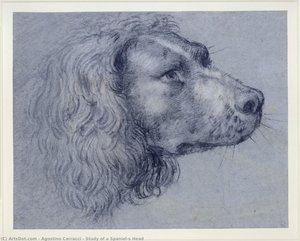
壮大なフレスコ画や肖像画で名声を博す前、カッラッチのキャリアは版画という緻密な技法を通じてその足がかりを見出しました。この時期は彼にとって変革的なものでした。彼は版画という道具を駆使し、フェデリコ・バロッチ、ティントレット、ヴェロネーゼ、コレッジョといった巨匠たちの傑作を再現したのです。アゴスティーノにとって、版画は単なる複製手段ではありませんでした。それは芸術的知識をヨーロッパ全土に普及させるための、極めて重要な知的営みだったのです。彼の版画には、明暗の劇的な相互作用である「キアロスクーロ」や、微妙な階調の変化に対する鋭い感性が示されており、それが後にバロック様式の象徴となることになります。彼はこれらの緻密な線を通じて、絵画の流動的な質感をインクという永続的な言語へと翻訳し、ファインアートにおける版画の地位を高めました。 彼の技術的な卓越性は、習作(準備画)において最も親密に捉えられています。そこでは、研究としての素描と傑作との境界が溶け合っています。例えば、スパニエルの頭部の習作のような作品には、自然主義に対する彼の献身が見て取れます。1598年頃に制作されたこのドローイングには一切の虚飾がなく、注意深い瞳から耳の質感豊かな巻き毛に至るまで、驚くべき写実性で主題が提示されています。こうした習作は、より大規模な構図を構築するための不可欠な構成要素であり、自然界の微細な細部への情熱こそが、彼の壮大で古典的なヴィジョンを支える基盤であったことを証明しています。バロック時代に刻まれた永遠の足跡
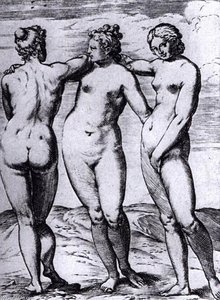
アゴスティーノ・カッラッチの歴史的な意義は、二つの時代を繋ぐ架け橋としての役割にあります。マニエリスムの知的な複雑さに、明晰さと自然な観察という新たな視点から挑戦することで、彼はボローニャ派の誕生を導きました。ルネサンスの古典的な優雅さと、バロックの感情的な深みや劇的な光の演出を融合させる彼の能力は、後世の画家たちにとっての青写真となりました。三美神に見られる空想的な美しさであれ、自身や兄弟を描いた肖像画に宿る家族的な親密さであれ、アゴスティーノの作品は深い変革期における時代の証言として今もなお輝きを放っています。 1602年にその生涯を閉じたのはあまりにも早すぎましたが、彼の影は生前を遥かに超えて生き続けました。「アカデミア・デッリ・インカミニ」を通じて、彼は直接的な観察と古典的研究を優先する教育的伝統を確立し、自然主義の原則が西洋美術の礎となることを確かなものにしました。彼の遺産は、単なる個々のキャンバスの中にあるのではなく、私たちが光や影、そして人体をどのように知覚するかという、その眼差しそのものの中に刻まれているのです。それは、精密さと情熱、そして芸術における真実への揺るぎない追求の遺産なのです。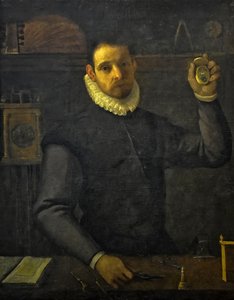
アゴスティーノ・カッラッチ
1557 - 1602 , イタリア
プロフィール概要
- Artistic Movement Or Style: バロック
- Artists Or Movements Influenced By This Artist: ['マティス']
- Artists Who Influenced This Artist:
- フェデリコ・バロッチョ
- ティントレット
- アントニオ・カンピ
- コレッジョ
- Date Of Birth: 1557年8月
- Date Of Death: 1602年3月
- Full Name: アゴスティーノ・カッラッチ
- Nationality: イタリア
- Notable Artworks:
- ジュピター
- 聖家族、聖アンソニウス、聖カタリナ、幼い聖ヨハネ
- Place Of Birth: イタリア、ボローニャ

