

 シェアする
シェアする シェアする
シェアする
 詳細を見る
詳細を見る

 ダウンロード
 似ている作品
 スライドショー
 統計情報
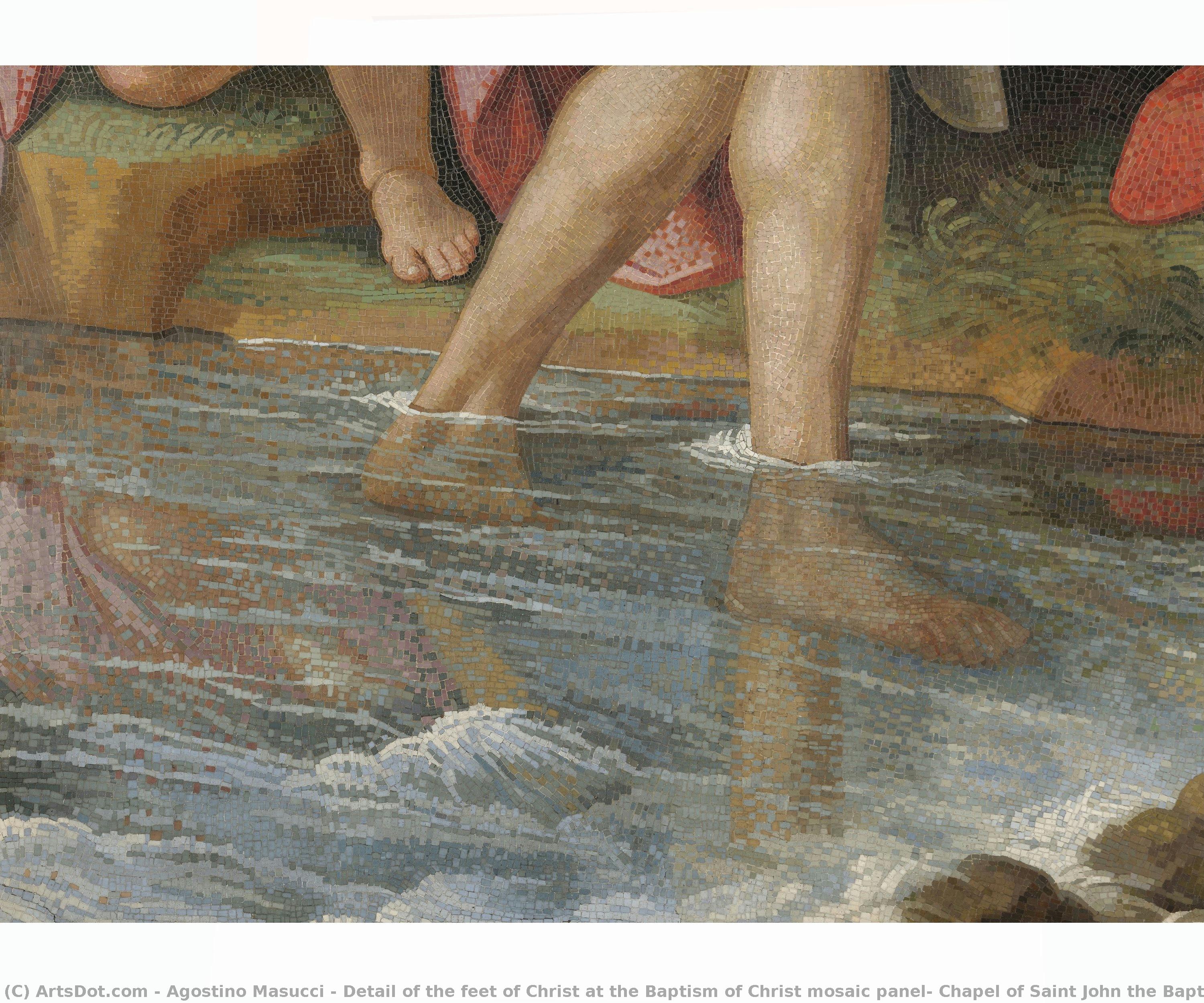
統計情報Detail of the feet of Christ at the Baptism of Christ mosaic panel, Chapel of Saint John the Baptist


 詳細を見る
詳細を見る
ジークレー/アートプリント
迅速な制作と多彩な仕上げオプションを備えた、ミュージアムクオリティのジークレーまたはキャンバスプリント。 ( 手描きの絵画を購入 デジタル画像販売へ切り替え)




































作品のオリジナル比率に合わせた、当店の規定サイズからお選びください。

特定のフレームやスペースに合わせて、ご自身でサイズを指定することも可能です。選択されたサイズが元の画像の比率と一致しない場合、作品をトリミングするか、鏡面反射または単色での塗りつぶしによって画像を拡張いたします。制作を開始する前に、ご確認用のデジタルモックアップをお送りいたします。
画面上のプレビューには、実際のトリミングや拡張は反映されませんのでご注意ください。最終的な構図を正確に確認できるのは、モックアップのみとなります。
カスタムサイズも承っておりますが、元の比率を維持するためには、あらかじめ用意されたリストからサイズを選択することをお勧めいたします。


 ガラスオプションは、110cm未満のサイズでのみご利用いただけます。

Detail of the feet of Christ at the Baptism of Christ mosaic panel, Chapel of Saint John the Baptist
ジークレー/アートプリント
複製画のサイズ
-


合計金額
$ 62
A Divine Fragment: The Intimacy of the Sacred
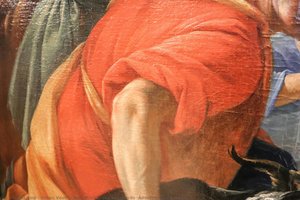
In the quiet, focused gaze of art lovers, certain fragments of a larger masterpiece possess a power that transcends their scale. The Detail of the feet of Christ at the Baptism of Christ mosaic panel is one such profound fragment. Though it captures only a specific, localized moment from the grander narrative within the Chapel of Saint John the Baptist, this work invites the viewer into an intensely personal encounter with the divine. Here, the focus shifts away from the celestial heavens and toward the earthly contact between the sacred and the mortal. The sight of feet pressing against the cool, yielding surface of the water serves as a poignant reminder of the Incarnation—the moment the divine touched the physical world.
The composition is anchored by a striking use of color and texture. The vibrant, deep reds of the garments provide a warm, rhythmic contrast to the shimmering, translucent tones of the water. This interplay of light and pigment creates a sense of movement, as if the ripples in the mosaic are still settling from the very moment of baptism. For the collector or interior designer, this piece offers a sophisticated focal point that balances classical religious gravity with a modern appreciation for bold, saturated hues and intricate patterns.
The Mastery of Agostino Masucci and the Mosaic Tradition
To understand the brilliance of this work, one must look to the hand of Agostino Masucci, a luminary of the late Baroque and Rococo periods. A student of the great Carlo Maratta, Masucci was a master of the "grand manner," capable of infusing religious scenes with both academic precision and emotional fluidity. While his fame often rests on his sweeping Roman frescoes, this mosaic detail showcases a different facet of his genius: the ability to translate painterly grace into the permanent, glittering medium of stone and glass.
The technique employed in this panel is nothing short of extraordinary. Each tessera—the tiny individual tiles that form the image—has been meticulously placed to mimic the soft gradients of skin and the fluid motion of water. This painstaking process requires an artist to think not just in brushstrokes, but in light refraction. The result is a surface that changes as the viewer moves, catching the light in a way that breathes life into the figures. It is this interplay of permanence and ephemeral light that makes such a reproduction a timeless addition to any curated space, offering a sense of historical depth and artisanal excellence.
Symbolism and the Emotional Resonance of the Sacred
Beyond its aesthetic splendor, the artwork carries a profound symbolic weight. The act of feet entering the water is a foundational symbol of purification and rebirth. In this detail, the physical sensation of the water against the skin becomes a metaphor for the spiritual cleansing of the soul. There is an inherent humility in the focus on the feet—the lowest part of the body—suggesting that the most profound spiritual transformations often begin with the simplest, most grounded actions.
For those seeking to bring art into their homes or professional design projects, this piece offers more than mere decoration; it offers a meditative experience. It evokes a sense of stillness and reverence, making it an ideal selection for spaces designed for reflection, such as libraries, private studies, or serene sanctuary rooms. Owning a high-quality reproduction of this mosaic allows one to preserve a fragment of history, bringing the luminous, transformative energy of Masucci’s vision into the contemporary world.
関連作品
アーティストの略歴
Agostino Masucci: A Roman Master Bridging Eras
In the vibrant, sun-drenched landscape of eighteenth-century Rome, Agostino Masucci emerged as a painter of profound grace and technical refinement. Born in 1691, Masucci was a child of the Eternal City, coming of age at a moment when the heavy, dramatic grandeur of the High Baroque began to soften into the delicate, airy sensibilities of the Rococo. His artistic journey was one of seamless transition, navigating the shifting tides of European taste with a hand that remained anchored in classical tradition yet responsive to the burgeoning elegance of his era. Through his brush, the monumental weight of the previous century found a new, more luminous expression, bridging the gap between the theatricality of the Baroque and the nascent clarity of Neoclassicism.
The foundation of Masucci’s mastery was laid within the prestigious studios of Rome, where he first studied under Andrea Procaccino. However, it was his subsequent association with Carlo Maratta—the titan of Roman painting—that would most profoundly shape his aesthetic DNA. As a pupil in Maratta’s influential circle, Masucci absorbed a style characterized by clarity, balanced compositions, and a certain noble restraint. This lineage is evident in his religious works, which often possess a smooth, porcelain-like finish and a serene, cultivated atmosphere. While some critics of his time noted that his devotional Madonnas occasionally struggled to reach the heights of his master’s emotional intensity, there is no denying the exquisite technical precision and the "clear, cool" quality that defined his altarpieces.
A Legacy of Patronage and Architectural Grandeur
Masucci’s influence extended far beyond the confines of a solitary studio; he was a central figure in the intellectual and social fabric of Rome’s artistic elite. His membership in the Accademia di San Luca provided him with a platform for scholarly exchange, and his appointment as Principe della Stamperia Re Reale Romana between 1736 and 1738 cemented his status as a leader within the Roman art world. This period of professional ascendancy allowed him to forge deep connections with the great architects of the age, such as Filippo Juvarra and Luigi Vanvitelli. These alliances transformed Masucci from a mere painter of canvases into a visionary of integrated spaces, where painting, architecture, and ornament coalesced into a singular, breathtaking experience.
Perhaps the most glittering testament to his international renown was his relationship with King John V of Portugal. This royal patronage led to one of the most ambitious artistic undertakings of the century: the design and oversight of the Chapel of Saint John the Baptist in Lisbon. In this monumental project, Masucci’s talent for narrative and decorative splendor was fully realized. His work on the chapel's magnificent mosaic panels demonstrated an ability to translate complex biblical narratives into enduring, opulent visual poetry, contributing to a religious space that remains one of the most costly and breathtakingly ornate in Europe.
The Versatility of a Roman Draughtsman
While his large-scale religious commissions captured the public imagination, Masucci’s true versatility shone through in his intimate portraiture and his exceptional skill as a draughtsman. In an era where the portrait served as a vital instrument of social identity, Masucci proved himself a formidable chronicler of the Roman elite and European royalty alike. His portraits of figures such as Pope Clement XII and Cardinal Niccolò del Giudice reveal a keen eye for character and a sophisticated command of light and texture. It was in this genre that many contemporaries viewed him as the legitimate heir to Maratta, possessing a unique ability to imbue his subjects with both dignity and a lifelike presence.
Beyond the oil canvas, Masucci’s preparatory studies offer a window into his creative intellect. His drawings, executed in various media including black, red, and blue chalk, reveal an artist deeply engaged with the anatomical and compositional rigors of his craft. These works, such as his studies for Saint Anne in the Education of the Virgin, showcase a fluid, expressive line that anticipates the more spontaneous energy of the Rococo. Through this duality—the ability to execute monumental, structured compositions and to capture the fleeting delicacy of a sketch—Agostino Masucci secured his place as a pivotal figure whose work echoed the splendor and the evolving spirit of the Roman Golden Age.
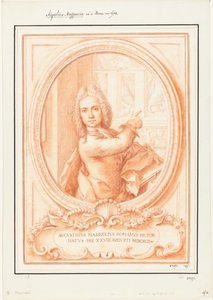
Agostino Masucci
1691 - 1758
基本情報
- Artistic Movement Or Style: Late Baroque & Rococo
- Artists Or Movements Influenced By This Artist: ['Pompeo Batoni']
- Artists Who Influenced This Artist: ['Carlo Maratta']
- Date Of Death: October 19, 1758
- Full Name: Agostino Masucci
- Nationality: Italian
- Notable Artworks:
- The Judgement of Solomon
- Detail of two angels at the Baptism of Christ mosaic panel
- Baptism of Christ mosaic panel
- Place Of Birth: Rome, Italy
関連記事
マーク・ロスコ傑作25選:色彩が織りなす深遠な世界|ArtsDot
マーク・ロスコの傑作25選。抽象表現主義を代表する巨匠、色彩が織りなす深遠な世界を探求します。絵画の背景や技法、感動的なストーリーを紐解き、ArtsDotで高品質なアートプリントをお楽しみください。リビングやオフィスにモダンアートを飾るなら!
アンリ・マティスの傑作25選:色彩と情熱の軌跡|ArtsDot
アンリ・マティスの傑作25選🎨 色彩と情熱が織りなす世界を旅する。フォーヴィスム代表の巨匠、マティスの絵画の魅力と歴史を紐解きます。ArtsDotで高品質なアートプリントや複製画を見つけ、インテリアに芸術的な輝きを✨ Explore the full collection online
Albrecht Dürer's Masterpieces: 25 Iconic Artworks for Your Home | ArtsDot
Explore 25 iconic artworks by Albrecht Dürer, a master of the German Renaissance. Discover the stories behind Melencolia I, Knight Death and Devil & more. Find museum-quality art reproductions for your home at ArtsDot.com.

フラ・アンジェリコの傑作25選:ルネサンス美術の神髄と至高の装飾 | ArtsDot
フラ・アンジェリコの傑作25選。ルネサンス美術の神髄を紐解き、天使のような静謐な色彩と宗教画の世界へ誘います。壁画やフレスコ画の技法、修道院に息づく祈りの絵…ArtsDotで至高のアートプリントをお手軽に。コレクションを探索する。

Crimson Threads of Narrative: Exploring Symbolism & Representation in Artworks Featuring the Red Dress
Explore the rich symbolism of the red dress in art history! From ancient power displays to iconic portraits like Cézanne’s 'Madame Cezanne', discover the cultural and artistic significance behind this captivating color. Expert analysis & insights.