


 プレビュー
プレビュー
 シェアする
シェアする シェアする
シェアする
 詳細を見る
詳細を見る

 ダウンロード
 似ている作品
 X線調査
X線調査 スライドショー
 統計情報
統計情報Picture of the comic


 詳細を見る
詳細を見る
手描き油彩複製画
当社のアーティストが、お客様のご希望のサイズと額縁に合わせて、キャンバスに手描きで制作する油彩画です。 ( プリント版に切り替え デジタル画像販売へ切り替え)




P118B $10

P118H $10

P118W $10

P438Z $10

P508JH $12

P508YH $12

P805H $10

P805Z $10

P919BZ $10

P919G $10

P919XJ $10

P959ZH $10

P968JZ $12

W106C $8

W218G $10

W218JH $8

W218Y $10

W307PJ $10

W316G $10

W316PJ $8

W316Y $10

W398PJ $8

W4111J $10

W500HY $15

W500JH $15

W692G $12

W849H $8

W940BG $15

W953PJ $8




作品のオリジナル比率に合わせた、当店の規定サイズからお選びください。

特定のフレームやスペースに合わせて、ご希望のサイズをご入力いただけます。選択されたサイズが元の画像の比率と異なる場合、アートワークをトリミングするか、手描きで要素を追加して絵画を拡張いたします。デジタルモックアップ を制作し、制作開始前にご確認(承認)をいただきます。
画面上のプレビューは、実際のトリミングや拡張を正確に反映しているものではありません。最終的な構図は、モックアップによってのみ正確にご確認いただけます。
カスタムサイズもご利用いただけますが、元の比率を維持するためには、あらかじめ用意されたリストからサイズを選択することをお勧めいたします。
ご注文後、ArtsDot.com チームより詳細な指示をお送りするとともに、仕上がりイメージ(モックアップ)をご提供いたします。


 ガラスオプションは、110cm未満のサイズでのみご利用いただけます。

Picture of the comic
複製技法
複製画のサイズ
-


合計金額
$ 263
A Visionary Encounter: The Soul of Agustín Comotto
In the evocative realm of Argentine illustration, few names resonate with as much historical depth and narrative prowess as Agustín Comotto. His work, particularly in pieces like Picture of the comic, serves as a profound bridge between the raw energy of sequential art and the sophisticated weight of fine art. Born in the politically charged atmosphere of Buenos Aires in 1968, Comotto emerged from the legendary pages of Fierro magazine, carrying with him the stylistic legacies of masters like Alberto Breccia. This particular work captures that very essence—a moment frozen in time where the boundaries between a comic book panel and a dramatic oil painting dissolve into a singular, haunting experience.
The composition presents a striking, almost theatrical encounter with a figure that commands the viewer's immediate attention. A man, characterized by a rugged beard and a contemplative gaze, sits against a backdrop of deep, pulsating red. This choice of color is not merely decorative; it creates an atmosphere of intense passion, urgency, or perhaps even danger, enveloping the subject in a warm, dramatic glow. As he holds a cigarette between his lips, the smoke becomes part of the atmospheric texture, while the presence of a candle and a pen suggests a life dedicated to the written word and the illumination of truth through intellect and light.
Technique and the Art of Storytelling
The technique employed in this reproduction celebrates the tactile beauty of hand-painted artistry. There is a deliberate, masterful use of contrast that draws the eye toward the subject's weathered features and the delicate instruments of his craft. The interplay between light—emanating from the singular candle—and the heavy shadows creates a chiaroscuro effect reminiscent of classical masters, yet it is infused with a modern, graphic sensibility. This blend of realism and comic-book influence allows the piece to feel both grounded in historical weight and vibrantly contemporary.
For the discerning collector or interior designer, this artwork offers more than just visual appeal; it offers a narrative anchor. The brushwork captures the grit of the man's expression and the soft, ephemeral nature of the smoke, making every viewing a new discovery. It is a piece that speaks to the concept of the "illustrator as historian," where every stroke of the pen—much like the one held by the subject himself—is an act of recording the human condition.
A Timeless Addition to the Modern Gallery
Integrating a piece such as Picture of the comic into a curated space provides an immediate sense of character and intellectual depth. Its bold color palette and dramatic composition make it a magnificent focal point for a study, a library, or a sophisticated living area where conversation is encouraged. The work invites onlookers to ponder the symbolism of the candle—representing knowledge and hope—against the ephemeral nature of the cigarette smoke, symbolizing the fleeting moments of human existence.
Owning a high-quality reproduction of Comotto’s vision allows one to possess a fragment of Argentine cultural history. It is an investment in storytelling, bringing into a home or gallery the spirit of social commentary and the timeless beauty of the illustrated word. Whether you are drawn to its graphic intensity or its soulful, historical resonance, this painting stands as a testament to the enduring power of the artist's hand to capture the very essence of the human spirit.
関連作品
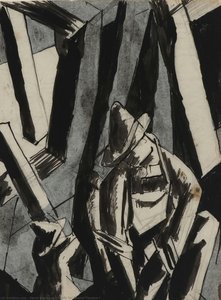
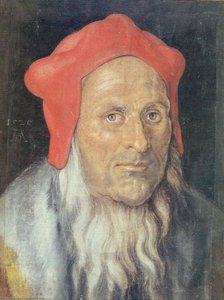
アーティストの略歴
A Life Etched in Ink: The World of Agustín Comotto
Agustín Comotto, born in Buenos Aires in 1968, is more than just an Argentine illustrator and cartoonist; he’s a visual storyteller deeply invested in the narratives often relegated to the margins of history. His journey began amidst the vibrant, politically charged atmosphere of late-1980s Argentina, finding early expression within the pages of the magazine *Fierro*. This formative period instilled in him a passion for sequential art and a keen awareness of social commentary—themes that would become hallmarks of his prolific career. Comotto didn’t simply draw; he absorbed the spirit of a nation grappling with its past and future, an influence readily apparent in the raw emotionality and stylistic boldness of his early work. He honed his skills studying drawing under the tutelage of two giants of Argentine comics: Alberto Breccia, renowned for his expressionistic style and political allegories, and Leopoldo Durañona, a master of realism and narrative depth. These mentors weren’t merely instructors; they were guides who shaped Comotto's understanding of the power of images to provoke thought and challenge convention.From Buenos Aires to Barcelona: A Transnational Artistic Evolution
The early 1990s saw Comotto broadening his horizons, publishing in various Argentine media outlets before a pivotal move to Corbera de Llobregat, near Barcelona, Spain. This relocation wasn’t simply a change of scenery; it was a catalyst for artistic evolution. While maintaining strong ties to his Argentinian roots, he embraced the diverse European comics scene, expanding his repertoire and experimenting with new techniques. He found himself working across genres, from children's illustration to literary adaptations, demonstrating a remarkable versatility that set him apart. This period also marked a shift towards biographical storytelling—a fascination that would define much of his subsequent work. Comotto’s time in Europe allowed him to cultivate a unique style blending realism with comic book aesthetics, often employing warm tones and intricate details to bring historical figures and events to life.Unearthing the Forgotten: Biographical Comics as Historical Reclamation
Comotto's most significant contribution lies in his biographical comics—works that meticulously research and vividly portray individuals often overlooked by mainstream history books. He doesn’t shy away from complex, controversial subjects; instead, he embraces them with a nuanced perspective, offering readers a fresh understanding of the past. “Prisoner 155”, published in France, Argentina, and Germany, is a compelling account of Simón Radowitzky, an anarchist rebel who attempted to assassinate Leon Trotsky. This graphic novel isn’t merely a retelling of historical events; it's a deeply human portrait of a man driven by ideology and circumstance. Similarly, “The Weight of the Stars”, dedicated to the life of anarchist Octavio Alberola, showcases Comotto’s dedication to uncovering hidden narratives within the broader context of social movements. These works are not simply comics; they are acts of historical reclamation, breathing life into forgotten figures and challenging conventional understandings of revolution and resistance.Influences and Artistic Style: A Synthesis of Tradition and Innovation
Comotto's artistic style is a fascinating synthesis of tradition and innovation. The influence of Breccia’s expressionistic lines and Durañona’s realism are readily apparent, yet he has forged his own distinct path. His work often features detailed backgrounds, evocative character designs, and a masterful use of light and shadow to create atmosphere and emotional depth. He isn't afraid to experiment with panel layouts and narrative structures, pushing the boundaries of traditional comics storytelling. His illustrations for classics like Jules Verne’s “20,000 Leagues Under the Sea” and Edgar Allan Poe’s “The Fall of the House of Usher” demonstrate his ability to adapt his style to diverse literary sources while maintaining a consistent artistic vision. Beyond comics, Comotto draws inspiration from historical research, photography, and film, enriching his work with layers of detail and authenticity.Legacy and Historical Significance: A Voice for the Underrepresented
Agustín Comotto’s legacy extends beyond the realm of comics; he is a vital voice for the underrepresented, a chronicler of forgotten histories, and a testament to the power of visual storytelling. His recent graphic novel on Lenin, published on the centenary of his death, exemplifies his commitment to challenging conventional narratives and prompting critical reflection. His work resonates with contemporary audiences because it doesn’t offer easy answers; instead, it encourages dialogue and invites readers to question established truths. Comotto's dedication to historical research, combined with his artistic talent and nuanced perspective, has cemented his place as a significant figure in the world of graphic novels. He continues to inspire artists and readers alike, reminding us that history is not simply a collection of dates and events but a tapestry woven from individual lives and untold stories.
agustín comotto
1968 - , Argentina
基本情報
- Artistic Movement Or Style: Biographical comics, Illustration
- Artists Who Influenced This Artist:
- Alberto Breccia
- Leopoldo Durañona
- Date Of Birth: 1968
- Full Name: Agustín Comotto
- Nationality: Argentine
- Notable Artworks:
- Picture of the Comic
- Prisoner 155
- The Weight of the Stars
- Place Of Birth: Buenos Aires, Argentina
関連記事

アンリ・マティスの傑作25選:色彩と情熱の軌跡|ArtsDot
アンリ・マティスの傑作25選🎨 色彩と情熱が織りなす世界を旅する。フォーヴィスム代表の巨匠、マティスの絵画の魅力と歴史を紐解きます。ArtsDotで高品質なアートプリントや複製画を見つけ、インテリアに芸術的な輝きを✨ Explore the full collection online

ArtsDot.com F.A.Q.: 富裕層コレクターのための芸術的ビジョン実現 – カスタム背景の可能性
ArtsDot.comでは、富裕層コレクターの皆様に、理想の空間を創出するカスタムアートをご提供します。熟練アーティストによる油絵複製、肖像画制作、美術品鑑定など、高品質なサービスと安心の保証をお約束いたします。
ムンク傑作25選:魂を揺さぶる表現主義の世界|ArtsDot
エドヴァルド・ムンクの傑作25選。表現主義を代表する画家、ムンクの「叫び」をはじめ、魂を揺さぶる名画の世界へ。油絵の歴史と色彩、そして作品に込められたストーリーをArtsDotで。高品質なアートプリントやインテリア装飾をご提供中。全コレクションはこちら▶

Crimson Threads of Narrative: Exploring Symbolism & Representation in Artworks Featuring the Red Dress
Explore the rich symbolism of the red dress in art history! From ancient power displays to iconic portraits like Cézanne’s 'Madame Cezanne', discover the cultural and artistic significance behind this captivating color. Expert analysis & insights.

マーク・ロスコ傑作25選:色彩が織りなす深遠な世界|ArtsDot
マーク・ロスコの傑作25選。抽象表現主義を代表する巨匠、色彩が織りなす深遠な世界を探求します。絵画の背景や技法、感動的なストーリーを紐解き、ArtsDotで高品質なアートプリントをお楽しみください。リビングやオフィスにモダンアートを飾るなら!