

 プレビュー
プレビュー
 プリントを購入
 シェアする
シェアする シェアする
シェアする
 詳細を見る
詳細を見る

 ダウンロード
 似ている作品
 X線調査
X線調査 スライドショー
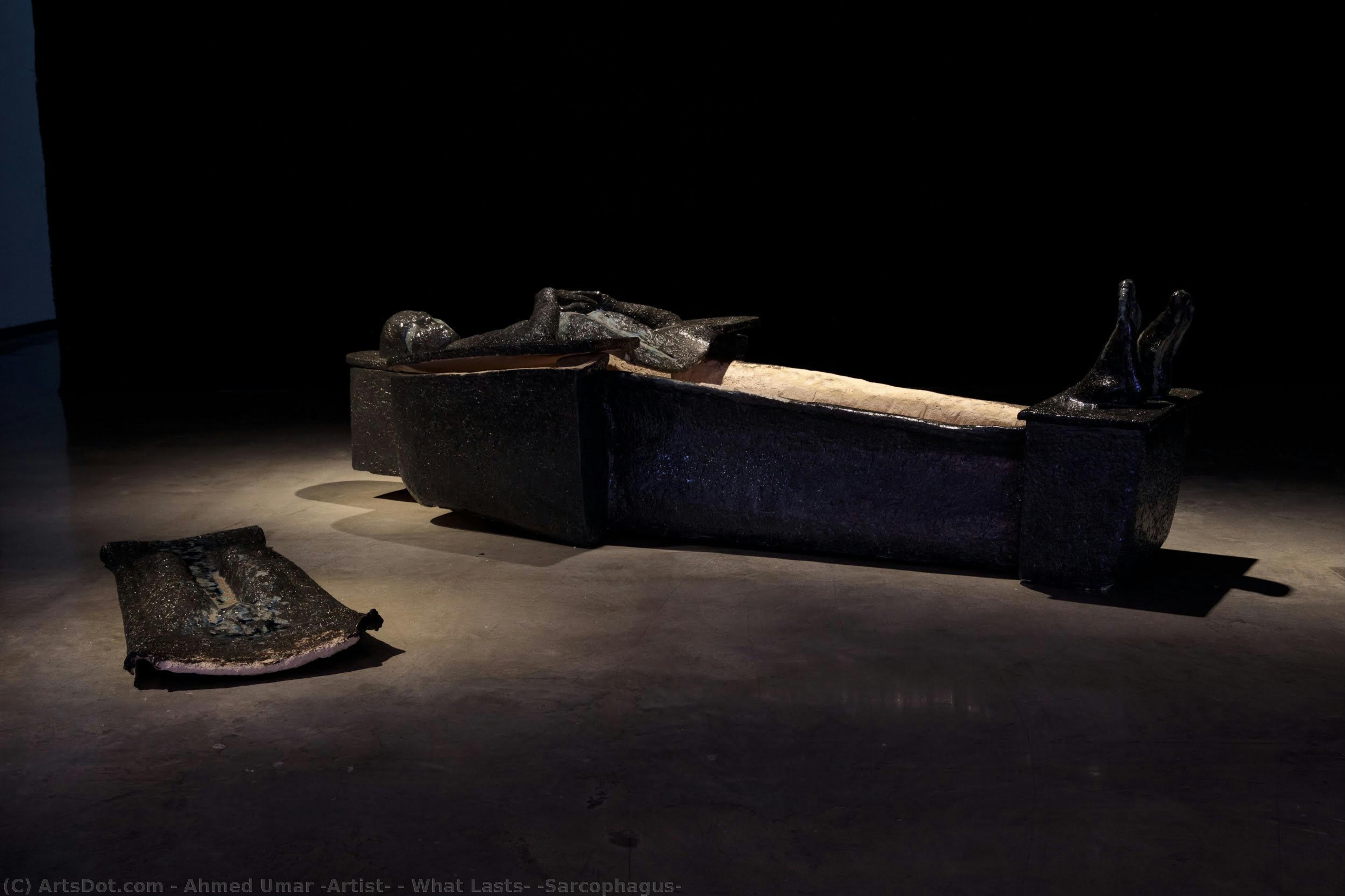
What Lasts! (Sarcophagus)
 2016
2016 85.0 x 200.0 cm
 シドニー・ビエンナーレ
 詳細を見る
詳細を見る
オンラインプレビューをはるかに凌ぐ、高解像度で鮮明なデジタル画像をご購入いただけます。
各ファイルは、社内の専門家が高度なツールと熟練した手作業によるレタッチを用いて、細心の注意を払って準備されています。すべての画像において、卓越した鮮明度、正確な色彩再現性、そして繊細なディテールを保証いたします。
最終ファイルは、プロフェッショナルな編集・印刷環境ですぐにご利用いただけるよう最適化された状態で、72時間以内にメールにてお届けいたします。これは、一流のデザインスタジオ、出版社、ギャラリーから信頼されているものと同等の品質です。
デジタル画像のご注文に付随する特典
高品質なデジタル画像配信を、確かな品質で。
ArtsDot.com を選ぶことは、単に画像を手に入れることではありません。それは、プロの手によって精密に仕上げられ、満足保証が付いた高品質なデジタルアートワークを受け取ることを意味します。ご注文いただいた際に自動的に付随する内容は、以下の通りです:

メールですぐにお届け
ご注文から72時間以内に、高解像度のデジタル画像ファイルがメールでお手元に届きます。すぐにそのままご利用いただけます。

AI技術で最適化されたデジタルファイル
お客様の作品は、高度なAIツールと専門家による手作業の編集を組み合わせてプロフェッショナルに最適化されており、細部のディテール、鮮明さ、そして正確な色再現性を最大限に引き出しています。

一生涯無料の再送サービス
ファイルを誤って削除したり、紛失してしまったりしましたか?ご安心ください。いつでも無料で再送いたします。

輸入手数料は一切かかりません
関税や手数料、配送料を気にすることなく、お気に入りのアートワークをすぐにお楽しみいただけます。デジタルダウンロードは常に免税です。

色彩再現の保証
プロ仕様のツールとカラーマネジメント技術を用いることで、デジタル画像が元の色を最大限に忠実に再現することを保証いたします。

100日間満足保証
ご購入いただいたデジタル画像にご満足いただけない場合は、100日以内であれば、理由を問わず修正または100%の返金対応をさせていただきます。

100% 返金保証
ご満足いただけない場合は、デジタルファイルを受け取ってから100日以内であれば、理由を問わず全額返金いたします。

まとめ買い割引
3枚購入で10%OFF - 5枚購入で15%OFF - 10枚以上購入で20%OFF。クリエイティブなプロジェクト、ギャラリー、エージェンシーに最適です。
関連作品







作家の略歴
The Soul of a Nomad: Between Khartoum and Norway
Ahmed Umar’s artistic journey is a profound meditation on the concept of belonging, woven from the threads of displacement, exile, and the search for a stable identity. Born in 1988 in Khartoum, Sudan, his early life was shaped by a complex duality, moving between the cultural landscapes of Sudan and the strict spiritual atmosphere of Mecca, Saudi Arabia. This upbringing, marked by the tension between the fluid traditions of Sudanese Sufism and the rigorous doctrines of Wahhabism, instilled in him a lifelong preoccupation with the boundaries of faith, gender, and social norms. When the realities of political instability led to his relocation to Norway, Umar did not merely leave behind a homeland; he entered a transformative period of exile that would become the crucible for his creative vision. His work serves as a bridge between these disparate worlds, translating the visceral experience of being a refugee into a universal language of resilience and cultural negotiation.
The Geometry of Memory and Ancient Echoes
In his visual practice, Umar masterfully synthesizes the aesthetics of Western modernism with the rich, storied iconography of his African heritage. He draws deep inspiration from the Black Pharaohs of the ancient kingdom of Kush, utilizing their historical grandeur to anchor contemporary struggles for recognition. His style is a striking fusion where the structured, geometric precision of Constructivism meets the intricate, organic patterns of Sudanese textiles and decorative arts. This dialogue between form and tradition allows him to explore themes that are both deeply personal and historically resonant. One of his most poignant explorations can be found in his sculptural work, such as What Lasts! (Sarcophagus). In this piece, the ceramic vessel becomes more than a funerary object; it is a site of protest and a celebration of existence. By creating a sarcophagus that reflects his own body in a state of peaceful prayer, he confronts the historical and contemporary erasure of queer lives, turning a symbol of death into an assertion of eternal presence.
- Identity and Intersectionality: Navigating the complex overlaps of ethnicity, religion, and sexuality.
- Cultural Reclamation: Using Sudanese motifs to reassert the importance of African history in a globalized art context.
- The Aesthetics of Displacement: Transforming the trauma of exile into a powerful medium for social activism.
Reclaiming the Narrative on the Global Stage
As his career has progressed, Umar has moved from the periphery to the very center of the contemporary art discourse. His presence at prestigious institutions, such as the Munch Museum in Oslo and the La Biennale di Venezia, marks a significant achievement in bringing Sudanese narratives to the forefront of the international stage. His performance-based works, notably Talitin, The Third, demonstrate his ability to use the body as a canvas for political and social reclamation. In this piece, he takes an insult once used to marginalize him—referring to those who do not conform to traditional masculine roles—and transforms it into a celebratory performance of Sudanese bridal dance. Through the use of wearable art, fabrics, and braids, he reclaims the very practices that were once used to exclude him. Ultimately, Ahmed Umar’s significance lies in his ability to turn the pain of being "othered" into a vibrant, unyielding celebration of human complexity, ensuring that the stories of the marginalized are not just heard, but indelibly etched into the fabric of art history.

ahmed umar (artist)
1988 - , Sudan
プロフィール概要
- Artistic Movement Or Style: Abstract Art & Constructivism
- Artists Or Movements Influenced By This Artist: ['Abstract Art']
- Artists Who Influenced This Artist: ['Edvard Munch']
- Date Of Birth: 1988
- Full Name: Ahmed Umar
- Nationality: Sudanese-Norwegian
- Notable Artworks:
- What Lasts!
- Separation
- Place Of Birth: Khartoum, Sudan