

 プレビュー
プレビュー
 プリントを購入
 シェアする
シェアする シェアする
シェアする
 詳細を見る
詳細を見る

 ダウンロード
 似ている作品
 X線調査
X線調査 スライドショー
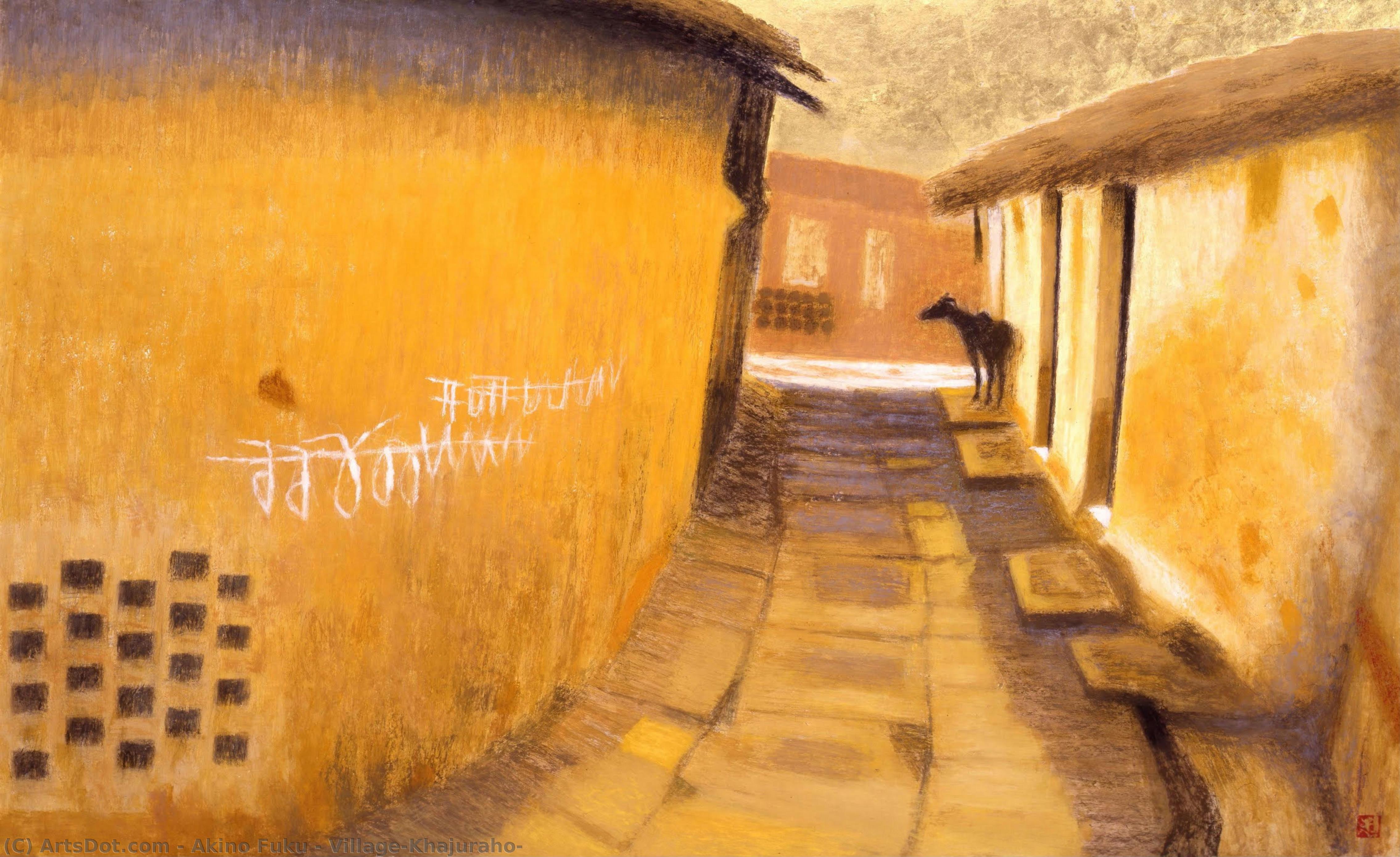
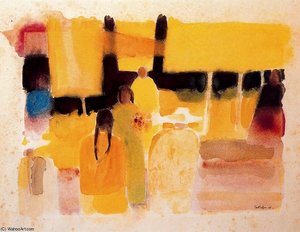
Village(Khajuraho)
 Painting
- Contemporary Realism
 Modern
 184.0 x 114.0 cm
 Hamamatsu City Fuku Akino Art Museum
 詳細を見る
詳細を見る




P118B $10

P118H $10

P118W $10

P438Z $10

P508JH $12

P508YH $12

P805H $10

P805Z $10

P919BZ $10

P919G $10

P919XJ $10

P959ZH $10

P968JZ $12

W106C $8

W218G $10

W218JH $8

W218Y $10

W307PJ $10

W316G $10

W316PJ $8

W316Y $10

W398PJ $8

W4111J $10

W500HY $15

W500JH $15

W692G $12

W849H $8

W940BG $15

W953PJ $8




作品のオリジナル比率に合わせた、当店の規定サイズからお選びください。

特定のフレームやスペースに合わせて、ご希望のサイズをご入力いただけます。選択されたサイズが元の画像の比率と異なる場合、アートワークをトリミングするか、手描きで要素を追加して絵画を拡張いたします。デジタルモックアップ を制作し、制作開始前にご確認(承認)をいただきます。
画面上のプレビューは、実際のトリミングや拡張を正確に反映しているものではありません。最終的な構図は、モックアップによってのみ正確にご確認いただけます。
カスタムサイズもご利用いただけますが、元の比率を維持するためには、あらかじめ用意されたリストからサイズを選択することをお勧めいたします。
ご注文後、ArtsDot.com チームより詳細な指示をお送りするとともに、仕上がりイメージ(モックアップ)をご提供いたします。


 ガラスオプションは、110cm未満のサイズでのみご利用いただけます。

Village(Khajuraho)
複製技法
複製画のサイズ
-


合計金額
$ 263
A Window into Timeless India
In the evocative masterpiece Village (Khajuraho), the viewer is transported to the heart of central India, where the golden warmth of the sun seems to permeate the very canvas. The painting captures a serene moment within a village setting, likely inspired by the artist's profound connection to the Indian landscape. At the center of this composition stands a horse, its poised silhouette acting as a silent observer of the daily rhythms unfolding around it. The scene is populated with the gentle traces of human life—figures moving through the settlement and a loyal dog resting near a traveler—all set against a luminous yellow background that bathes the entire landscape in an amber, nostalgic glow. This use of color does more than just depict light; it evokes a sense of eternal afternoon, a moment frozen in time where the bustle of the world fades into a peaceful, sun-drenched stillness.
The artistry of Akino Fuku is defined by a rare and beautiful synthesis of traditions. Having trained in the rigorous Japanese-style painting techniques under Suisho Nishiyama, Fuku brought a disciplined eye for line and form to her subjects. However, her soul was deeply moved by the vibrant textures and cultural richness of India. In Village (Khajuraho), one can observe this fusion: the delicate, precise brushwork characteristic of Japanese aesthetics meets the expansive, atmospheric warmth of Indian landscapes. The way the buildings are layered, with some receding into the soft distance while others anchor the foreground, creates a profound sense of depth and spatial harmony that invites the eye to wander through the village streets.
Historical Resonance and Cultural Soul
To understand this work is to understand the spirit of Khajuraho itself. While the region is globally renowned for its magnificent temple ruins and intricate sculptures of the Chandela dynasty, Fuku chooses to look away from the stone monuments and toward the living, breathing pulse of the village. She captures the "human" side of history—the continuity of life that persists long after empires have faded. This choice imbues the painting with a deep sense of empathy and respect for the local way of life. For collectors and lovers of fine art, this piece offers more than just a visual depiction; it offers a narrative of cultural intersection, where the artist's Japanese heritage meets her profound love for the Indian subcontinent.
For those looking to integrate such a piece into a curated interior, Village (Khajuraho) serves as a magnificent focal point. Its warm palette and tranquil subject matter make it an ideal selection for spaces designed for contemplation and warmth, such as a study, a library, or a sophisticated living area. The painting does not merely decorate a wall; it opens a portal to another time and place, bringing a sense of worldly wisdom and quiet elegance to any architectural setting. It is a testament to the power of art to bridge distances, connecting the viewer to the timeless beauty of a landscape far from home.
関連作品

アーティストの略歴
生い立ちと修行の時代
福明乃、日本を代表する画家の一人は、1908年に日本の静岡県磐田郡二俣に生を受けました。彼女の芸術的な旅路は、京都において西山翠松の指導を受けることから始まり、そこで日本画の伝統的な技法を深く学びました。芸術的キャリアと独自の様式
福明乃の作品を語る上で欠かせないのは、インドの主題、風景、そして人々に向けられた情熱的な眼差しです。日本の伝統技法と、彼女が魅了されたインド文化への憧憬が見事に融合したその独自のスタイルは、世界中の観衆を虜にしてきました。特筆すべきは、1930年に発表された作品「田園を帰る」が帝国美術院展(帝展)に選出されたことです。これは彼女の輝かしいキャリアにおける重要な節目となりました。国際的な評価と旅路
1962年、福明乃は客員教授としてインドのビシュヴァ・バラティ大学に招かれました。この経験は彼女の創作活動に深い影響を与え、その後も幾度となくインドを訪れる契機となりました。彼女の探求心は国境を越え、アフガニスタン、ネパール、カンボジア、そしてアフリカへと広がり、それら異国の情景は彼女のキャンバスの中に鮮やかに描き出されました。栄誉と遺産
日本美術への多大なる貢献に対し、彼女は代表作と展覧会
- 文展選考展に出品された「砂の上で」(1936年)
- 岐阜県立美術館(日本、岐阜)に展示された「美術館の意義」に関する作品群
- 東京の村内美術館のコレクションに収蔵されている作品
- ArtsDot.comで福明乃の作品を鑑賞する: https://ArtsDot.com/@/akino fuku
- Wikipediaで彼女の伝記と代表作を詳しく知る: https://en.wikipedia.org/wiki/fuku_akino
結びに代えて
福明乃の驚くべき生涯と芸術的キャリアは、革新的な精神と、多様な文化の本質を捉えようとした献身的な姿勢の証です。彼女の作品を通じて、その魂は今もなお、世界中の新しい世代のアーティストや美術愛好家たちの心に響き続けています。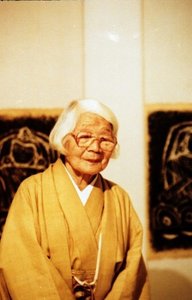
福 昭乃
1908 - 2001 , 日本
基本情報
- Artistic Movement Or Style: 日本画、インドの主題
- Artists Or Movements Influenced By This Artist: ['創造美術']
- Artists Who Influenced This Artist:
- 西山翠松
- 石井倫恭
- Date Of Birth: 1908-07-25
- Date Of Death: 2001-10-11
- Full Name: 福 昭乃
- Nationality: 日本人
- Notable Artworks:
- 砂の上 (1936)
- 意義...
- 川渡り
- Place Of Birth: 日本、浜松市二俣
関連記事

ロマン派ランドスケープ:時代を彩る巨匠の10選|アートとインテリアの世界
ロマン派絵画の時代を彩る10選。巨匠たちの風景が織りなす感動の世界へ。ターナー、ルーベンスなど、名作の裏話と高精細複製でアートをお部屋に。ArtsDot.comで至福のアート体験を。

ジョン・コンスタブルの傑作25選:英国風景画の巨匠が描く自然と光の詩 | ArtsDot
ジョン・コンスタブルの傑作25選。英国風景画の巨匠が描く自然と光の詩の世界へ。ロマン主義を代表する絵画、デダム・ヴェールやヘイ・ウェインなど、ArtsDotで高品質なアートプリントをお楽しみください。インテリアに深みと感動を。コレクションはこちら。

Evocations of Place: A Historical Journey Through Landscape Art
Explore the rich history of landscape art with ArtsDot. Discover renowned artists, movements like Impressionism & Romanticism, and expert guidance for collecting timeless pieces. Find your perfect serene escape today!

Evocations of Place: A Historical Journey Through Landscape Art
Explore the rich history of landscape art with ArtsDot. Discover renowned artists, movements like Impressionism & tonalism, and expert guidance for collecting timeless pieces. Find your perfect serene escape today!

Impressionistic Landscapes: 10 Masterpieces That Changed Art & Decor
Journey into the heart of Impressionism! Explore 10 masterpieces by Monet, Renoir & Degas that revolutionized landscape art. Discover their stories, techniques & find museum-quality reproductions to elevate your home decor on ArtsDot.com.

