

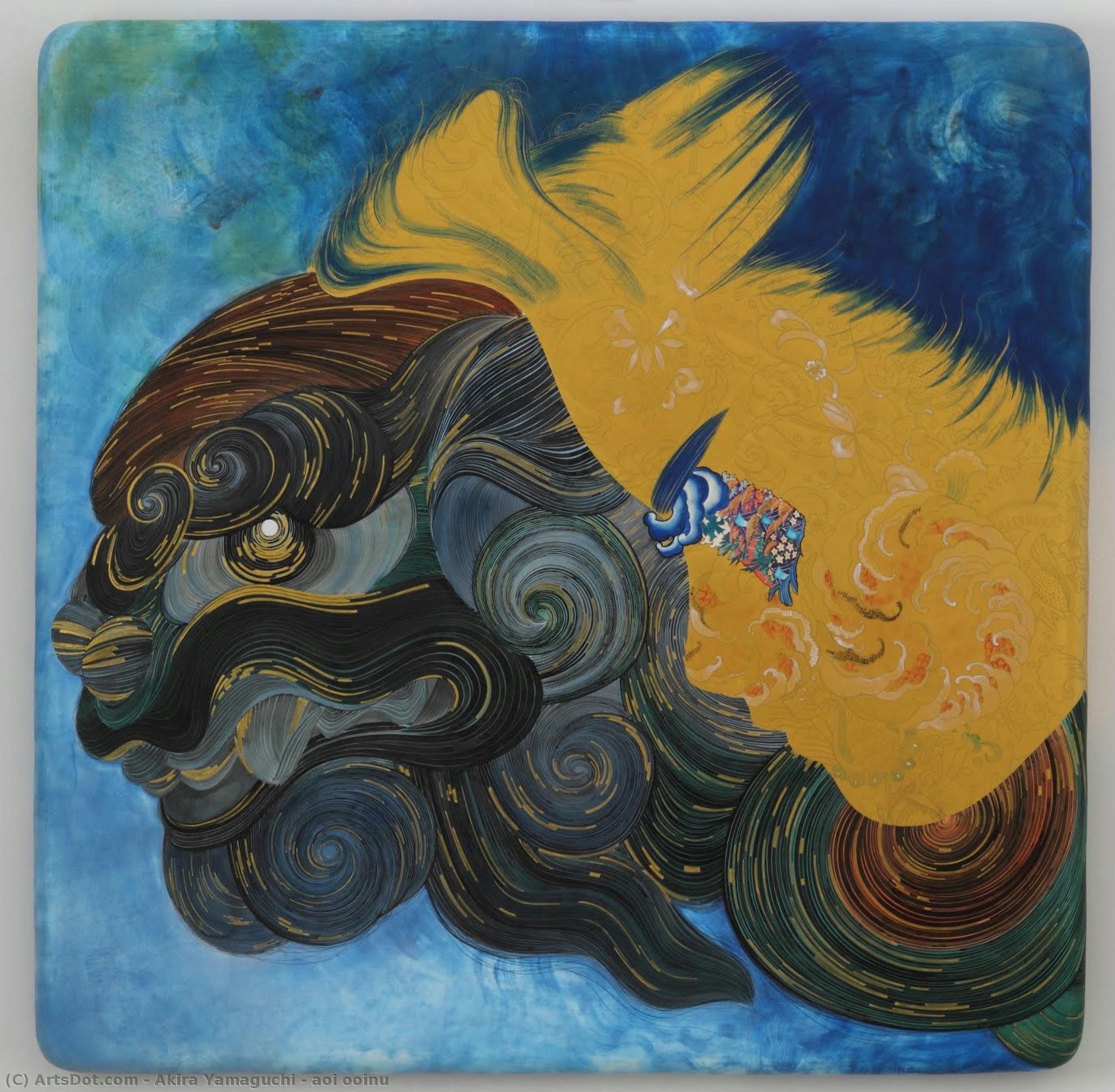
 プレビュー
プレビュー
 シェアする
シェアする シェアする
シェアする
 詳細を見る
詳細を見る

 ダウンロード
 似ている作品
 X線調査
X線調査 スライドショー
 Stats
Statsaoi ooinu
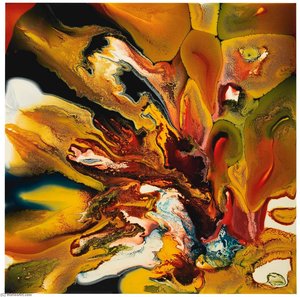
 Oil On Canvas
- WallArt
- Contemporary Art
 2012
2012- Contemporary
 110.0 x 110.0 cm
 Meiji Jingu Forest Festival of Art
 詳細を見る
詳細を見る
ジークレー/アートプリント
迅速な制作と多彩な仕上げオプションを備えた、ミュージアムクオリティのジークレーまたはキャンバスプリント。 ( 手描きの絵画を購入 Switch to Digital Image)




P118B $10

P118H $10

P118W $10

P438Z $10

P508JH $12

P508YH $12

P805H $10

P805Z $10

P919BZ $10

P919G $10

P919XJ $10

P959ZH $10

P968JZ $12

W106C $8

W218G $10

W218JH $8

W218Y $10

W307PJ $10

W316G $10

W316PJ $8

W316Y $10

W398PJ $8

W4111J $10

W500HY $15

W500JH $15

W692G $12

W849H $8

W940BG $15

W953PJ $8




作品のオリジナル比率に合わせた、当店の規定サイズからお選びください。

特定のフレームやスペースに合わせて、ご自身でサイズを指定することも可能です。選択されたサイズが元の画像の比率と一致しない場合、作品をトリミングするか、鏡面反射または単色での塗りつぶしによって画像を拡張いたします。制作を開始する前に、ご確認用のデジタルモックアップをお送りいたします。
画面上のプレビューには、実際のトリミングや拡張は反映されませんのでご注意ください。最終的な構図を正確に確認できるのは、モックアップのみとなります。
カスタムサイズも承っておりますが、元の比率を維持するためには、あらかじめ用意されたリストからサイズを選択することをお勧めいたします。


 ガラスオプションは、110cm未満のサイズでのみご利用いただけます。

aoi ooinu
ジークレー/アートプリント
複製画のサイズ
-


合計金額
$ 62
関連作品


アーティストの略歴
Akira Yamaguchi: Bridging Tradition and Innovation in Yamato-e Painting
Akira Yamaguchi (山口晃, *Yamaguchi Akira*; born 1969 in Tokyo, Japan) stands at the intersection of Japanese artistic heritage and contemporary visual expression. His distinctive style—characterized by a masterful fusion of Yamato-e tradition with oil painting techniques—has garnered international acclaim and cemented his place as one of Japan’s most compelling artists working today. While biographical details remain relatively sparse beyond confirmed birthdate, Yamaguchi's artistic journey has been marked by a profound engagement with Buddhist iconography and a dedication to exploring themes of femininity and spirituality.- Early Life & Artistic Beginnings: Yamaguchi’s formative years were spent in Tokyo, fostering an early appreciation for Japanese art history and aesthetics. He honed his skills through rigorous training in traditional Yamato-e painting—a genre deeply rooted in Buddhist symbolism and known for its serene landscapes and stylized depictions of deities—before transitioning to oil painting as a medium. This deliberate choice reflects a desire not merely to replicate established forms but to reinterpret them with fresh perspectives.
The Influence of Yamato-e Tradition
Yamato-e, originating in the Edo period (1603–1868), represents more than just a stylistic preference for Yamaguchi; it’s an intellectual bedrock. The genre's emphasis on capturing the essence of nature—often imbued with spiritual significance—directly informs his artistic vision. Specifically, Yamaguchi draws inspiration from depictions of Buddhist guardians, or *Shintenno*, transforming them into powerful female figures rendered in luminous watercolor and oil blends. This reimagining isn’t simply decorative; it’s a deliberate challenge to conventional representations, elevating feminine strength and embodying the core tenets of Buddhist philosophy.- Notable Works & Artistic Style: Yamaguchi's oeuvre showcases a remarkable versatility across mediums. He is particularly recognized for his dresses—elaborate textile designs that combine intricate patterns with symbolic imagery—and his contributions to the film ‘Lost in Translation,’ where he created stunning illustrations capturing the melancholic beauty of Tokyo. His technique distinguishes itself through a layered approach: watercolor serves as an initial foundation, establishing tonal harmony and atmospheric depth before being overlaid with oil paint for textural richness and luminosity. This blending process allows him to achieve unparalleled visual impact—capturing both subtle nuances and grand vistas simultaneously.
Exploring Themes of Femininity & Spirituality
Yamaguchi’s artistic explorations consistently grapple with concepts of femininity and spirituality, mirroring the core values of Yamato-e. Recurring motifs – such as lotus blossoms symbolizing purity and enlightenment—underscore his commitment to conveying profound philosophical ideas through visual language. His depictions often portray women not merely as subjects but as active agents embodying resilience and grace, reflecting a broader humanist perspective.- Recognition & Legacy: Yamaguchi’s work has garnered critical acclaim internationally, appearing in prestigious exhibitions and publications. He continues to push boundaries within the contemporary art landscape while honoring the legacy of Yamato-e tradition. His enduring contribution lies in demonstrating how artistic innovation can simultaneously engage with deep cultural roots—a testament to his singular talent and vision.
Further Exploration
For a deeper understanding of Akira Yamaguchi’s artistic practice, consider examining his pieces ‘Shintenno,’ ‘aoi ooinu’, and ‘mata au hi ni’. These artworks exemplify his distinctive style and thematic concerns. You can find more information about his work on ArtsDot.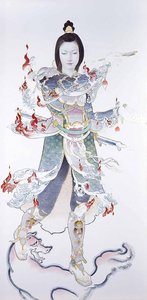
akira yamaguchi
1969 - , Japan
基本情報
- Artistic Movement Or Style: Yamato-e & Contemporary Oil Painting
- Date Of Birth: 1969
- Full Name: Akira Yamaguchi
- Nationality: Japanese
- Notable Artworks:
- Shintenno
- aoi ooinu
- mata au hi ni
- Place Of Birth: Tokyo, Japan
関連記事
The Allure of Azure: Exploring the Symbolic & Aesthetic Depths of Blue in Art History
Explore the rich history of blue in art! Discover its symbolism, from ancient pigments to modern masterpieces by Kandinsky & Seurat. Uncover the psychological impact and cultural meanings behind this captivating hue.
Slate Blue Masterpieces: 10 Iconic Paintings & Timeless Home Decor Ideas
Immerse yourself in the captivating world of slate blue! Explore 10 iconic paintings by Monet, Van Gogh & Renoir. Discover their stories, techniques & find museum-quality art reproductions for your home at .
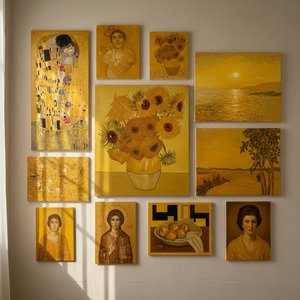
Golden Hues: Top 10 Paintings Dominated by Yellow Ochre |
Explore 10 iconic paintings bathed in golden yellow ochre! From Van Gogh's sunflowers to Monet’s haystacks, discover the stories behind these masterpieces. Find museum-quality art reproductions & elevate your home decor on .
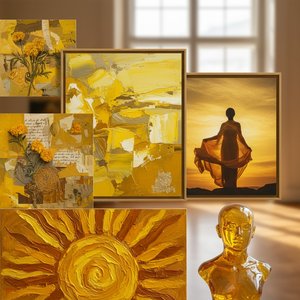
The Golden Hue: Exploring Symbolism & Emotion in Yellow Art
Explore the rich symbolism & emotional power of yellow in art history! From Van Gogh to Kandinsky, discover how artists used this vibrant hue. Expert analysis & high-quality reproductions at ArtsDot.
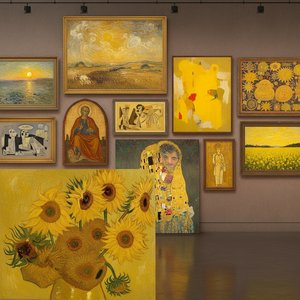
Golden Hues: 10 Masterpieces Dominated by Chrome Yellow | ArtsDot
Immerse yourself in golden light! Explore 10 famous paintings dominated by 'Chrome Yellow', from Van Gogh’s Sunflowers to Monet's Haystacks. Discover the stories behind these iconic Impressionist & Post-Impressionist masterpieces and find museum-quality art reproductions at ArtsDot.com.