

 プレビュー
プレビュー
 シェアする
シェアする シェアする
シェアする
 詳細を見る
詳細を見る

 ダウンロード
 似ている作品
 X線調査
X線調査 スライドショー
 Stats
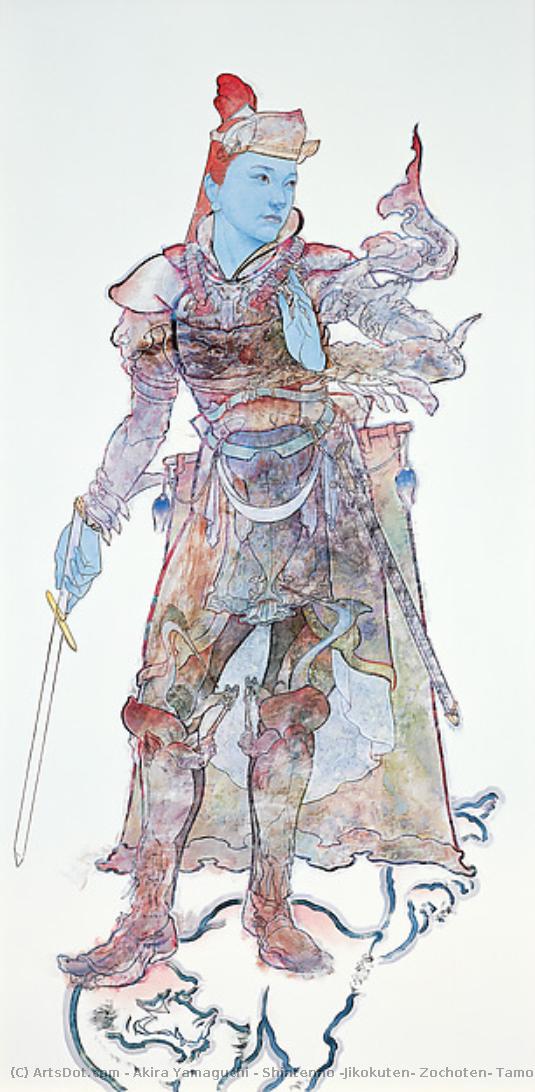
StatsShintenno (Jikokuten, Zochoten, Tamonten, Komokuten)
 Contemporary
 2006
2006 194.0 x 97.0 cm
 詳細を見る
詳細を見る
オンラインプレビューをはるかに凌ぐ、高解像度で鮮明なデジタル画像をご購入いただけます。
各ファイルは、社内の専門家が高度なツールと熟練した手作業によるレタッチを用いて、細心の注意を払って準備されています。すべての画像において、卓越した鮮明度、正確な色彩再現性、そして繊細なディテールを保証いたします。
最終ファイルは、プロフェッショナルな編集・印刷環境ですぐにご利用いただけるよう最適化された状態で、72時間以内にメールにてお届けいたします。これは、一流のデザインスタジオ、出版社、ギャラリーから信頼されているものと同等の品質です。
デジタルアート
個人での鑑賞、印刷、クリエイティブなプロジェクト用に、高解像度ファイルをダウンロードできます。 ( Switch to Print 手描きの絵画を購入)
デジタル画像のご注文に付随する特典
高品質なデジタル画像配信を、確かな品質で。
ArtsDot.com を選ぶことは、単に画像を手に入れることではありません。それは、プロの手によって精密に仕上げられ、満足保証が付いた高品質なデジタルアートワークを受け取ることを意味します。ご注文いただいた際に自動的に付随する内容は、以下の通りです:

メールですぐにお届け
ご注文から72時間以内に、高解像度のデジタル画像ファイルがメールでお手元に届きます。すぐにそのままご利用いただけます。

AI技術で最適化されたデジタルファイル
お客様の作品は、高度なAIツールと専門家による手作業の編集を組み合わせてプロフェッショナルに最適化されており、細部のディテール、鮮明さ、そして正確な色再現性を最大限に引き出しています。

一生涯無料の再送サービス
ファイルを誤って削除したり、紛失してしまったりしましたか?ご安心ください。いつでも無料で再送いたします。

輸入手数料は一切かかりません
関税や手数料、配送料を気にすることなく、お気に入りのアートワークをすぐにお楽しみいただけます。デジタルダウンロードは常に免税です。

色彩再現の保証
プロ仕様のツールとカラーマネジメント技術を用いることで、デジタル画像が元の色を最大限に忠実に再現することを保証いたします。

100日間満足保証
ご購入いただいたデジタル画像にご満足いただけない場合は、100日以内であれば、理由を問わず修正または100%の返金対応をさせていただきます。

100% 返金保証
ご満足いただけない場合は、デジタルファイルを受け取ってから100日以内であれば、理由を問わず全額返金いたします。

まとめ買い割引
3枚購入で10%OFF - 5枚購入で15%OFF - 10枚以上購入で20%OFF。クリエイティブなプロジェクト、ギャラリー、エージェンシーに最適です。
関連作品
作家の略歴
Akira Yamaguchi: Bridging Tradition and Innovation in Yamato-e Painting
Akira Yamaguchi (山口晃, *Yamaguchi Akira*; born 1969 in Tokyo, Japan) stands at the intersection of Japanese artistic heritage and contemporary visual expression. His distinctive style—characterized by a masterful fusion of Yamato-e tradition with oil painting techniques—has garnered international acclaim and cemented his place as one of Japan’s most compelling artists working today. While biographical details remain relatively sparse beyond confirmed birthdate, Yamaguchi's artistic journey has been marked by a profound engagement with Buddhist iconography and a dedication to exploring themes of femininity and spirituality.- Early Life & Artistic Beginnings: Yamaguchi’s formative years were spent in Tokyo, fostering an early appreciation for Japanese art history and aesthetics. He honed his skills through rigorous training in traditional Yamato-e painting—a genre deeply rooted in Buddhist symbolism and known for its serene landscapes and stylized depictions of deities—before transitioning to oil painting as a medium. This deliberate choice reflects a desire not merely to replicate established forms but to reinterpret them with fresh perspectives.
The Influence of Yamato-e Tradition
Yamato-e, originating in the Edo period (1603–1868), represents more than just a stylistic preference for Yamaguchi; it’s an intellectual bedrock. The genre's emphasis on capturing the essence of nature—often imbued with spiritual significance—directly informs his artistic vision. Specifically, Yamaguchi draws inspiration from depictions of Buddhist guardians, or *Shintenno*, transforming them into powerful female figures rendered in luminous watercolor and oil blends. This reimagining isn’t simply decorative; it’s a deliberate challenge to conventional representations, elevating feminine strength and embodying the core tenets of Buddhist philosophy.- Notable Works & Artistic Style: Yamaguchi's oeuvre showcases a remarkable versatility across mediums. He is particularly recognized for his dresses—elaborate textile designs that combine intricate patterns with symbolic imagery—and his contributions to the film ‘Lost in Translation,’ where he created stunning illustrations capturing the melancholic beauty of Tokyo. His technique distinguishes itself through a layered approach: watercolor serves as an initial foundation, establishing tonal harmony and atmospheric depth before being overlaid with oil paint for textural richness and luminosity. This blending process allows him to achieve unparalleled visual impact—capturing both subtle nuances and grand vistas simultaneously.
Exploring Themes of Femininity & Spirituality
Yamaguchi’s artistic explorations consistently grapple with concepts of femininity and spirituality, mirroring the core values of Yamato-e. Recurring motifs – such as lotus blossoms symbolizing purity and enlightenment—underscore his commitment to conveying profound philosophical ideas through visual language. His depictions often portray women not merely as subjects but as active agents embodying resilience and grace, reflecting a broader humanist perspective.- Recognition & Legacy: Yamaguchi’s work has garnered critical acclaim internationally, appearing in prestigious exhibitions and publications. He continues to push boundaries within the contemporary art landscape while honoring the legacy of Yamato-e tradition. His enduring contribution lies in demonstrating how artistic innovation can simultaneously engage with deep cultural roots—a testament to his singular talent and vision.
Further Exploration
For a deeper understanding of Akira Yamaguchi’s artistic practice, consider examining his pieces ‘Shintenno,’ ‘aoi ooinu’, and ‘mata au hi ni’. These artworks exemplify his distinctive style and thematic concerns. You can find more information about his work on ArtsDot.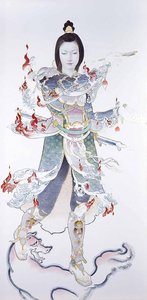
akira yamaguchi
1969 - , Japan
プロフィール概要
- Artistic Movement Or Style: Yamato-e & Contemporary Oil Painting
- Date Of Birth: 1969
- Full Name: Akira Yamaguchi
- Nationality: Japanese
- Notable Artworks:
- Shintenno
- aoi ooinu
- mata au hi ni
- Place Of Birth: Tokyo, Japan