 プレビュー
プレビュー
 プリントを購入
 シェアする
シェアする シェアする
シェアする
 詳細を見る
詳細を見る

 ダウンロード
 似ている作品
 X線調査
X線調査 スライドショー
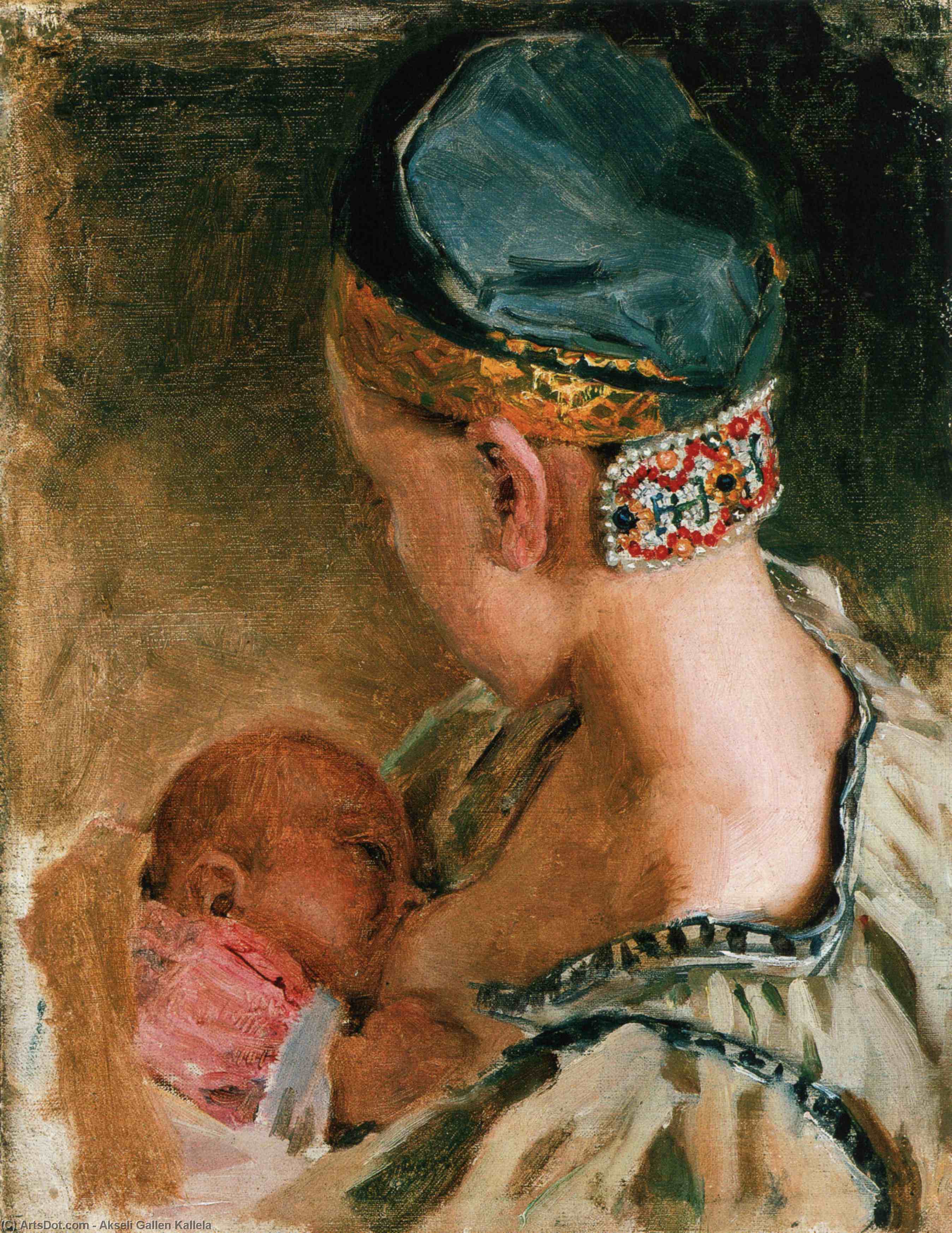
Karelian Mother


 詳細を見る
詳細を見る




P118B $10

P118H $10

P118W $10

P438Z $10

P508JH $12

P508YH $12

P805H $10

P805Z $10

P919BZ $10

P919G $10

P919XJ $10

P959ZH $10

P968JZ $12

W106C $8

W218G $10

W218JH $8

W218Y $10

W307PJ $10

W316G $10

W316PJ $8

W316Y $10

W398PJ $8

W4111J $10

W500HY $15

W500JH $15

W692G $12

W849H $8

W940BG $15

W953PJ $8




作品のオリジナル比率に合わせた、当店の規定サイズからお選びください。

特定のフレームやスペースに合わせて、ご希望のサイズをご入力いただけます。選択されたサイズが元の画像の比率と異なる場合、アートワークをトリミングするか、手描きで要素を追加して絵画を拡張いたします。デジタルモックアップ を制作し、制作開始前にご確認(承認)をいただきます。
画面上のプレビューは、実際のトリミングや拡張を正確に反映しているものではありません。最終的な構図は、モックアップによってのみ正確にご確認いただけます。
カスタムサイズもご利用いただけますが、元の比率を維持するためには、あらかじめ用意されたリストからサイズを選択することをお勧めいたします。
ご注文後、ArtsDot.com チームより詳細な指示をお送りするとともに、仕上がりイメージ(モックアップ)をご提供いたします。


 ガラスオプションは、110cm未満のサイズでのみご利用いただけます。

Karelian Mother
複製技法
複製画のサイズ
-


合計金額
$ 263
作品解説
A Portrait of Finnish Identity: Exploring Akseli Gallen-Kallela’s *The Karelian Mother*
Akseli Gallen-Kallela's *The Karelian Mother*, painted in 1891, is more than just a depiction of a mother and child; it’s a profound statement about Finnish national identity emerging from the heart of rural life. Created during a period of intense cultural awakening in Finland, this oil on canvas work embodies the burgeoning National Romantic movement, a style deeply rooted in folklore, mythology, and the very soul of the land. Gallen-Kallela, born Axel Waldemar Gallén in Pori, meticulously crafted an image that resonated with the growing desire for Finland to define itself – not through imitation of Western European styles, but through a uniquely Finnish lens.
- Subject and Composition: The painting’s central focus is undeniably intimate: a woman cradling her infant. This simple scene, rendered with remarkable tenderness, immediately draws the viewer into a world of quiet domesticity and profound connection. The composition itself – the woman's direct gaze, the baby’s peaceful repose – speaks volumes about values being championed at the time: family, tradition, and the sanctity of rural life.
- Technique and Color Palette: Gallen-Kallela masterfully employs a technique characterized by soft brushstrokes and a restrained color palette dominated by earth tones—ochres, browns, and muted greens. This deliberate choice isn’t merely aesthetic; it evokes the landscapes of Karelia, the region depicted, and reinforces the painting's connection to the Finnish countryside. The subtle gradations of light and shadow create a palpable sense of warmth and serenity, inviting contemplation.
Symbolism Woven into the Fabric of the Scene
Beyond its immediate depiction, *The Karelian Mother* is rich in symbolic meaning. The woman’s traditional dress – a deliberate nod to regional attire – immediately anchors the scene within a specific cultural context. The clock and bowl subtly introduce themes of time, mortality, and the cyclical nature of life, adding layers of depth to the narrative. These seemingly simple objects are not mere props; they contribute significantly to the painting's overall message about Finnish heritage and values. The inclusion of these elements reflects a desire to preserve and celebrate the traditions that were rapidly being eroded by modernization and Western influence.
- The Clock: Represents the passage of time, a poignant reminder of life’s fleeting nature, particularly relevant within the context of family lineage.
- The Bowl: Symbolizes nourishment, sustenance, and the continuity of life – essential elements of rural existence.
Historical Context and Artistic Significance
Painted in 1891, *The Karelian Mother* emerged during a pivotal moment in Finnish history—the period leading up to Finland’s independence from Russia. Gallen-Kallela's work played a crucial role in shaping the national consciousness by celebrating Finnish identity and folklore. His style, firmly rooted in National Romanticism, became synonymous with this movement, influencing generations of Finnish artists. The painting’s enduring appeal lies not only in its technical brilliance but also in its powerful evocation of a nation’s yearning for self-determination and cultural preservation. It stands as a testament to Gallen-Kallela's profound understanding of the human condition and his ability to translate that understanding into a timeless work of art.
Related Works:Own a Piece of Finnish Heritage
ArtsDot offers meticulously crafted hand-painted reproductions of *The Karelian Mother*, allowing you to bring this iconic artwork into your home or office. Each reproduction is created using the highest quality materials and techniques, ensuring exceptional detail and color accuracy. Whether you are an art collector, interior designer, or simply someone who appreciates beautiful art, a ArtsDot reproduction of Gallen-Kallela’s masterpiece will be a treasured addition to your collection.
関連作品

アーティストの略歴
フィンランドの魂に織り込まれた生涯
1865年、フィンランドのポリにアクセル・ヴァルデマール・ガレンとして生まれたアクセリ・ガレン=カッレラは、単なる画家ではありませんでした。彼は、自らの声を模索していた国家の「視覚的な詩人」だったのです。彼の人生は、政治的な潮流の変化と、芽生えつつあったナショナル・アイデンティティという背景の中で展開され、それが彼の芸術的軌道を深く決定づけました。当時のフィンランドでは一般的であったスウェーデン語を話す家庭に育った彼が、後にフィンランド文化を抱擁し、その旗手となったのは、単なる美学的な選択ではなく、文化的な自己肯定という明確な意志によるものでした。若き日の彼は、家族の期待と芸術への野心との間で葛藤しており、1884年にはアカデミー・ジュリアンで学ぶためにパリへと渡ります。この時期にヨーロッパ美術の潮流に触れたことは、彼に新たな視点を与えた一方で、故郷の風景や伝承に対する切実な憧憬を心に灯すことにもなったのです。
パリでの経験は、アルブレヒト・エデルフェルトのような画家たちとの出会いをもたらし、オーギュスト・ストリンドベルグといった重要人物との友情を育むなど、彼にとって極めて重要な形成期となりました。しかし、ガレン=カッレラの芸術的精神は、当時の主流であったヨーロッパ様式に完全に同化することを拒みました。彼は、フィンランドの農村生活の本質や古の神話を捉えたいという渇望に突き動かされ、頻繁に故郷へと戻るようになります。これは大きな転換点となりました。フィンランドのアイデンティティに根ざした芸術の道を切り拓くという、意識的な決断だったのです。初期の作品にはこの変化が反映されており、農民の生活風景を写実的に描きながらも、次第に深まっていく象徴的な感性が加わり、やがて彼の代名詞となる独自のスタイルが確立されていきました。
カレワラの抱擁:神話と国家のアイデンティティ
ガレン=カッレラの最も不朽の遺産は、フィンランドの叙事詩『カレワラ』に見られる息を呑むような挿絵にあります。古くから伝わる伝承、詩、そして神話の集大成であるこの物語は、彼にとって単なる題材を超え、インスピレーションの源泉であり、国家の魂を解き明かす鍵となりました。『サンポの防衛』(1897年)や『レムミンケンの母』(1893年)といった作品は、単なる挿絵ではありません。英雄的行為、喪失、そして逆境との闘いという叙事詩のテーマを、力強い視覚的解釈として響かせるものです。彼はただ『カレワラ』の場面を描写したのではなく、キャンバスに原始的なエネルギーと象徴的な深みを与えることで、それらを文字通り「体現」させたのです。
そのアプローチは極めて緻密であり、フィンランドの伝承、伝統、そして風景に関する広範な研究を伴うものでした。彼は物語の要素だけでなく、叙事詩に刻み込まれた精神的な信仰や文化的価値観までも捉えようと努めました。この献身的な姿勢により、彼の作品は単なる挿絵の域を超え、彼を視覚的な語り部へと昇華させ、フィンランドの文化遺産を保存し称えるための導管としたのです。これらの作品が与えた影響は甚大であり、フィンランド美術における中枢的な人物としての地位を固めると同時に、国家の自意識の高まりに大きく貢献しました。
神話を超えて:象徴主義、表現、そして芸術的進化
『カレワラ』と密接に結びついてはいたものの、ガレン=カッレラの芸術的領域は神話的な主題を遥かに超えて広がっていました。彼は『シンポジウム』(1894年)などの作品において象徴主義を探求しました。フィンランドの芸術家たちが知的な対話に耽る様子を描いたこの忘れがたい作品には、国家のアイデンティティや文化の保存に対する不安が、かすかな予兆として込められています。彼のスタイルは時を経て進化し、アール・ヌーヴォーの要素を取り入れ、後に色彩と形態が持つ表現力豊かな力を受け入れていきました。決定的な瞬間は、1909年から1910年にかけてのケニアへの旅でした。そこで彼が出会った異文化と風景は、彼の芸術的ビジョンに深い衝撃を与えたのです。
この経験は、より鮮やかな色彩と大胆な筆致への転換をもたらし、後の表現主義の出現を予感させるものとなりました。彼はフレスコ画(特にユセリウス廟のために依頼されたもの)や、テキスタイル、家具のデザインなど、様々な媒体での実験を続け、伝統的な絵画の枠組みを超えた包括的な芸術へのアプローチを示しました。1917年から1918年にかけてのフィンランド内戦のような政治的動乱の時期でさえ、ガレン=カッレラは積極的に関わり続け、独立したばかりのフィンランド軍のために制服や勲章のデザインを手掛けました。
不朽の遺産:国家的美学の形成
フィンランドの芸術と文化に対するガレン=カッレラの影響は計り知れません。彼は単に絵を描いたのではありません。激動の時代において、フィンランド人であることの意味を視覚的に明示し、国家のアイデンティティを定義する手助けをしたのです。彼の作品は今日でもアーティストたちにインスピレーションを与え続けており、国家の意識を形成し、文化遺産を守り抜く芸術の力を証明するものとなっています。
- ナショナル・ロマンティシズム: ガレン=カッレラは、フィンランド独自の文化とアイデンティティを称えようとした芸術運動である「フィンランド・ナショナル・ロマンティシズム」の中心的人物とみなされています。
- 文化的アイコン: 彼の『カレワラ』の挿絵は、フィンランドの神話と伝承を象徴する図像となりました。
- 芸術的革新: 彼は様々な様式や媒体を実験し、フィンランド美術の境界を押し広げた多才な芸術家でした。
- 永続的な影響: 彼の作品は今なおアーティストに刺激を与え、現代のフィンランドの文化的景観を形作り続けています。
ガレン=カッレラの生涯は、芸術的ビジョンの力を物語るものでした。それは若き日の野心から国家的なアイコンへと至る旅路でした。彼は1931年にストックホルムで亡くなりましたが、その作品群は今もなお世界中の人々を魅了し続けています。その遺産は、フィンランドの魂という織物の中に、深く、永遠に織り込まれているのです。
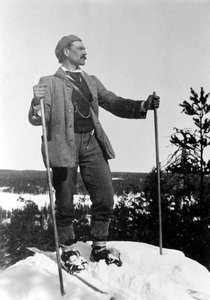
アクセリ・ガレン=カレラ
1865 - 1931 , フィンランド
基本情報
- Artistic Movement Or Style: ナショナル・ロマンティシズム
- Artists Or Movements Influenced By This Artist: ['フィンランド美術']
- Date Of Birth: 1865年4月26日
- Date Of Death: 1931年3月7日
- Full Name: アクセリ・ガレン=カッレラ
- Nationality: フィンランド
- Notable Artworks:
- サンプの防衛
- レミングハイネの母
- クレルヴォの呪い
- Place Of Birth: フィンランド、ポリ
関連記事
Akseli Gallen-Kallela: Shaping Finnish Identity Through National Romanticism & Symbolism
Explore the captivating world of Akseli Gallen-Kallela, Finland's iconic National Romantic painter. Discover his symbolic landscapes, Kalevala illustrations & lasting impact on Finnish identity. Expert analysis & high-quality reproductions at ArtsDot.

The Enduring Legacy of Oil on Canvas: Technique, History & Aesthetic Impact
Explore the rich history & techniques of oil painting – from Renaissance masters to Impressionism. Discover pigments, layering methods, and why this timeless medium endures. Expert insights for artists & art enthusiasts.
Romantic Realism's Finest: 10 Masterpieces for Your Home | ArtsDot
Explore 10 defining masterpieces of Romantic Realism! Discover Courbet, Millet & Daumier's powerful paintings—capturing emotion and social realities. Find museum-quality reproductions for your home at ArtsDot.com.

Oil on Canvas: A Historical & Technical Exploration of a Timeless Artistic Medium
Explore the rich history & enduring techniques of oil painting on canvas. Discover the science behind its longevity, conservation practices, and contemporary relevance. Expert insights for art enthusiasts.

The Enduring Power of Painting: A Historical & Contemporary Exploration of Form and Emotion
Explore the rich history & enduring techniques of oil painting with ArtsDot. Discover masterpieces, learn about art collecting, and find authentic handmade reproductions crafted by skilled artists.