

 プレビュー
プレビュー
 プリントを購入
 シェアする
シェアする シェアする
シェアする
 詳細を見る
詳細を見る

 ダウンロード
 似ている作品
 X線調査
X線調査 スライドショー
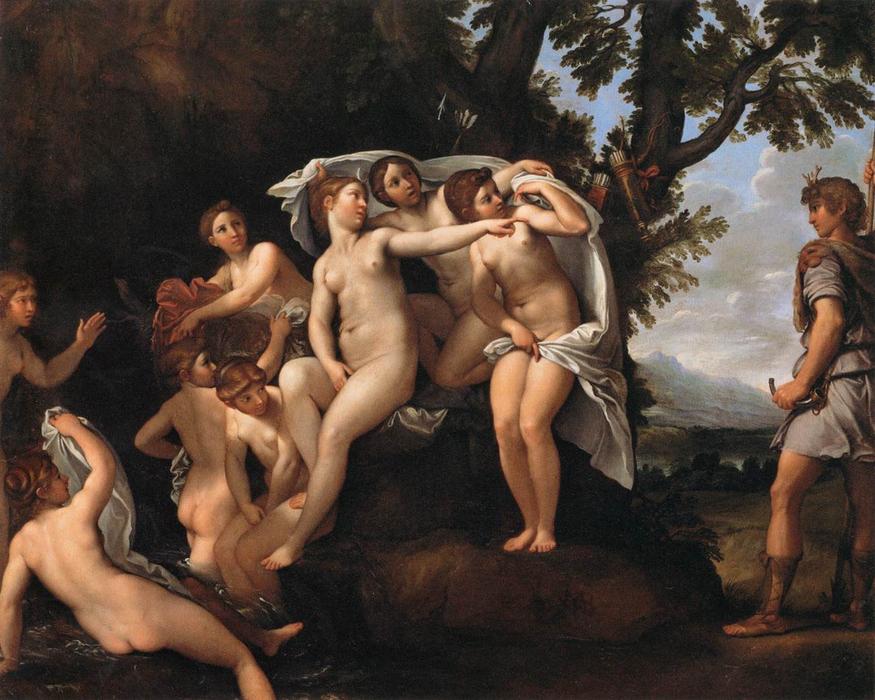
Diana and Actaeon
 Oil On Canvas
- WallArt
- Baroque Art
 1617
1617 52.0 x 61.0 cm
 ルーブル美術館
 詳細を見る
詳細を見る




P118B $10

P118H $10

P118W $10

P438Z $10

P508JH $12

P508YH $12

P805H $10

P805Z $10

P919BZ $10

P919G $10

P919XJ $10

P959ZH $10

P968JZ $12

W106C $8

W218G $10

W218JH $8

W218Y $10

W307PJ $10

W316G $10

W316PJ $8

W316Y $10

W398PJ $8

W4111J $10

W500HY $15

W500JH $15

W692G $12

W849H $8

W940BG $15

W953PJ $8




作品のオリジナル比率に合わせた、当店の規定サイズからお選びください。

特定のフレームやスペースに合わせて、ご希望のサイズをご入力いただけます。選択されたサイズが元の画像の比率と異なる場合、アートワークをトリミングするか、手描きで要素を追加して絵画を拡張いたします。デジタルモックアップ を制作し、制作開始前にご確認(承認)をいただきます。
画面上のプレビューは、実際のトリミングや拡張を正確に反映しているものではありません。最終的な構図は、モックアップによってのみ正確にご確認いただけます。
カスタムサイズもご利用いただけますが、元の比率を維持するためには、あらかじめ用意されたリストからサイズを選択することをお勧めいたします。
ご注文後、ArtsDot.com チームより詳細な指示をお送りするとともに、仕上がりイメージ(モックアップ)をご提供いたします。


 ガラスオプションは、110cm未満のサイズでのみご利用いただけます。

Diana and Actaeon
複製技法
複製画のサイズ
-


合計金額
$ 263
作品解説
Francesco Albani’s Diana and Actaeon: A Baroque Masterpiece Illuminated
Francesco Albani's "Diana and Actaeon," completed in 1617, stands as an undeniable triumph of Baroque art—a visual poem that captures the drama and grandeur emblematic of the era. Housed within the Louvre Museum’s halls, this monumental oil on copper painting transcends mere depiction; it embodies a profound exploration of mythology, morality, and the interplay between divine grace and human transgression.The Dramatic Narrative: Mythological Echoes
At its core lies a retelling of Homer's tale—Diana, goddess of the hunt and protector of nymphs, is confronted by Actaeon, a mortal hunter who unwittingly discovers her bathing ritual. Driven by irresistible curiosity, he violates Diana’s sanctity, prompting her wrathful intervention and unleashing a terrifying transformation upon him. Albani skillfully translates this narrative into visual language, prioritizing emotional intensity over strict adherence to classical proportions. The composition pulsates with movement—Diana's startled gaze, Actaeon’s desperate plea for mercy, and the panicked reactions of the nymphs create a palpable sense of urgency and horror.Baroque Technique: Light and Shadow as Instruments of Emotion
Albani’s mastery is evident in his masterful application of chiaroscuro – a technique central to Baroque aesthetics—where stark contrasts between light and dark dominate the canvas. Brilliant highlights illuminate Diana's face and upper body, emphasizing her regal composure despite the unfolding drama. Conversely, deep shadows engulf Actaeon and the nymphs, conveying vulnerability and fear. This dramatic manipulation of light isn’t merely stylistic; it serves to heighten emotional impact, mirroring the psychological turmoil experienced by the characters. The meticulous detail in drapery—particularly Diana's flowing robes—further underscores Albani’s commitment to realism, grounding the fantastical narrative within a tangible visual world.Symbolism and Moral Allegory
Beyond its captivating storytelling, “Diana and Actaeon” resonates with symbolic significance. Diana represents divine authority and chastity, while Actaeon embodies human ambition and hubris—the transgression of boundaries imposed by God. The transformation of Actaeon into a stag is not simply gruesome spectacle; it symbolizes the consequences of defying divine law and accepting punishment for wrongdoing. Albani’s depiction underscores the importance of piety and respect for sacred spaces, presenting a cautionary tale about unchecked desire and disregard for moral precepts.A Legacy Enduring Beauty
“Diana and Actaeon” remains a cornerstone of Baroque art history—a testament to Albani's artistic vision and his ability to transform myth into unforgettable visual experience. Its enduring appeal lies in its masterful execution, its emotionally resonant narrative, and its profound exploration of timeless themes. Viewing this painting today offers an opportunity to appreciate not only the beauty of classical art but also the power of Baroque technique to convey complex ideas and evoke visceral responses—a legacy that continues to inspire artists and captivate audiences centuries later.関連作品
アーティストの略歴
アルバーニ・フランチェスコ、別名ル・アルバーネ
1578年に生まれ、1660年没した著名なイタリアの画家、アルバーニ・フランチェスコは、ローマを中心にイタリアのバロック絵画の発展において極めて重要な人物でした。
初期の生活と修行
フランチェスコ・アルバーニは、芸術家を名乗る家に、イタリアのボローニャで生まれました。彼の父ダニエレ・アルバーニが画家であり、叔父のジョヴァンニ・パオロ・カヴァニャも著名な芸術家でした。フランチェスコの初期の学び舎となったのは、デンツィオ・フェラリの工房であり、そこで彼は絵画の基礎を学びました。その後、ローマへと移り住み、ギドバルド・ガンドルフィの指導のもとで研鑽を積みました。
芸術家としてのキャリア
アルバーニの芸術的な軌跡は、バロック様式と古典主義の要素が見事に融合した独自のスタイルによって特徴づけられています。彼は神話的あるいは聖書の場面を描いた、美しく繊細な描写で知られていました。彼の最も有名な作品の一つが『ヴィーナスのお手入れ』であり、この絵画は人間という存在の美しさを捉える彼の卓越した技術を今に伝えています。アルバーニの注目すべき作品には以下のようなものがあります。
- 『キリストの洗礼』。感情とドラマを伝える彼の能力を示す作品です。
- 『聖セバスティアヌス』。光と影の巧みな使い手が際立つ傑作です。
- 『聖ヨハネに囲まれた聖母子』。人間の表情の機微を捉える彼の技量が光る絵画です。
影響と遺産
イタリアにおけるバロック絵画の発展に対するアルバーニの影響は計り知れません。キアロスクーロ、すなわち明暗の対比を強調する技法を導入した初期の芸術家の一人でした。また、自然の風景を構図に取り入れることが多かったため、風景画の発展にも影響を与えました。今日においても、アルバーニの作品はパリのルーヴル美術館をはじめとする様々な美術館で見ることができます。特に彼の『ヴィーナスのお手入れ』はそこで展示されています。また、美術愛好家たちが彼の生涯と芸術的功績について深く知ることができるArtsDot.comでも紹介されています。
結び
フランチェスコ・アルバーニは、芸術の世界に消しがたい足跡を残した才能ある画家でした。バロックと古典の要素を織り交ぜた彼の独自のスタイルは、今日に至るまで多くの芸術家たちにインスピレーションを与え続けています。彼の作品を通して、私たちは人間の肉体の持つ美しさやドラマ性、そして奥行きと感情を生み出す光と影の重要性を再認識することができるのです。アルバーニの生涯と作品についてさらに深く知りたい方は、ArtsDot.comをご覧になるか、ウィキペディアで彼の伝記をチェックしてみてください。
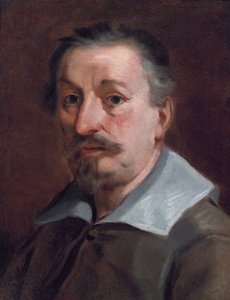
アルバーニ・フランチェスコ(ル・アルバーネ)
1578 - 1660 , イタリア
基本情報
- Artistic Movement Or Style: バロックおよび古典主義
- Artists Or Movements Influenced By This Artist:
- バロック絵画
- 風景画
- Artists Who Influenced This Artist:
- デンツィオ・フェラリ
- ギドバルド・ガンドルフィ
- Date Of Birth: 1578年
- Date Of Death: 1660年
- Full Name: フランチェスコ・アルバーニ
- Nationality: イタリア
- Notable Artworks:
- ヴィーナスの化粧台
- キリストの洗礼
- 聖セバスティアヌス
- 聖ヨハネに囲まれた聖母子
- Place Of Birth: イタリア、ボローニャ
関連記事
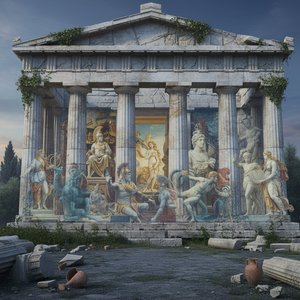
Echoes of Olympus: Mythological Narratives in Western Art Through the Ages
Explore the captivating history of mythological narratives in Western art! From ancient Greece to modern masterpieces, discover iconic artworks & symbolism. Expert analysis and high-quality reproductions at ArtsDot.

バロックのドラマ:現代のインテリアに壮麗さと情感を取り込む
バロック様式の歴史、絵画、家具の魅力をご紹介。ArtsDotでは、高品質な油絵複製やカスタムポートレートをご提供し、現代のインテリアに壮麗さと情感を取り入れます。アートコンサルテーションも承ります。

The Dramatic Flourish: Exploring the Baroque Movement's Enduring Legacy in Art History
Explore the dramatic world of Baroque art! Discover iconic artists like Caravaggio & Rubens, defining techniques, and its lasting impact on art history. Expert insights for collectors & enthusiasts at ArtsDot.

バロック美術を極めた至宝:時代を彩る10大名作の世界
バロック美術の華!カラヴァッジョ、ベルニーニら巨匠が創り上げた10大名作を徹底解剖。ドラマチックな色彩と豪華絢爛の世界観に触れ、至宝のアートプリントで空間を彩ろう。ArtsDot.comで美術館品質の複製と洗練されたインテリアを見つけましょう!

The Visceral Stage: Exploring Dramatic Narratives & Emotional Intensity in Baroque Art
Explore the dramatic world of Baroque art! Discover iconic masters like Caravaggio & Rembrandt, their techniques, and the movement's lasting impact. Expert insights for collectors & enthusiasts at ArtsDot.

