

 プレビュー
プレビュー
 プリントを購入
 シェアする
シェアする シェアする
シェアする
 詳細を見る
詳細を見る

 ダウンロード
 似ている作品
 X線調査
X線調査 スライドショー
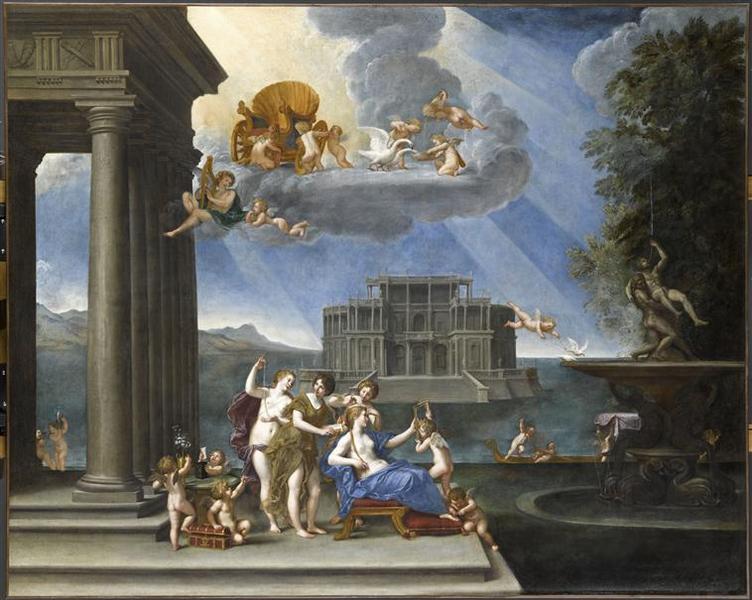
La toilette de Vénus, dit aussi à tort L'Air


 詳細を見る
詳細を見る
オンラインプレビューをはるかに凌ぐ、高解像度で鮮明なデジタル画像をご購入いただけます。
各ファイルは、社内の専門家が高度なツールと熟練した手作業によるレタッチを用いて、細心の注意を払って準備されています。すべての画像において、卓越した鮮明度、正確な色彩再現性、そして繊細なディテールを保証いたします。
最終ファイルは、プロフェッショナルな編集・印刷環境ですぐにご利用いただけるよう最適化された状態で、72時間以内にメールにてお届けいたします。これは、一流のデザインスタジオ、出版社、ギャラリーから信頼されているものと同等の品質です。
デジタル画像のご注文に付随する特典
高品質なデジタル画像配信を、確かな品質で。
ArtsDot.com を選ぶことは、単に画像を手に入れることではありません。それは、プロの手によって精密に仕上げられ、満足保証が付いた高品質なデジタルアートワークを受け取ることを意味します。ご注文いただいた際に自動的に付随する内容は、以下の通りです:

メールですぐにお届け
ご注文から72時間以内に、高解像度のデジタル画像ファイルがメールでお手元に届きます。すぐにそのままご利用いただけます。

AI技術で最適化されたデジタルファイル
お客様の作品は、高度なAIツールと専門家による手作業の編集を組み合わせてプロフェッショナルに最適化されており、細部のディテール、鮮明さ、そして正確な色再現性を最大限に引き出しています。

一生涯無料の再送サービス
ファイルを誤って削除したり、紛失してしまったりしましたか?ご安心ください。いつでも無料で再送いたします。

輸入手数料は一切かかりません
関税や手数料、配送料を気にすることなく、お気に入りのアートワークをすぐにお楽しみいただけます。デジタルダウンロードは常に免税です。

色彩再現の保証
プロ仕様のツールとカラーマネジメント技術を用いることで、デジタル画像が元の色を最大限に忠実に再現することを保証いたします。

60日間満足保証
ご購入いただいたデジタル画像にご満足いただけない場合は、60日以内であれば、修正または100%の返金(理由を問う必要はありません)をさせていただきます。

100% 返金保証
ご満足いただけない場合は、デジタルファイルを受け取ってから60日以内であれば、理由を問わず全額返金いたします。

まとめ買い割引
3枚購入で10%OFF - 5枚購入で15%OFF - 10枚以上購入で20%OFF。クリエイティブなプロジェクト、ギャラリー、エージェンシーに最適です。
A Glimpse of Divine Grace: Francesco Albani’s “La Toilette de Vénus”
Francesco Albani's "La Toilette de Vénus, dit aussi à tort L'Air" – a painting that whispers of ancient myths and the very essence of beauty – is more than just a depiction of a goddess in repose; it’s a carefully constructed tableau of classical ideals, bathed in dramatic light and imbued with an undeniable sense of serenity. Completed around 1621-1633 during the height of the Italian Baroque period, this masterpiece resides within the Louvre Museum's collection, offering viewers a rare glimpse into the artistic sensibilities of one of Rome’s most celebrated painters. Albani, known as “l’Albane,” masterfully blended classical influences with the dynamism and emotional intensity characteristic of the era, resulting in an image that continues to captivate centuries later.
A Scene from Mythology: Composition and Narrative
The painting unfolds on a subtly receding stage – a stepped platform leading towards a distant architectural structure, likely a temple or palace. At its center lies Venus, the Roman goddess of love and beauty, reclining gracefully upon a luxurious bed draped in rich fabrics. She is not presented as a warrior queen or a forceful deity, but rather as a vulnerable, almost ethereal figure, receiving attentive care from a bevy of nymphs and putti – cherubic figures embodying innocence and youthful delight. These attendants engage in the delicate rituals of grooming: one gently brushes her hair, another holds up a mirror reflecting her radiant image, while others observe with admiring gazes. The composition is remarkably balanced, creating a harmonious visual experience that draws the eye through the scene’s carefully orchestrated layers.
The Language of Color and Light: Technique and Style
Albani's masterful technique is immediately apparent in the painting’s rich color palette. Warm tones – golds, creams, blues, and flesh hues – dominate, creating a sense of opulent luxury and inviting warmth. The lighting is dramatically directional, emanating from unseen sources behind clouds, casting strong highlights and deep shadows that sculpt the figures and imbue the scene with a palpable three-dimensionality. Notice how he employs subtle gradations in color to render the smooth texture of skin tones and the flowing drapery, demonstrating a remarkable command of oil paint. The use of linear perspective guides the eye towards the distant architectural elements, while atmospheric perspective softens the background, creating an illusion of depth and distance. Albani’s style is firmly rooted in the Baroque tradition, yet he infuses it with a refined elegance and classical restraint, avoiding excessive ornamentation or dramatic gestures.
Symbolism and Emotional Resonance: Venus and Her Court
Beyond its technical brilliance, “La Toilette de Vénus” is rich in symbolic meaning. The scene itself – the goddess receiving care – speaks to themes of beauty, love, and divine grace. The presence of the putti reinforces these ideas, suggesting a playful innocence associated with Venus’s role as the mother of gods and mortals. The act of grooming can be interpreted as a ritual of purification and renewal, highlighting Venus's power over fertility and creation. More than just a portrait, it is an allegory for the ideal state of beauty and harmony. The painting evokes a profound sense of serenity and contemplation, inviting viewers to lose themselves in the timeless allure of classical mythology and the enduring fascination with the female form.
A Legacy Endures: Reproduction and Inspiration
Albani’s “La Toilette de Vénus” remains a cornerstone of Baroque art, admired for its technical skill, elegant composition, and profound symbolic depth. Reproductions offer an accessible way to experience the beauty and artistry of this iconic work, bringing its timeless message of grace and serenity into modern homes and spaces. Whether used as a focal point in a grand salon or a subtle accent in a more intimate setting, a high-quality reproduction captures the essence of Albani’s masterpiece, allowing it to continue inspiring and delighting audiences for generations to come.
関連作品
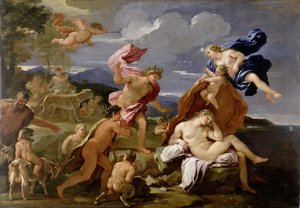
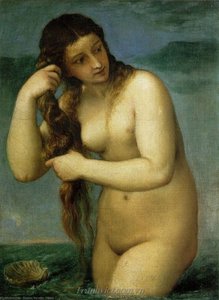
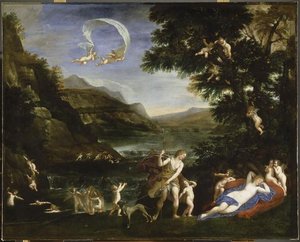
作家の略歴
アルバーニ・フランチェスコ、別名ル・アルバーネ
1578年に生まれ、1660年没した著名なイタリアの画家、アルバーニ・フランチェスコは、ローマを中心にイタリアのバロック絵画の発展において極めて重要な人物でした。
初期の生活と修行
フランチェスコ・アルバーニは、芸術家を名乗る家に、イタリアのボローニャで生まれました。彼の父ダニエレ・アルバーニが画家であり、叔父のジョヴァンニ・パオロ・カヴァニャも著名な芸術家でした。フランチェスコの初期の学び舎となったのは、デンツィオ・フェラリの工房であり、そこで彼は絵画の基礎を学びました。その後、ローマへと移り住み、ギドバルド・ガンドルフィの指導のもとで研鑽を積みました。
芸術家としてのキャリア
アルバーニの芸術的な軌跡は、バロック様式と古典主義の要素が見事に融合した独自のスタイルによって特徴づけられています。彼は神話的あるいは聖書の場面を描いた、美しく繊細な描写で知られていました。彼の最も有名な作品の一つが『ヴィーナスのお手入れ』であり、この絵画は人間という存在の美しさを捉える彼の卓越した技術を今に伝えています。アルバーニの注目すべき作品には以下のようなものがあります。
- 『キリストの洗礼』。感情とドラマを伝える彼の能力を示す作品です。
- 『聖セバスティアヌス』。光と影の巧みな使い手が際立つ傑作です。
- 『聖ヨハネに囲まれた聖母子』。人間の表情の機微を捉える彼の技量が光る絵画です。
影響と遺産
イタリアにおけるバロック絵画の発展に対するアルバーニの影響は計り知れません。キアロスクーロ、すなわち明暗の対比を強調する技法を導入した初期の芸術家の一人でした。また、自然の風景を構図に取り入れることが多かったため、風景画の発展にも影響を与えました。今日においても、アルバーニの作品はパリのルーヴル美術館をはじめとする様々な美術館で見ることができます。特に彼の『ヴィーナスのお手入れ』はそこで展示されています。また、美術愛好家たちが彼の生涯と芸術的功績について深く知ることができるArtsDot.comでも紹介されています。
結び
フランチェスコ・アルバーニは、芸術の世界に消しがたい足跡を残した才能ある画家でした。バロックと古典の要素を織り交ぜた彼の独自のスタイルは、今日に至るまで多くの芸術家たちにインスピレーションを与え続けています。彼の作品を通して、私たちは人間の肉体の持つ美しさやドラマ性、そして奥行きと感情を生み出す光と影の重要性を再認識することができるのです。アルバーニの生涯と作品についてさらに深く知りたい方は、ArtsDot.comをご覧になるか、ウィキペディアで彼の伝記をチェックしてみてください。
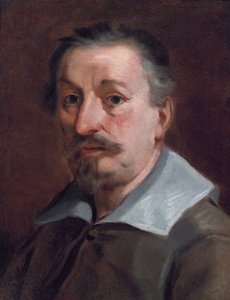
アルバーニ・フランチェスコ(ル・アルバーネ)
1578 - 1660 , イタリア
プロフィール概要
- Artistic Movement Or Style: バロックおよび古典主義
- Artists Or Movements Influenced By This Artist:
- バロック絵画
- 風景画
- Artists Who Influenced This Artist:
- デンツィオ・フェラリ
- ギドバルド・ガンドルフィ
- Date Of Birth: 1578年
- Date Of Death: 1660年
- Full Name: フランチェスコ・アルバーニ
- Nationality: イタリア
- Notable Artworks:
- ヴィーナスの化粧台
- キリストの洗礼
- 聖セバスティアヌス
- 聖ヨハネに囲まれた聖母子
- Place Of Birth: イタリア、ボローニャ

