

 プレビュー
プレビュー
 プリントを購入
 シェアする
シェアする シェアする
シェアする
 詳細を見る
詳細を見る

 ダウンロード
 似ている作品
 X線調査
X線調査 スライドショー
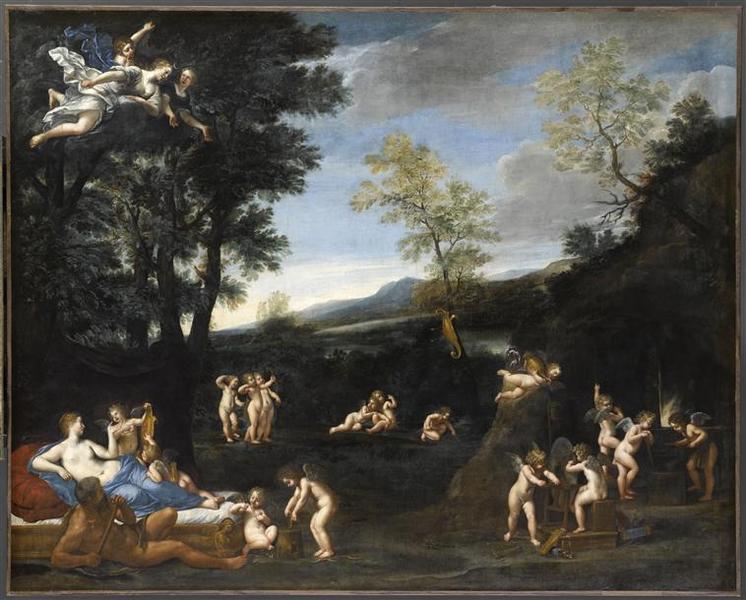
Le repos de Venus et de Vulcain, ou Vénus ordonne aux amours de forger de nouveaux traits pour blesser le coeur d'Adonis, dit aussi à tort Le Feu


 詳細を見る
詳細を見る




P118B $10

P118H $10

P118W $10

P438Z $10

P508JH $12

P508YH $12

P805H $10

P805Z $10

P919BZ $10

P919G $10

P919XJ $10

P959ZH $10

P968JZ $12

W106C $8

W218G $10

W218JH $8

W218Y $10

W307PJ $10

W316G $10

W316PJ $8

W316Y $10

W398PJ $8

W4111J $10

W500HY $15

W500JH $15

W692G $12

W849H $8

W940BG $15

W953PJ $8




作品のオリジナル比率に合わせた、当店の規定サイズからお選びください。

特定のフレームやスペースに合わせて、ご希望のサイズをご入力いただけます。選択されたサイズが元の画像の比率と異なる場合、アートワークをトリミングするか、手描きで要素を追加して絵画を拡張いたします。デジタルモックアップ を制作し、制作開始前にご確認(承認)をいただきます。
画面上のプレビューは、実際のトリミングや拡張を正確に反映しているものではありません。最終的な構図は、モックアップによってのみ正確にご確認いただけます。
カスタムサイズもご利用いただけますが、元の比率を維持するためには、あらかじめ用意されたリストからサイズを選択することをお勧めいたします。
ご注文後、ArtsDot.com チームより詳細な指示をお送りするとともに、仕上がりイメージ(モックアップ)をご提供いたします。


 ガラスオプションは、110cm未満のサイズでのみご利用いただけます。

Le repos de Venus et de Vulcain, ou Vénus ordonne aux amours de forger de nouveaux traits pour blesser le coeur d'Adonis, dit aussi à tort Le Feu
複製技法
複製画のサイズ
-


合計金額
$ 263
A Mythological Symphony of Desire and Duty
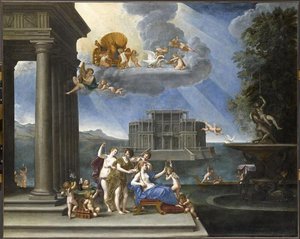
In the grand tapestry of the Italian Baroque, few works capture the delicate tension between celestial grace and earthly passion as masterfully as Francesco Albani’s Le Repos de Venus et de Vulcain. Created around 1621, this monumental masterpiece serves as a breathtaking bridge between the refined elegance of the Renaissance and the burgeoning emotional drama of the Baroque era. The scene unfolds within a lush, mysterious forest, where the air seems thick with the scent of ancient myth. At its heart lies a profound narrative: Venus, the radiant queen of love, rests in a moment of deceptive tranquility, while her attendants—the playful yet industrious amours—toil to forge new arrows. These are not merely weapons of war, but instruments of desire, specifically crafted to pierce the heart of the beautiful Adonis. The composition vibrates with an underlying energy, as if the very trees of the darkened woodland are witnesses to this divine conspiracy of the heart.
The painting is a masterclass in the use of chiaroscuro, a technique that Albani employed to breathe life into the mythological figures. By orchestrating sharp contrasts between deep, velvety shadows and luminous highlights, the artist directs the viewer's eye through a complex choreography of movement. The light does not merely illuminate; it sculptates, defining the soft curves of Venus’s form against the rugged, industrious textures of the forge. This interplay of light and shadow creates a sense of depth that pulls the observer into the forest, making the mythological realm feel tangibly present. For the discerning collector or interior designer, this technique offers an unparalleled dramatic presence, capable of anchoring a room with its sophisticated tonal range and classical weight.
Symbolism and the Baroque Spirit
Beyond its visual splendor, the work is steeped in profound symbolism that speaks to the universal human condition. The confrontation suggested by the scene—the interplay between the goddess of beauty and the tools of conquest—reflects the eternal struggle between virtue and desire. As the amours work with focused determination, they represent the relentless nature of passion, which, much like a forged blade, is shaped by intent and action. The presence of Vulcan’s forge within such a naturalistic setting suggests that even the most primal forces of creation and destruction are intertwined with the whims of love. This duality provides a rich intellectual layer to the piece, making it far more than a mere decorative object; it is a meditation on the forces that shape human destiny.
For those seeking to incorporate fine art into a curated space, this reproduction offers an exquisite opportunity to introduce historical depth and narrative complexity. The vibrant yet balanced palette, characteristic of the Bolognese school, ensures that the painting remains visually captivating without overwhelming its surroundings. Whether placed in a sunlit gallery or a moody, library-style study, Le Repos de Venus et de Vulcain brings with it the prestige of the Louvre’s collection and the timeless allure of Italian mastery. It is an investment in atmosphere, offering a window into a world where myth and reality dance in eternal, beautiful conflict.
関連作品

アーティストの略歴
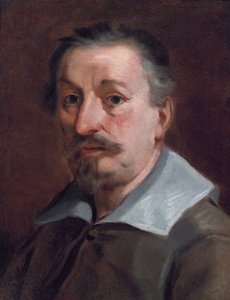
アルバーニ・フランチェスコ、別名ル・アルバーネ
1578年に生まれ、1660年没した著名なイタリアの画家、アルバーニ・フランチェスコは、ローマを中心にイタリアのバロック絵画の発展において極めて重要な人物でした。
初期の生活と修行
フランチェスコ・アルバーニは、芸術家を名乗る家に、イタリアのボローニャで生まれました。彼の父ダニエレ・アルバーニが画家であり、叔父のジョヴァンニ・パオロ・カヴァニャも著名な芸術家でした。フランチェスコの初期の学び舎となったのは、デンツィオ・フェラリの工房であり、そこで彼は絵画の基礎を学びました。その後、ローマへと移り住み、ギドバルド・ガンドルフィの指導のもとで研鑽を積みました。
芸術家としてのキャリア
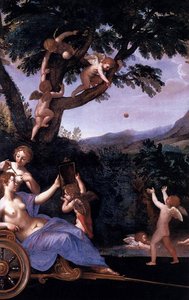
アルバーニの芸術的な軌跡は、バロック様式と古典主義の要素が見事に融合した独自のスタイルによって特徴づけられています。彼は神話的あるいは聖書の場面を描いた、美しく繊細な描写で知られていました。彼の最も有名な作品の一つが『ヴィーナスのお手入れ』であり、この絵画は人間という存在の美しさを捉える彼の卓越した技術を今に伝えています。アルバーニの注目すべき作品には以下のようなものがあります。
- 『キリストの洗礼』。感情とドラマを伝える彼の能力を示す作品です。
- 『聖セバスティアヌス』。光と影の巧みな使い手が際立つ傑作です。
- 『聖ヨハネに囲まれた聖母子』。人間の表情の機微を捉える彼の技量が光る絵画です。
影響と遺産
イタリアにおけるバロック絵画の発展に対するアルバーニの影響は計り知れません。キアロスクーロ、すなわち明暗の対比を強調する技法を導入した初期の芸術家の一人でした。また、自然の風景を構図に取り入れることが多かったため、風景画の発展にも影響を与えました。今日においても、アルバーニの作品はパリのルーヴル美術館をはじめとする様々な美術館で見ることができます。特に彼の『ヴィーナスのお手入れ』はそこで展示されています。また、美術愛好家たちが彼の生涯と芸術的功績について深く知ることができるArtsDot.comでも紹介されています。
結び
フランチェスコ・アルバーニは、芸術の世界に消しがたい足跡を残した才能ある画家でした。バロックと古典の要素を織り交ぜた彼の独自のスタイルは、今日に至るまで多くの芸術家たちにインスピレーションを与え続けています。彼の作品を通して、私たちは人間の肉体の持つ美しさやドラマ性、そして奥行きと感情を生み出す光と影の重要性を再認識することができるのです。アルバーニの生涯と作品についてさらに深く知りたい方は、ArtsDot.comをご覧になるか、ウィキペディアで彼の伝記をチェックしてみてください。
アルバーニ・フランチェスコ(ル・アルバーネ)
1578 - 1660 , イタリア
基本情報
- Artistic Movement Or Style: バロックおよび古典主義
- Artists Or Movements Influenced By This Artist:
- バロック絵画
- 風景画
- Artists Who Influenced This Artist:
- デンツィオ・フェラリ
- ギドバルド・ガンドルフィ
- Date Of Birth: 1578年
- Date Of Death: 1660年
- Full Name: フランチェスコ・アルバーニ
- Nationality: イタリア
- Notable Artworks:
- ヴィーナスの化粧台
- キリストの洗礼
- 聖セバスティアヌス
- 聖ヨハネに囲まれた聖母子
- Place Of Birth: イタリア、ボローニャ
関連記事

バロックのドラマ:現代のインテリアに壮麗さと情感を取り込む
バロック様式の歴史、絵画、家具の魅力をご紹介。ArtsDotでは、高品質な油絵複製やカスタムポートレートをご提供し、現代のインテリアに壮麗さと情感を取り入れます。アートコンサルテーションも承ります。

The Visceral Stage: Exploring Dramatic Narratives & Emotional Intensity in Baroque Art
Explore the dramatic world of Baroque art! Discover iconic masters like Caravaggio & Rembrandt, their techniques, and the movement's lasting impact. Expert insights for collectors & enthusiasts at ArtsDot.

バロック美術を極めた至宝:時代を彩る10大名作の世界
バロック美術の華!カラヴァッジョ、ベルニーニら巨匠が創り上げた10大名作を徹底解剖。ドラマチックな色彩と豪華絢爛の世界観に触れ、至宝のアートプリントで空間を彩ろう。ArtsDot.comで美術館品質の複製と洗練されたインテリアを見つけましょう!

The Dramatic Flourish: Exploring the Baroque Movement's Enduring Legacy in Art History
Explore the dramatic world of Baroque art! Discover iconic artists like Caravaggio & Rubens, defining techniques, and its lasting impact on art history. Expert insights for collectors & enthusiasts at ArtsDot.
Simon Vouet: A Baroque Master's Journey from Italian Influence to French Classicism
Explore the life & art of Simon Vouet, a pivotal French Baroque painter who introduced Italian styles to France. Discover his masterpieces and lasting influence on 17th-century art.

