

 プレビュー
プレビュー
 シェアする
シェアする シェアする
シェアする
 詳細を見る
詳細を見る

 ダウンロード
 似ている作品
 X線調査
X線調査 スライドショー
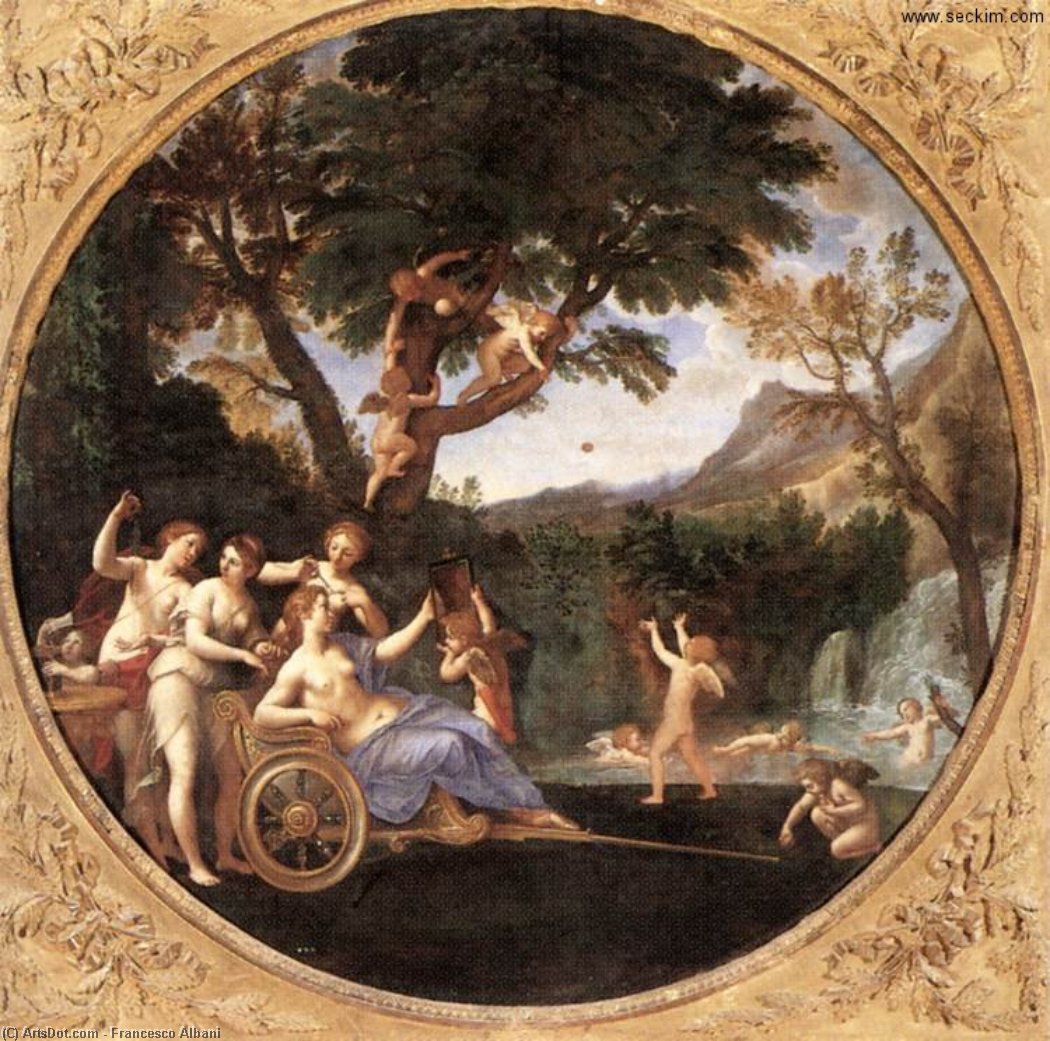
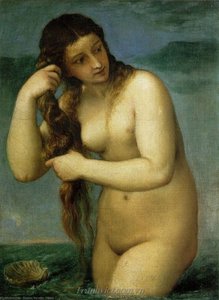
Spring (Venus at her Toilet)
 Oil On Canvas
- WallArt
- Baroque Painting
 1616
1616- Early Modern
 154.0 x 154.0 cm
 ボ르게ーゼ美術館
 詳細を見る
詳細を見る
ジークレー/アートプリント
迅速な制作と多彩な仕上げオプションを備えた、ミュージアムクオリティのジークレーまたはキャンバスプリント。 ( 手描きの絵画を購入 画像を購入)




P118B $10

P118H $10

P118W $10

P438Z $10

P508JH $12

P508YH $12

P805H $10

P805Z $10

P919BZ $10

P919G $10

P919XJ $10

P959ZH $10

P968JZ $12

W106C $8

W218G $10

W218JH $8

W218Y $10

W307PJ $10

W316G $10

W316PJ $8

W316Y $10

W398PJ $8

W4111J $10

W500HY $15

W500JH $15

W692G $12

W849H $8

W940BG $15

W953PJ $8




作品のオリジナル比率に合わせた、当店の規定サイズからお選びください。

特定のフレームやスペースに合わせて、ご自身でサイズを指定することも可能です。選択されたサイズが元の画像の比率と一致しない場合、作品をトリミングするか、鏡面反射または単色での塗りつぶしによって画像を拡張いたします。制作を開始する前に、ご確認用のデジタルモックアップをお送りいたします。
画面上のプレビューには、実際のトリミングや拡張は反映されませんのでご注意ください。最終的な構図を正確に確認できるのは、モックアップのみとなります。
カスタムサイズも承っておりますが、元の比率を維持するためには、あらかじめ用意されたリストからサイズを選択することをお勧めいたします。


 ガラスオプションは、110cm未満のサイズでのみご利用いただけます。

Spring (Venus at her Toilet)
ジークレー/アートプリント
複製画のサイズ
-


合計金額
$ 62
作品詳細説明
A Moment Frozen in Time: Francesco Albani’s “Toilet of Venus”
Francesco Albani's "Toilet of Venus," completed in 1616, stands as a testament to the flourishing baroque aesthetic and a captivating exploration of mythological narrative. Painted during Rome’s papal patronage era—a period characterized by opulent grandeur and fervent religious fervor—the artwork transcends mere visual representation; it embodies an intricate tapestry of artistic innovation and symbolic resonance.The Subject Matter: Mythological Reverie
At its core, “Toilet of Venus” depicts the goddess Venus indulging in her toilette – a scene drawn directly from Roman mythology. Venus, revered as the embodiment of beauty and love, is portrayed seated upon a wheelchair, attended by several nude women who engage in various activities related to grooming and adornment. This deliberate choice of subject matter wasn’t simply decorative; it served as a vehicle for conveying profound philosophical ideas about femininity, virtue, and divine grace. The inclusion of children adds an element of innocence and vitality to the composition, highlighting the cyclical nature of life and celebrating the nurturing aspects of motherhood – concepts central to humanist thought prevalent during Albani's time.A Baroque Masterpiece: Technique and Style
Albani’s masterful technique exemplifies the hallmarks of baroque painting. Employing oil paints on canvas—a favored medium for artists of the period—he achieved remarkable luminosity and depth through meticulous layering and glazing techniques. The artist skillfully utilized chiaroscuro – dramatic contrasts between light and shadow – to sculpt the figures, creating a palpable sense of volume and realism. Furthermore, Albani’s attention to detail is evident in the exquisitely rendered drapery, which cascades around Venus and her companions, conveying movement and elegance. The backdrop features stylized mountains and trees—characteristic elements of baroque landscape painting—providing a harmonious counterpoint to the central figures and enhancing the overall visual impact.Historical Context: Papal Rome and Artistic Patronage
“Toilet of Venus” emerged from the crucible of papal Rome under Pope Paul V, who actively championed artistic endeavors as instruments for glorifying God and reinforcing papal authority. This era witnessed a surge in artistic creativity fueled by substantial royal commissions and a fervent desire to express religious piety through visual art. Albani’s work reflects this cultural climate, aligning seamlessly with the broader trends of baroque painting—which sought to evoke emotion and inspire awe—and demonstrating the profound influence of humanist ideals on artistic expression.Symbolism: Beauty, Virtue, and Divine Femininity
Beyond its aesthetic qualities, “Toilet of Venus” is laden with symbolic significance. Venus herself represents divine femininity – a concept championed by Renaissance humanists who celebrated female intellect and virtue. The act of toileting symbolizes purification and contemplation—suggesting that beauty and grace are inseparable from moral integrity. The positioning of Venus on the wheelchair underscores her regal status and reinforces the notion of divine majesty. The surrounding women embody various aspects of feminine excellence, reflecting the humanist belief in the multifaceted nature of human potential.Emotional Impact: Capturing Ideal Beauty
Ultimately, Albani’s “Toilet of Venus” succeeds in capturing a moment of idealized beauty—a sublime vision that transcends mere representation and speaks to the viewer's deepest sensibilities. The painting evokes feelings of serenity, reverence, and admiration for the divine feminine—themes that continue to resonate with audiences today. It serves as an enduring reminder of the transformative power of art to inspire contemplation and elevate the human spirit.関連作品
アーティストの略歴
アルバーニ・フランチェスコ、別名ル・アルバーネ
1578年に生まれ、1660年没した著名なイタリアの画家、アルバーニ・フランチェスコは、ローマを中心にイタリアのバロック絵画の発展において極めて重要な人物でした。
初期の生活と修行
フランチェスコ・アルバーニは、芸術家を名乗る家に、イタリアのボローニャで生まれました。彼の父ダニエレ・アルバーニが画家であり、叔父のジョヴァンニ・パオロ・カヴァニャも著名な芸術家でした。フランチェスコの初期の学び舎となったのは、デンツィオ・フェラリの工房であり、そこで彼は絵画の基礎を学びました。その後、ローマへと移り住み、ギドバルド・ガンドルフィの指導のもとで研鑽を積みました。
芸術家としてのキャリア
アルバーニの芸術的な軌跡は、バロック様式と古典主義の要素が見事に融合した独自のスタイルによって特徴づけられています。彼は神話的あるいは聖書の場面を描いた、美しく繊細な描写で知られていました。彼の最も有名な作品の一つが『ヴィーナスのお手入れ』であり、この絵画は人間という存在の美しさを捉える彼の卓越した技術を今に伝えています。アルバーニの注目すべき作品には以下のようなものがあります。
- 『キリストの洗礼』。感情とドラマを伝える彼の能力を示す作品です。
- 『聖セバスティアヌス』。光と影の巧みな使い手が際立つ傑作です。
- 『聖ヨハネに囲まれた聖母子』。人間の表情の機微を捉える彼の技量が光る絵画です。
影響と遺産
イタリアにおけるバロック絵画の発展に対するアルバーニの影響は計り知れません。キアロスクーロ、すなわち明暗の対比を強調する技法を導入した初期の芸術家の一人でした。また、自然の風景を構図に取り入れることが多かったため、風景画の発展にも影響を与えました。今日においても、アルバーニの作品はパリのルーヴル美術館をはじめとする様々な美術館で見ることができます。特に彼の『ヴィーナスのお手入れ』はそこで展示されています。また、美術愛好家たちが彼の生涯と芸術的功績について深く知ることができるArtsDot.comでも紹介されています。
結び
フランチェスコ・アルバーニは、芸術の世界に消しがたい足跡を残した才能ある画家でした。バロックと古典の要素を織り交ぜた彼の独自のスタイルは、今日に至るまで多くの芸術家たちにインスピレーションを与え続けています。彼の作品を通して、私たちは人間の肉体の持つ美しさやドラマ性、そして奥行きと感情を生み出す光と影の重要性を再認識することができるのです。アルバーニの生涯と作品についてさらに深く知りたい方は、ArtsDot.comをご覧になるか、ウィキペディアで彼の伝記をチェックしてみてください。
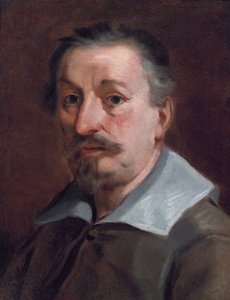
アルバーニ・フランチェスコ(ル・アルバーネ)
1578 - 1660 , イタリア
基本情報
- Artistic Movement Or Style: バロックおよび古典主義
- Artists Or Movements Influenced By This Artist:
- バロック絵画
- 風景画
- Artists Who Influenced This Artist:
- デンツィオ・フェラリ
- ギドバルド・ガンドルフィ
- Date Of Birth: 1578年
- Date Of Death: 1660年
- Full Name: フランチェスコ・アルバーニ
- Nationality: イタリア
- Notable Artworks:
- ヴィーナスの化粧台
- キリストの洗礼
- 聖セバスティアヌス
- 聖ヨハネに囲まれた聖母子
- Place Of Birth: イタリア、ボローニャ
関連記事

ゴヤ傑作25選:スペインの魂を揺さぶる、深遠な芸術の世界 | ArtsDot
ゴヤ傑作25選:ロマン主義を代表するスペインの巨匠、フランシスコ・デ・ゴヤの世界へ。黒衣の女からマハまで、魂を揺さぶる絵画の物語と技法を紐解きます。ArtsDotで高品質なアートレプリカを見つけ、インテリアに深みと風格を。今すぐコレクションをご覧ください。

Giclée Prints: Archival Quality & Aesthetic Nuances for the Discerning Collector
Explore the world of giclée prints with ArtsDot. Learn about archival quality, aesthetic nuances & investment potential. Expert guidance for discerning art collectors seeking museum-quality reproductions and lasting value.

About Us
Discover our story! We bring world-class art into your life through expert curation, personalized creations, and free previews. Trusted by individuals and businesses since 2000.

The Enduring Legacy of Fine Art Prints: Technique, History & Aesthetic Impact
Explore the rich history & techniques of fine art prints. Discover investment potential, assess authenticity, and learn how to preserve your collection with expert guidance. Trusted insights for discerning collectors.

バロックのドラマ:現代のインテリアに壮麗さと情感を取り込む
バロック様式の歴史、絵画、家具の魅力をご紹介。ArtsDotでは、高品質な油絵複製やカスタムポートレートをご提供し、現代のインテリアに壮麗さと情感を取り入れます。アートコンサルテーションも承ります。

