

 プレビュー
プレビュー
 シェアする
シェアする シェアする
シェアする
 詳細を見る
詳細を見る

 ダウンロード
 似ている作品
 X線調査
X線調査 スライドショー
 統計情報
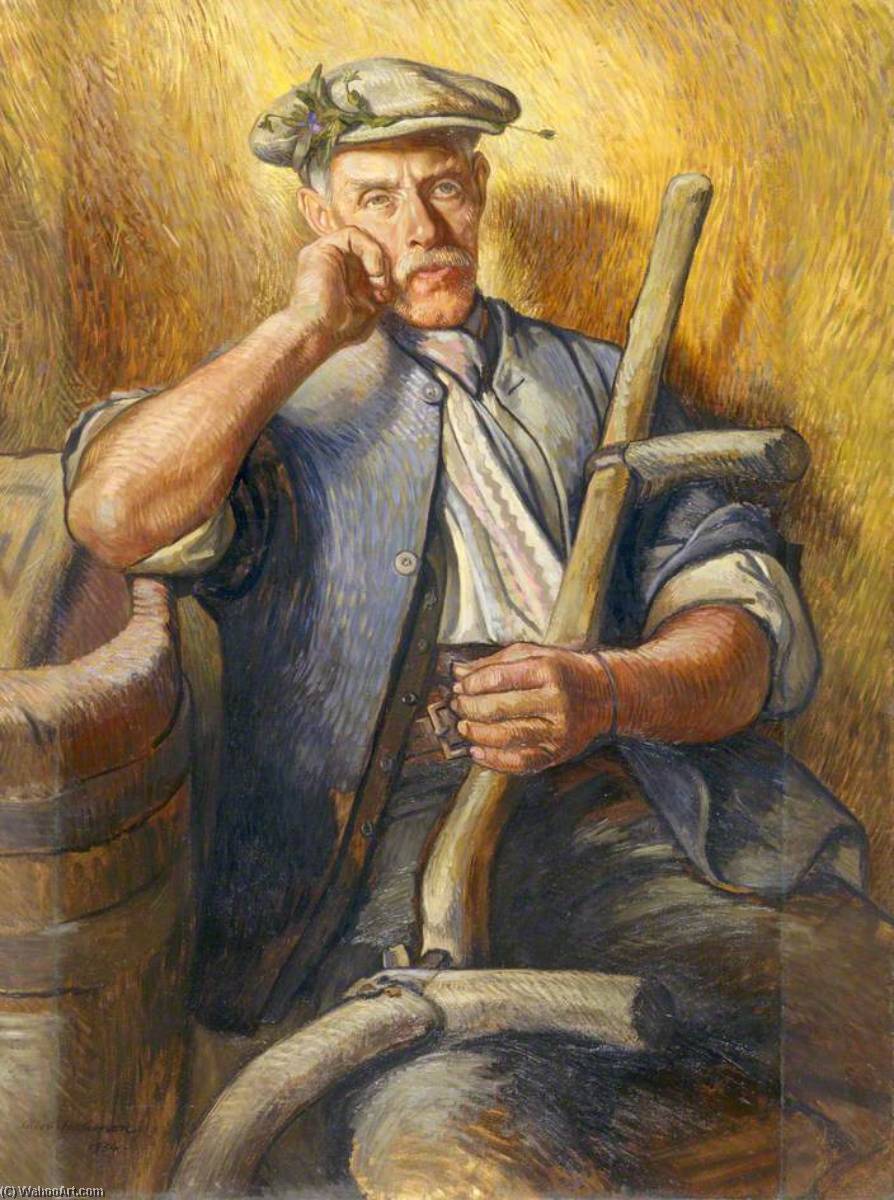
統計情報Jones, White Horse Farm
 1934
1934 122.0 x 92.0 cm
 詳細を見る
詳細を見る
手描き油彩複製画
当社のアーティストが、お客様のご希望のサイズと額縁に合わせて、キャンバスに手描きで制作する油彩画です。 ( プリント版に切り替え デジタル画像販売へ切り替え)




































作品のオリジナル比率に合わせた、当店の規定サイズからお選びください。

特定のフレームやスペースに合わせて、ご希望のサイズをご入力いただけます。選択されたサイズが元の画像の比率と異なる場合、アートワークをトリミングするか、手描きで要素を追加して絵画を拡張いたします。デジタルモックアップ を制作し、制作開始前にご確認(承認)をいただきます。
画面上のプレビューは、実際のトリミングや拡張を正確に反映しているものではありません。最終的な構図は、モックアップによってのみ正確にご確認いただけます。
カスタムサイズもご利用いただけますが、元の比率を維持するためには、あらかじめ用意されたリストからサイズを選択することをお勧めいたします。
ご注文後、ArtsDot.com チームより詳細な指示をお送りするとともに、仕上がりイメージ(モックアップ)をご提供いたします。


 ガラスオプションは、110cm未満のサイズでのみご利用いただけます。

Jones, White Horse Farm
複製技法
複製画のサイズ
-


合計金額
$ 263
関連作品



アーティストの略歴
Early Life and Artistic Beginnings
Albert Anthony Houthuesen, born Albertus Antonius Johannes Houthuesen in Amsterdam in 1903, embarked on a life deeply intertwined with the visual arts, though his path was marked by early disruption. The family’s relocation to London in 1912 followed the tragic and sudden death of his father, Jean Charles Pierre Houthuesen, a painter and pianist. This event cast a long shadow over Albert's life, influencing both his personal outlook and, arguably, the emotional tenor of his work. Despite the hardship, young Albert found solace in artistic expression, initially studying at St Martin’s School of Art before continuing his formal training at the Royal College of Art. These formative years were crucial, exposing him to a vibrant community of artists including Henry Moore, Barbara Hepworth and Edward Burra, and fostering a lifelong friendship with Sir John Rothenstein, who would later champion his work at the Tate Gallery. He supplemented his studies with teaching positions at The Working Men's College, demonstrating an early commitment to sharing his passion for art.A Quiet Realism: Rural Life as Subject
Houthuesen’s artistic identity blossomed in a period often overshadowed by more avant-garde movements. While abstract expressionism gained prominence, Houthuesen remained steadfastly committed to realism, focusing on the landscapes and lives of rural Britain. He became particularly known for his evocative depictions of farming scenes and still lifes, capturing the textures and rhythms of the countryside with meticulous detail. His work wasn’t merely representational; it possessed a quiet dignity, an empathy for the working class and a deep appreciation for the natural world. Annual sojourns to Trelogan in North Wales during the 1930s proved particularly influential. It was here, amongst the colliers and rugged landscapes, that he created some of his most powerful portraits, such as *Jo Parry, Welsh Collier* (now held at National Museum Wales), works imbued with a sense of both respect and melancholy. These paintings weren’t romanticized visions; they were honest portrayals of hard labor and resilience.Influences and Artistic Development
While Houthuesen largely eschewed the prevailing artistic trends of his time, he wasn't entirely isolated from broader influences. The impact of 19th-century Realists like Jean-François Millet is discernible in his treatment of rural subjects and his focus on the dignity of labor. His early training at the RCA exposed him to a diverse range of styles, but it was perhaps the personal connection with artists like Rothenstein that proved most significant, providing both encouragement and opportunities for exhibition. The seascapes he began producing during his Welsh visits reveal an increasing willingness to experiment with color and texture, hinting at a subtle move towards expressionism, particularly evident in works like *Still Life of Pears*. However, even these more experimental pieces retained a grounding in observation and a commitment to capturing the essence of the subject matter.Recognition and Legacy
Despite consistently producing high-quality work throughout the 1930s and 40s, Houthuesen remained relatively unknown for much of his career. The acquisition of *Stack Yard* by the Tate in 1939 was a significant milestone, but wider recognition proved elusive until a solo exhibition at Reid Gallery in London in 1961. This belated acknowledgement sparked renewed interest in his work and led to increased critical acclaim. Houthuesen continued painting until his death in 1979, leaving behind a substantial body of work that offers a unique perspective on British life during the mid-20th century. His paintings are now held in numerous public collections, including the Tate Gallery and the National Museum Wales.Historical Significance
Albert Anthony Houthuesen occupies a distinctive position within the history of British art. He stands as a testament to the enduring power of realism and the importance of representing everyday life with honesty and empathy. In an era dominated by abstraction, his commitment to depicting rural scenes and working-class subjects was both courageous and quietly subversive. His work provides valuable insight into the social and economic realities of interwar Britain, offering a counterpoint to more idealized or romanticized portrayals of the countryside. Houthuesen’s legacy lies in his ability to capture the beauty and dignity of ordinary people and places, reminding us of the importance of observation, compassion, and artistic integrity. He is increasingly recognized as an important figure in British art history, a painter whose work deserves continued attention and appreciation.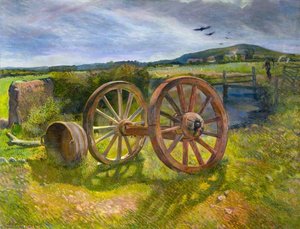
albert anthony houthuesen
1903 - 1979
基本情報
- Artistic Movement Or Style: Romantic Landscape Painting
- Artists Or Movements Influenced By This Artist: ['Romantic Landscape Painting']
- Artists Who Influenced This Artist: ['Hedger and Ditcher']
- Date Of Death: 1979
- Full Name: Albert Anthony Houthuesen
- Nationality: British
- Notable Artworks:
- A Shell and Flowers
- The Traveller
- Still Life of Pears
- Place Of Birth: Amsterdam, Netherlands