 プレビュー
プレビュー
 プリントを購入
 シェアする
シェアする シェアする
シェアする
 詳細を見る
詳細を見る

 ダウンロード
 似ている作品
 X線調査
X線調査 スライドショー
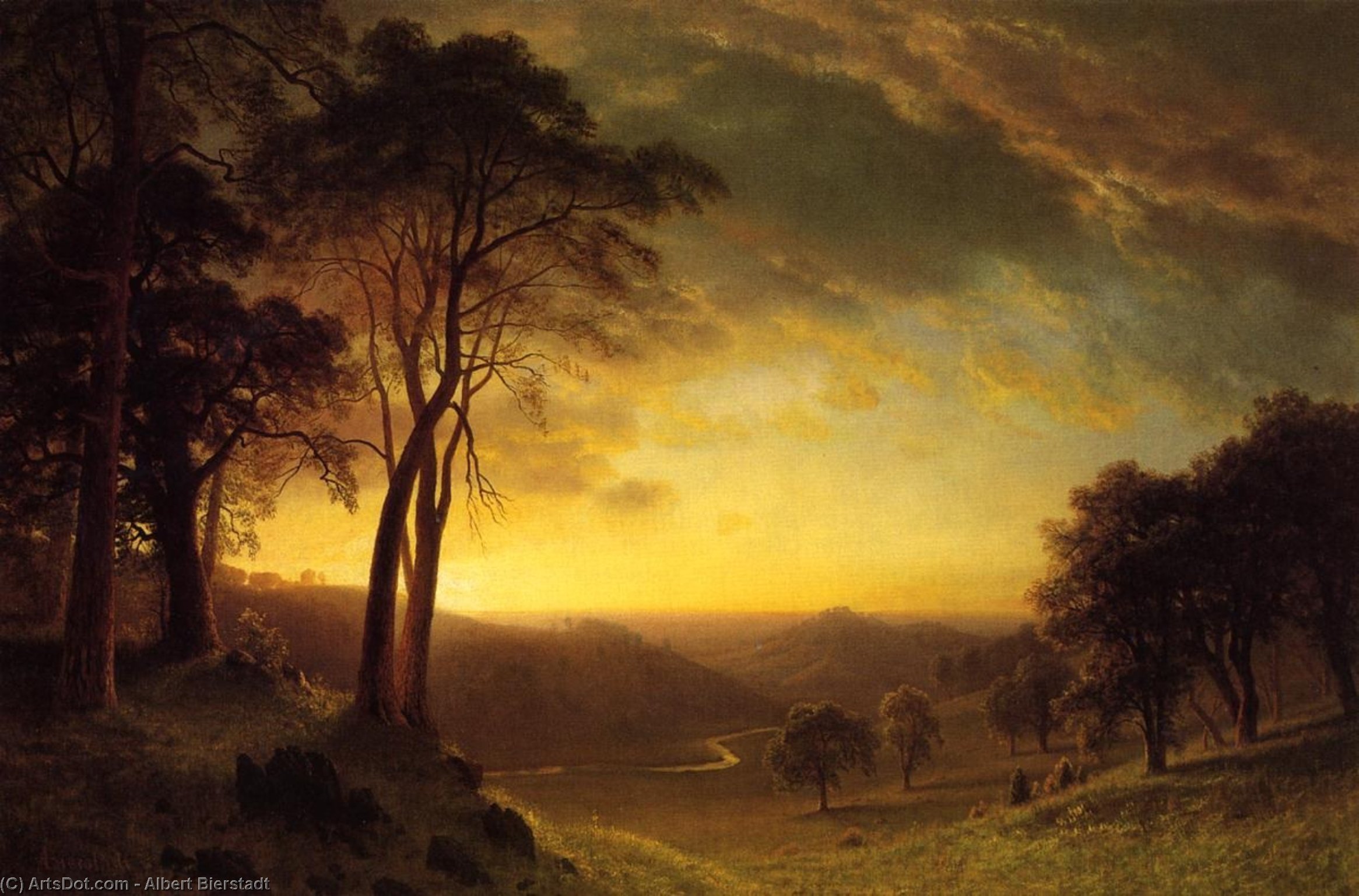
Sacramento River Valley


 詳細を見る
詳細を見る




P118B $10

P118H $10

P118W $10

P438Z $10

P508JH $12

P508YH $12

P805H $10

P805Z $10

P919BZ $10

P919G $10

P919XJ $10

P959ZH $10

P968JZ $12

W106C $8

W218G $10

W218JH $8

W218Y $10

W307PJ $10

W316G $10

W316PJ $8

W316Y $10

W398PJ $8

W4111J $10

W500HY $15

W500JH $15

W692G $12

W849H $8

W940BG $15

W953PJ $8




作品のオリジナル比率に合わせた、当店の規定サイズからお選びください。

特定のフレームやスペースに合わせて、ご希望のサイズをご入力いただけます。選択されたサイズが元の画像の比率と異なる場合、アートワークをトリミングするか、手描きで要素を追加して絵画を拡張いたします。デジタルモックアップ を制作し、制作開始前にご確認(承認)をいただきます。
画面上のプレビューは、実際のトリミングや拡張を正確に反映しているものではありません。最終的な構図は、モックアップによってのみ正確にご確認いただけます。
カスタムサイズもご利用いただけますが、元の比率を維持するためには、あらかじめ用意されたリストからサイズを選択することをお勧めいたします。
ご注文後、ArtsDot.com チームより詳細な指示をお送りするとともに、仕上がりイメージ(モックアップ)をご提供いたします。


 ガラスオプションは、110cm未満のサイズでのみご利用いただけます。

Sacramento River Valley
複製技法
複製画のサイズ
-


合計金額
$ 263
作品解説
A Vision of the Sublime – Albert Bierstadt's Sacramento River Valley
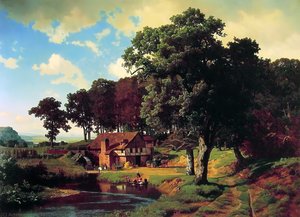
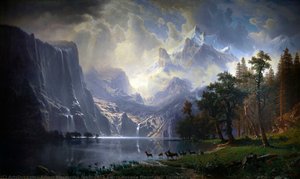
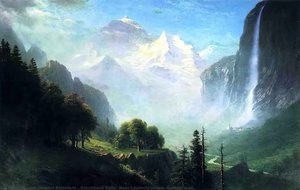
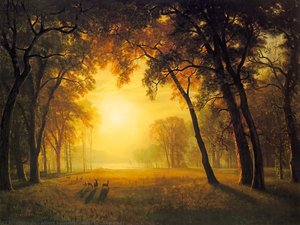
Albert Bierstadt’s “Sacramento River Valley,” painted in 1872, isn’t merely a landscape; it’s an immersive experience. This monumental oil on canvas transports the viewer to the heart of California’s burgeoning frontier, capturing not just the physical beauty of the valley but also the profound emotional response evoked by its vastness and light. Bierstadt, a pivotal figure in the Hudson River School movement, sought to elevate landscape painting beyond simple representation, aiming instead to convey the sublime—that feeling of awe and wonder inspired by nature’s grandeur.
The scene unfolds with breathtaking detail: the Sacramento River snakes its way through a broad, fertile valley floor, flanked by towering cliffs and dense forests. The artist meticulously rendered the textures of the earth – the rough bark of ancient trees, the smooth flow of the river, the subtle gradations of color in the distant hills. Bierstadt’s mastery lies not just in his technical skill but also in his ability to capture the fleeting effects of light and atmosphere. Notice how he employs a warm, golden palette—ochres, siennas, and hints of rose—to bathe the valley in an ethereal glow, particularly evident in the setting sun that casts long shadows across the landscape.
The Hudson River School and the Romantic Ideal
To understand “Sacramento River Valley,” it’s crucial to grasp the context of the Hudson River School. Emerging in the mid-19th century, this group of American painters—including Bierstadt, Frederic Church, and Thomas Cole—were deeply influenced by European Romanticism. They rejected the neoclassical emphasis on classical subjects and idealized forms, instead focusing on the dramatic beauty of the American wilderness. Bierstadt, particularly, was fascinated by the West, a region he believed held the key to America’s future. His paintings weren't simply records of exploration; they were powerful statements about the nation’s destiny—a call to embrace the challenges and rewards of westward expansion.
The painting reflects this romantic ideal through its scale – it’s a truly imposing work, designed to overwhelm the viewer with its grandeur. Scattered throughout the scene are small figures – likely travelers or settlers – who serve as a reminder of humanity's place within this immense landscape. They are dwarfed by the mountains and rivers, emphasizing the power and majesty of nature while simultaneously suggesting our connection to it.
Symbolism and the American Frontier
Beyond its aesthetic beauty, “Sacramento River Valley” is rich in symbolism. The river itself represents lifeblood—the source of sustenance and prosperity for the region. The towering cliffs symbolize strength and resilience, while the vastness of the valley evokes a sense of possibility and adventure. Bierstadt’s choice to depict this particular moment – a sunset over a fertile valley – suggests hope for the future, a promise of abundance and growth for the burgeoning American West.
The painting was created during a period of intense westward expansion in the United States, as settlers pushed further into Native American territories. While Bierstadt’s work celebrates the beauty of the landscape, it's important to acknowledge the complex history surrounding this era and the displacement of indigenous peoples. The painting serves as a powerful reminder of both the allure and the consequences of exploration and settlement.
A Timeless Masterpiece – Reproduction Possibilities
Today, “Sacramento River Valley” resides in the Thyssen-Bornemisza Museum in Madrid, Spain, but high-quality reproductions are now available. Bringing this iconic landscape into your home offers a chance to experience Bierstadt’s vision firsthand—to bask in the warmth of the sunset, to feel the scale of the valley, and to contemplate the enduring power of nature. A meticulously crafted reproduction captures not only the visual details but also the emotional resonance of the original, transforming any room into a sanctuary of beauty and inspiration.
関連作品

アーティストの略歴
アメリカ西部の先駆者:アルベール・ビアシュタットの生涯と芸術
1830年、プロイセンに生を受けたアルベール・ビアシュタットの物語は、誕生しつつあったアメリカという国家のアイデンティティそのものと深く結びついています。彼がわずか一歳だった頃、家族とともにマサチューセッツ州ニューベドフォードへと移住したことが、後に彼の芸術的遺産を定義することとなる風景への、生涯にわたる情熱の種を蒔きました。幼少期はクレヨンを用いた独学のスケッチから始まりましたが、ビアシュタットは正式な訓練の必要性を悟り、1853年にはドイツのデュッセルドルフへと渡ります。このヨーロッパでの研鑽が決定的な役割を果たしました。細部への緻密なこだわり、そして光と大気の洗練された理解といった技術的習熟は、後に彼がアメリカの荒野を描き出す際の礎となったのです。ビアシュタットが追い求めたのは、単なる写実的な再現ではありませんでした。それは自然が持つ崇高な力と美しさを伝えるための、感情的な共鳴だったのです。威厳を捉える:ハドソン・リバー派とその先へ
1857年にアメリカへと帰国すると、ビアシュタットはすぐにハドソン・リバー派の一員として知られるようになりました。この画家集団は、正確さとロマン主義的な理想主義の両面からアメリカの風景を描き出すことに心血を注いでいました。しかし、自然への畏敬の念を共有しながらも、ビアシュタットは、その野心的なスケールと劇的な構図によって、すぐに独自の地位を確立しました。彼は単に美しい絵を描くことには満足しませんでした。鑑賞者を荒野の核心部へと誘い込むような、没入感のある体験を生み出すことを目指したのです。その突破口となったのは1858年、全米デザインアカデミーで展示されたスイスの風景画でした。この作品は瞬く間に称賛を浴び、彼に名誉会員の地位をもたらしました。しかし、彼の芸術的ビジョンに真の火を灯したのは、その後の西への遠征でした。1859年には土地測量士フレデリック・W・ランダーと共に、1863年には作家フィッツ・ヒュー・ルドローと共にヨセミテ渓谷へと向かったのです。これらの旅は単なる観察の記録ではありませんでした。それは自然への没入そのものであり、ロッキー山脈の壮大さ、広大な平原、そして峡谷や滝が放つ畏怖の念を抱かせるスケールを、ビアシュタットの魂に刻み込んだのです。帝国の画家:西部への認識を形作る
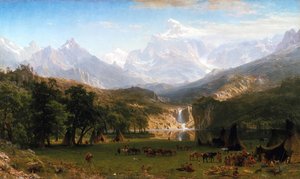
ビアシュタットの絵画は、単なる風景画ではありませんでした。それは国家のアイデンティティと「明白な天命(マニフェスト・デスティニー)」をめぐる宣言でもあったのです。しばしば巨大なサイズで描かれた彼のキャンバスは、アメリカ西部を過酷で未開の辺境としてではなく、約束に満ち、豊穣で、神聖な美しさを湛えた土地として描き出しました。1863年に完成し、当時としては驚愕の2万5000ドル(現在の価値にして約40万ドルに相当)で落札された『ロッキー山脈、ランダーズ・ピーク』は、その手法を象徴しています。この作品は精密な地形図ではありません。黄金色の光に包まれ、精神的な重要性を帯びた、理想化された壮大さの緻密な構築物なのです。感情を呼び起こし、畏怖の念を抱かせるこの能力により、ビアシュタットは存命中に絶大な人気を博しました。彼は単なる芸術家ではなく、アメリカ人、そして世界が西部をどのように認識するかを形作った文化大使でもありました。彼の作品は、西への拡大を、高潔で神に定められた事業として提示することで、その進展を後押ししたのです。遺産と影響:永遠に刻まれる印象
19世紀後半、芸術的な嗜好が変化するにつれてビアシュタットの人気はいくらか衰退しましたが、アメリカの風景画における彼の影響は否定しようのないものです。彼は、没入感のある体験を生み出すための大規模なキャンバスの力を証明し、その技法は後の多くの芸術家たちに受け継がれました。細部への緻密なこだわりと、光の卓越した使い方は、今なお画家たちにインスピレーションを与え続けています。技術的な達成を超えて、ビアシュタットの作品は貴重な歴史的資料としての役割も果たしています。急速な変化と拡大の時代における、アメリカ西部の認識の変遷を洞察させてくれるのです。彼は、人間の介入によって取り返しのつかないほどに変貌してしまう前の、手つかずの荒野という一瞬の光景を捉えました。彼の絵画は単なる美しいイメージではありません。それはアメリカ史における極めて重要な時代への窓なのです。西進する人々が抱いた希望と、その代償の両方を私たちに思い起こさせます。彼の遺産は今もなお生き続け、その息を呑むような風景は、これからも世代を超えて人々を魅了し続けることでしょう。
アルベール・ビアシュタット
1830 - 1902 , ドイツ
基本情報
- Artistic Movement Or Style: ハドソン・リバー派
- Date Of Birth: 1830年1月7日
- Date Of Death: 1902年2月18日
- Full Name: アルバート・ビアスタット
- Nationality: ドイツ系アメリカ人
- Notable Artworks:
- ウェスタンランドスケープ
- コースタルシーン
- Place Of Birth (City And Country): ドイツ、ゾーリンゲン
関連記事
ハドソン・リバー派を彩る至宝:10選が示すアメリカ絵画の黄金時代
ハドソン・リバー派の至宝10選を紐解き、アメリカ絵画の黄金時代へ。壮大な自然描写と巨匠たちの技が織りなす感動の世界を体験してください。トーマス・コールからチャーチまで、ArtsDot.comで高品質なアートプリントとインテリアアイデアを見つけましょう。
Albert Bierstadt: Luminosity, Landscape & the American Ideal
Explore the breathtaking landscapes of Albert Bierstadt, master of the American West & a leading figure in the Hudson River School. Discover his luminous style and iconic paintings – a timeless investment for art lovers.

Benjamin West: Transatlantic Ambition & Shaping American Art
Explore the life & legacy of Benjamin West, pioneering American artist and Royal Academy president. Discover his Neoclassical masterpieces, transatlantic influence, and lasting impact on art history. Learn more at ArtsDot.
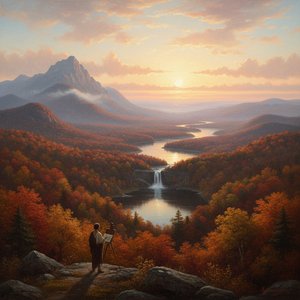
The Sublime Landscape: Exploring the Hudson River School Movement
Explore the captivating world of the Hudson River School! Discover the history, artists, and defining characteristics of this iconic American art movement. Learn about Romanticism's influence & find inspiration for your collection.
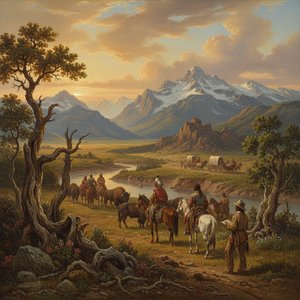
Alfred Jacob Miller: Chronicling the American West Through Artistic Observation & Narrative
Explore the captivating art of Alfred Jacob Miller, chronicler of the American West. Discover his iconic paintings, techniques & lasting legacy – a valuable addition to any serious collection. Learn more at ArtsDot.